Clan Russell
– 3 min read


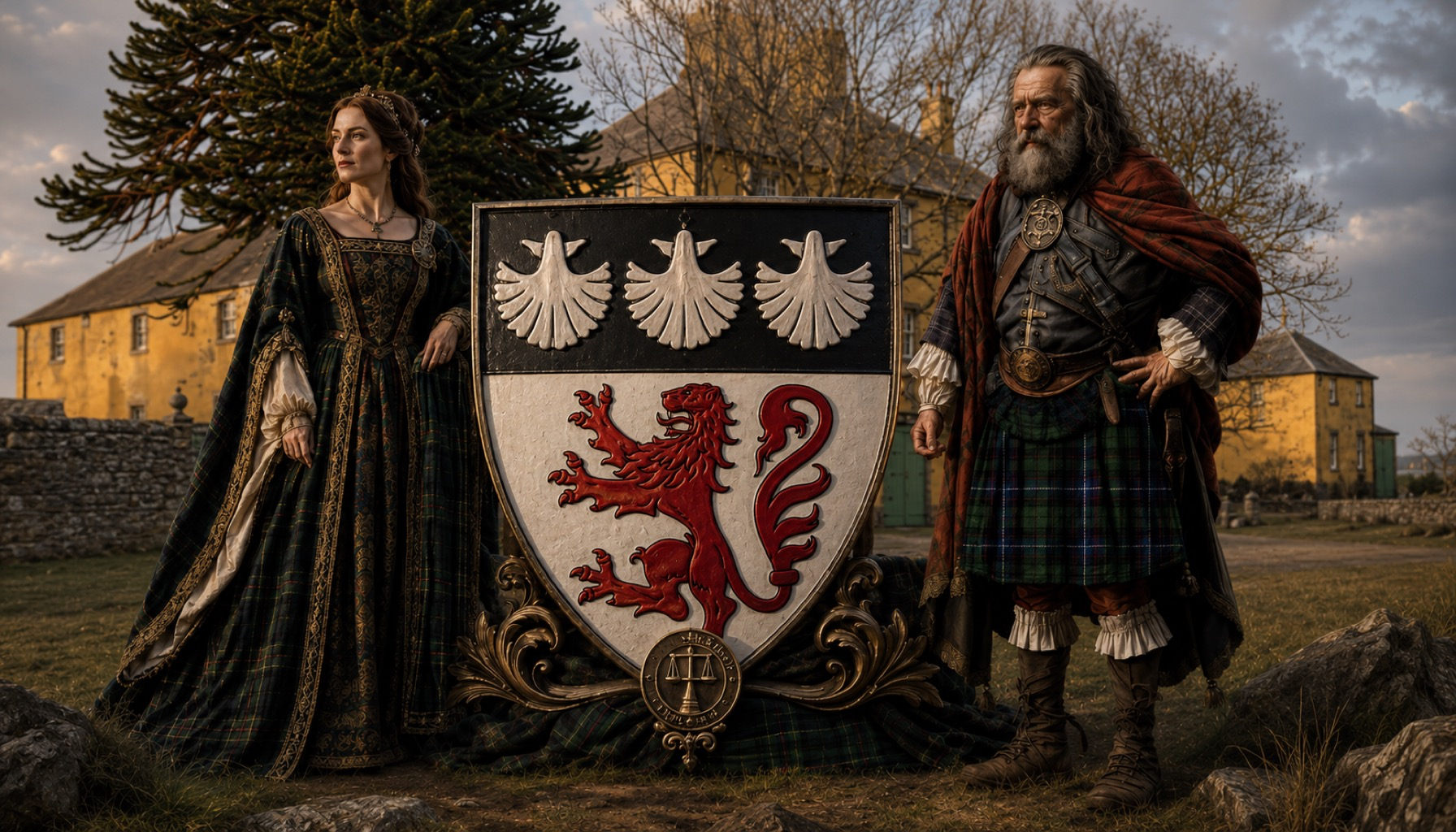
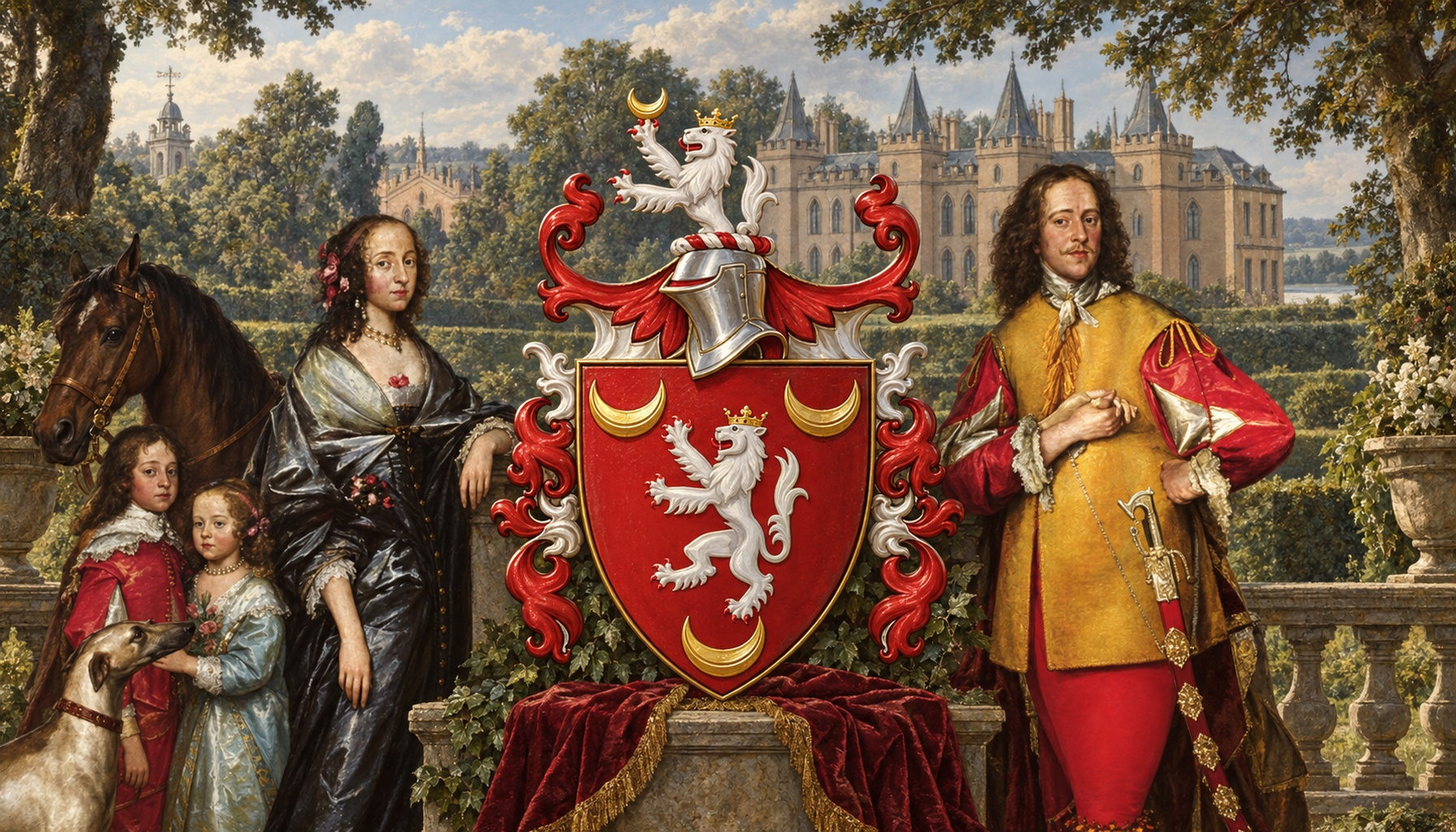
Clan Russell belongs to that long-running British and Scottish family tradition in which a surname became more than a name: it became a public identity. The Russells were associated with noble service, landholding, marriage alliances, heraldry, and the steady accumulation of regional influence over generations. Rather than pointing to a single dramatic Highland origin story, Russell heritage is better understood as part of the wider aristocratic world of Britain, where families made their mark through estates, office, military or civic duty, and the careful preservation of status and memory. In genetic tagging terms, the primary family haplogroup linked here is R1b1a1b1a1a1c2b2a1b1b1, a branch within the great western European R1b line.
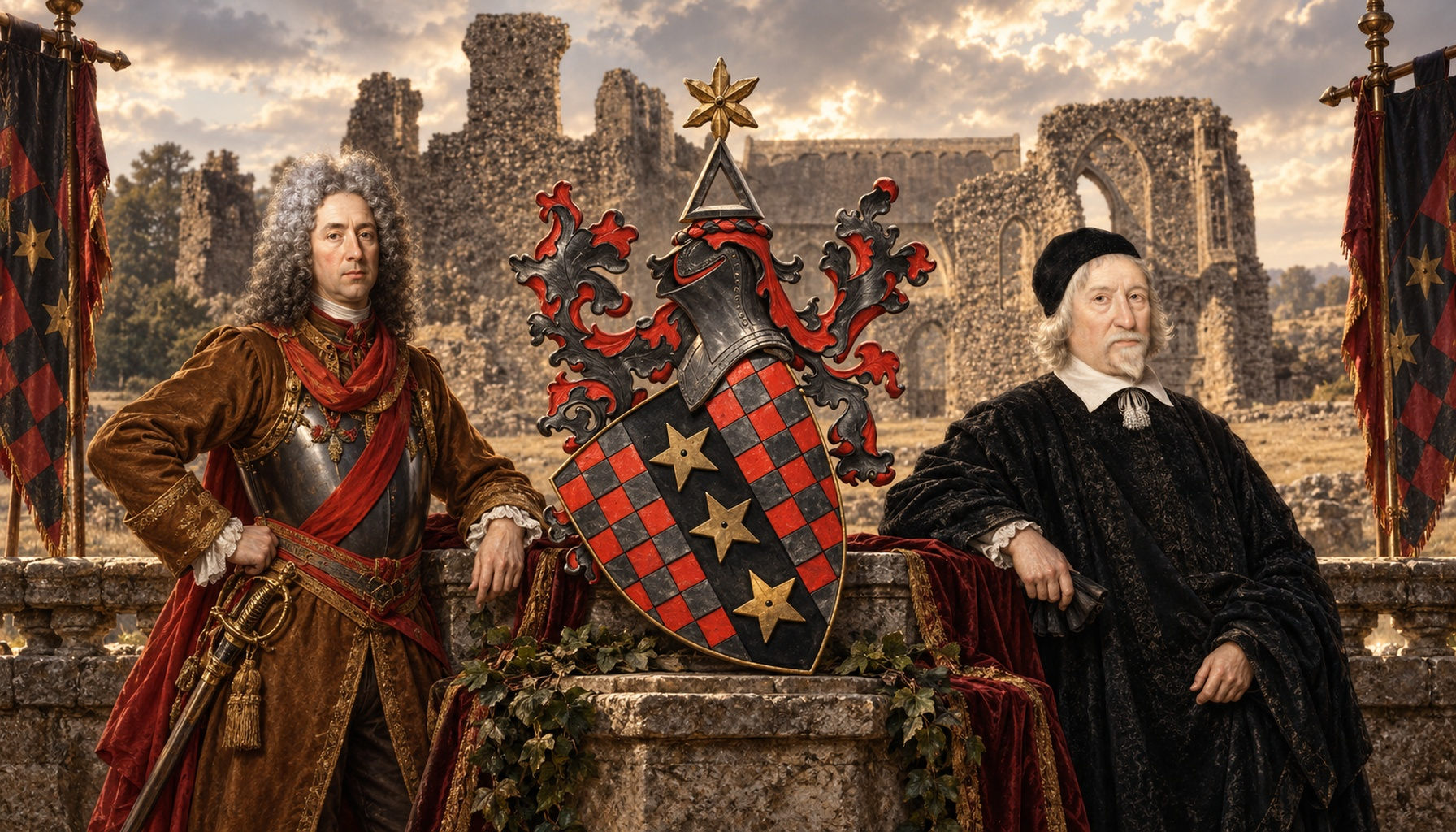
The surname itself appears early in the medieval record, which is exactly where such family traditions begin to come into focus. Walter Russel is recorded in 1164, and Robert Russell appears in 1296, placing the name firmly in the age when feudal loyalties, royal administration, and landed tenure were shaping the map of both Scotland and England. This was a world of charters, castles, and service to crown or magnate, and the Russells fit neatly into that pattern. Their story is less about one isolated clan founder and more about continuity: a family name maintained across centuries, rooted in place, remembered in heraldry, and carried forward through public role.
A useful location anchor for Russell heritage is Banff Castle in Banff, Aberdeenshire, on Scotland's northeast coast. The site has deep historical roots: an earlier royal castle stood there in the medieval period, tied to the strategic importance of Banff as a burgh and coastal centre. The later Banff Castle known today was rebuilt in the eighteenth century after the older fortress had fallen into ruin, so what survives is not a grim medieval stronghold in full, but a layered historic site where royal, aristocratic, and regional history overlap. Its grounds and surviving setting still speak to the old world of estate identity and local authority that families like the Russells inhabited. The castle and estate area are still known landmarks in Banff, and the wider site can still be visited, making it a tangible place to connect family tradition with the historical landscape of northern Scotland.
From the ancient DNA side, the Russell haplogroup tag R1b1a1b1a1a1c2b2a1b1b1 links the family to a wider network of related paternal lines found across early medieval and migration-period Europe. These are not claims of direct descent from named excavated individuals, but they are useful markers of the broader world from which such lineages emerged. Related or linked samples include Medieval England Cambridge St Johns Hospital (ATP_PSN_78), Longobard Period Pannonia Arrabona Menfocsanak Barbaricum Hungary (MFC016), Thuringii Germany Obermoellern (OBM054), Jutland Bog War Alken Enge Denmark (CGG019209), Frankish Grave Hannover-Anderten Germany (ADN014), early Anglo-Saxon burials from Buckland Dover (BUK040, BUK011, BUK001, BUK006), Hatherdene Close Cambridgeshire (HAD011), Polhill Kent (POH008), and the Viking Age St. Brice Massacre sample from Oxford (VK174). Taken together, they sketch a vivid picture of North Sea and continental movement: warriors, settlers, townsmen, and communities spread across England, Germany, Denmark, Hungary, and beyond. That is the real fascination of the haplogroup story: not a simplistic single ancestor, but a deep web of related paternal history stretching across the centuries that helped shape the medieval British world in which the Russells rose to prominence.
Explore Anglo-Saxon DNA history
If Russell heritage is part of your story, the next step is to test how family history and ancient DNA may intersect. Upload your DNA to MyTrueAncestry and see whether you match Clan Russell, its haplogroup R1b1a1b1a1a1c2b2a1b1b1, or any of the related ancient samples linked to medieval Britain and the wider North Sea world.
Comments