Clan Preston
– 3 min read


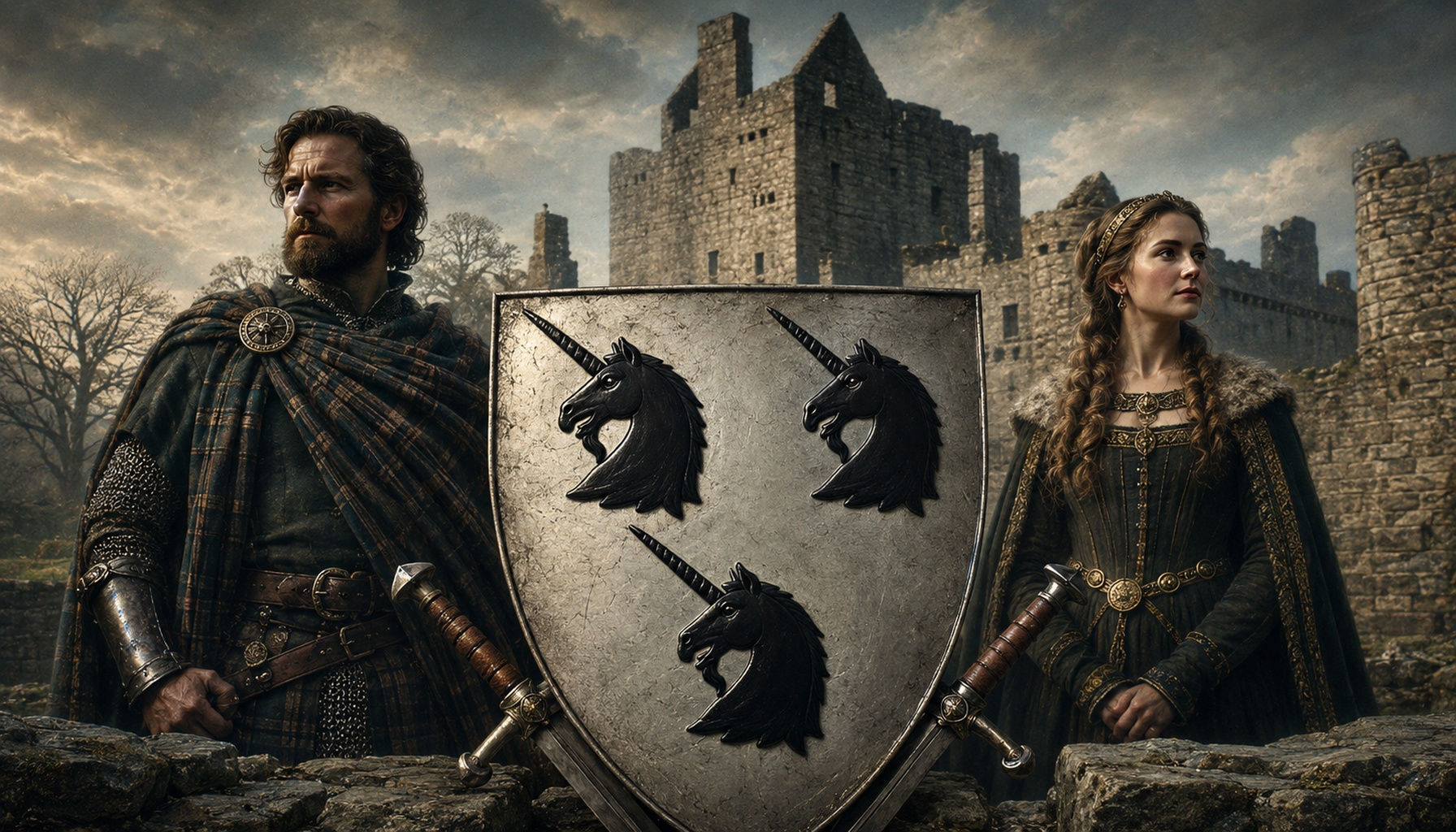
Clan Preston was a Scottish and English family tradition rooted in land, locality, and service, the sort of surname-history that grew out of a real place and then spread through property, office, and memory. The name Preston is place-based in character, coming from settlements called Preston, usually meaning something like the priest's town or priest's settlement in Old English. In Britain, that matters, because it tells us at once that this was not originally a fanciful badge-name but a territorial one, tied to landholding, neighbourhood authority, and the practical business of belonging somewhere. In genetic tagging terms, the primary family haplogroup linked here is R1b1a1b1a1a1b1a1a, a branch within the broader western European R1b world.
Historically, the Prestons fit a very recognisable British pattern: a landed surname developing through estate continuity, military or civic service, heraldry, and participation in county and regional society. In Scotland the name also enters clan-style heritage, where family identity is preserved not only through documents and property but through armorial tradition and long local memory. Among the early named figures are Alured de Preston, recorded in 1222, and Nicol de Prestoun, who appears in 1296, both useful reminders that the family emerges in the medieval record precisely where one would expect, in the world of charters, fealty, land, and public obligation. That is the real historical texture of Clan Preston: not myth, but settlement, service, and endurance.
One of the great location anchors for the Preston story in Scotland is Craigmillar Castle, in Edinburgh, long associated with the Preston family and still one of the most impressive medieval castles in the country. The core of the castle was developed in the late 14th and early 15th centuries, with the Preston family building up the site into a fortified tower house enclosed by a curtain wall, later expanded with additional ranges and gardens. It is the kind of place that makes family history suddenly feel physical: thick stone walls, a commanding position, and architecture that speaks of status, defence, hospitality, and ambition all at once. Craigmillar is also woven into wider Scottish history, most famously through its association with Mary, Queen of Scots, who stayed there in 1566. Today the castle survives as a substantial ruin under care and can still be visited, making it an unusually vivid point of contact with the territorial and heraldic world in which the Prestons rose and endured.
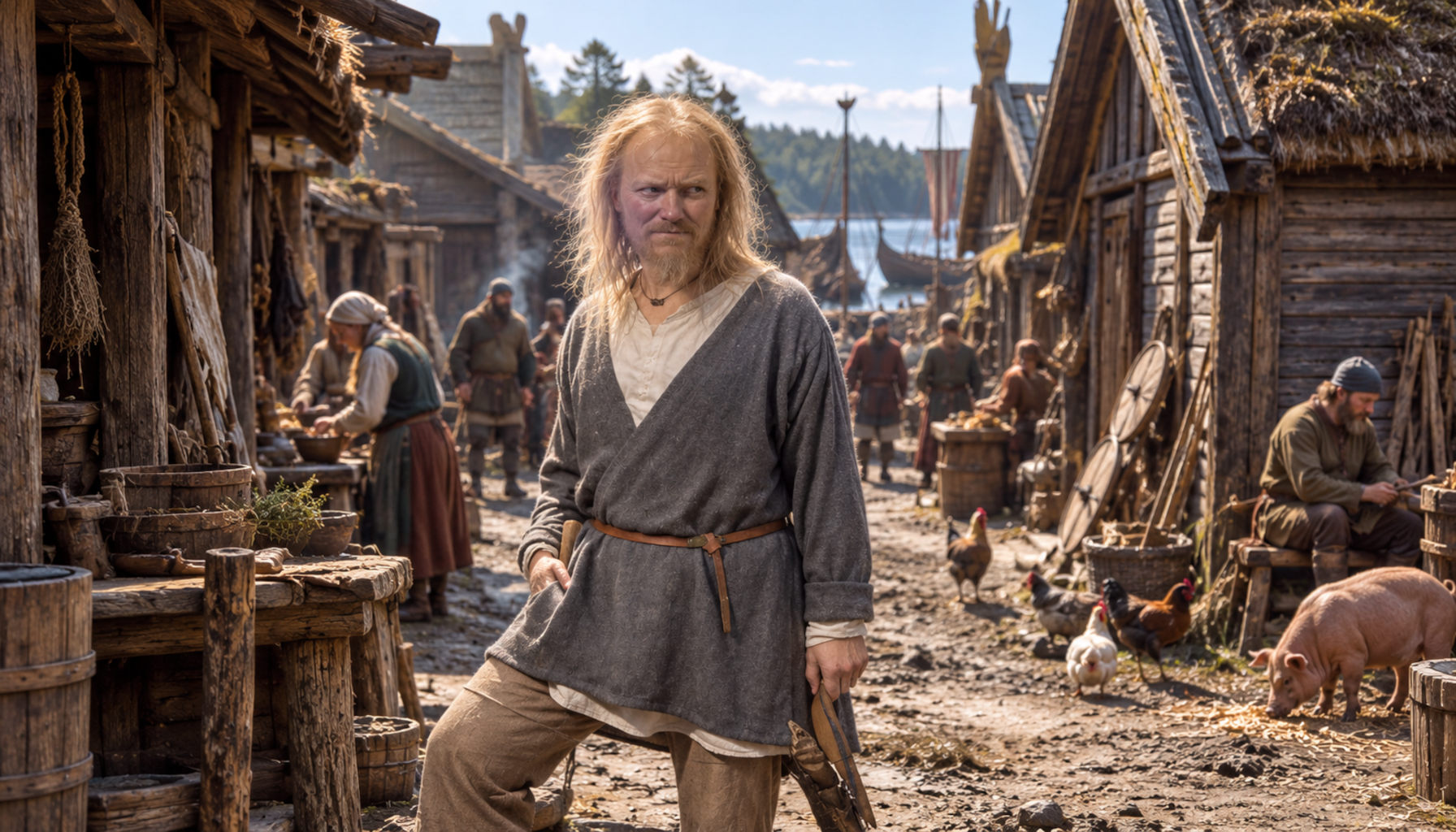
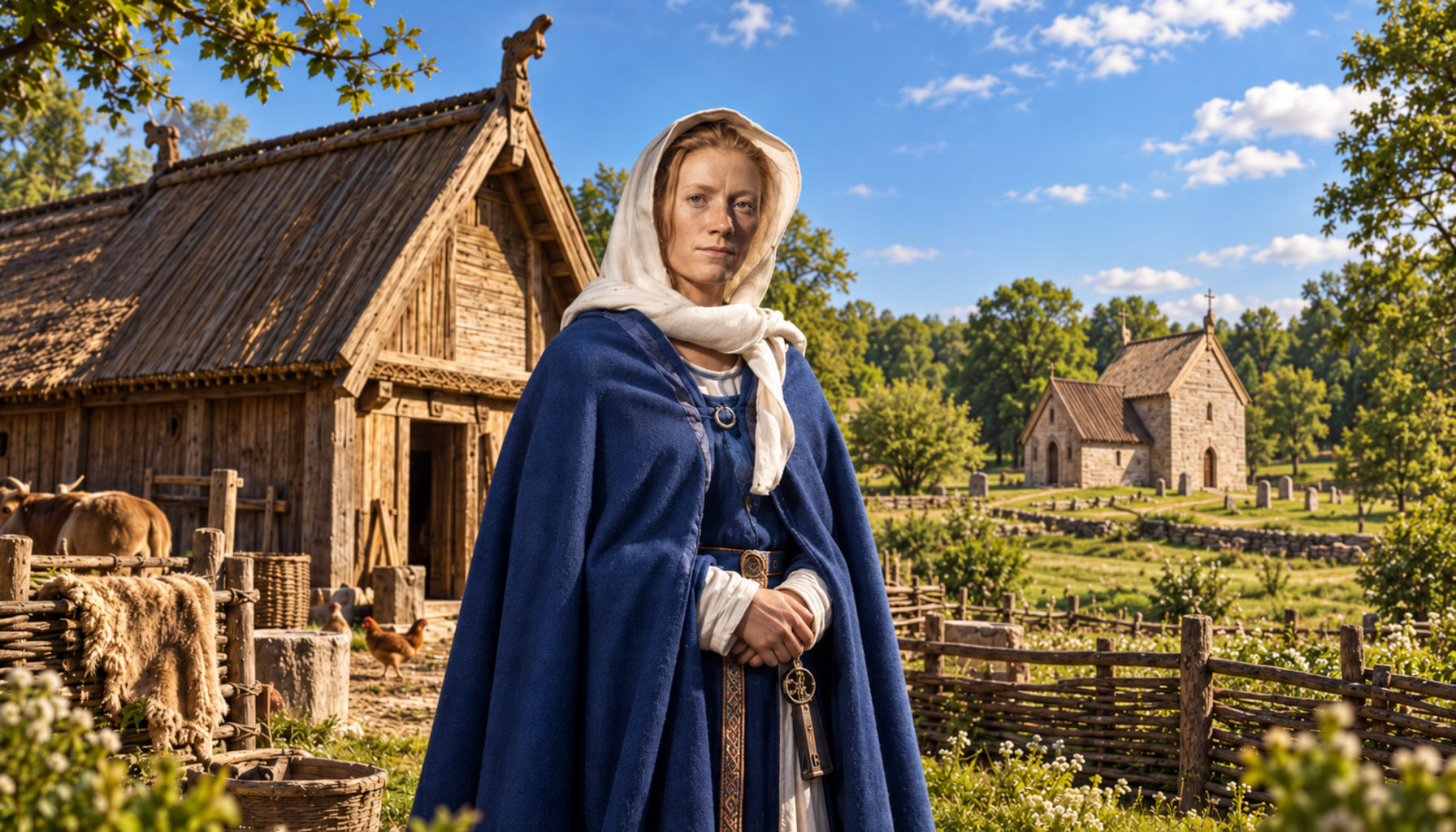
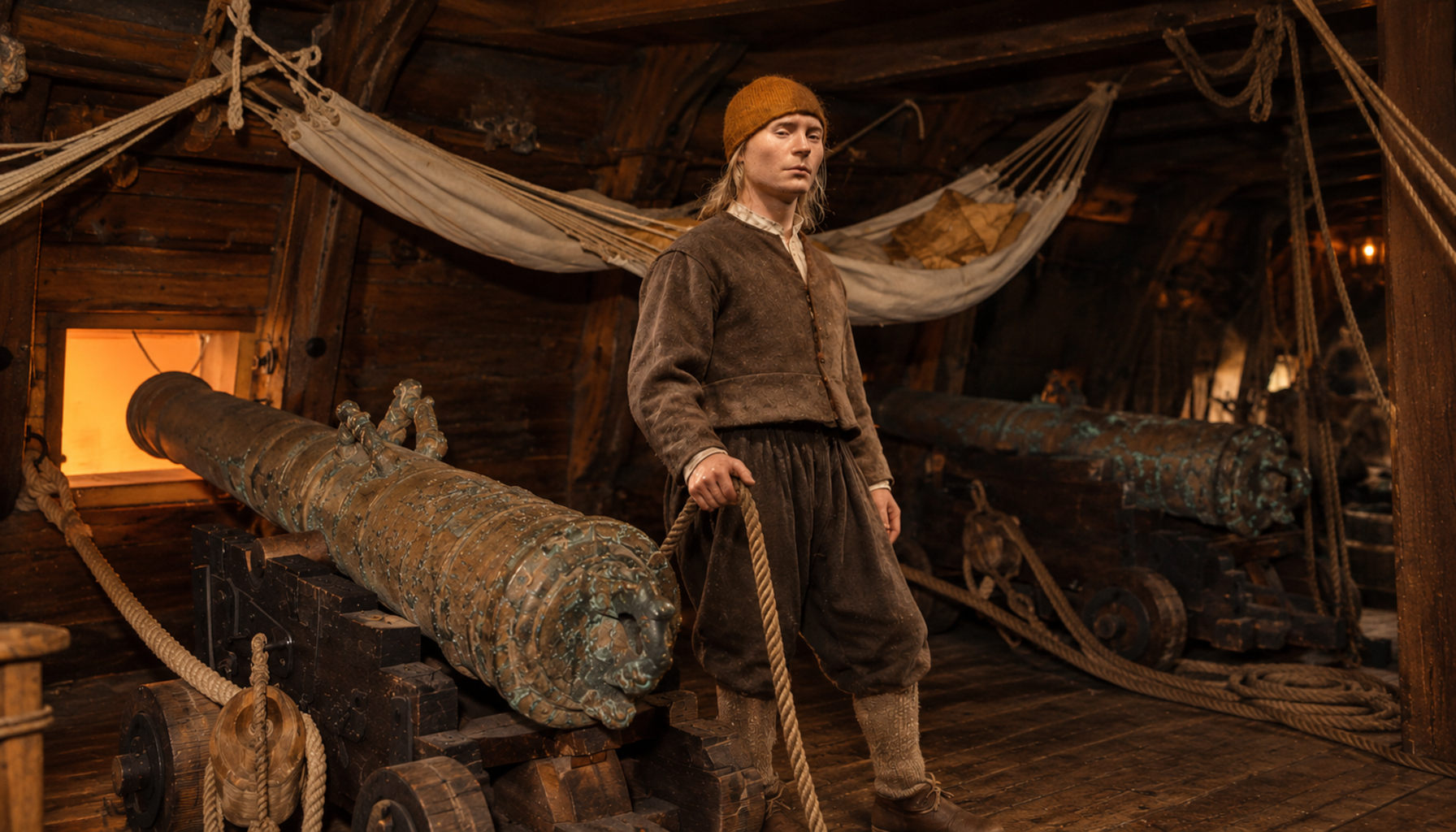
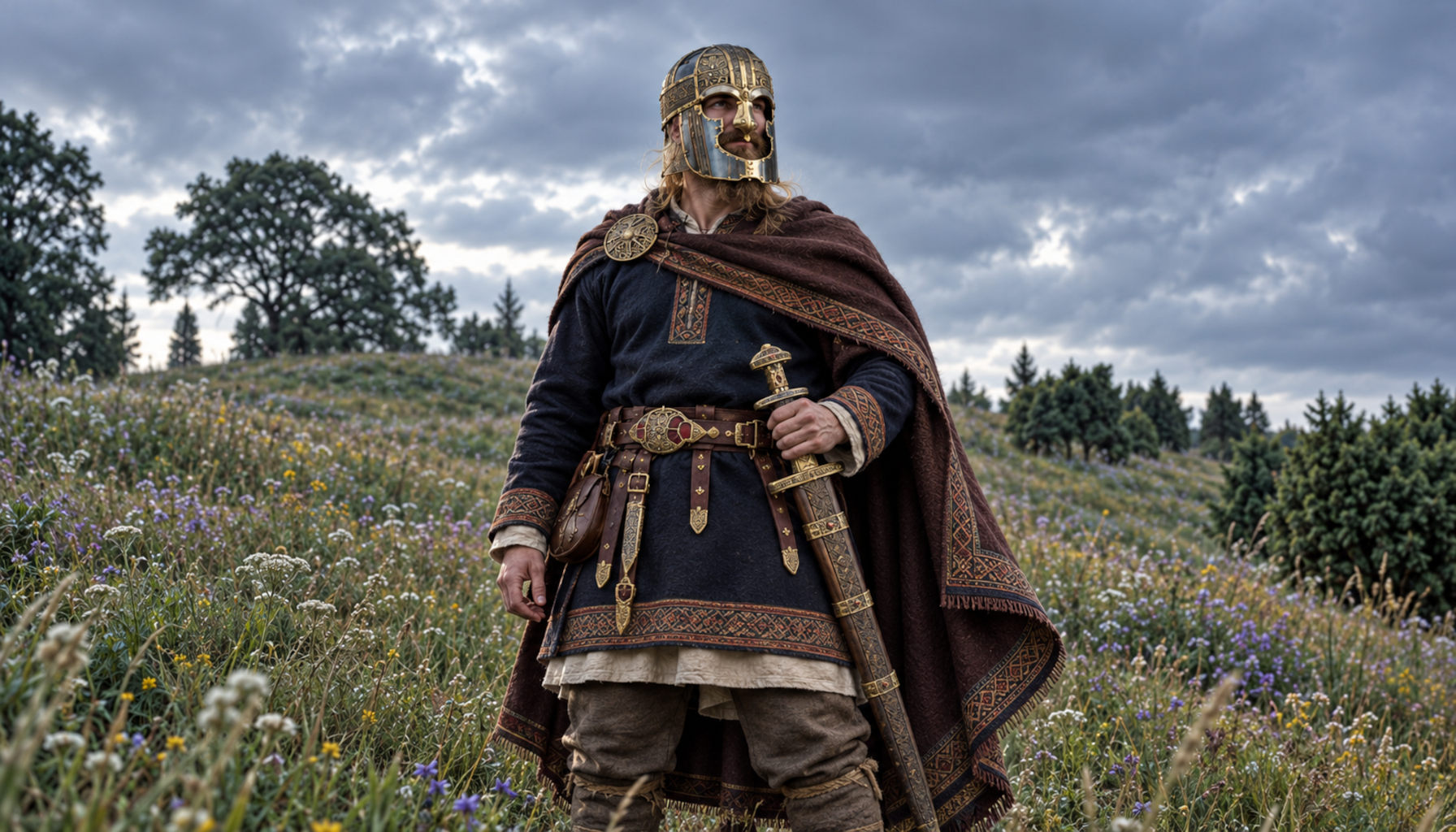
On the ancient-DNA side, the haplogroup tag R1b1a1b1a1a1b1a1a links the Preston story to a wider network of related male-line signatures found across northwestern and northern Europe. These are not claims of direct descent from any one excavated individual, but related or linked examples that help place the family haplogroup in a broader historical landscape. Among them are Merovingian Period Frankish Moemlingen, Germany, sample Mln27; Medieval Vasterhus, Sweden, mbv200; Viking Age Sweden Uppsala Gammelbyn Brstil, gam872; Iron Age Denmark Eastern Sjaelland Varpelev, CGG107411; Iron Age Denmark Eastern Sjaelland Hastrup, CGG107419; Iron Age Denmark Sjaelland Mosede Mose, CGG107489; Danii Tribe Denmark Sjaelland Mosede Fort, CGG107495; Nordic Iron Age Denmark Sjaelland Kalundborg Simonsborg, CGG106728; Danii Tribe Denmark Sjaelland Sanddal, CGG019442; Danii Tribe Sjaelland Engbjerg, CGG019091; Danii Tribe Denmark Allerslev, CGG107387; Pre-Viking Western Norway Langenes Skongeneshelleren, CGG107007; Adogit Tribe Pre-Viking Age Northern Norway Fore Island, CGG107015; Nordic Tribe Scania Sweden Albacksbacken Maglarp, CGG105928; Stora Kronan shipwreck, Battle of Oland, Sweden, kro001; Early Anglo-Saxon Period Hatherdene Close, Cambridgeshire, England, HAD006; Viking Age Orkney Newark for Brothwell, VK204; Iron Age warrior Steigen, Norway, VK418; Viking ship burial Balladoole, Isle of Man, VK170; Viking invader Ridgeway Hill, England, VK259 and VK449; and a Viking Gaelic boat burial in Iceland, VDP-A7. Taken together, those linked samples sketch a deep northern European backdrop for this branch, spanning Iron Age, Anglo-Saxon, Frankish, Norse, and medieval settings that resonate strongly with the historical zones in which surnames like Preston later took root.
If you carry Preston ancestry, or simply want to see how your own family story may connect with ancient populations, upload your DNA to MyTrueAncestry and explore the deeper historical context behind your results.
Comments