Clan Maule
– 2 min read


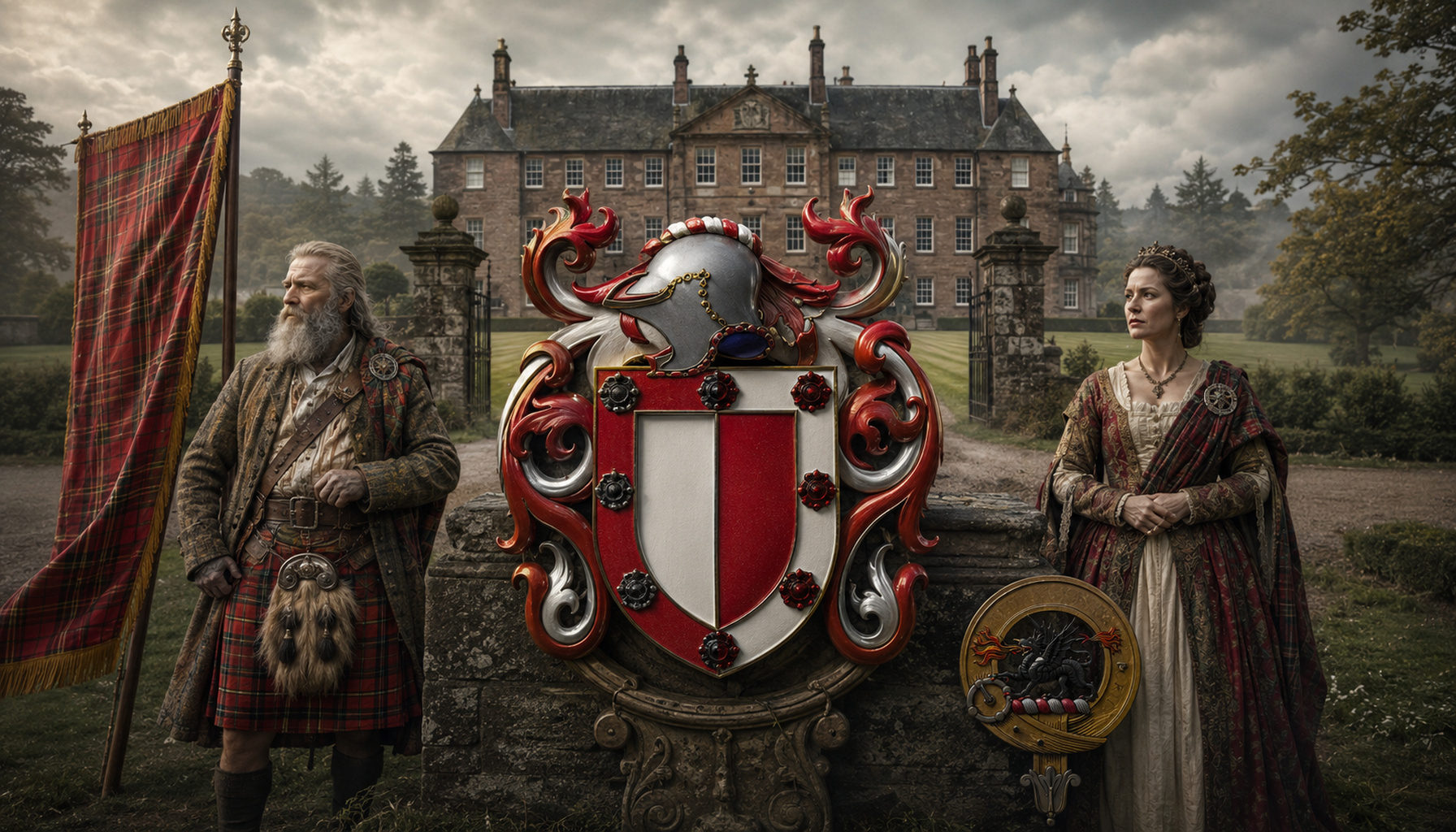
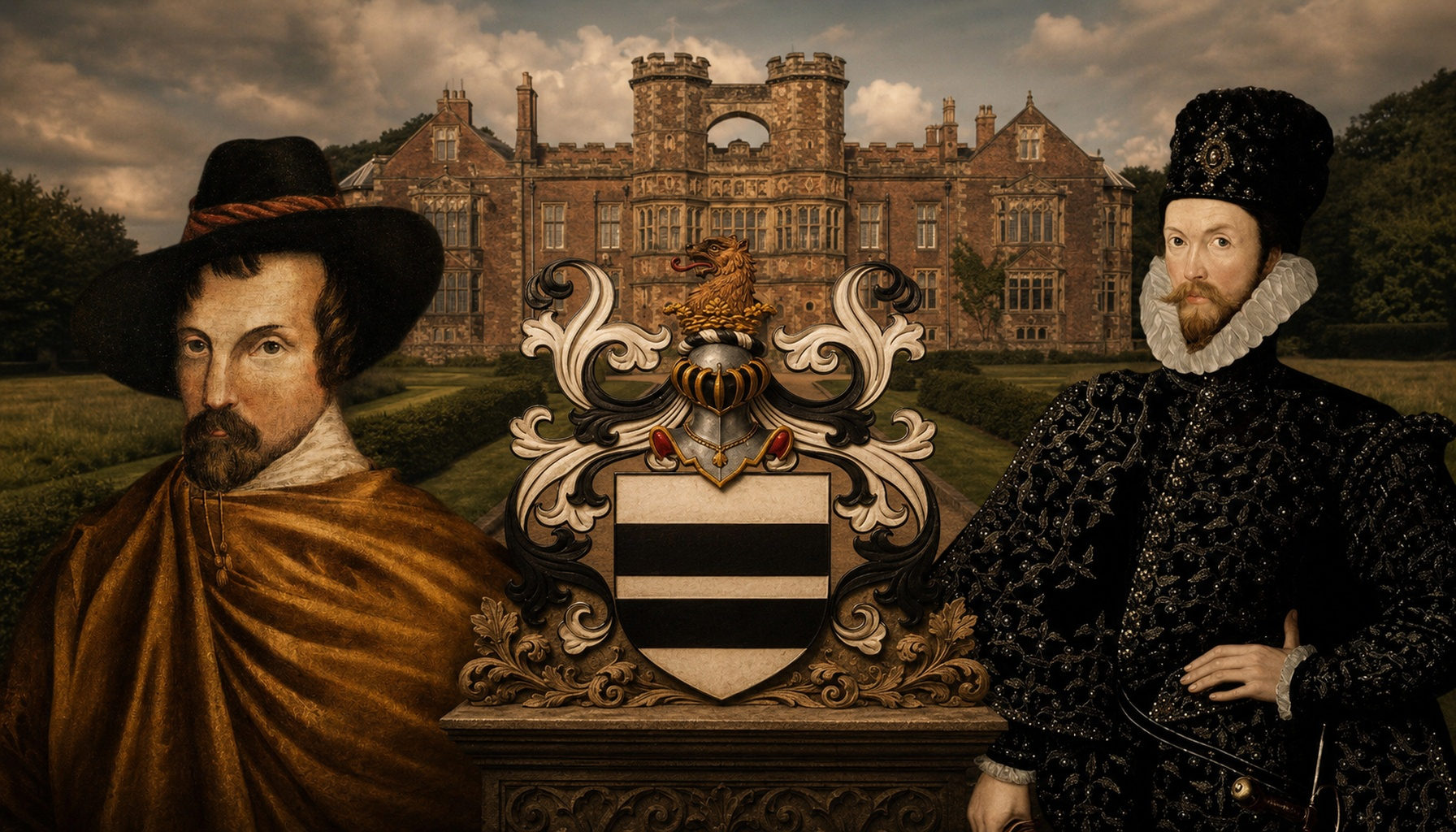
Clan Maule was one of the notable landed noble families of Lowland Scotland, most firmly associated with Angus and with the long social world of estates, public duty, and aristocratic service. Their story is less that of a Highland war-band and more that of a durable Lowland house: rooted in land, expressed through heraldry, strengthened by marriage alliances, and remembered through generations of local authority and national service. In DNA-tag terms, the primary family haplogroup linked here is R1b1a1b1a1a2b1c2b1a2, a branch within the wider R1b line often connected with later western and central European population histories.
The Maule family emerged from the feudal and noble landscape of medieval Scotland, developing its identity through territorial continuity and service to crown and country. Their base in Angus gave them a strong regional anchor, while their noble standing tied them into the broader political life of Scotland. This is the classic Scottish landed-noble pattern: estates passed across generations, offices and responsibilities carried out in public life, and memory preserved through lineage, titles, and property. Named figures help bring that long history into view, including Sir William Maule of Panmure, active in the 14th century, and much later George Maule, 4th Earl of Panmure, whose life reflects the continued prominence of the family into the 18th century.
The great location anchor for Clan Maule is Panmure Castle in Angus, near Monikie, east of Dundee. The castle became the principal seat of the Maule family and stood at the heart of their identity for centuries. The surviving structure largely represents a 17th-century house built around an older tower-house core, showing the way many Scottish noble residences evolved over time from fortified medieval forms into more comfortable aristocratic homes. Panmure was closely associated with the Earls of Panmure and with the wider landed presence of the family in the region. Though altered by time and political change, it remains one of the clearest physical symbols of Maule continuity, authority, and status. It is not generally open as a large full-time public monument in the way some major castles are, but the site and its remains are known and can still be visited or viewed in a limited heritage sense, depending on access and current arrangements.
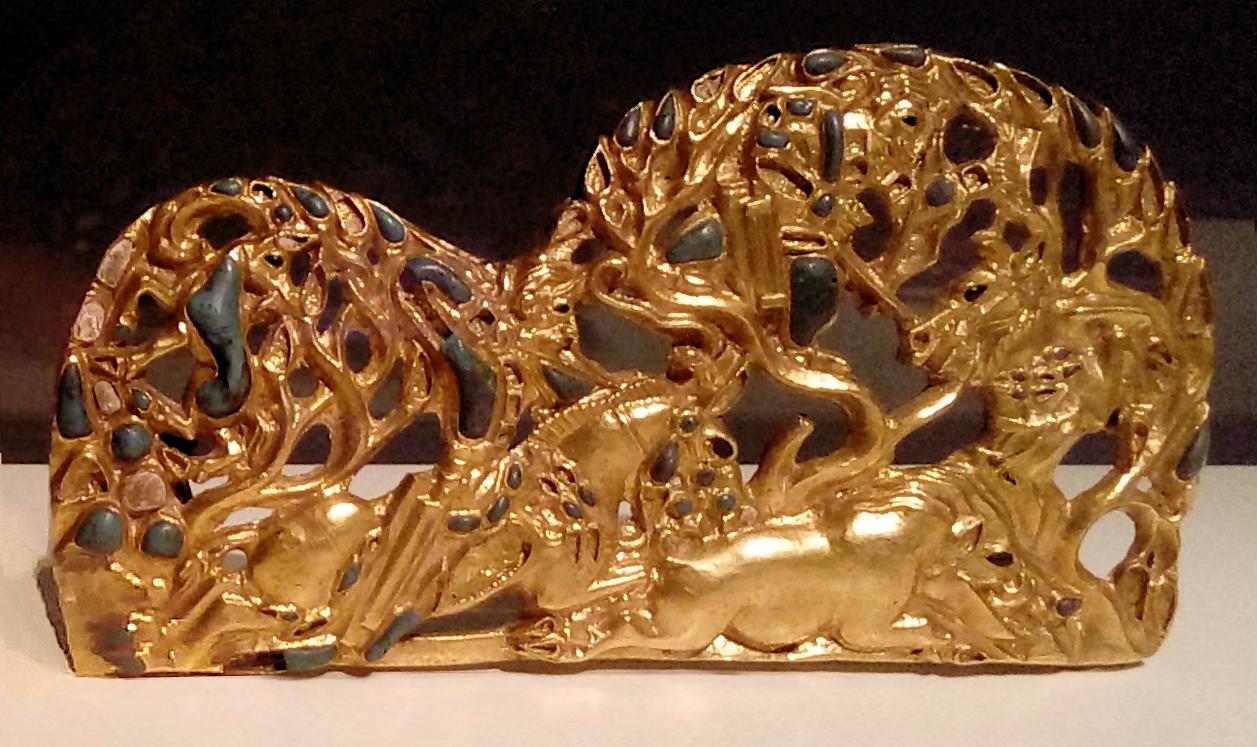
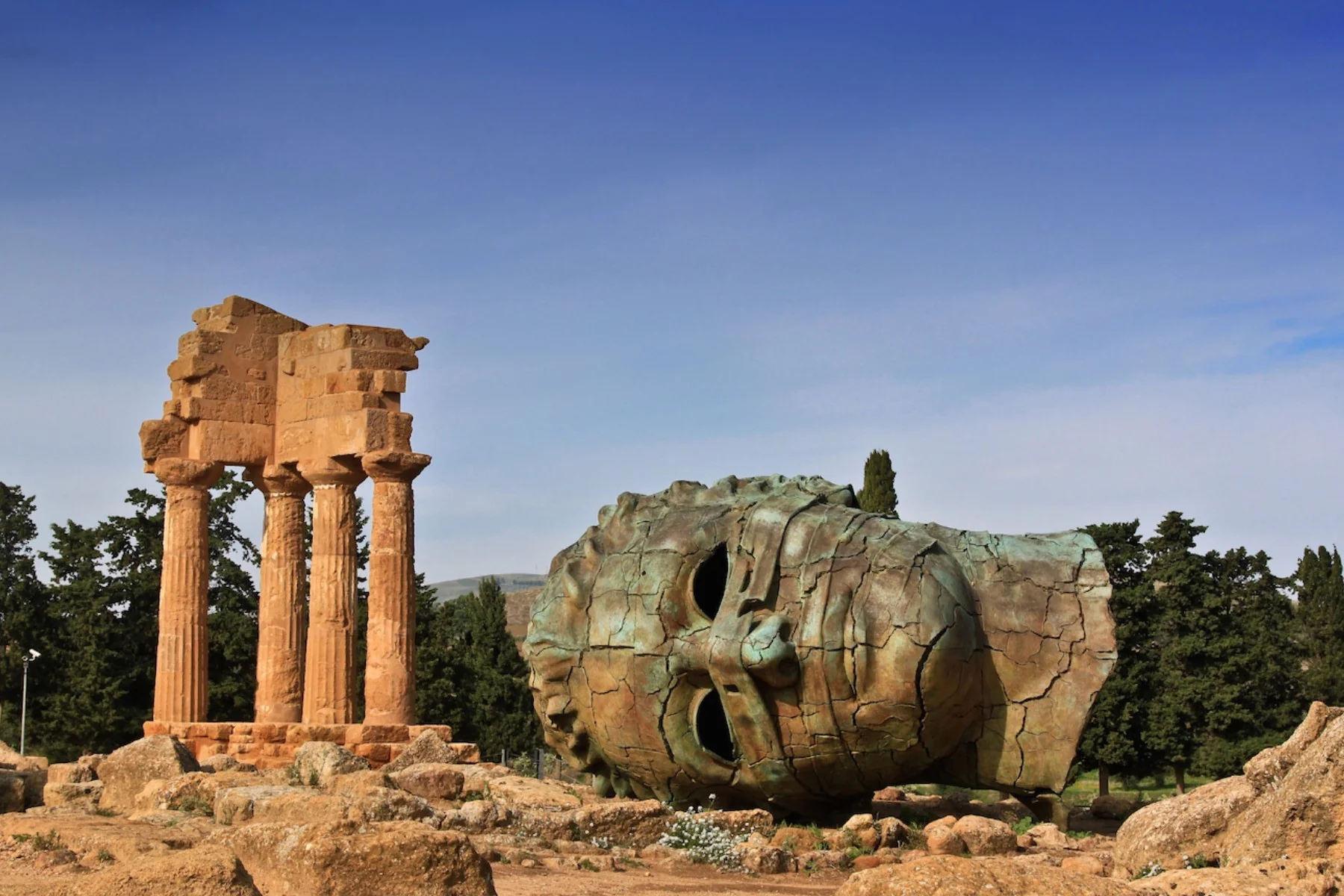
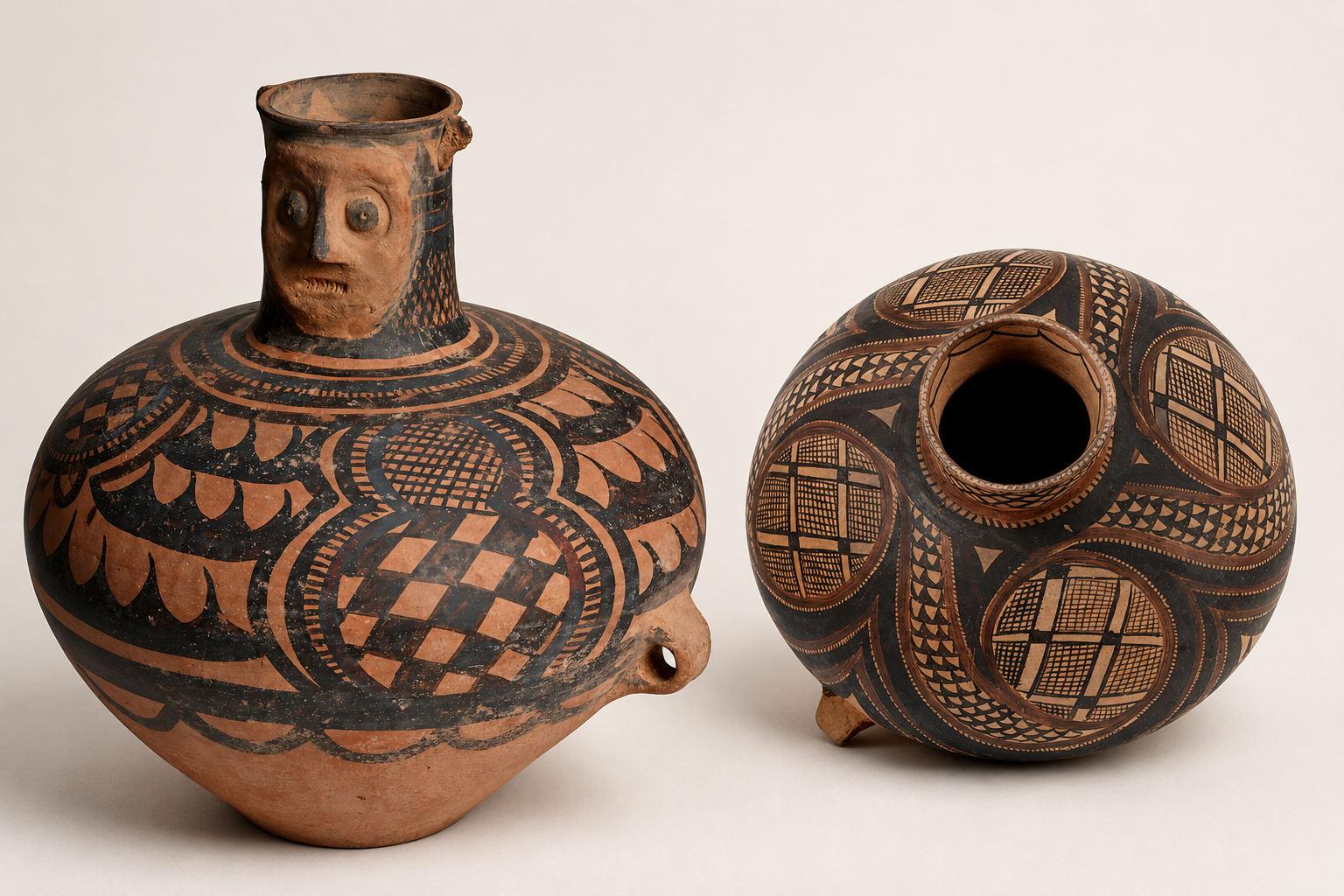
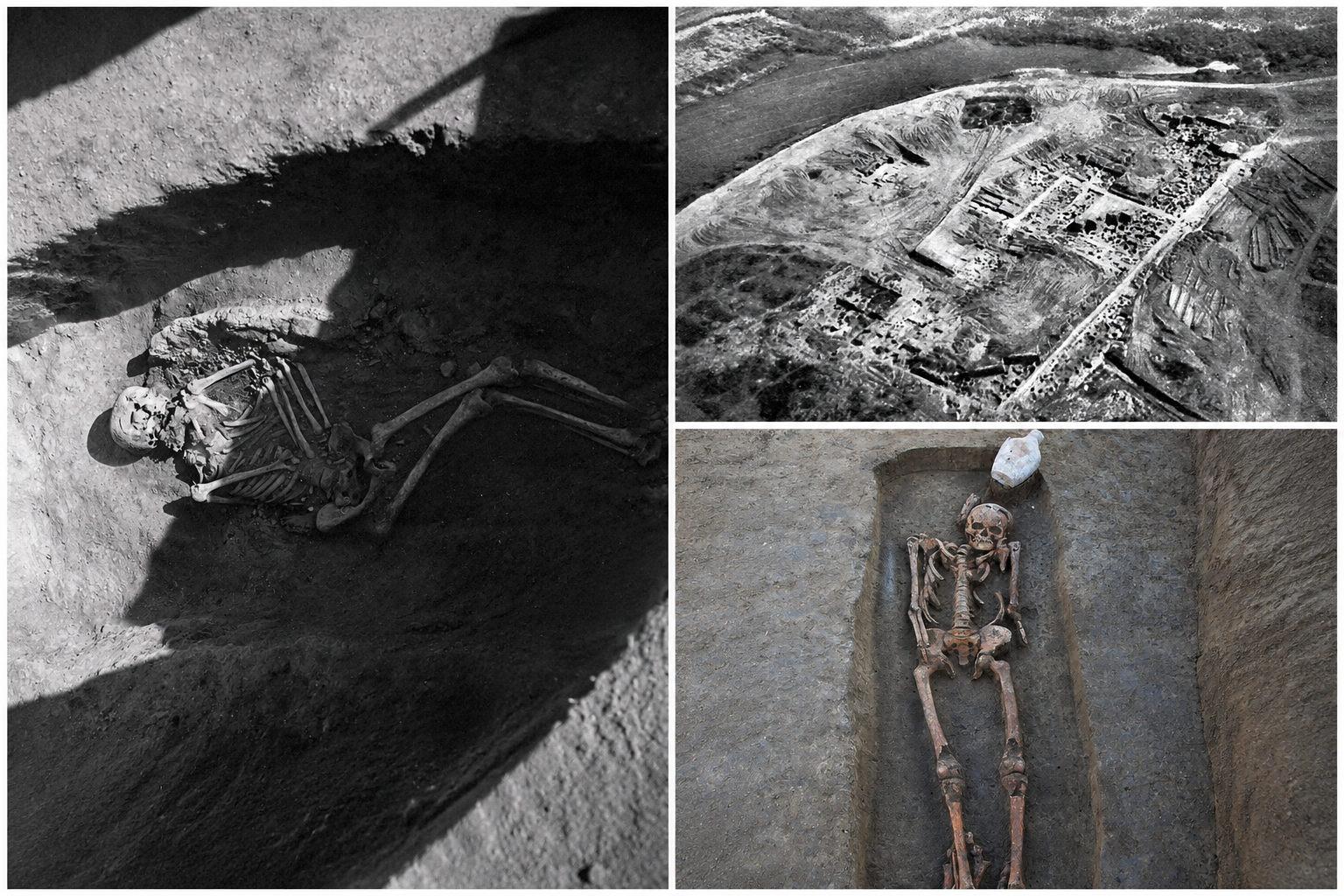
For readers interested in deep ancestry, the haplogroup tag linked here is R1b1a1b1a1a2b1c2b1a2. That does not prove direct descent from any ancient individual, and it should not be used to flatten the real complexity of family history. What it does offer is a wider genetic backdrop through related or linked ancient samples carrying comparable lines. These include Historic St. Mary City Chapel Field Cemetery, Maryland sample I15299, Gallic France Sequani tribe Parancot sample CGG023702, Early Iron Age Slovenia Dolge Njive Hill Fort samples I5685 and I5687, Pre-Illyrian Bronze Age Croatia Bezdanjaca Cave sample I18072, Iron Age hillfort Croatia Kriz Brdovecki in the Sava Valley sample I5725, and Heneti Italic tribe Grottuna dei Covoloni del Broion in Italy sample BRC003. Together, such linked samples sketch a broad European background for this branch of R1b, stretching across Iron Age and earlier populations rather than providing a neat one-line pedigree to the Maule family itself.
If Clan Maule is part of your family story, or if you are curious about how your DNA connects with the deeper population history of Scotland and Europe, upload your DNA to MyTrueAncestry and explore the ancient matches for yourself. It is a lively way to place family memory beside archaeology, genetics, and the long human past.
Comments