Clan Mac Oisdealbhaigh
– 3 min read


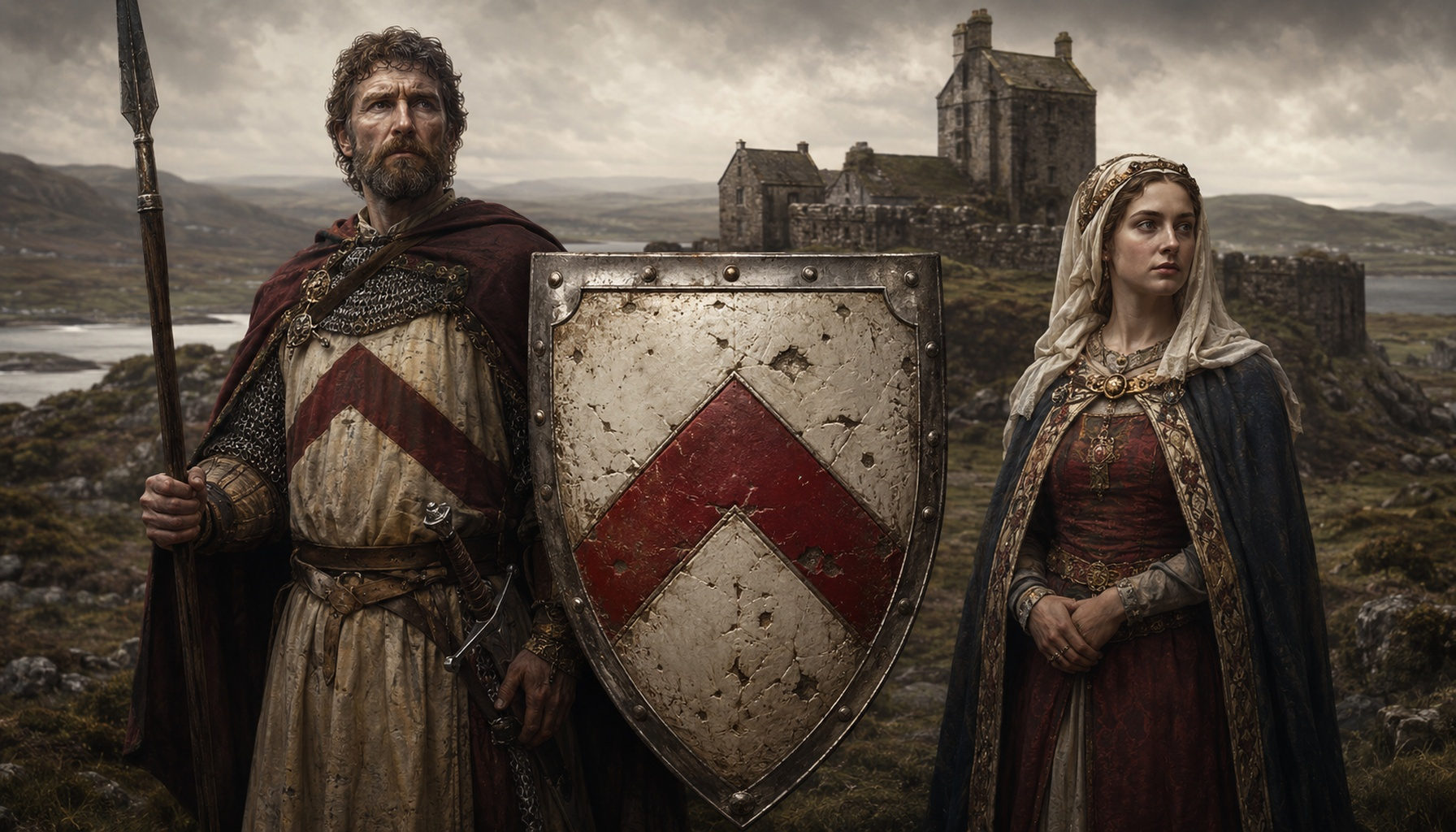
Clan Mac Oisdealbhaigh belongs to the Gaelic Irish world of hereditary families, remembered through descent, place, and the long continuity of surname tradition. The name itself preserves lineage: a family identity carried forward not simply by blood, but by memory, kinship, and the social fabric of Gaelic Ireland. In that sense, Mac Oisdealbhaigh is a very Irish story indeed, rooted in an ancestral name and shaped over centuries by regional belonging, cultural resilience, and adaptation through political and linguistic change. For readers exploring genetic heritage, the primary family haplogroup linked here is R1b1a1b1a1a2c1a4b2a1, within the broad R1b branch so often associated with Atlantic Europe and much of the Gaelic-speaking world.
Historically, the clan represents the classic Irish pattern: a family taking shape around an ancestor, preserving identity through naming, and enduring even as lordships shifted and languages changed. The remembered ancestral figure is Oisdealb, recorded in 1193, whose name stands behind the later surname tradition. That date places the family in a medieval Ireland already dense with local power, kin-based politics, ecclesiastical influence, and contested regional authority. Families like Mac Oisdealbhaigh did not survive by accident. They survived because they kept hold of what mattered: ancestry, solidarity, service, and the cultural habit of remembering who belonged to whom, and where.
A useful location anchor for the story is Castlemore Castle, which helps place the family in the physical landscape of Irish local history. Castlemore Castle is a tower house, the kind of late medieval and early modern stronghold that speaks of local authority, defence, residence, and status all at once. According to the castle record, it survives as a ruined structure but remains identifiable and historically evocative, with the stone shell still carrying that unmistakable sense of a Gaelic and post-Gaelic lordly residence embedded in its countryside. This is exactly the sort of place that makes Irish family history feel real: not an abstract surname on a page, but a family world of landholding, neighbours, obligations, memory, and watchfulness. If you are tracing Mac Oisdealbhaigh heritage, Castlemore offers a vivid reminder that clan identity was always tied to place as much as pedigree. It appears to remain extant as a historic ruin and so can still be visited in reasonable terms, provided normal access conditions and local permissions are respected.
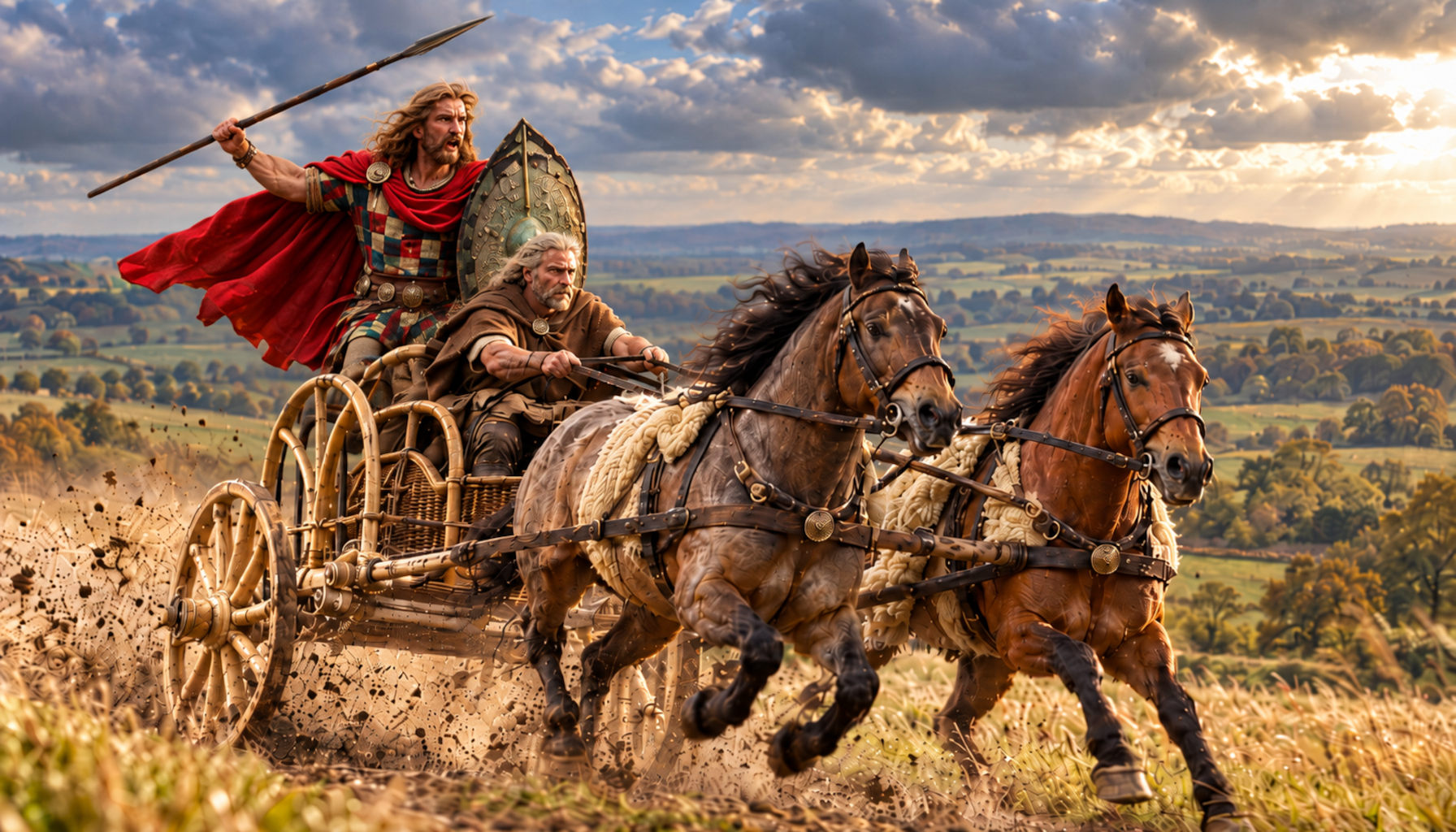
From a DNA perspective, the Mac Oisdealbhaigh haplogroup tag R1b1a1b1a1a2c1a4b2a1 sits within a lineage with a wide prehistoric and historic footprint across western and central Europe. That does not mean direct descent from any specific excavated individual, and it is important not to overclaim. What it does mean is that related or linked ancient samples show the deep time background of the wider paternal line. Among those linked examples are Celtic Durotriges individuals from Duropolis, Winterborne Kingston in England such as WBK12, WBK20, WBK29, WBK41, WBK05, WBK30, WBK43, WBK06, WBK08, WBK18, and WBK191; medieval and later samples such as Cambridge St Johns Hospital ATP_PSN_192, Sint-Truiden Groenmarkt ST2025, Sint-Truiden Onze-Lieve-Vrouwekerk ST1308, Alt-Inden IND013, Klosterneuburg R10656, Conimbriga R10488, and Worth Matravers I11580; and older prehistoric examples including Orkney Links of Noltland KD061, Grotta della Monaca GMO015, Worlebury I11991, Battlesbury Bowl I21309, Trumpington Meadows I3256, Amesbury Down I2417, Upavon I4950, Bedfordshire I7576 and I7577, Boatbridge Quarry I5473, Hinxton HI2, Thames I5377, and the Copper Age Irish sample Rathlin2B. Together these linked finds sketch a broad genetic backdrop for the kind of paternal ancestry later carried by families in the Gaelic world, including those who preserved their identity under names such as Mac Oisdealbhaigh.
If the story of Clan Mac Oisdealbhaigh, Castlemore, and the wider R1b1a1b1a1a2c1a4b2a1 lineage sparks your curiosity, the next step is simple: upload your DNA to MyTrueAncestry and see how your own family may connect to the deeper human past.
Comments