Clan Mac Giolla Bhrighde
– 2 min read


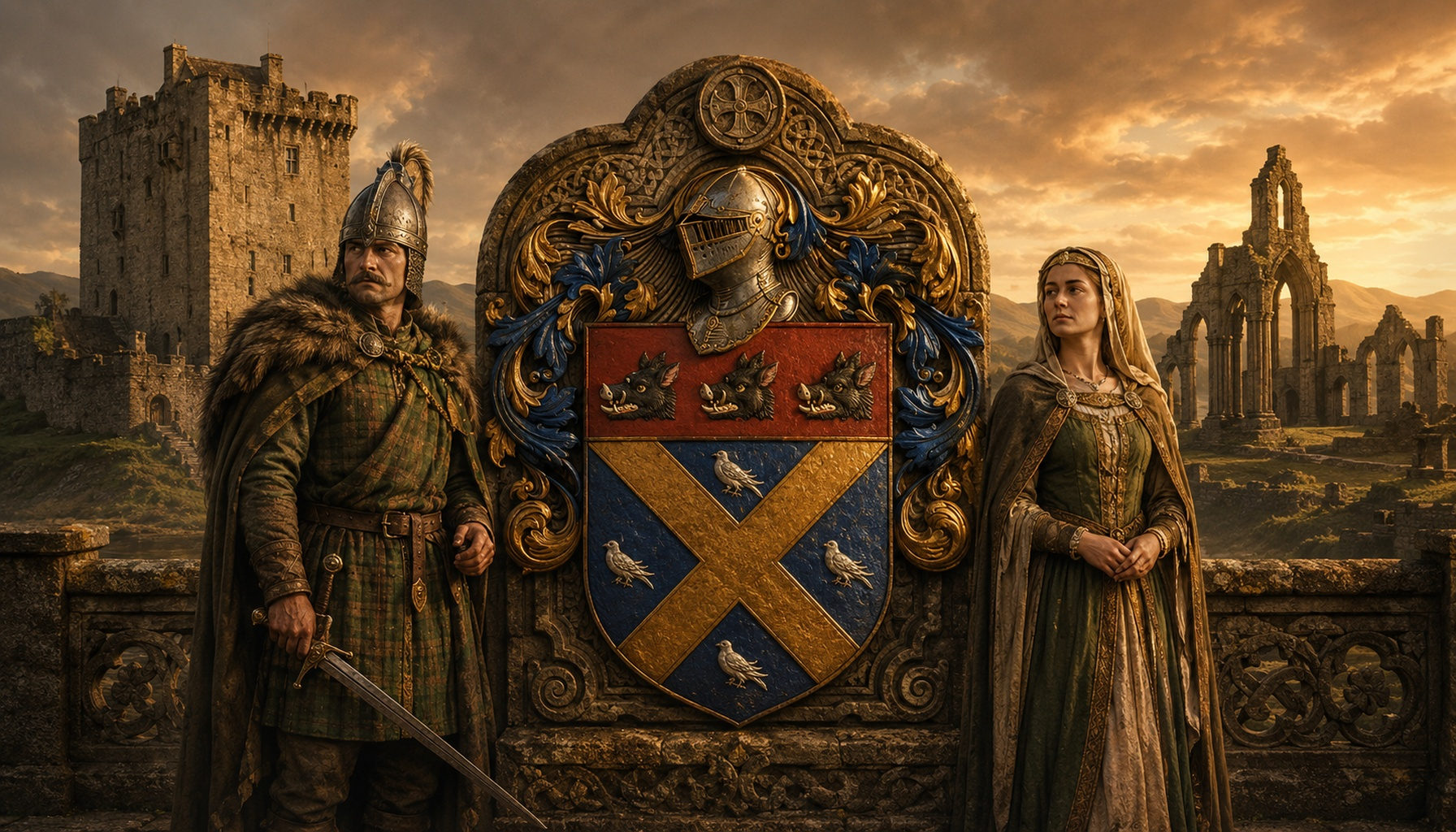
Clan Mac Giolla Bhrighde was a Gaelic family whose name tells you a great deal at once: they were people of kin, place, and devotion. Mac Giolla Bhrighde means "son of the servant or devotee of Brigid", linking the family to the powerful religious world of Saint Brigid while also preserving something older and distinctly Gaelic in the naming tradition itself. This is the classic Christian-Gaelic surname pattern, where faith, language, and inherited identity are braided together. The clan is associated with both Irish and Scottish roots, and in genetic tagging the primary family haplogroup linked here is I1a2a1a1a2a2a.
Historically, families like Mac Giolla Bhrighde belonged to a world in which surnames were not just labels but acts of memory. They could signal devotion, local standing, service, and continuity across generations. The name appears in forms such as MacGilbride and MacBride, especially across the Gaelic-speaking zones of Ireland and western Scotland, where movement across the North Channel was common and often routine rather than dramatic. One named historical figure is John MacGilbride, Bishop of Raphoe in 1440, a reminder that this family name could appear not only in local kin networks but also in the ecclesiastical and political life of late medieval Ireland.
A strong location anchor for this wider Gaelic world is Finlaggan Castle on Islay, the famous seat of the Lords of the Isles. Finlaggan was not simply a castle in the narrow sense, but the center of a lordly island complex on Loch Finlaggan, with council, residence, ceremony, and administration all wrapped together in one striking landscape. This was the kind of place where Gaelic identity was performed and governed: kinship alliances were negotiated, authority was displayed, and families from across the Hebrides and the western seaways were drawn into a shared political orbit. For a family such as Mac Giolla Bhrighde, with roots in the devotional naming culture of Gaelic Ireland and Scotland, Finlaggan helps us picture the historical setting in which surname identity endured alongside migration, church influence, and regional loyalty. The site can still be visited today on Islay, and it remains one of the most evocative places in Scotland for understanding the texture of medieval Gaelic lordship.
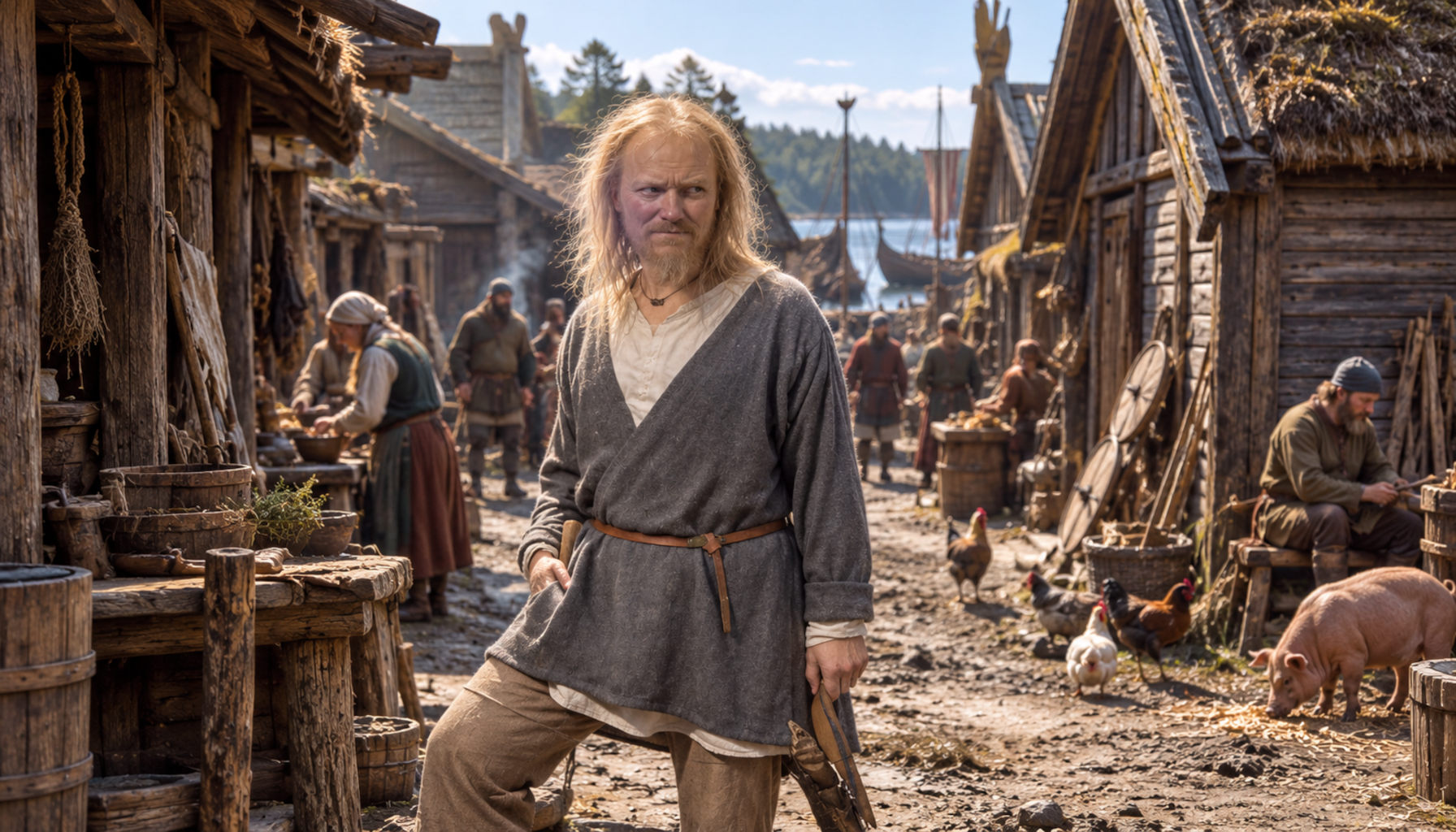
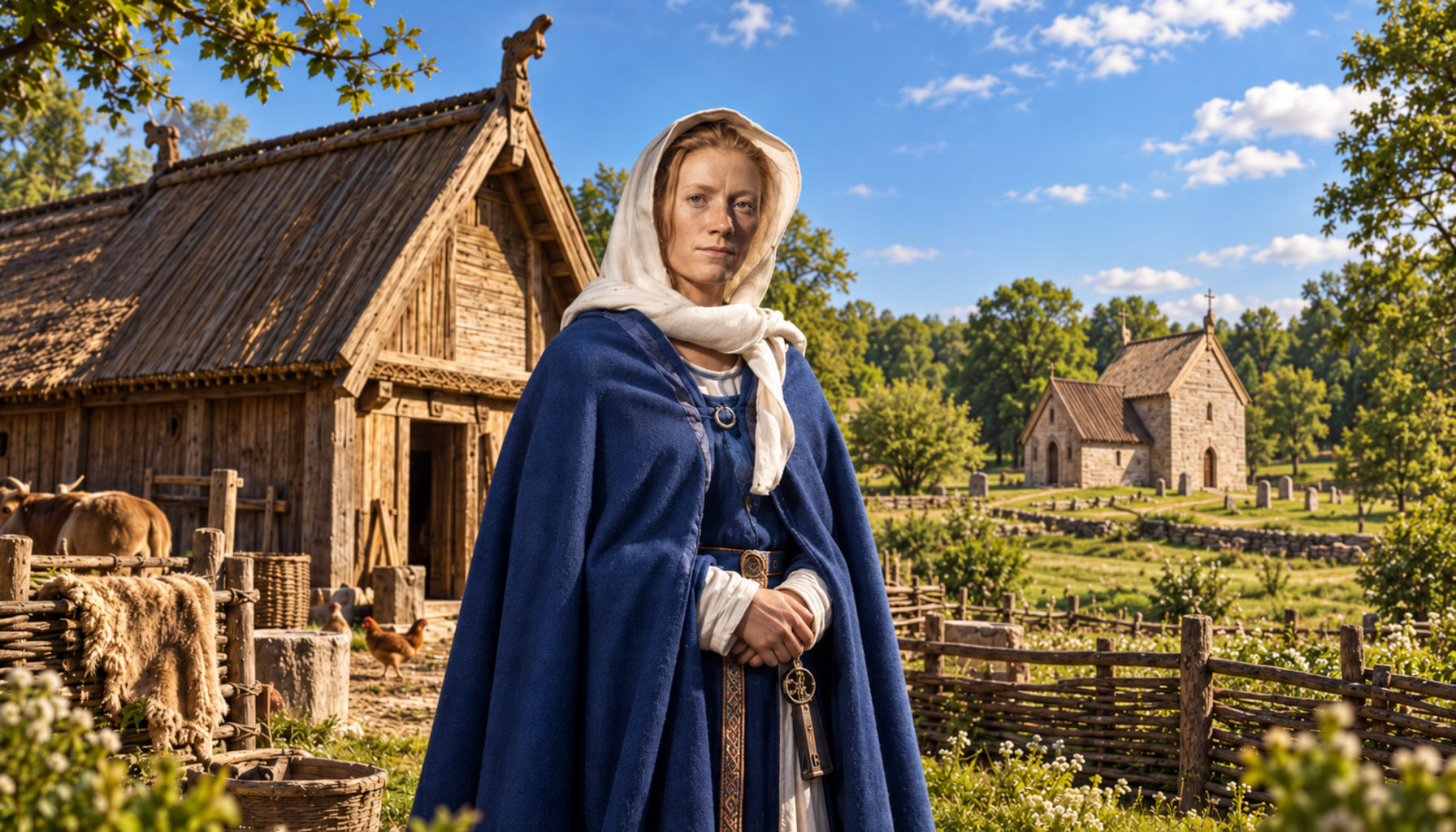
From the DNA side, the haplogroup tag I1a2a1a1a2a2a connects this family profile to a wider network of related ancient samples rather than proving direct descent from any one burial. Linked examples include Migration Period Hungary at Rakoczifalva, sample RKO002; Merovingian Period Frankish Germany at Buettelborn, sample Btb71; Medieval Belgium at Sint-Truiden Groenmarkt, sample ST2819; a Saxon settler context in the Frisii Netherlands at Hogebeintum, sample CGG024694; and Viking Age Denmark at Odense Norrebjerg, sample CGG105541. What these related samples show is that the deeper paternal line attached to this branch had a long northern European history before becoming part of later Gaelic surname-bearing families. In other words, the genetic story reaches far beyond one clan homeland, while the surname story roots that line in the lived world of Gaelic faith, language, and family continuity.
If you carry Mac Giolla Bhrighde, MacGilbride, MacBride, or related family lines, DNA can add another layer to the historical picture. Upload your DNA to MyTrueAncestry to explore ancient matches, haplogroup context, and the deeper migrations that may sit behind your family story.
Comments