Clan Hope

– 3 min read


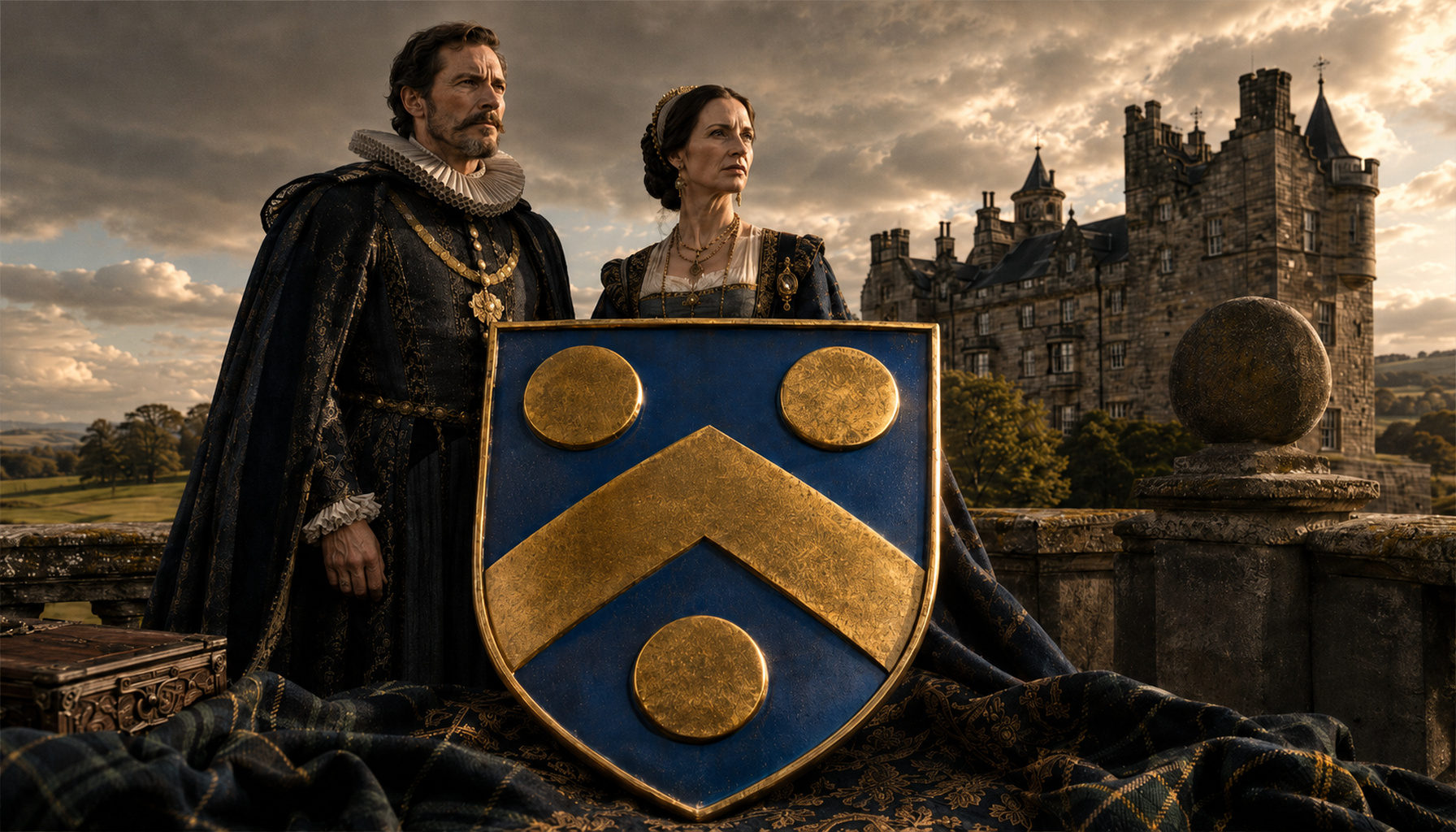
Clan Hope was a Scottish family of the Lowlands, rooted not in the older Highland clan pattern of chiefly warfare and kin-based lordship, but in something equally Scottish and deeply influential: law, learning, office, land, and public duty. The family emerged through professional success and civic reputation, building status through service to the institutions of Scotland and later Britain. Their story is one of advocates, judges, landholders, and statesmen, with family identity preserved through heraldry, estate culture, marriage alliances, and a strong sense of continuity. In DNA-tag terms, the primary family haplogroup linked here is I1a1b1g3b2, placing the lineage within a wider northern European paternal context.
The Hope name is associated above all with the Scottish Lowlands and with the rise of families who gained prominence by education, legal training, financial ability, and public office. This is important historically, because it shows another side of Scotland beyond the romantic image of tartan and glens. The Hopes belong to that world of charters, courts, parliamentary life, and landed estates. Among the best-known figures are Charles Hope, 1st Earl of Hopetoun (1681-1742), who helped establish the family's great standing, and John Hope, 4th Earl of Hopetoun (1765-1823), who continued the family's public and territorial significance. In that sense, Clan Hope represents a classic Lowland pattern: advancement through service, then the transformation of success into enduring estate identity.
The great location anchor for the family is Hopetoun House, near South Queensferry in West Lothian, overlooking the Firth of Forth. Built from the late 17th century onward and expanded in the 18th, it became the principal seat of the Earls of Hopetoun and one of Scotland's finest stately houses. Architecturally it is especially notable because work is associated with Sir William Bruce, with later additions by William Adam, making it a remarkable expression of aristocratic ambition in stone. But what matters historically is not just grandeur. Hopetoun House embodies the Hope family's shift from legal and professional ascent into landed permanence, where political authority, family memory, estate management, and visual prestige all came together. It is not a Highland stronghold in the old martial sense; it is something very Lowland and very modern for its age, a statement of influence built around office, taste, and continuity. It is also a place that can still be visited today, which gives the Hope story a rare physical immediacy: this is not merely a name in records, but a real estate landscape still standing in public view.
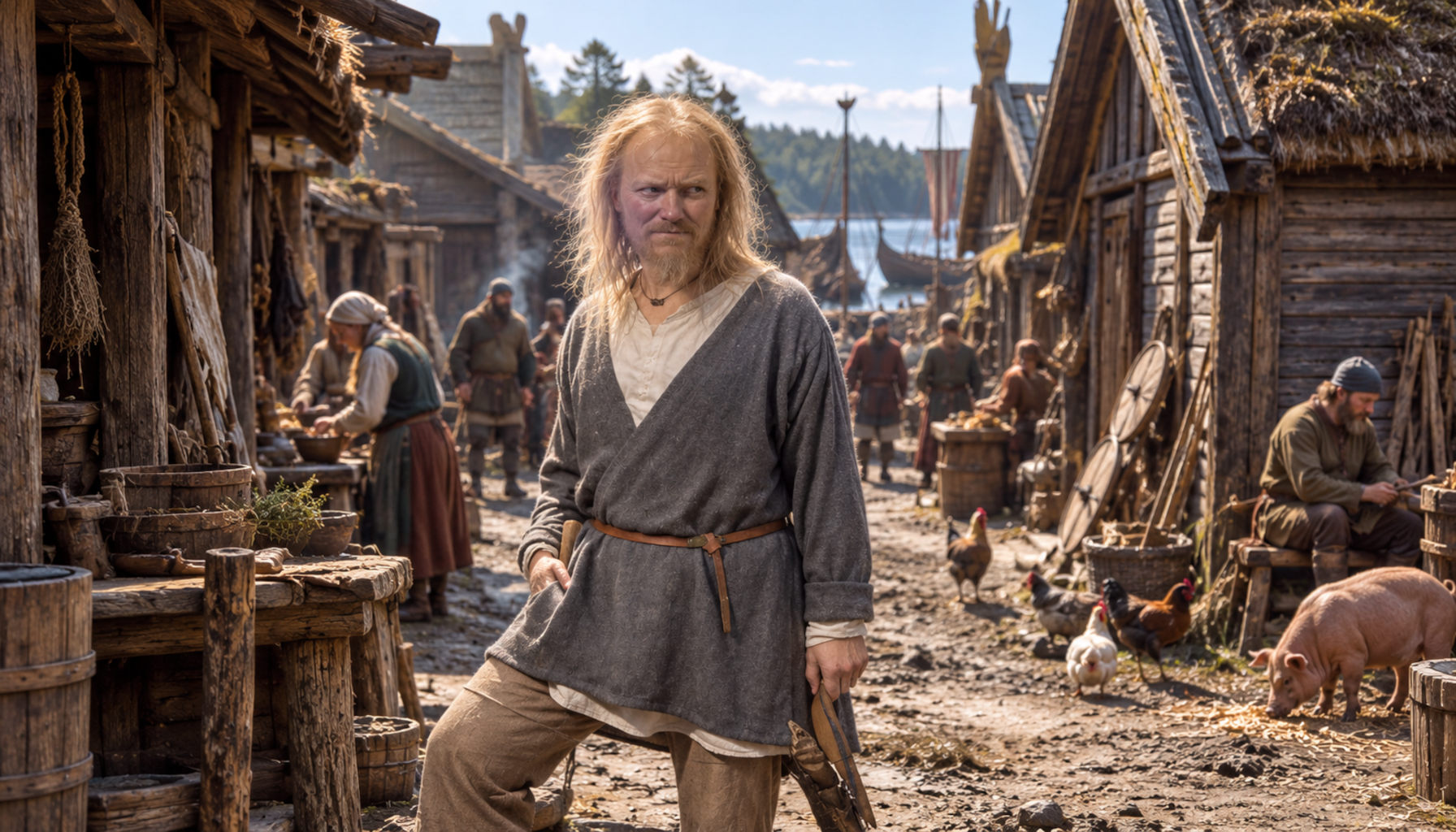
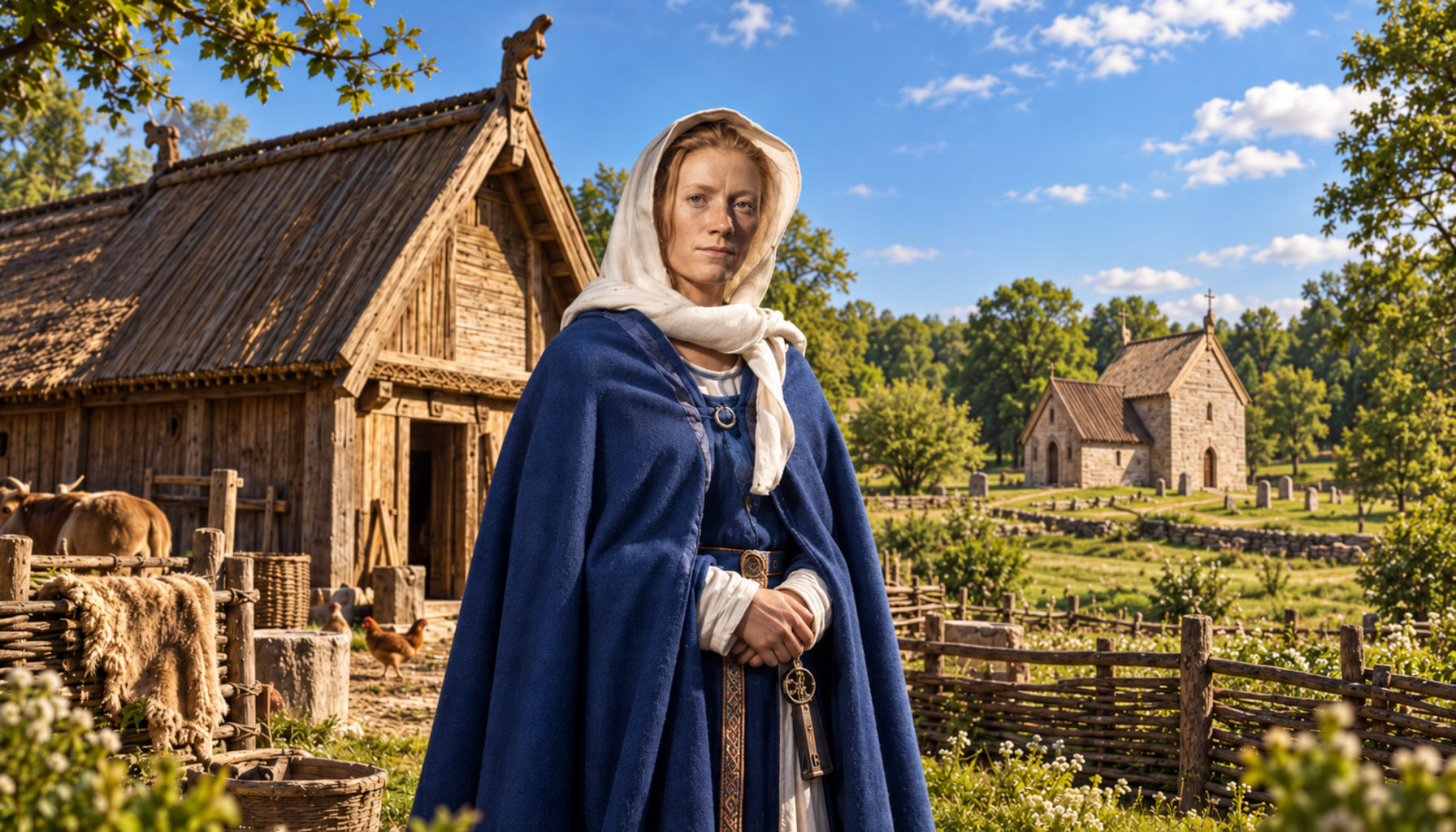
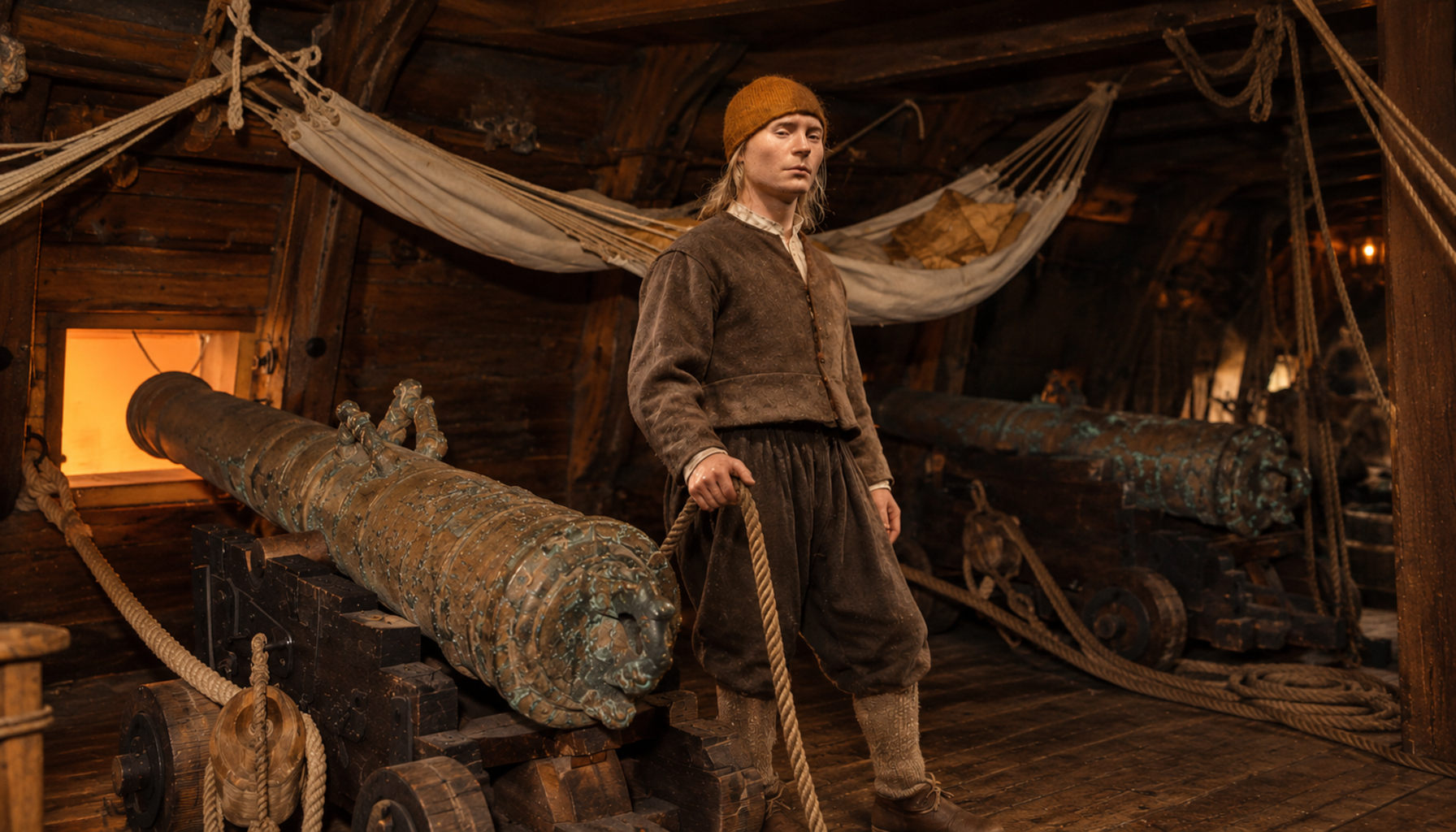
The haplogroup I1a1b1g3b2 links the Hope paternal line, in broad terms, to a wider network of northern and northwestern European ancestry rather than to any single proven ancient individual. We should be careful here: these are related or linked comparisons, not claims of direct descent. Ancient DNA samples associated with nearby branches or relevant I1-linked contexts include Migration Period Hungary at Rakoczifalva (RKF183), Merovingian Bavaria at Altheim in Germany (Alh_141), the Gothic-associated Wielbark cultural horizon in Poland at Maslomecz (PL076), and early medieval Britain in Cornwall at Widemouth Bay from the Kingdom of Dumnonia (I16383) and in Buckinghamshire from the Kingdom of Mercia at Wolverton (I16509). Other linked examples come from the Danii sphere in Denmark at Northwest Sjaelland Asnaes (CGG107443), Iron Age Netherlands at Valkenburg Marktveld (CGG107762), Neolithic Sweden at Albacksbacken Maglarp (CGG105926), Dark Ages Italy at Torino Lavazza (To_Lav_T2US16), post-Roman Pannonia in Hungary at Balatonszemes (Bal_111, Bal_111m, Bal_111x), Viking Age Sweden at Uppland Alsike (als007), the Stora Kronan shipwreck from the Battle of Oland in Sweden (kro016), Saxon Lower Saxony at Dunum (DUN005), Viking Age Funen in Denmark at Rantzausminde Grav (VK315), and Vendel Age Saaremaa at Salme I (VK507). Taken together, these linked samples sketch a long northern European background for this haplogroup cluster, one that fits well with the broader ancestral world from which many Lowland Scottish lineages ultimately emerged.
If the history of Clan Hope speaks to your own family story, DNA can add another layer to the archive. Upload your DNA to MyTrueAncestry to explore ancient samples, historical populations, and haplogroup connections that may help place your family within the wider human past.
Comments