Clan Gray
– 3 min read


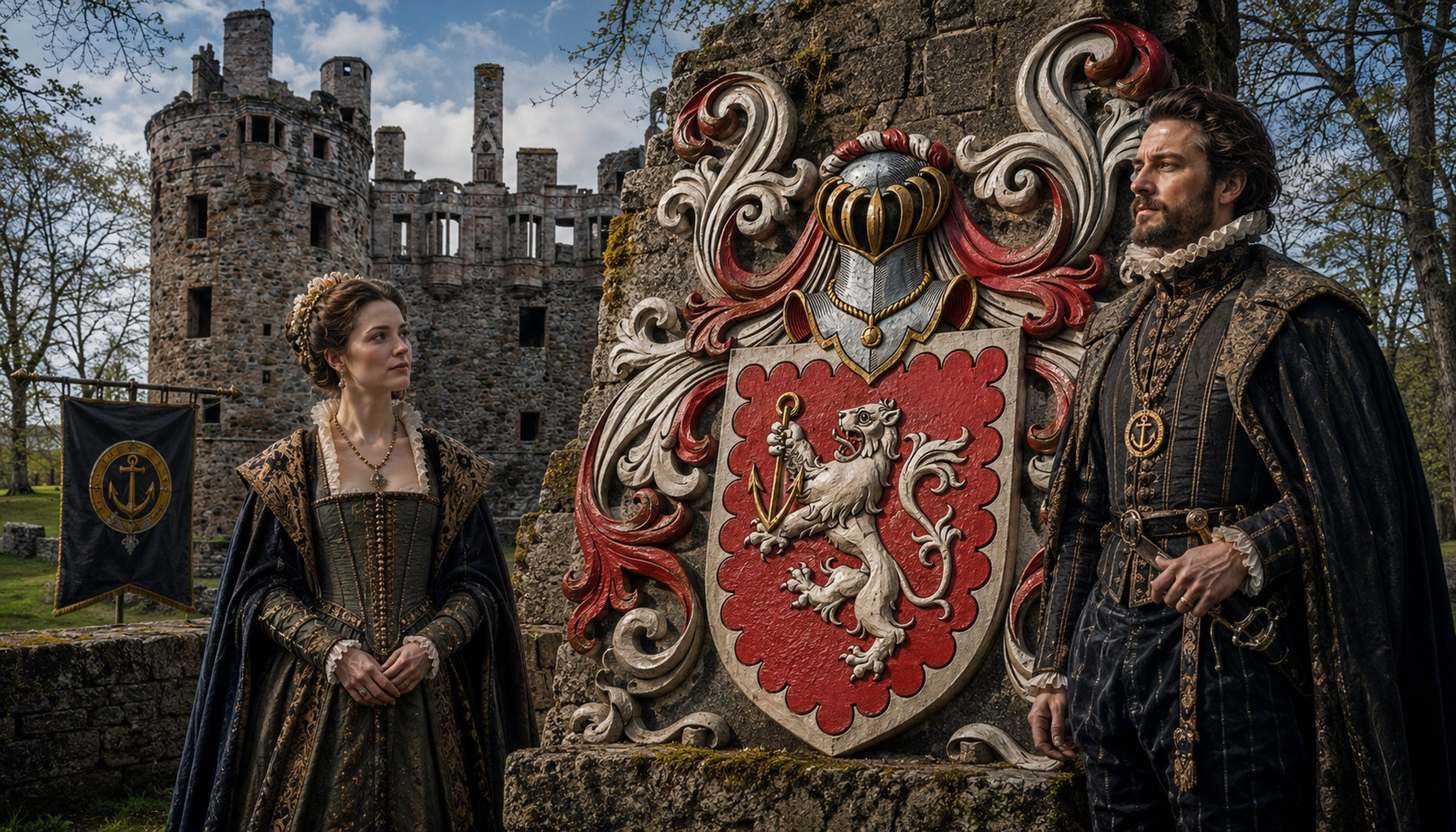
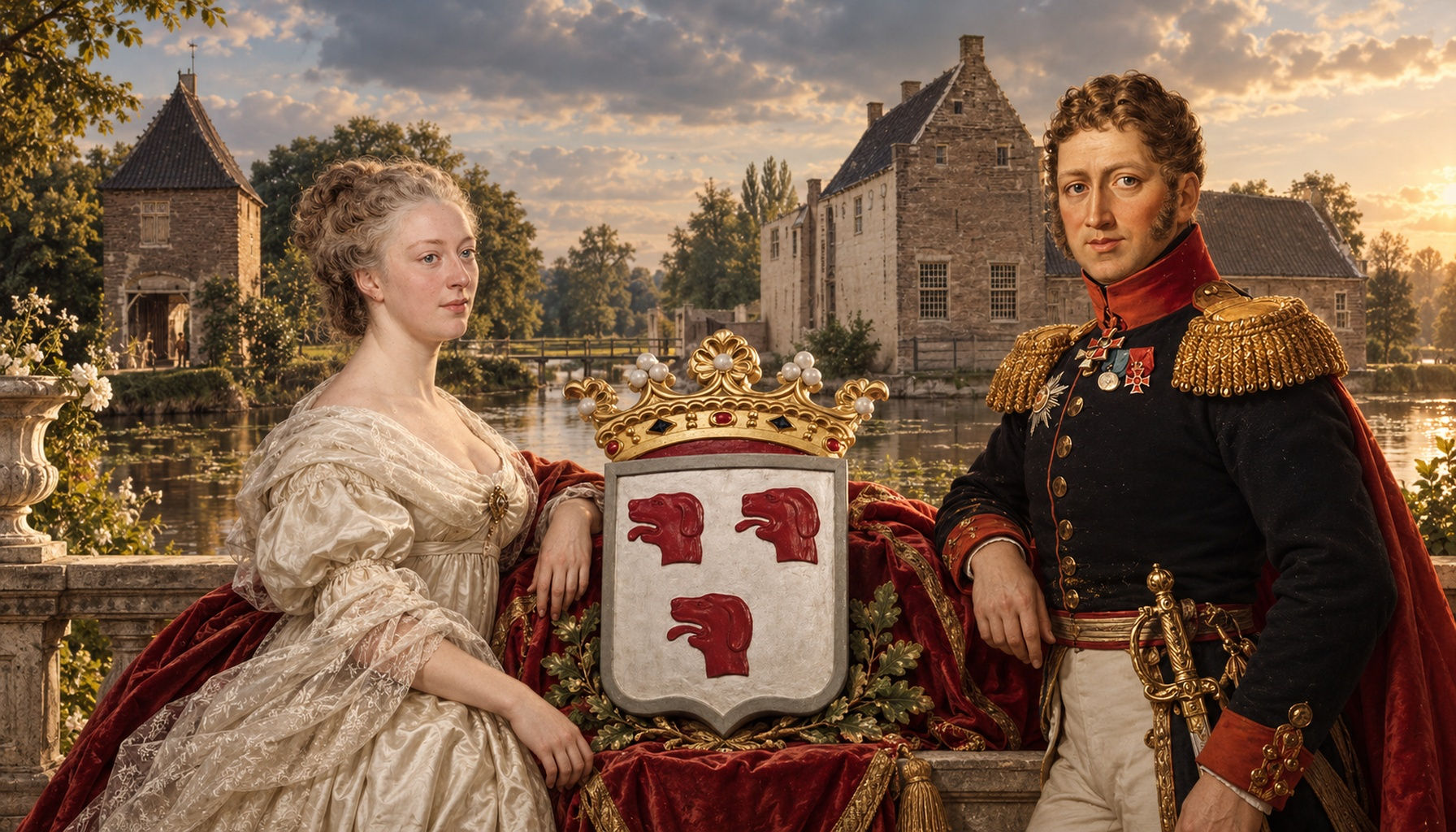
Clan Gray was a Scottish noble family rooted above all in Perthshire and the wider Lowland world, a house shaped by landholding, royal service, marriage alliances, military or civic duty, and steady participation in the public life of Scotland. In that sense the Grays fit a classic Scottish landed-noble pattern: territorial roots, aristocratic status, heraldic identity, regional authority, and a strong sense of family continuity carried across generations. Their primary family haplogroup in this profile is R1b1a1b1a1a2c1a1f1a, a lineage tag that places the Gray story within a much longer human journey across Britain and Europe.
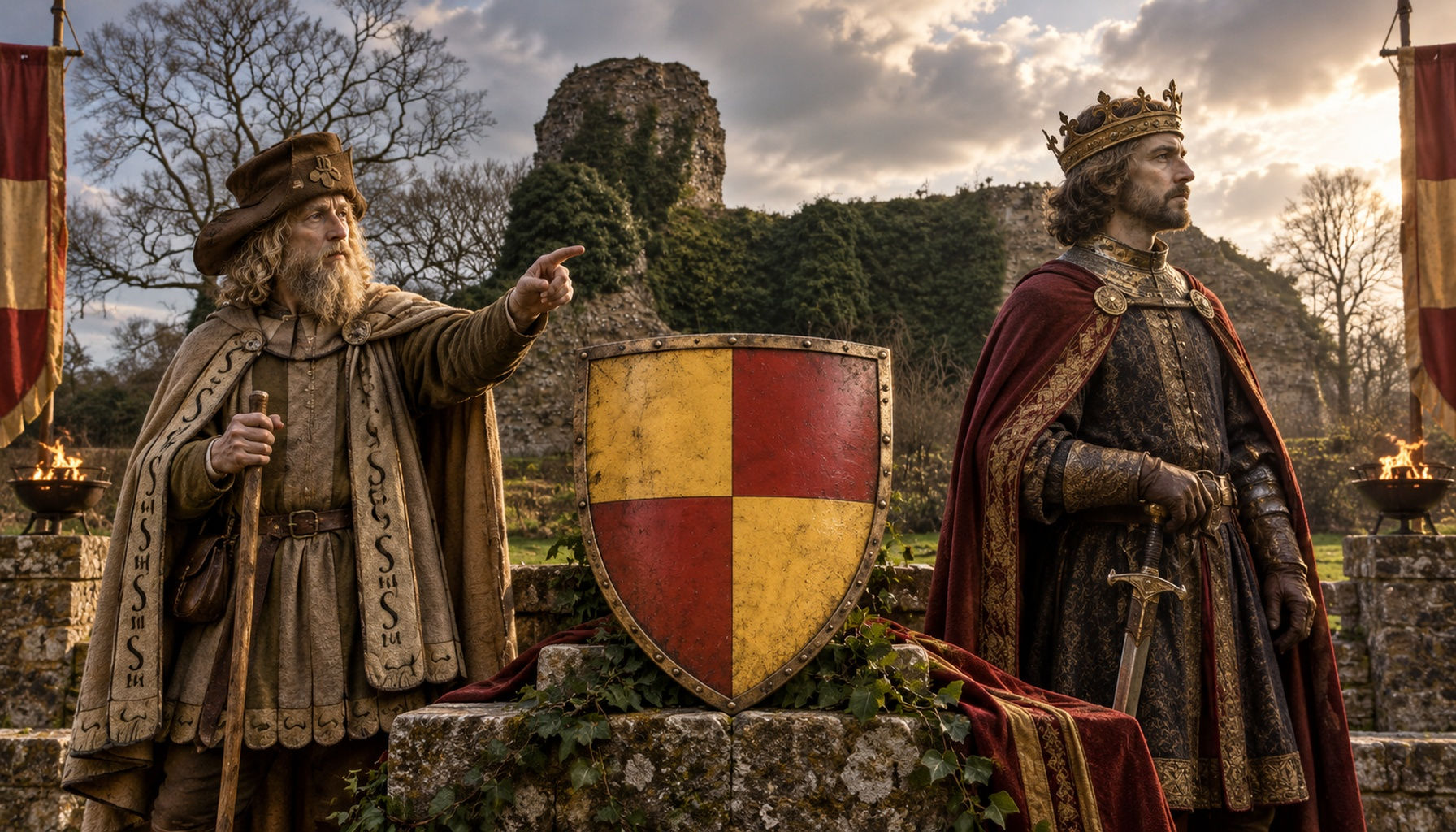
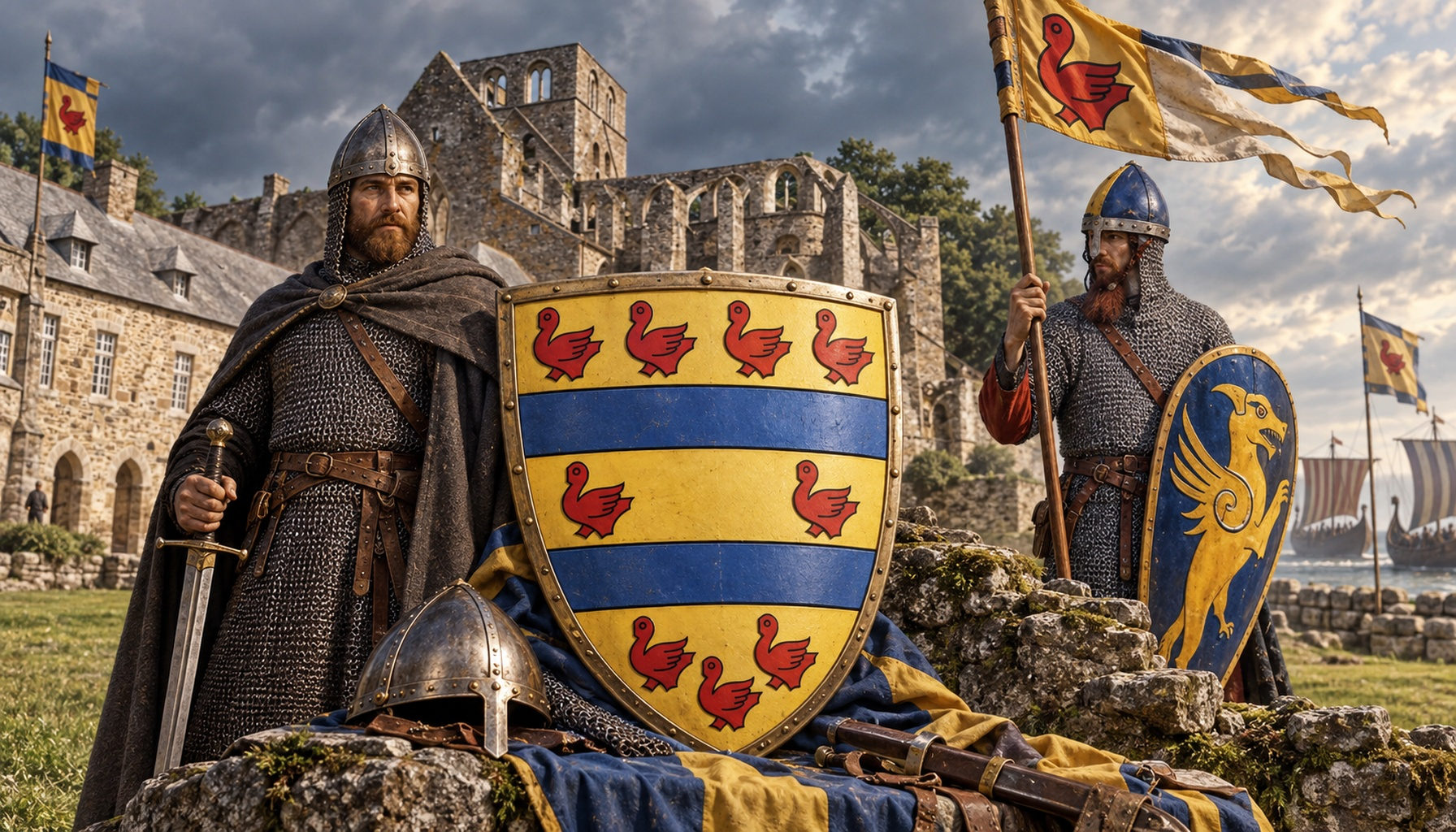
The surname itself is usually linked to Anglo-Norman and Old French roots, and the family emerges in the historic context that followed the Norman expansion into Britain. A figure often cited in early family tradition is Fulbert de Gray, associated with 1066, placing the name in that great turning point when conquest, lordship, and service to rulers reshaped elite families on both sides of the border. In Scotland, the Grays grew not simply by bearing a noble name, but by doing what noble families had to do: holding estates, serving the crown, building influence through office and loyalty, and embedding themselves in the political fabric of the realm. Over time, Gray heritage came to include titles, heraldry, and a reputation for public duty that sat squarely within Lowland Scottish history.
One important location anchor for Gray heritage is Huntly Castle, a site deeply tied to the aristocratic landscape of Scotland. Huntly Castle stands in Aberdeenshire, strategically placed near the meeting of the rivers Deveron and Bogie, and although it is more famously associated with the Gordons, it helps illustrate the kind of fortified noble environment in which families such as the Grays operated: castles that were not merely residences, but statements of authority, lineage, hospitality, and political presence. The site developed from an earlier motte-and-bailey stronghold into a substantial medieval and Renaissance castle, with impressive stone architecture, ceremonial spaces, and the marks of changing noble taste over centuries. It also saw moments of conflict, rebuilding, and royal attention, which is exactly what one expects from a major Scottish noble seat. Yes, it can still be visited today, and it remains a vivid place for understanding how Scotland's landed families projected power in stone, ceremony, and landscape.
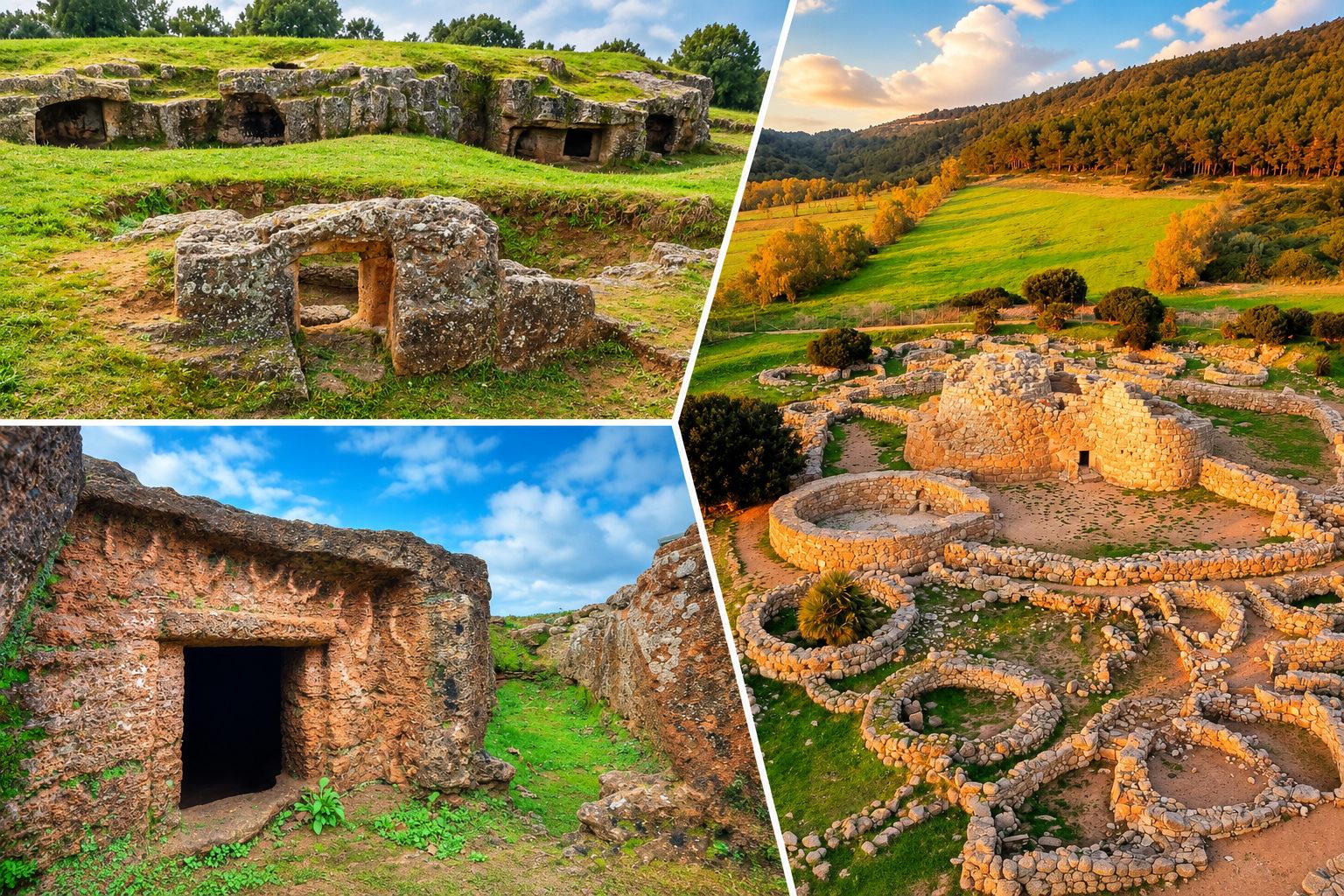
The haplogroup tag R1b1a1b1a1a2c1a1f1a links the Gray profile to a broad network of related ancient-DNA finds across Britain and Europe. These are not proof of direct descent from Clan Gray, and they should be understood as related or linked lineages rather than named ancestors. Even so, they offer a fascinating backdrop. Related samples include Celtic Durotriges individuals from Duropolis at Winterborne Kingston in England such as WBK12, WBK20, WBK29, WBK41, WBK05, WBK30, WBK43, WBK06, WBK08, WBK18, and WBK191; Celtic Briton Oxfordshire Yarnton England I21182; Iron Age Worlebury Somerset England I11991; Iron Age Hillfort Battlesbury Bowl England I21309; Bronze Age Trumpington Meadows Cambridge England I3256; Bronze Age Amesbury Down Wiltshire England I2417; Bell Beaker Wiltshire Upavon England I4950; Bronze Age Bedfordshire England I7576 and I7577; Bronze Age Boatbridge Quarry South Lanarkshire Scotland I5473; Celt Hinxton Iron Age HI2; Early Bronze Age England Thames I5377; and Ireland Copper Age Rathlin2B. Beyond Britain, linked samples include Imperial Roman Era Zadar Croatia I26776, Bronze Age Orkney Westray Links of Noltland KD061, Bronze Age Calabria Cosenza Grotta della Monaca Sant Agata di Esaro GMO015, Early Medieval Belgium Sint-Truiden Groenmarkt ST2025, Medieval Belgium Outsider Sint-Truiden Onze-Lieve-Vrouwekerk ST1308, Gallic France Parancot CGG023699, Post Roman Era Worth Matravers Dorset England I11580, Merovingian Grave Alt-Inden Germany IND013, Late Roman Era Klosterneuburg Lower Austria R10656, Late Roman Conimbriga Portugal R10488, Medieval Age Faroe Islands Sandoy Church VK242, and Viking Age Warrior Oppland Norway VK386. Taken together, these linked samples suggest a deep western European lineage history behind the later Lowland Scottish Gray story.
If you carry Gray heritage, or simply want to see how your DNA may connect with the deeper populations behind families like Clan Gray, upload your DNA to MyTrueAncestry and explore the ancient world behind your family story.
Comments