Clan Ged
– 3 min read



The Ged family belongs to that recognisably Scottish world of surname, place, and long memory: a Lowland lineage shaped less by vast Highland-style lordship than by rootedness, service, local standing, and the steady continuity of the family name across generations. In that sense, Ged is a very Scottish kind of heritage story. It sits within the broader pattern of smaller Scottish families whose identity was carried through landholding, occupation, parish life, civic participation, and ties with neighbouring kindreds. In genetic tagging terms, the primary family haplogroup linked here is R1b1a1b1a1a2c1a1i3b, placing the family within one of the great western European paternal lineages that appears in Britain across deep time and many historical settings.
As a family name, Ged is best understood through its local and historical context in eastern and Lowland Scotland, where surname tradition, heraldic association, and community memory mattered enormously. Rather than imagining a single dramatic founder, it is more realistic, and more interesting, to see the family as part of the fabric of medieval and early modern Scotland. Records such as Laurence Ged in 1304 and William Geddes in 1558 show the name appearing across the centuries in forms that reflect the fluid spelling habits of the time while still preserving a recognisable family identity. That is often how Scottish surname history works: not a single grand beginning, but a durable thread of name, place, and kinship surviving through changing political and social worlds.
A strong location anchor for understanding the Ged heritage is Dunfermline Abbey in Fife, one of the most important ecclesiastical and royal sites in Scottish history. Founded as a priory in the 11th century by Queen Margaret and developed under King David I into a Benedictine abbey, Dunfermline became a major religious centre and, crucially, a royal mausoleum. Several Scottish kings were buried there, including Robert the Bruce, which gives the place an extraordinary symbolic weight in the story of medieval Scotland. Architecturally, it preserves elements of the great Romanesque church alongside later rebuilding, and its long life charts the shift from medieval monastery to post-Reformation parish kirk. For families of the eastern Lowlands, places like Dunfermline Abbey were not distant monuments but anchors of worship, record-keeping, patronage, and memory. It is exactly the kind of site around which surname traditions such as Ged could be rooted and remembered. And yes, it can still be visited today, making it a very tangible stop for anyone exploring the historical landscape connected with this family tradition.
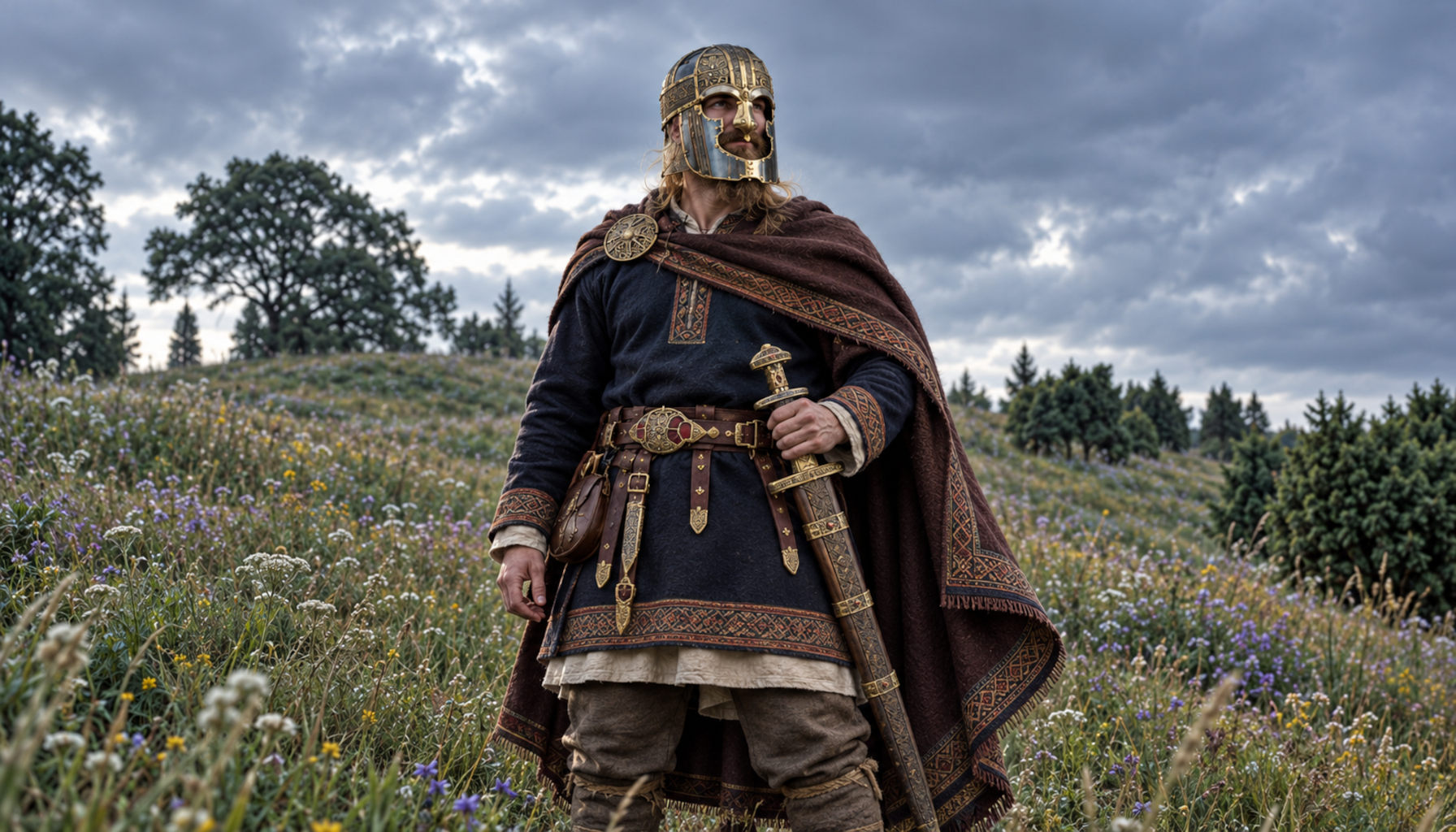
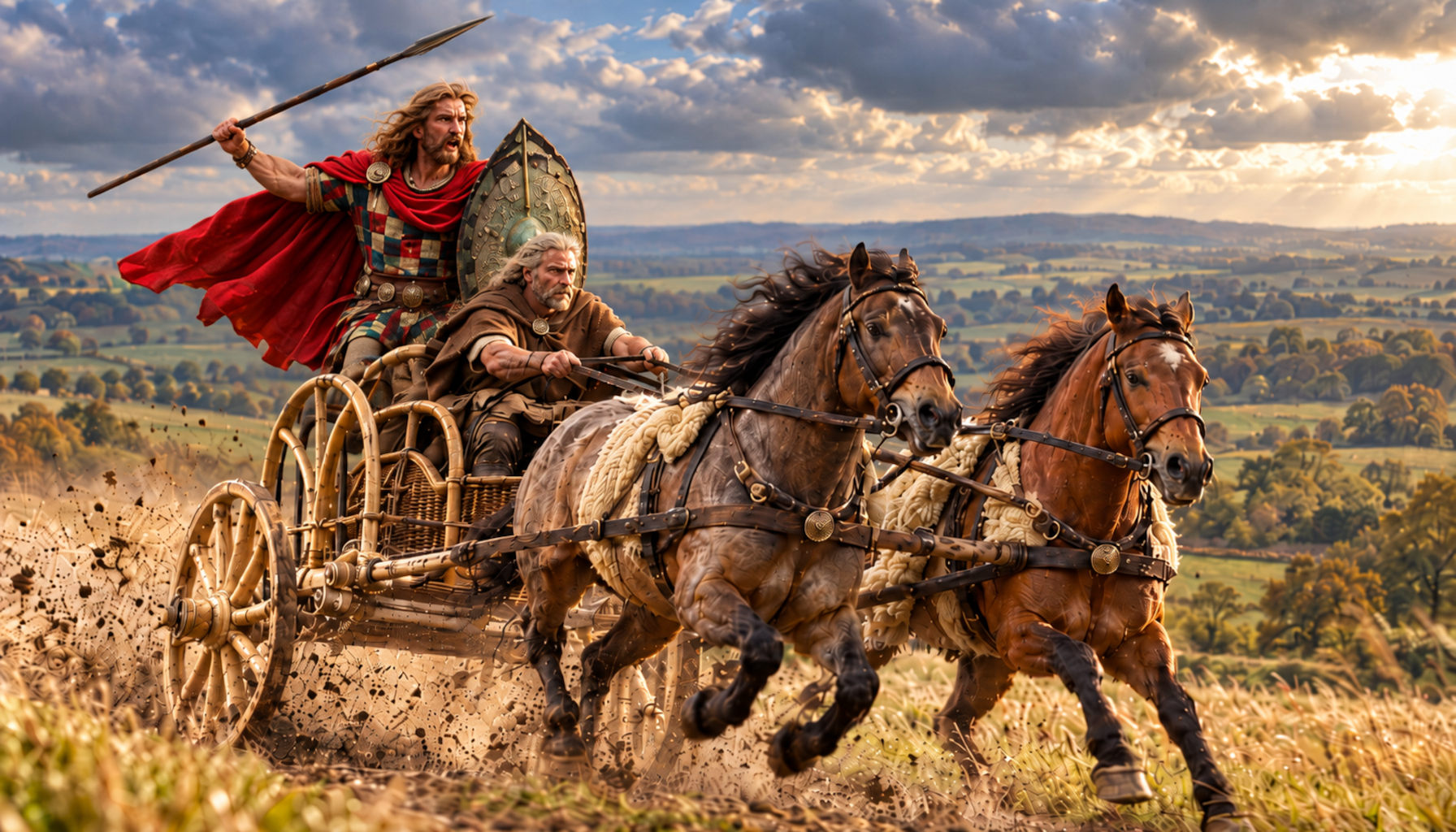
On the ancient-DNA side, the haplogroup R1b1a1b1a1a2c1a1i3b links the Ged family story to a much wider prehistoric and historic backdrop in Britain. Related or linked samples include Early Anglo-Saxon Period Hatherdene Close, Cambridgeshire, England (HAD001), Bronze Age Amesbury Down, Wiltshire, England (I2598), Celtic Briton Oxfordshire Yarnton, England (I21182), Iron Age North Perrott, Somerset, England (I11144), and the pre-Viking Pict sample from Buckquoy, Mainland, Orkney (VK203). These individuals do not prove direct descent from any one ancient person, and it is important not to overclaim. What they do offer is context: they show how a lineage connected with this branch of R1b appears across very different populations and moments in British history, from Bronze Age communities to Iron Age Britons, early medieval groups, and northern Pictish contexts. For a Lowland Scottish family such as Ged, that is a reminder that surname history is comparatively recent, while paternal ancestry can stretch back into a much older and more tangled human past.
If you carry the Ged name, or have Ged, Geddes, or related Lowland Scottish ancestry in your tree, DNA can add another layer to the paper trail. Upload your DNA to MyTrueAncestry to explore how your family story may connect with ancient populations, historic migrations, and the deeper background behind the surname tradition.
Comments