Clan FitzRandolph
– 3 min read


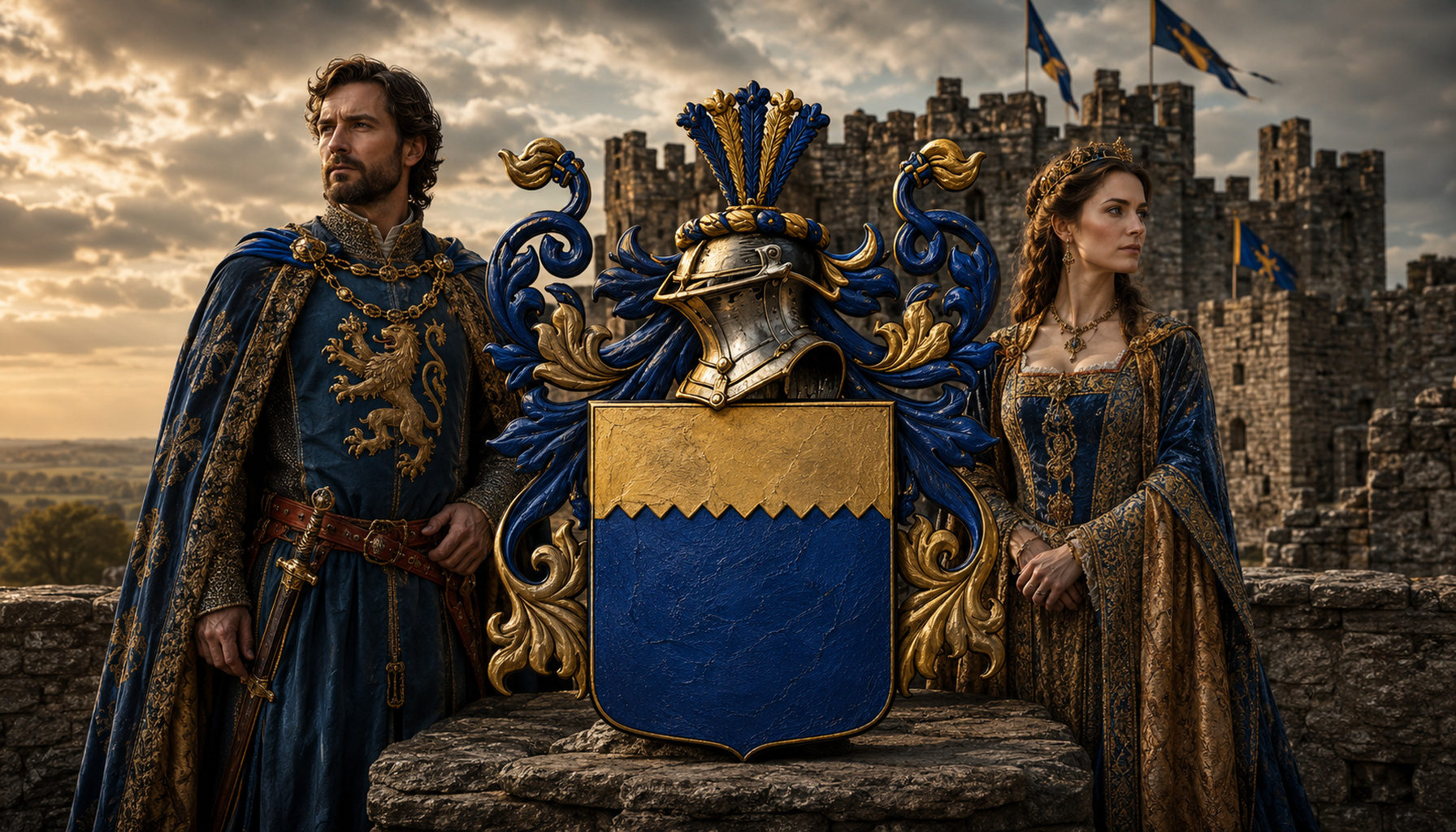
Clan FitzRandolph belongs to that unmistakably Norman world of names, land, memory, and service. The family tradition presents FitzRandolph as a Norman-origin lineage associated with Anglo-Norman descent, the long continuity of surname identity, and the preservation of family memory across centuries. The very form of the name tells the story: Fitz comes from the Norman French use of fils, meaning son of, so FitzRandolph originally meant son of Randolph or Randulf. That naming pattern sits squarely in the feudal and aristocratic culture that took shape after the Norman Conquest, when personal allegiance, landed power, and lineage were tightly bound together. In genetic terms, the primary family haplogroup linked with this heritage report is R1b1a1b1a1a2b3c, a branch found across a wide arc of western and central Europe and well suited to a family tradition rooted in Norman and Anglo-Norman history.
Historically, the FitzRandolph story fits a broader Norman-rooted pattern: patronymic origin, service to powerful lords, migration into England, and then survival through later English and Atlantic genealogical traditions. This is not just a tale of one medieval surname appearing in records and then vanishing, but of a name that endured because families carried it forward through settlement, local office, military or feudal obligation, and simple family remembrance. The deeper background reaches into the Breton-Norman orbit, with figures such as Count Eudon Penteur, 999-1079, standing in the wider aristocratic milieu from which later Norman and Anglo-Norman lines emerged. By 1129 we find Randulf in the record, and the medieval naming habit behind FitzRandolph is already clear. Later, Richard FitzRalph, who died in 1360, shows how the Fitz naming tradition continued to echo through the learned and ecclesiastical world of later medieval Britain and Ireland. Taken together, these names help place FitzRandolph in a culture where surnames were not mere labels, but claims about ancestry, status, and remembered origin.
A fitting location anchor for this family tradition is Middleham Castle in Wensleydale, North Yorkshire, one of the great surviving fortresses of medieval northern England. Middleham began as a motte-and-bailey castle after the Norman Conquest and later developed into a substantial stone stronghold, eventually associated with the powerful Neville family and with Richard, Duke of Gloucester, the future Richard III. It sits in a landscape that captures the very heart of Anglo-Norman lordship: control of territory, strategic oversight, aristocratic residence, and the projection of family authority into the countryside. In other words, if you want to imagine the world in which a surname like FitzRandolph made sense, Middleham is exactly the kind of place to picture it. The castle still stands in dramatic ruin and, yes, it can still be visited today, which gives modern descendants and history enthusiasts a rare chance to stand in a genuinely medieval setting rather than merely read about one.
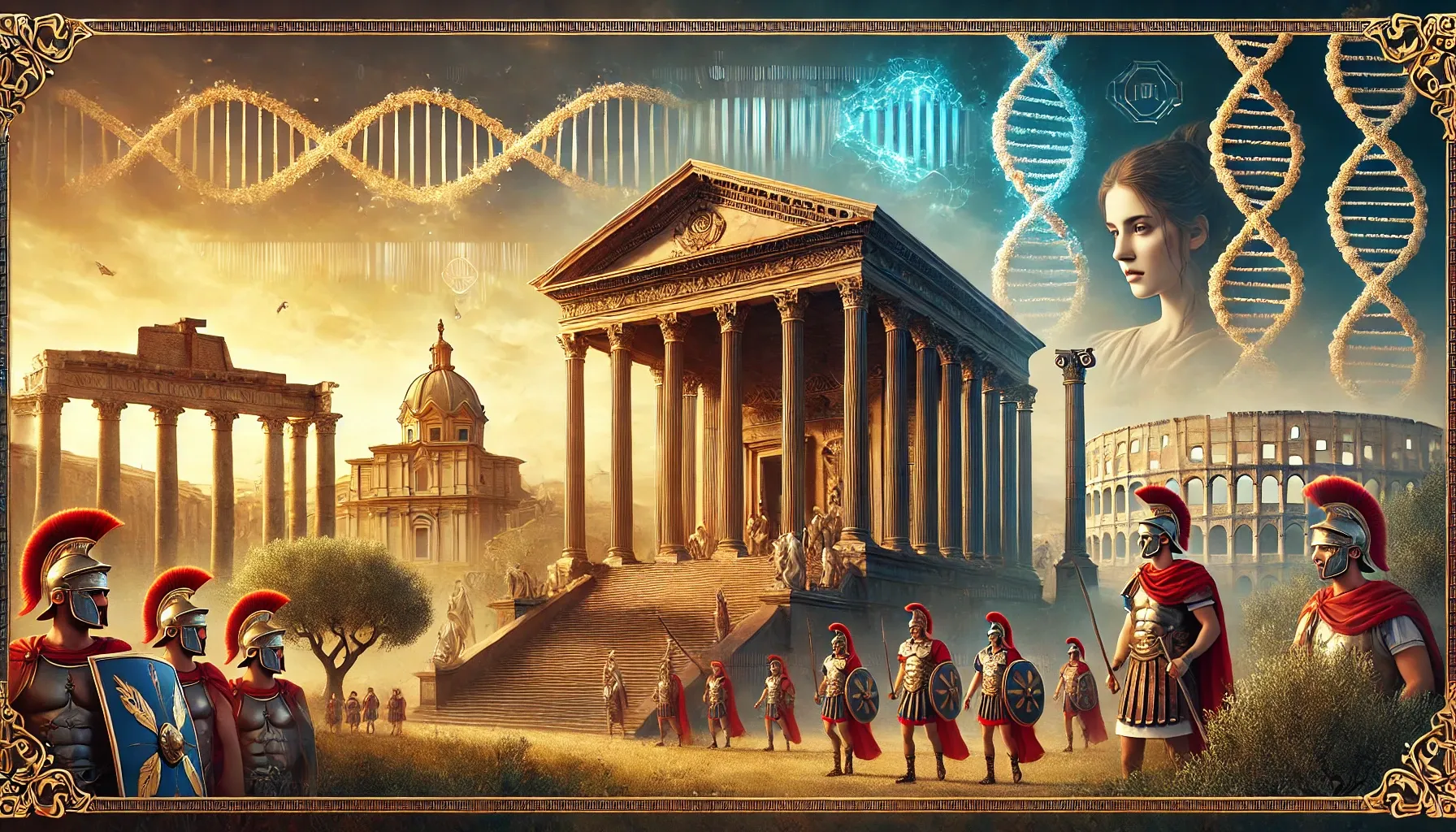
The haplogroup tag associated here, R1b1a1b1a1a2b3c, also connects the FitzRandolph story to a very broad ancient DNA landscape. This does not prove direct descent from any excavated individual, and it should not be presented that way, but it does place the family within a lineage seen in related or linked samples from many periods and regions relevant to western European history. Among them are Medieval Northern Spain Las Gobas individuals ldo066, ldo037, ldo048, and ldo062; Celtic Durotriges samples from England at Duropolis Winterborne Kingston such as WBK36, WBK39, and WBK35; Roman Era Fenstanton Cambridgeshire FEN008; elite Celtic burials in Germany including APG001, APG003, and LWB001; Bronze Age Unetice burials from Thuringia such as LEU024 and LEU025; Gallo-Roman Metz Lunette Sablon individuals R2055a through R2055e and related R2055; Late Medieval England Clopton Cambridgeshire ATP_PSN_1217; Historic St. Mary City Chapel Field Cemetery Maryland I15282; Bell Beaker and Bronze Age finds from the Netherlands, Iberia, France, Germany, and Britain; and later medieval and early medieval samples from Belgium, Ireland, Italy, Hungary, Denmark, and England. What that sweep of evidence shows is not one neat family line marching unchanged through time, but a durable paternal branch moving through the same broad European world from which Norman, Breton, Anglo-Norman, and later Atlantic surnamed families emerged.
If the story of Clan FitzRandolph sparks your curiosity, the next step is simple: upload your DNA to MyTrueAncestry and explore how your own genetic history may connect with ancient populations, medieval migrations, and the long memory of family heritage.
Comments