Clan Brodie
– 3 min read


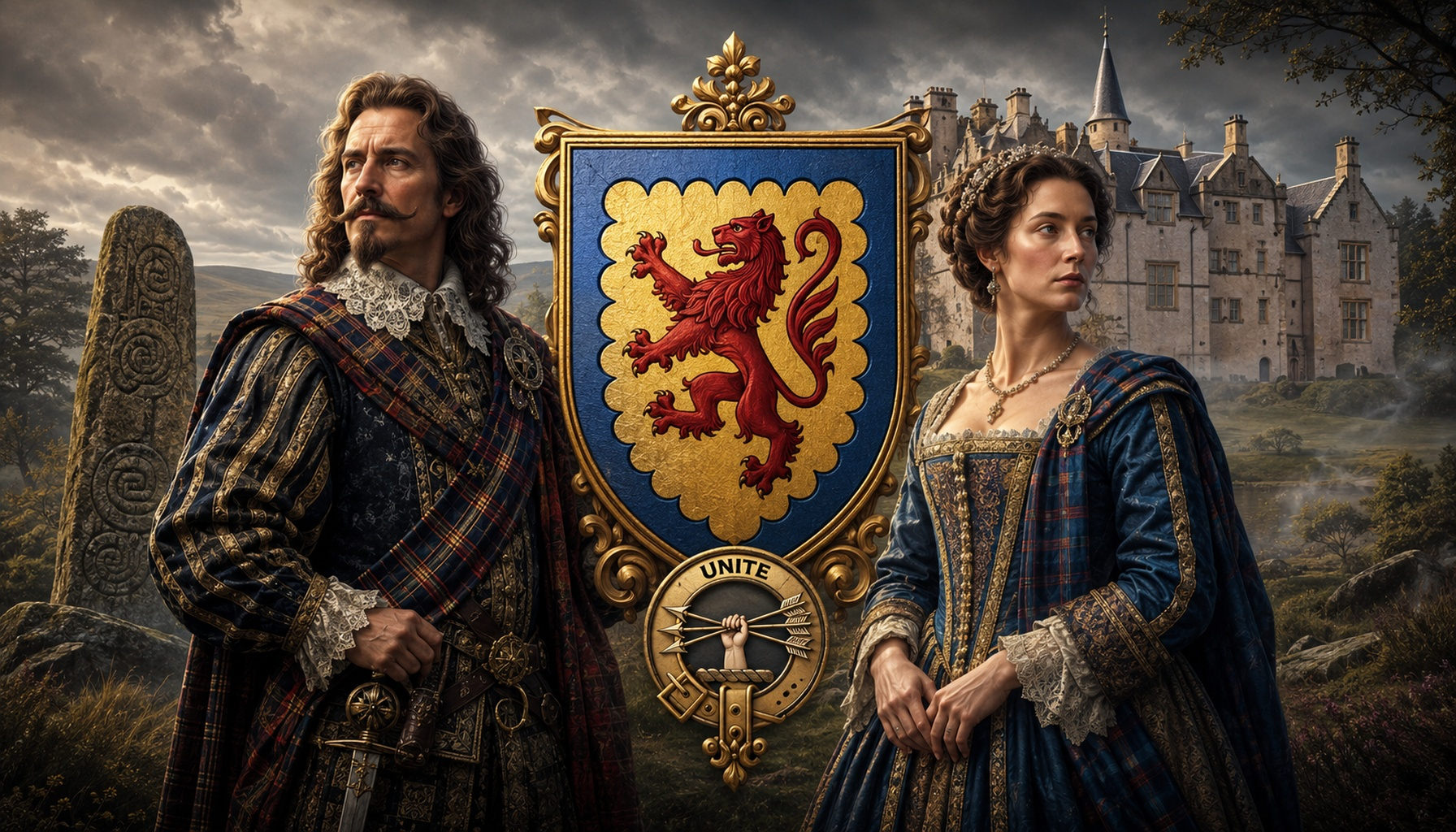
Clan Brodie was one of the old territorial families of northern Scotland, rooted above all in Moray and in the lands of Brodie near Forres. In the Scottish clan world, that mattered enormously. A clan was not simply a surname drifting through time, but a relationship between kin, chiefship, estate, and place. The Brodie identity grew from that pattern: a family anchored to a specific landscape, exercising local influence, maintaining continuity through landholding, alliances, and service, and preserving its standing through heraldry and memory. The haplogroup most strongly linked here is R1b1a1b1a1a2c1a1f1a, a branch within the wider Atlantic-facing R1b lineages often associated with much of later prehistoric and historic western Europe.
The name Brodie is tied to location first and foremost, and that is exactly how many medieval Scottish families emerged into view. In historical terms, Clan Brodie represents the classic landed clan tradition: territorial roots, a recognized chiefly line, estate continuity, and a durable family identity that outlasted war, political change, and social reinvention. Among the early named figures is Malcolm Brodie, active in the period 1249-1285, who stands as one of the medieval anchors of the recorded family. From such figures onward, the Brodies appear as part of the wider political and local life of Scotland, their story shaped less by romantic mist than by the hard realities of land, inheritance, obligation, and status.
Brodie Castle is the great physical emblem of the clan, and in many ways it tells the story better than any pedigree chart can. Located near Forres in Moray, the castle stands on the ancestral estate long associated with the Brodie chiefs. The present building is largely a tower house later expanded and altered over centuries, especially in the 16th and later periods, so what visitors see is a layered structure rather than a single-moment medieval fortress. That is part of its fascination: it reflects continuity, adaptation, and the determination of a family to remain rooted in place while architecture and fashion changed around them. The estate became especially well known for its interiors, collections, and gardens, and Brodie Castle remains one of the most recognizable visual symbols of clan heritage in northern Scotland. It is also, importantly, not just a memory on paper. The castle has been preserved and is open to visitors under the care of the National Trust for Scotland, making it a rare chance to encounter the Brodie story in the very landscape that created it.
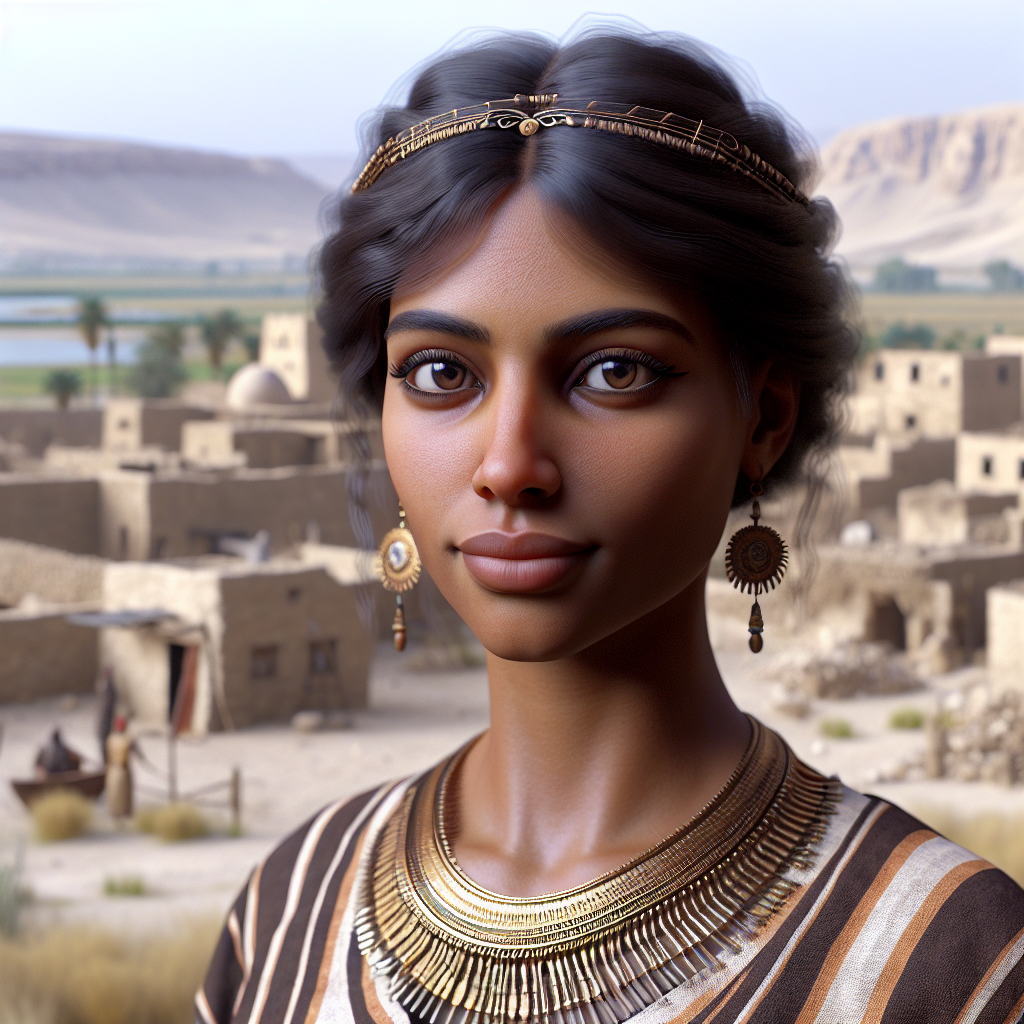
For those exploring deeper ancestry, the Brodie-associated haplogroup tag is R1b1a1b1a1a2c1a1f1a. One should be careful here: ancient DNA does not prove direct descent from any one excavated person. What it can do is place a family line within a broader web of related or linked male-line ancestry across time and geography. Samples connected with this branch or nearby lineages include Celtic Durotriges individuals from Duropolis at Winterborne Kingston in England such as WBK12, WBK20, WBK29, WBK41, WBK05, WBK30, WBK43, WBK06, WBK08, WBK18 and WBK191, as well as later and wider examples like Imperial Roman Era Zadar Croatia I26776, Bronze Age Orkney Westray Links of Noltland KD061, Bronze Age Calabria GMO015, Early Medieval Belgium ST2025, Medieval Belgium ST1308, Gallic France CGG023699, Post Roman Dorset I11580, Merovingian Germany IND013, Late Roman Austria R10656, Late Roman Portugal R10488, Celtic Briton Oxfordshire I21182, Iron Age Somerset I11991, Iron Age Battlesbury Bowl I21309, Bronze Age Trumpington Meadows I3256, Bronze Age Amesbury Down I2417, Bell Beaker Upavon I4950, Medieval Faroe Islands VK242, Viking Age Oppland Norway VK386, Bronze Age Bedfordshire I7576 and I7577, Bronze Age Boatbridge Quarry South Lanarkshire I5473, Hinxton Iron Age HI2, Early Bronze Age Thames I5377, and Ireland Copper Age Rathlin2B. Taken together, these linked samples suggest a deep prehistoric and historic backdrop for this paternal line stretching across Atlantic Britain, Iron Age Celtic communities, Roman-period mobility, and the medieval north-west European world.
If you carry Brodie ancestry, or simply want to see how your DNA may connect to the wider historical world around clans like this one, upload your DNA to MyTrueAncestry. It is a lively way to place family tradition beside archaeology, genetics, and the long human story behind the name.
Comments