Clan Bell
– 3 min read


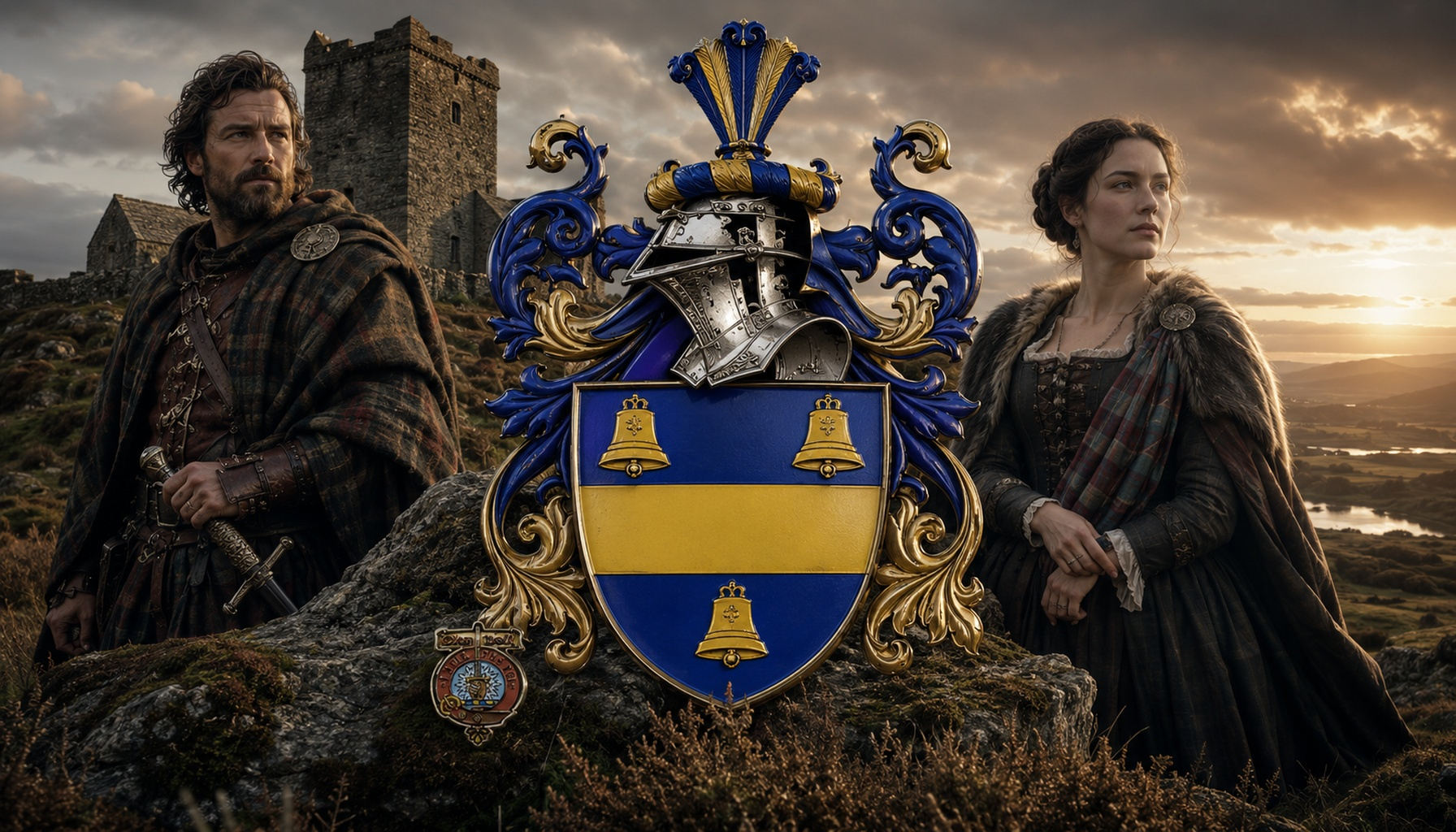
The Bell family was one of the great surnames of the Scottish Borders, most strongly associated with Dumfriesshire and the West Marches, where life was shaped by the hard realities of the Anglo-Scottish frontier. This was not a world of neat national boundaries and tidy government, but of raids, reprisals, livestock lifting, kin alliances, and constant vigilance. The Bells belonged to that famous and notorious Border society in which a family name was both protection and obligation. In DNA terms, the primary haplogroup linked here is R1b1a1b1a1a1c2b2a1b1a1a1, a branch within the wider R1b line often associated with northwestern European paternal ancestry.
Historically, Clan Bell represents the classic Border story: regional toughness, family solidarity, riding skill, and the ability to endure in a landscape where authority from Edinburgh or London could feel very far away indeed. The motto Think On is especially fitting. It carries the sense of memory, loyalty, and reflection, as though the name itself asks each generation not to forget where it came from. Early named members include Adam and Richard Belle, recorded in 1296, placing the family firmly in the documentary record during one of the most contested periods in Scottish history. From that point onward, the Bells appear as part of the long-lived fabric of Border life, their surname surviving well beyond the end of the reiver age.
A key location anchor for the family is Black Tower, also known as Blacket House or Tower, in Dumfriesshire, a strong reminder that Border families were rooted in real places as well as in legend. Tower houses of this kind were not grand castles in the romantic sense, but practical fortified homes built for a world where a household might need to defend itself at short notice. Black Tower stood in the Bell country of the middle Border zone, in a landscape of farms, routes, watchfulness, and kin-based power. It reflects exactly the sort of social setting in which a family like the Bells prospered: locally entrenched, armed when necessary, and tied to the surrounding countryside by memory as much as by property. The site is known and can still be visited in the sense that its location and remains are part of the historic landscape of the Borders, though as with many such sites visitors should expect a heritage ruin rather than a fully staffed monument.
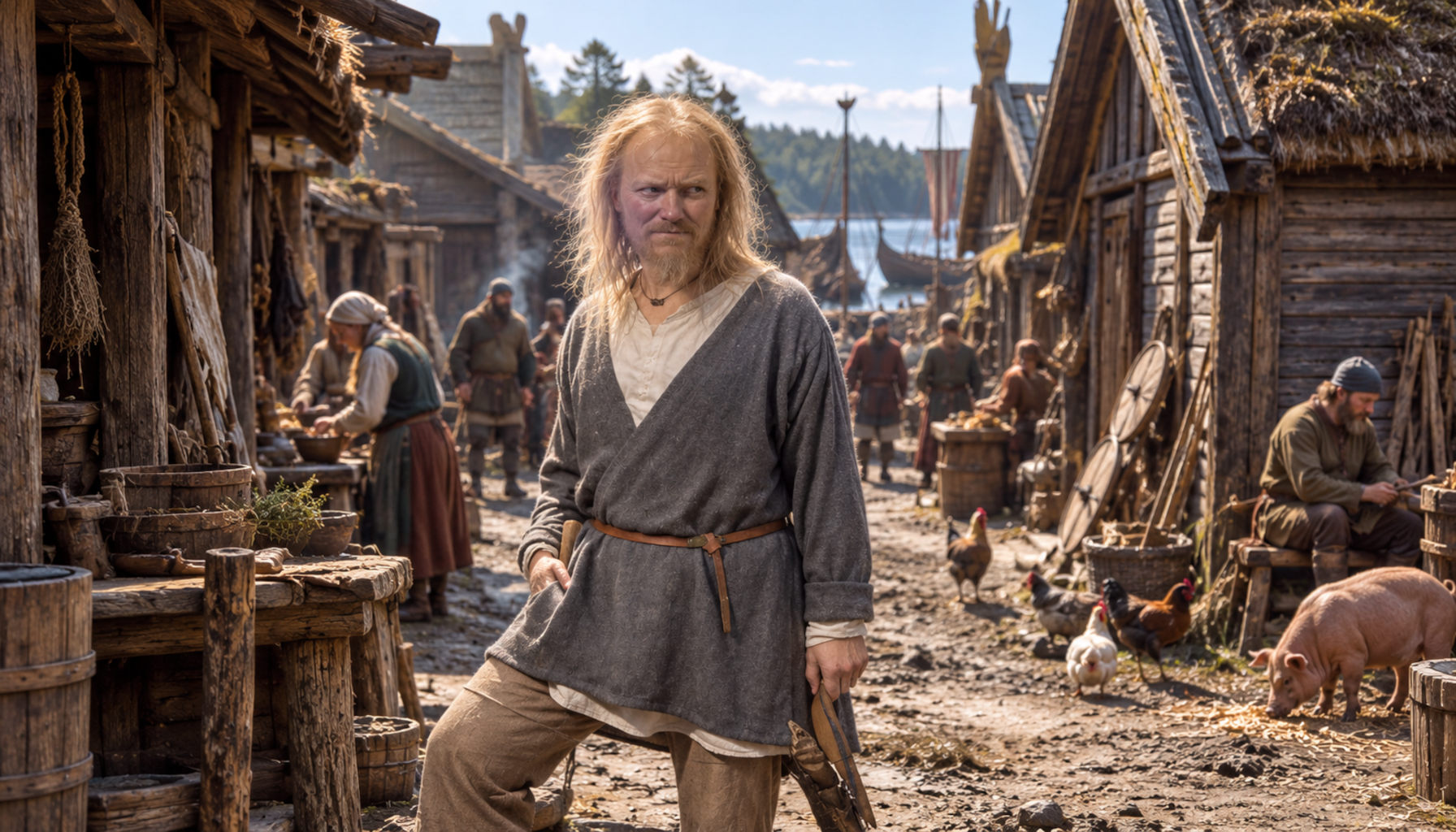
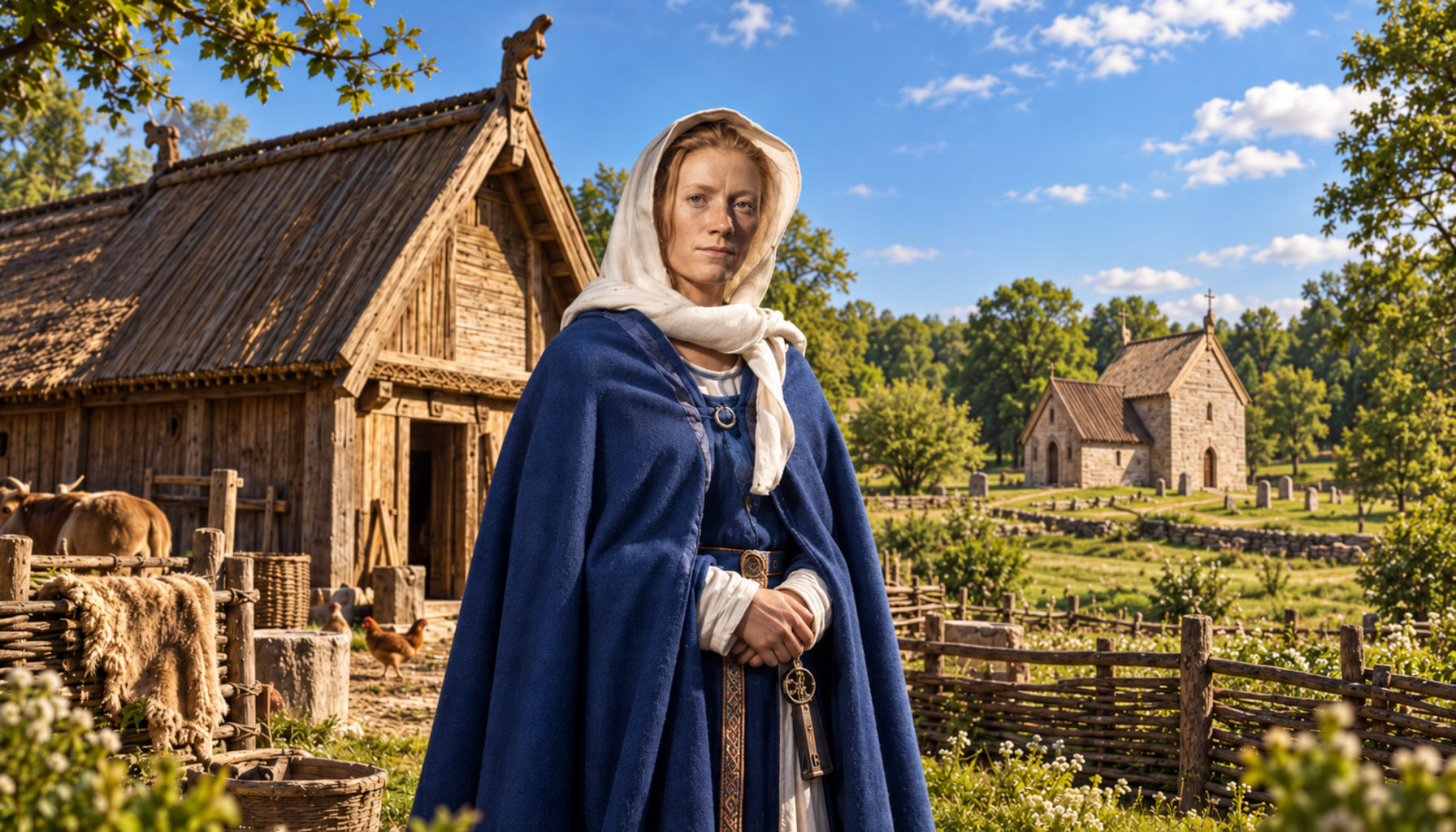
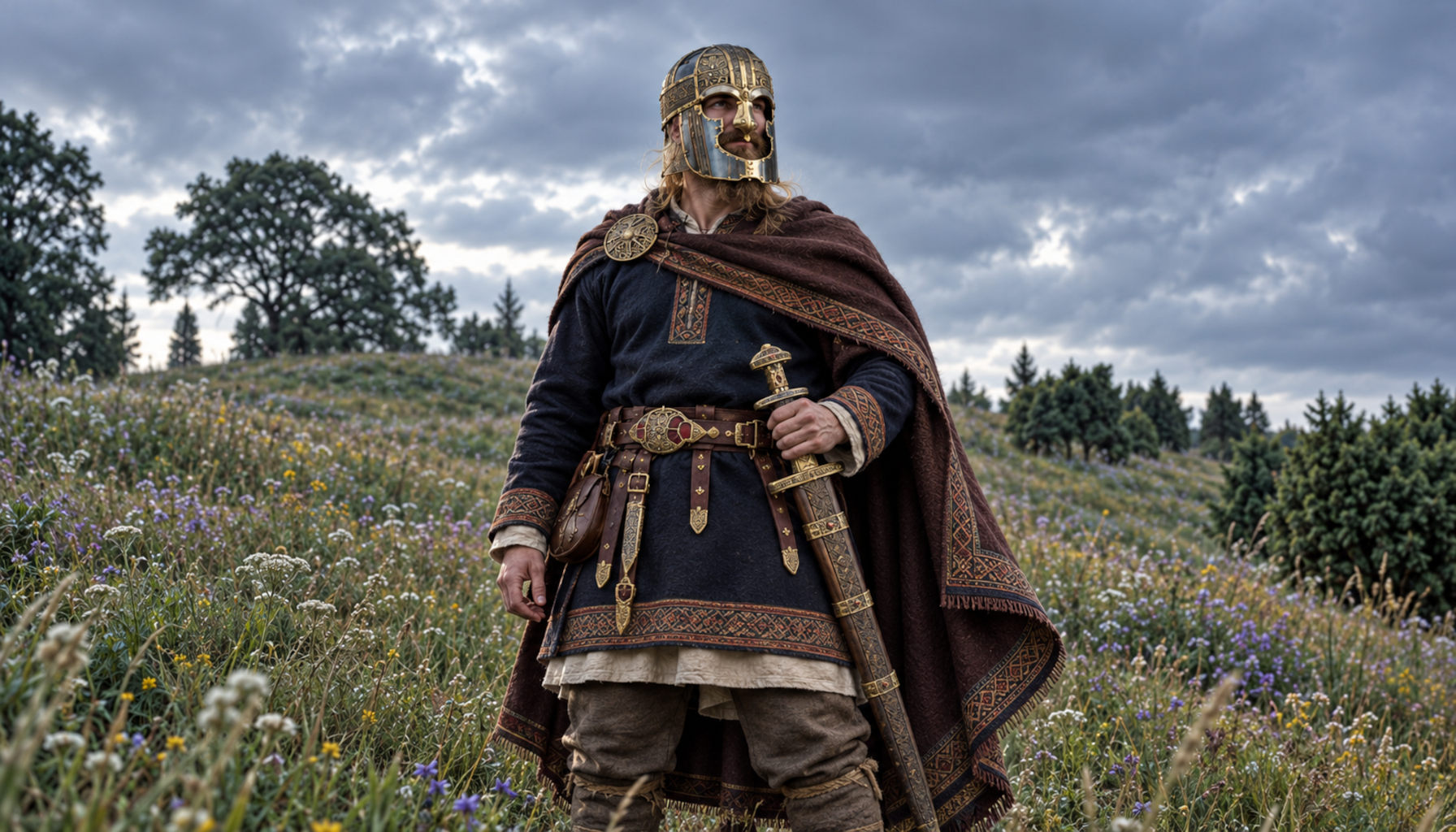
For those exploring Bell ancestry through deep paternal lines, haplogroup R1b1a1b1a1a1c2b2a1b1a1a1 can be placed in a wider north European and early medieval context through related or linked ancient DNA finds. These include Medieval England Cambridge St Johns Hospital, sample ATP_PSN_78; a Thuringii-associated sample from Deersheim in Saxony-Anhalt, Germany, DRH010; an Early Anglo-Saxon period sample from Hatherdene Close, Cambridgeshire, HAD011; a Saxon grave from Hannover-Anderten in Lower Saxony, ADN002; and a Viking Age sample from Galgedil on Funen, Denmark, VK133. These do not prove direct descent from any one individual, and they should not be used to make that claim. What they do offer is a useful genetic backdrop, showing that related branches of this paternal line were present across the Germanic, Anglo-Saxon, medieval English, and Scandinavian worlds that helped shape the ancestry of the British Isles, including the Border regions where the Bells later emerge in history.
If you carry Bell ancestry, the historical record gives you a vivid Border story of Dumfriesshire, reiving, resilience, and remembered identity under the words Think On. DNA can add another layer, connecting family tradition to much older population movements and related ancient samples. If you want to explore how your own results may connect with this deeper past, upload your DNA to MyTrueAncestry and see what ancient links may appear.
Comments