Clan Adams
– 3 min read


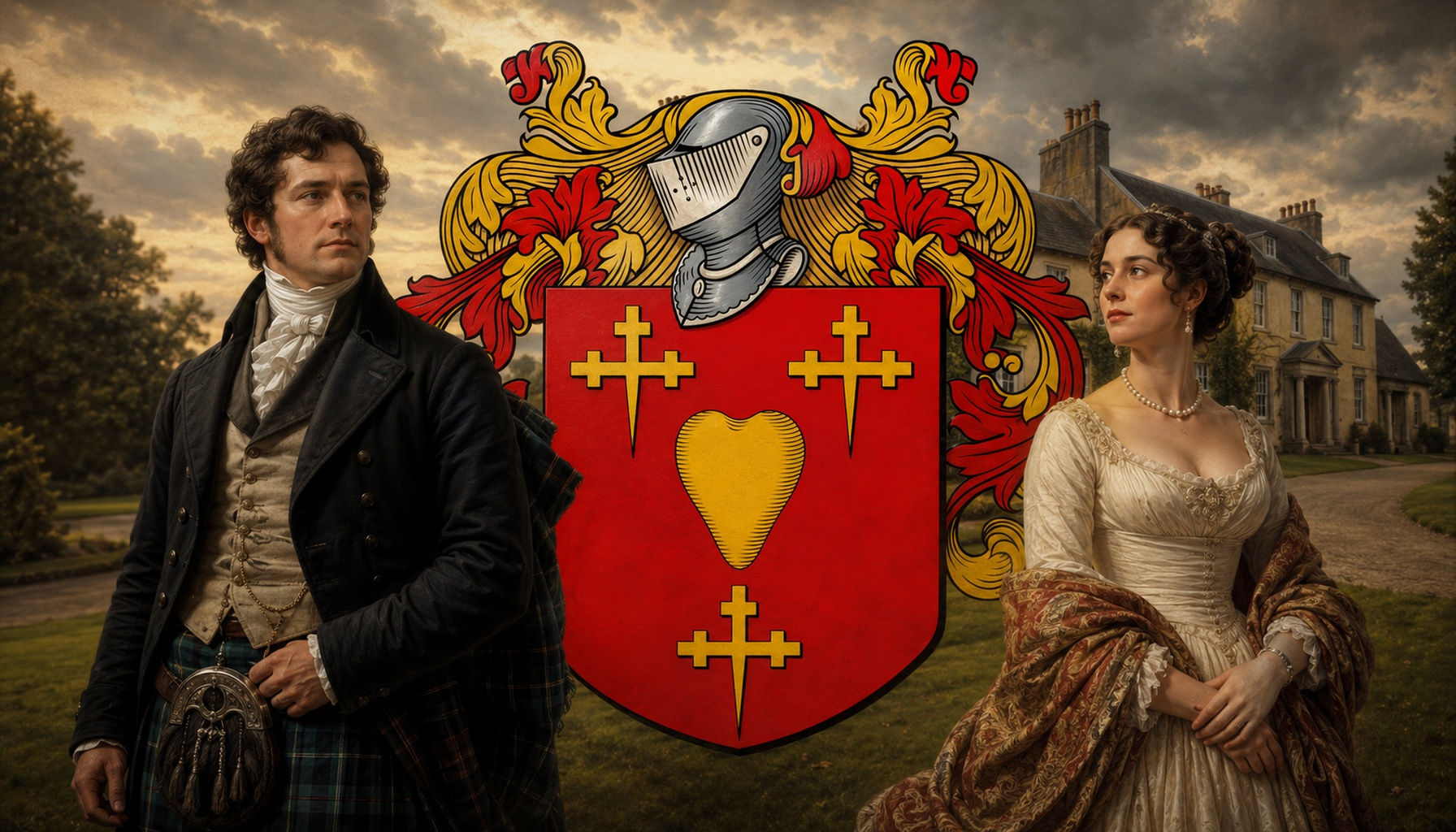
Clan Adams is best understood as a Scottish family tradition built around surname continuity, regional belonging, and inherited identity. In the Scottish world, not every surname tradition sat among the great headline Highland clans, yet names like Adams mattered enormously in local life: they were carried through kinship, remembered in land, tied to heraldic associations, and preserved in family memory across generations. The Adams name is linked here with the primary family haplogroup R1b1a1b1a1a3a1, a lineage found widely across western and northern Europe and deeply at home in the broad genetic story of Britain and Scotland. Haplogroups linked with the wider Adams story include R1b1a1b1a1a3a1 as the primary family line.
The surname itself ultimately comes from the personal name Adam, which spread widely in medieval Christian Europe and took firm root in Scotland through everyday use, record keeping, church life, and hereditary surname formation. In historical terms, Clan Adams reflects a very Scottish pattern: local roots, service within the community, continuity of name, and armorial memory rather than a single dramatic origin legend. Early named figures show the surname and given name embedded in medieval religious and political society, including Adam, abbot of Cupar in 1189, and Adam, abbot of Newbattle in 1201. Later, the name became famous far beyond Scotland through major Atlantic-world figures such as Samuel Adams (1722-1803), John Adams (1735-1826), and John Quincy Adams (1767-1848), all of whom helped give the surname an international historical resonance, even while its Scottish family identity remained rooted in the quieter but no less important themes of ancestry, continuity, and place.
A particularly evocative location anchor for the family is Blairadam House in Kinross-shire, near Kelty in Fife, a place that ties the Adams name to a recognisable Scottish landscape of estate culture, woodland, and long family association. The Blairadam estate became especially well known through the Adam family of Blair Adam, a notable legal and political family in Scottish history, and the house and grounds sit in a setting that feels very much like the kind of place where lineage becomes visible in stone, planting, and memory. The present house was largely developed in the 18th century, with the estate shaped by ideas of improvement and polite country living, while still carrying the deeper weight of inherited family connection. It is also known today as a filming location, which has given it a second life in public imagination. Based on current heritage and location information, Blairadam House and its surrounding estate are known and identifiable, and the wider setting can still be appreciated and visited in some form where access arrangements allow, making it a useful and vivid touchpoint for anyone exploring the Adams family story in Scotland.
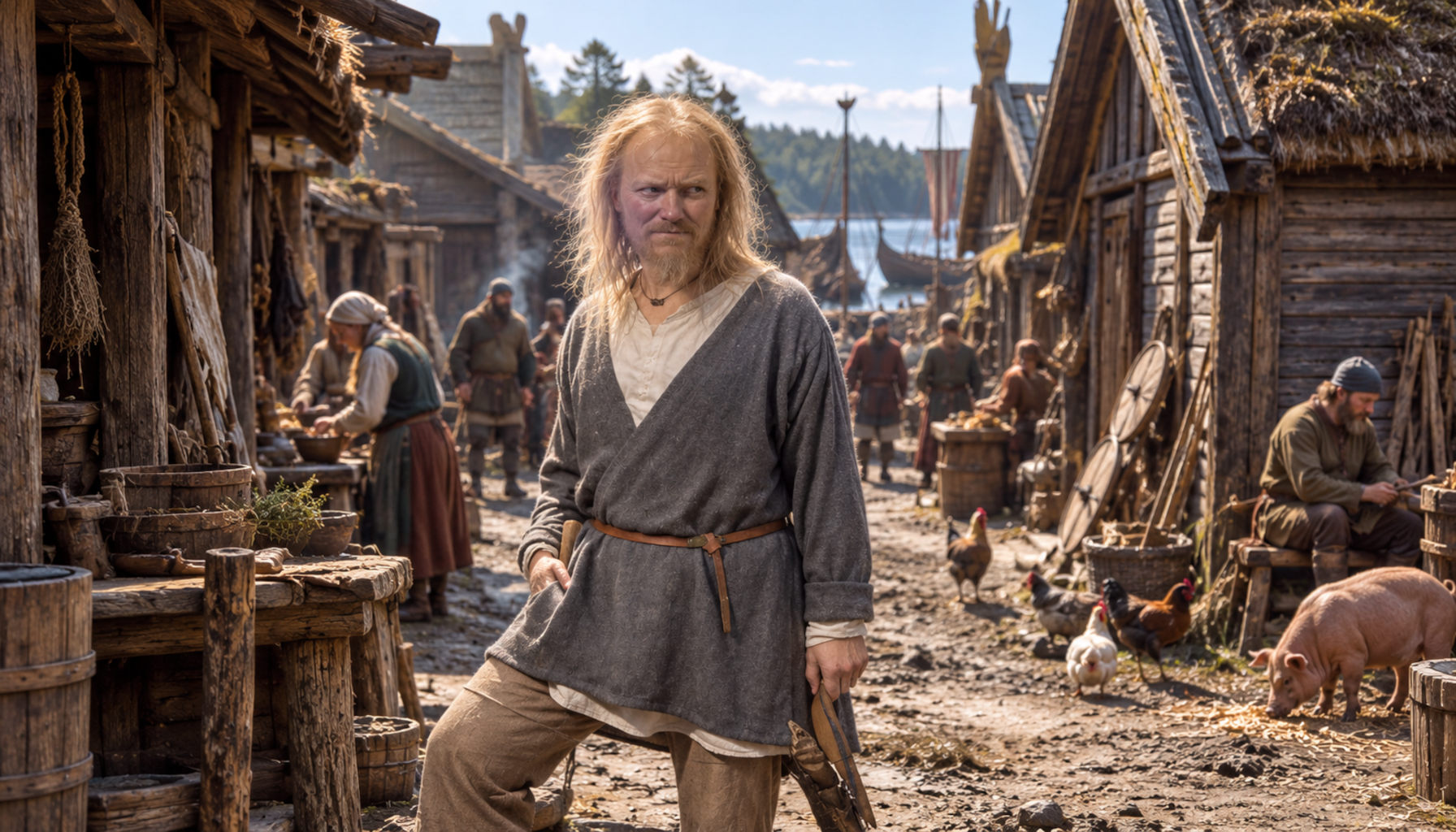
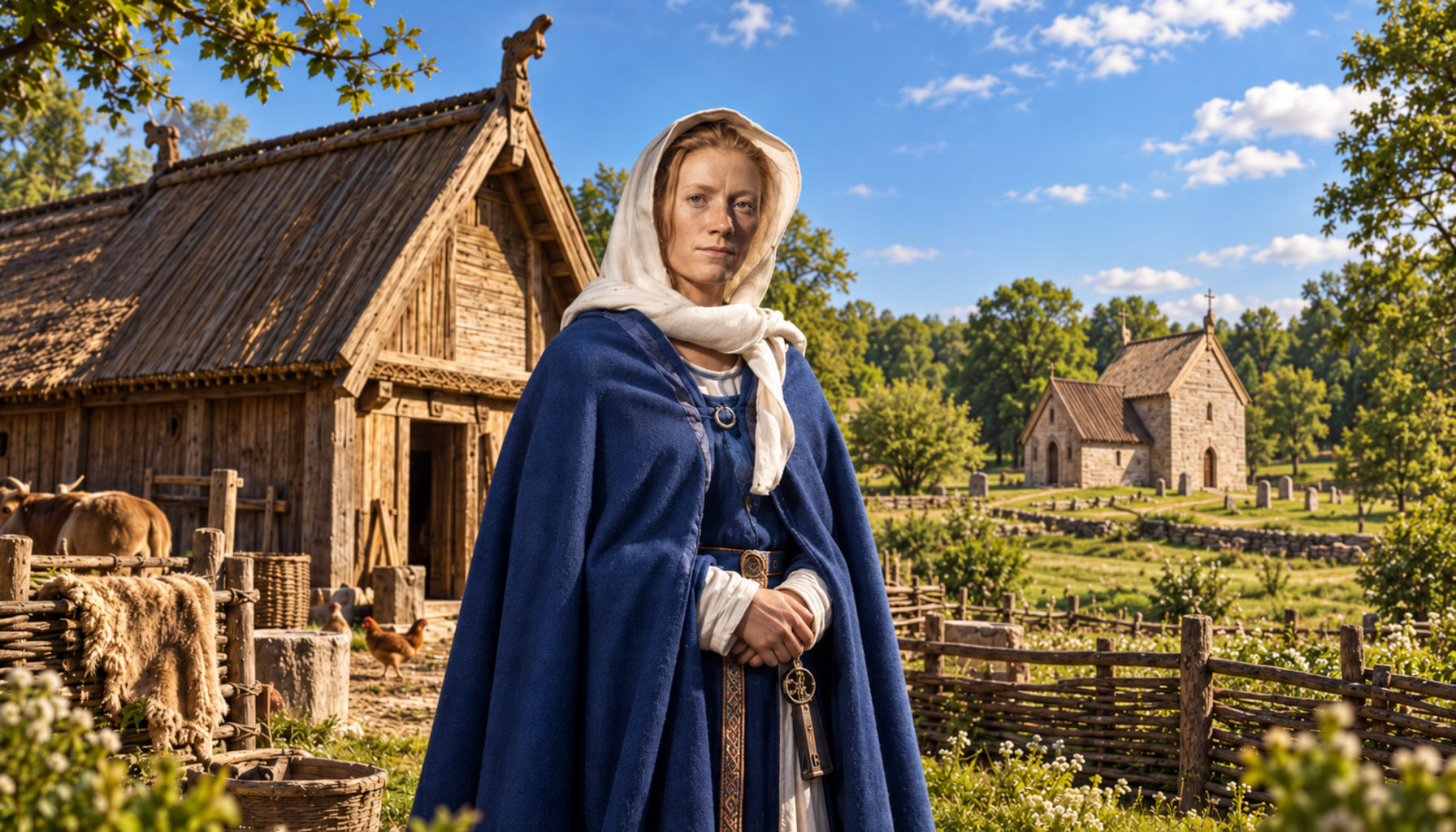
From a DNA perspective, the Adams haplogroup connection to R1b1a1b1a1a3a1 places the family within a broad and fascinating web of related ancient and medieval lineages across Britain and Europe. This does not prove direct descent from any named archaeological individual, of course, but it does show the kind of deep population background in which an Adams paternal line may sit. Related or linked R1b1a1b1a1a3a1 samples include Pict-era Scotland from Rosemarkie Cave on the Black Isle such as KD001_2, KD001_3, KD001_4, KD001_6a, KD001_6b, and KD001; Celtic and Romano-British linked Britain with Durotriges England Duropolis Winterborne Kingston WBK106, Late Iron Age Ham Hill Fort Somerset I19653, Iron Age Fin Cop Derbyshire I20632, Celtic Briton Slonk Hill Sussex I7632, Bell Beaker Wiltshire Upavon I4951, Early Anglo-Saxon Cambridgeshire HAD017, medieval England Cherry Hinton ATP_PSN_944, medieval Cambridge St Johns Hospital ATP_PSN_36, and historic Maryland I35262; as well as a much wider European spread including Early Bronze Age France SMGB54 and BRE445FK, Bronze Age Leubingen Germany LEU040 and LEU065, elite Celtic burials at Ludwigsburg Roemerhuegel LWB002_ss and LWB002_ss_b, medieval northern Spain Las Gobas ldo046 and ldo040, medieval Portugal LP115_5, LP117_12, LP117_7, LP123_5, LP112_13, and LP117_2, Piast dynasty males PCA0646, PCA0621, and PCA0659, plus linked finds from Belgium, Denmark, Sweden, the Netherlands, Bohemia, Hungary, France, Iberia, Germany, and beyond. In other words, the haplogroup belongs to a lineage seen in prehistoric Bell Beaker and Bronze Age contexts, Iron Age Celtic settings, Pict-era Scotland, medieval Britain, and later European populations, which is exactly the sort of long, braided population history one might expect behind a Scottish surname tradition like Adams.
If you carry the Adams surname, or have Adams lines in your family tree, you can explore how your DNA fits into this wider story by uploading your results to MyTrueAncestry. It is a lively way to connect family history, ancient DNA, and the deeper archaeological landscape behind your name.
Comments