Ancient DNA Reveals Three Millennia of Mixed Tibetan, South Asian, and Central Asian Ancestry in Ladakh

– 5 min read


Ancient Tibetan-Related Ancestry in Ladakh
This comprehensive study examines two remarkable high-altitude burial sites in western Ladakh – the Old Lady Spider Cave (Gachu Lhabrog) and burial mounds at Hanu – revealing how people with diverse ancestral backgrounds lived, died, and were interred across the last two to three millennia in this trans-Himalayan crossroads.
Many of the peoples we study — Celts, Greeks, Scythians, or Etruscans — live on not only in culture, but in the traces of their DNA. Seeing where your genome intersects with theirs can make history feel surprisingly close. You can explore this at www.mytrueancestry.com.
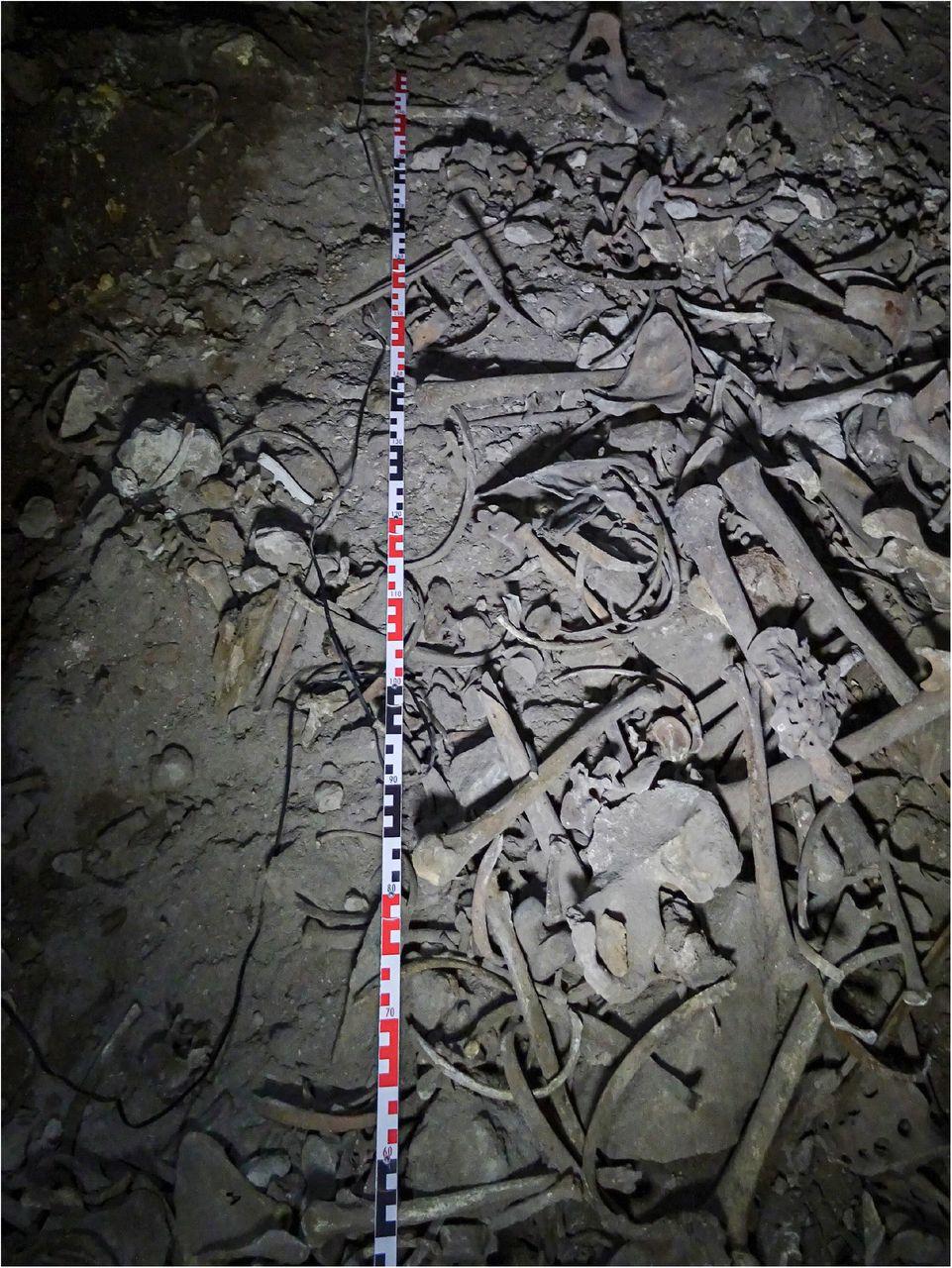
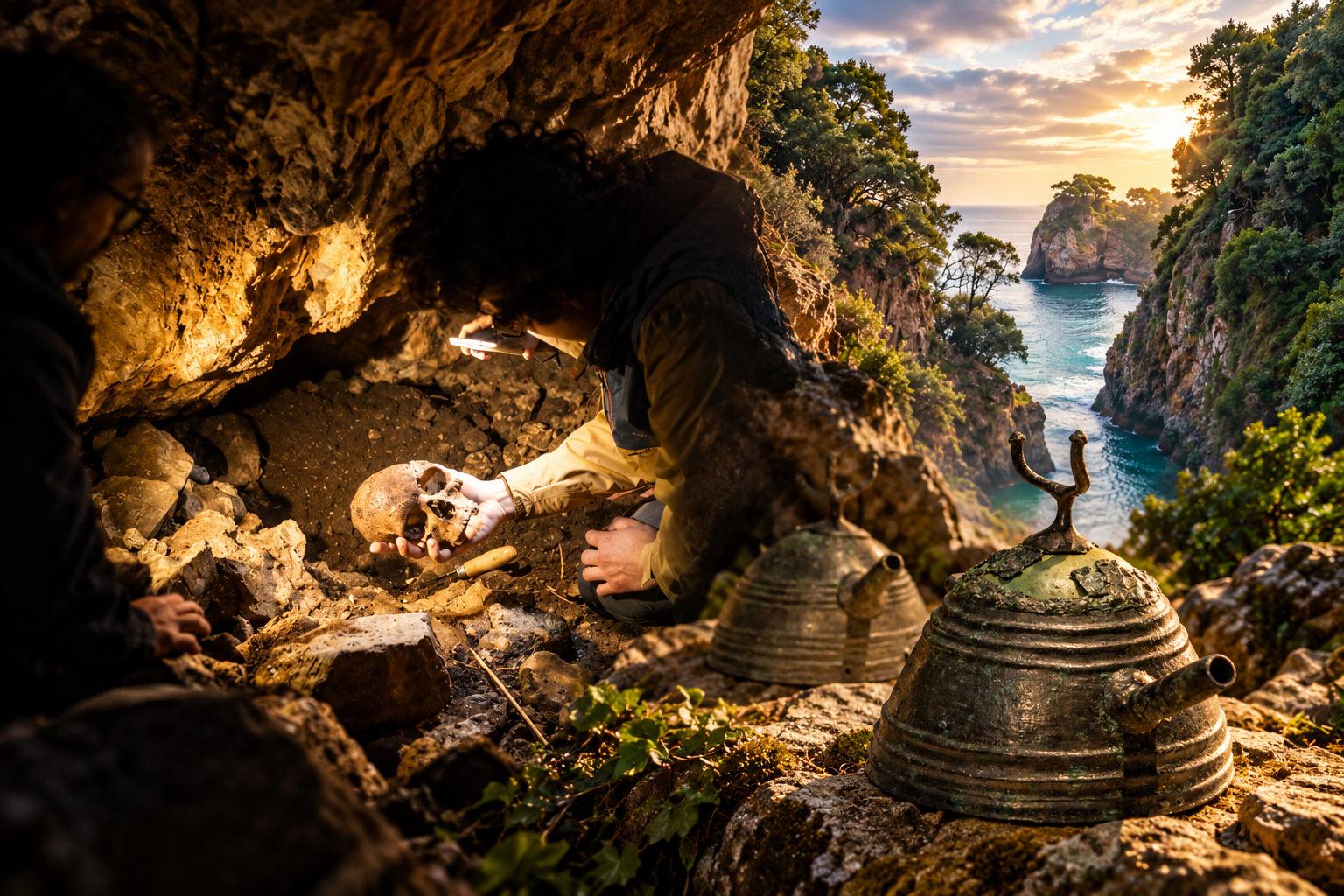
Perched at approximately 4,000 metres above sea level, high above the village of Yokma Kharbu, lies the Old Lady Spider Cave. This complex cave system comprises three chambers connected by narrow galleries, some requiring visitors to crawl through tight passages. Within these dark spaces, archaeologists discovered cist burials with stone-lined graves, petroglyphs carved into rock walls, partially mummified human and animal remains, and scattered burial goods including ceramic fragments and beads crafted from stone, coral, and glass materials.
Radiocarbon dating places several Old Lady Spider Cave individuals in the mid-first millennium CE, specifically around 531-585 CE. Genetic analysis reveals these people carried substantial ancestry related to Tibetan Plateau populations, integrating them into a broader high-altitude world extending from Ladakh across central Tibet. However, these cave-dwelling communities were far from isolated mountain dwellers, showing remarkable genetic diversity through multiple ancestral components.
Their genetic heritage demonstrates complex admixture patterns: alongside Tibetan-related ancestry, they possessed significant contributions from populations similar to modern northern India and Pakistan inhabitants, plus additional components ultimately linked to Central Asian and eastern steppe groups. This genetic mixing began approximately 2,000-2,300 years ago, several centuries before major Tibetan imperial expansions documented in historical records.
Among the Old Lady Spider Cave individuals, researchers identified clear family relationships. Two skeletons, designated LD-01 (male) and LD-36 (female), represent first-degree relatives, most likely siblings, buried within the same cave chambers while sharing identical maternal lineages. This sibling pair, interred alongside beads and ceramics in their high rock chamber, provides human faces for broad ancestry patterns rather than abstract migration theories.
The second major site, located at Hanu in the Khaltsi region approximately 2,760 metres above sea level, sits astride ancient routes connecting Ladakh with Baltistan via Chorbat Pass. Contemporary Brokpa-speaking communities inhabit this area, while archaeological evidence suggests past fortifications reflecting historical raids and strategic control needs along this important corridor.
Hanu burials were accidentally discovered during modern water-supply construction projects. Although no grave goods survived, human skeletal remains proved highly informative. Individual HANU-2, radiocarbon dated to the same mid-first millennium CE period as Old Lady Spider Cave burials, carried similar blended ancestry combining Tibetan-related components with ancestry linked to northern South Asian populations, particularly those with substantial Ancestral North Indian genetic signatures.
A later Hanu burial, HANU-3 from the 19th century, reveals different ancestry patterns. This individual fits broader northern Himalayan genetic profiles documented at sites in nearby Himachal Pradesh, including Sanglung, Tashigang, and Kibber locations. Here, ancestry shows overwhelming Tibetan-related components with smaller but distinct contributions from steppe groups, best approximated by Afanasievo-related ancestry signatures.
Combined evidence from cave burials and Hanu mounds demonstrates that Tibetan-related ancestry has been integrated into Ladakh population history for at least 1,500 years, with initial admixture events producing these populations beginning around 2,000-2,300 years before present. This genetic timeline significantly predates well-documented Tibetan political and military expansions into the region.
Archaeological and historical contexts support these genetic findings. Ladakhi rock art displays motifs resembling Bronze and Iron Age Central Asian and steppe traditions, while Buddhist monasteries and stupas reveal evolving architectural influences. Early influences derived from North India, as seen at Sani Kanika Stupa associated with the Kushan period during the 2nd century CE. Later Tibetan influences became prominent during major Tibetan imperial expansions between the 7th-11th centuries and again during the 10th-11th centuries.
Genetic evidence indicates people carrying Tibetan-related ancestry formed part of Ladakh populations before documented political expansions of Tibetan kingdoms. The timing of admixture between Tibetan-related groups and South Asian or Central Asian-related populations appears to precede classic Tibetan expansion episodes recorded in historical texts and monuments, suggesting earlier, archaeologically less visible highland group movements.
Beyond ancestry analysis, stable isotope studies provide insights into daily life patterns. Carbon and nitrogen values from bone collagen indicate Old Lady Spider Cave and Hanu individuals subsisted primarily on C3 plants thriving in cooler climates, supplemented by substantial animal protein likely from sheep, goats, and cattle. This dietary pattern reflects classic agro-pastoral strategies typical of high Himalayan communities.
Oxygen isotope values in Old Lady Spider Cave bones provide additional lifestyle information. Comparison with modern water and precipitation data from Ladakh and Upper Indus regions shows isotopic signatures matching expected values for residents of cold, arid, high-altitude environments. No obvious outliers suggest individuals raised in dramatically different climatic zones, supporting interpretation of these mixed-ancestry people as long-term Ladakh highland inhabitants rather than transient traders.
The study reveals ancient Tibetan-related ancestry in Ladakh not as single migration events or neat ethnic blocks, but as dynamic mountain crossroads where Tibetan-connected lineages repeatedly encountered and intermixed with lowland South Asian and steppe-derived groups. Their descendants remain present in rock-cut caves, wind-scoured mounds, and modern genomes of Ladakh high-altitude communities.
This research provides the first direct ancient DNA evidence of substantial North Indian-related ancestry in high-altitude Ladakh populations. Previous studies had inferred this ancestry component, sometimes termed Ancestral North Indian, from modern population genetics, but these ancient individuals from approximately 1,500 years ago provide direct genetic confirmation of this ancestral contribution.
Detailed genetic modelling of mid-first millennium CE burials reveals at least three major ancestral components: strong contributions from ancient and modern Tibetan-related groups, substantial ancestry best matched by northern India and Pakistan populations with high Ancestral North Indian proportions, and additional contributions from populations linked to Bronze Age Altai region cultures, particularly the Okunevo tradition.
For Old Lady Spider Cave individuals, North Indian-related ancestry comprised approximately 44% of their genetic makeup, while the contemporary Hanu individual HANU-2 showed about 60% of this ancestry component. The Steppe and Central Asian-related signals appear to have reached Ladakh around 2,000-2,300 years ago, representing the first direct observation of such ancestry in ancient Himalayan individuals.
These genetic findings align closely with archaeological evidence. Early first millennium CE Ladakh rock inscriptions in Kharoshthi and Brahmi scripts indicate influence from northern Indian plains. The Sani Kanika stupa in Zanskar, attributed to the Kushan era around the 2nd century CE, displays architectural styles rooted in North Indian traditions. Such cultural borrowings accompanied actual population movements, as demonstrated by genetic evidence from Old Lady Spider Cave and Hanu burials.
Rock art throughout Ladakh shows connections with Bronze Age cultures of South Siberia and the Altai, featuring stylised deer, ibex hunting scenes, and distinctive mascoid faces. These artistic motifs closely parallel traditions from Okunevo, Andronovo, and later Saka cultures of the eastern Steppe regions. The genetic data now provides biological evidence supporting these long-suspected cultural connections.
Later architectural evidence, including monasteries and fortified structures, demonstrates strong Tibetan influences reflecting political and religious ties to western Tibet during the late first and early second millennia CE. This multi-layered evidence base reveals Ladakh as a genuine crossroads where trade routes facilitated not merely goods exchange, but complex patterns of human movement, intermarriage, and cultural synthesis across vast geographical distances spanning the Tibetan Plateau, northern Indian plains, and Central Asian steppes.
The isotope and genetic evidence combined demonstrates that these individuals with complex mixed ancestry were established local communities rather than transient populations, fundamentally reshaping our understanding of how Silk Road corridors functioned as lived landscapes where mobility, marriage, and subsistence strategies were intimately interconnected across the high Himalayas.
Original source article: https://www.biorxiv.org/content/10.64898/2026.01.26.701789v1
Discover how your DNA connects to ancient civilizations at www.mytrueancestry.com.

Comments