Ancient DNA reveals how selection shaped modern human genomes
– 7 min read


Ancient DNA: Reconstructing Human Lives from Bones and Dust
This comprehensive study plunges the reader into caves, mountain valleys, and burials to show how fragments of ancient DNA, recovered from bones, teeth, and even dust, are rewriting the story of Neanderthals, Denisovans, and their encounters with early Homo sapiens. At the heart of this revolutionary research are extraordinary places: deep caves in Europe and western Asia once occupied by Neanderthals, and Siberian caves where Denisovans, Neanderthals, and later modern humans all left their mark.
These caves function almost as characters in their own right, with layered floors of ash, stone tools, animal bones, and hidden within them, microscopic traces of ancient DNA. Even when a skeleton is long gone, cave sediments still hold tiny scraps of genetic material. These fragments are teased out of the dirt, sequenced, and matched, suddenly transforming dimly lit chambers into named communities: Neanderthal males and females, Denisovan children, and visiting groups of Homo sapiens. The sediment DNA, scraped from cave floors and walls, allows researchers to track who used a site through time: Neanderthals in the lower layers, Denisovans above, and then Homo sapiens.
Several striking individuals have become key reference points for the entire field. A Neanderthal woman from a mountain cave can be placed into a family network, with DNA revealing close kin, possible parents, siblings, or cousins also buried in the same cave layers. Another sequence belongs to a Denisovan girl, whose genome reveals she had a Neanderthal mother and a Denisovan father – the first direct evidence of a Neanderthal-Denisovan hybrid child. These are not abstract types but specific people whose DNA shows how small and closely connected some groups were. In one site, several Neanderthals seem to form a tight-knit community, perhaps no more than a few dozen individuals, meeting, hunting, and burying their dead in the same landscape for generations.
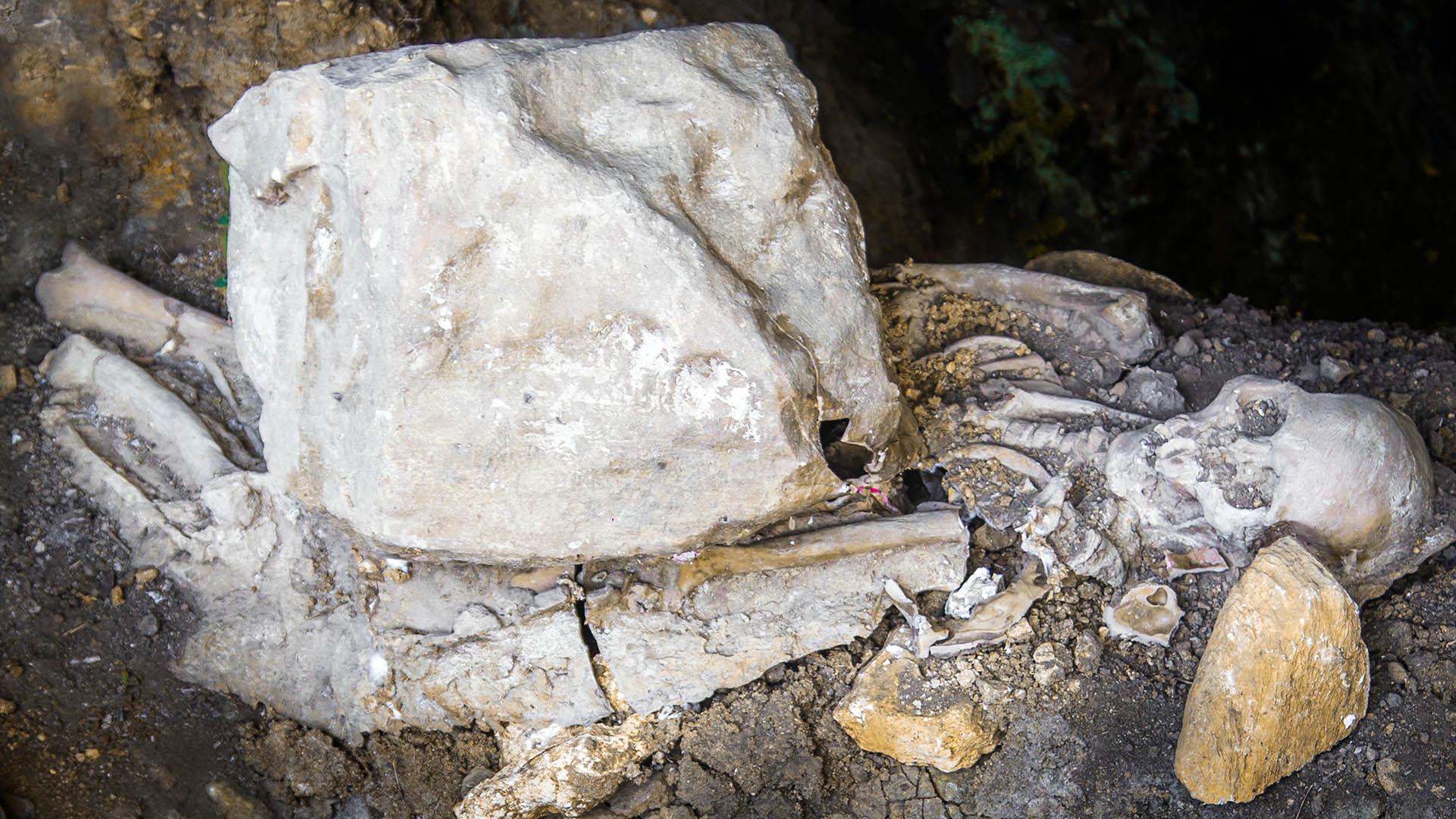
Around these individuals, researchers reconstruct their material world. In Neanderthal layers, stone tools show careful shaping – scrapers, points, and blades used to butcher animals and work skins. Some levels contain hints of symbolic behaviour: worked bone, pigments, and possible personal ornaments that may have accompanied the dead. One grave-like setting shows a Neanderthal body placed with care, the surrounding stones and sediments suggesting ritual rather than mere disposal. For Denisovans, physical remains are rare – a finger bone here, a tooth there – but their DNA is abundant in sediments. They emerge as powerful ghosts: almost invisible in the archaeological record, yet genetically influential across vast regions of Asia and Oceania, where many living people still carry Denisovan ancestry.
This research takes readers on a tour across prehistoric and historic Eurasia, using ancient DNA to bring long-dead communities back into the story. From elite warriors to ordinary farmers, from steppe herders to coastal villagers, it traces who moved where, who mixed with whom, and how these movements reshaped the population map we still live with today. The great drama unfolds in the overlapping presence of different human groups in the same regions. In some cave layers, Neanderthal DNA gives way to modern human DNA, with only a thin band of sediment between them, suggesting these meetings were not always hostile or distant.
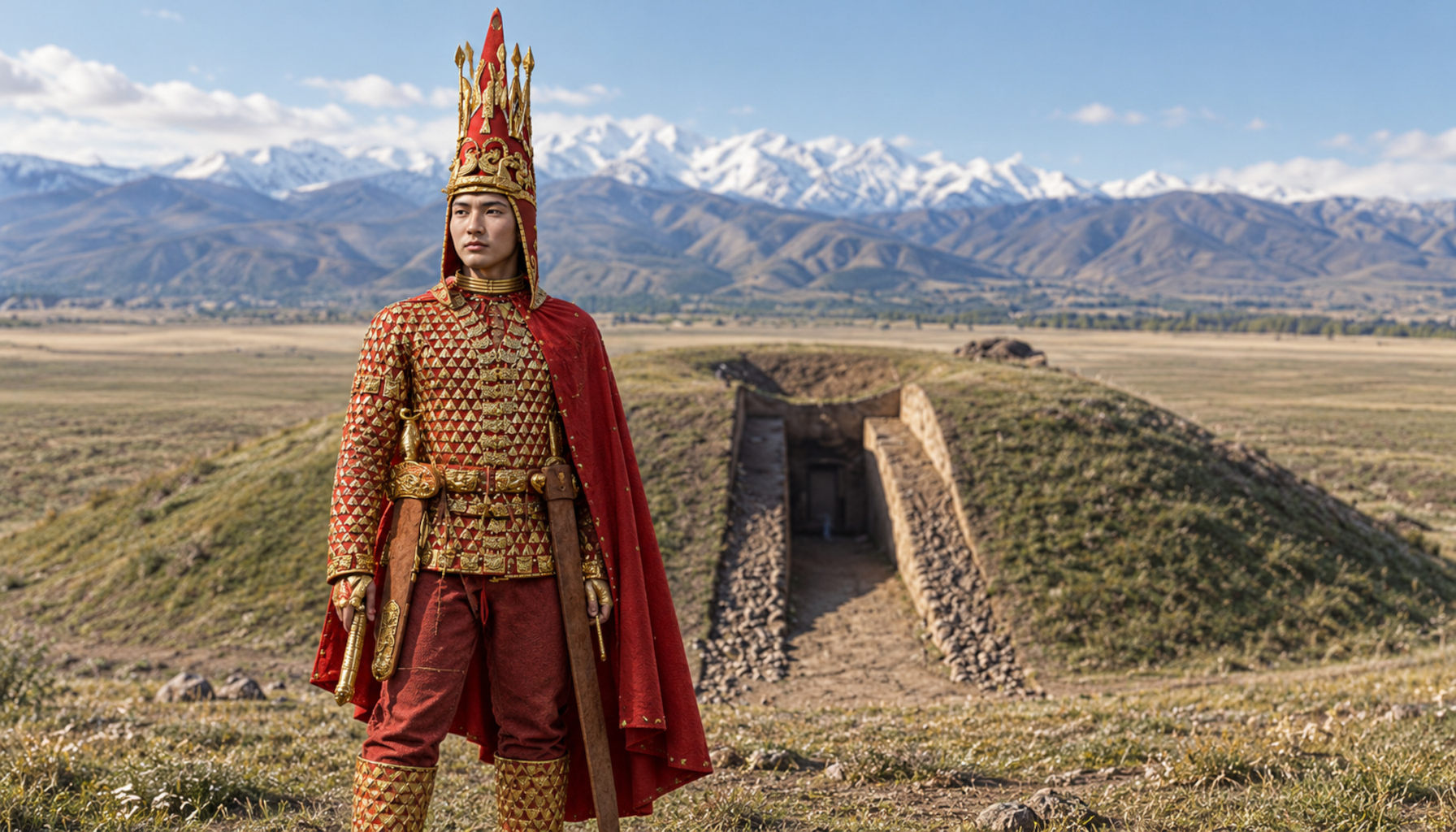
The research repeatedly starts not in the lab but in the trench: skeletons lifted from graves, alongside bead necklaces, weapons, horse gear, ornaments, or pottery. These are not anonymous data points, but people whose lives can be read in both their grave goods and their genomes. On windswept steppe burial mounds, archaeologists recover horse harness, weapons, and drinking gear that speak of mounted warriors and travelling herders. In river-valley cemeteries, richly furnished women's graves, with brooches, glass beads, and imported trinkets, reveal marriage networks stretching over hundreds of kilometres. Each grave is plotted in space and time, then compared to hundreds of other genomes to show where the buried person's ancestors had come from.
One dramatic strand follows the movements of steppe herders whose burials are packed with horse gear, metal weapons, and distinctive pottery. Their genomes reveal ancestry typical of the wide Eurasian steppe. At several cemeteries, men buried with horse equipment and rich weapons show strong steppe genetic profiles, quite different from earlier local farmers. Yet women in the same cemeteries often show mixed ancestry, with strong roots in older local groups, suggesting incoming herding groups marrying into long-settled farming communities. Not all movement represents dramatic invasion. Quieter forms of mobility occur along coasts and rivers: coastal communities with individuals carrying ancestry pointing inland, riverine cemeteries showing repeated arrivals from upstream and downstream, turning rivers into genetic conveyor belts.
The technical revolution underlying these discoveries represents a triumph over previously insurmountable challenges. Researchers have learned to coax DNA from human remains that would previously have been written off as hopeless. Not all bones are equal – the dense petrous portion of the temporal bone in the skull and enamel-coated teeth can preserve astonishing amounts of ancient DNA even when the rest of the body has vanished. By drilling into the inner ear region or cracking open molars, teams have shown that deeply protected tissues carry far more authentic genetic material than long bones or ribs exposed to centuries of moisture and microbes.
New protocols work with tiny amounts of powder, strip away surface contamination, and target the most protected parts of each specimen. When processed on modern sequencing machines, the result is a flood of data: whole genomes from plague victims, genetic profiles of monks and nuns, or soldiers interred with sword fittings. The team distinguishes truly ancient DNA from modern intruders by recognizing specific damage patterns: short fragments, broken ends, and characteristic chemical changes that accumulate over centuries. Physical spaces include dedicated, ultra-clean rooms completely separate from modern DNA work, with staff in full protective suits and surfaces regularly treated with bleach and ultraviolet light.
The most compelling advances come from weaving DNA and archaeology tightly together, so that individual skeletons from famous archaeological layers become named actors in historical dramas. Classic Upper Palaeolithic layers, such as the Châtelperronian – those intriguing deposits lying between older Neanderthal levels and later modern human horizons – are revisited not as anonymous cultures of stone tools, but as places where specific men, women, and children once lived, died, and were buried. Caves and rock-shelters with long occupation sequences become like multi-storey houses: Neanderthal levels at the bottom, early modern humans above, and sometimes confusing mixtures between.
Two ancient individuals, labelled STIT4 and STIT5, are treated almost like historical persons rather than statistics. Each comes from carefully documented contexts, excavated layer by layer. STIT4 belongs to a level where the stone industry shifts in character, hinting at new people or ideas. The DNA confirms this: their genome shows mixed ancestries, suggesting a person born into a network spanning different groups. STIT5, from another level, carries a different genetic blend, in step with changes in toolkits and ornaments of that layer. By following these individuals through stratigraphic sequences, researchers track the movement of people through time inside single caves, just as clearly as changes from one type of stone point to another.
Behind every sequence of genetic bases lies a once-living person, buried in a particular place, with particular grave goods, in a specific historical moment. Recovering DNA from skeletons is not a neutral technical act, but part of a longer story of excavation, curation, and sometimes exploitation. Human bodies change after death, and soil chemistry, moisture, temperature, and skeleton position all affect how bones and teeth survive. This uneven survival means genetic pictures of the past are always skewed, potentially hearing mostly from people buried in favorable conditions while missing those in acidic soils or disturbed layers.
The most striking or important burials are often the most frequently sampled – repeatedly drilled, cut, and cored – while anonymous skeletons remain untouched. Over decades, this can strip iconic graves of material while leaving entire social groups genetically silent. Museum infrastructure and field methods shape pictures of migration, kinship, and ancestry as much as ancient demography. There is also temptation to align DNA results directly with grave goods, but social identities expressed through burial practices were complex, negotiated, and sometimes aspirational. DNA cannot be read as a direct map of belonging.
Many skeletons come from lands that today are home to descendant and local communities with their own claims, memories, and beliefs about the dead. Even when burials are over a thousand years old, exhuming and grinding teeth is not just a laboratory matter. Consultation has led to agreements that only certain elements will be sampled, and that results will be shared and discussed locally before international publication. Access to results is as important as access to bones, ensuring that local museums and communities can access and interpret findings rather than simply serving as audiences.
The seductive power of genetic storytelling requires careful management. Once researchers have ancestry profiles, sex determinations, kinship links, and radiocarbon dates, it becomes tempting to spin full biographies. However, graves show evidence of post-mortem disturbance: bodies rearranged long after death, tombs reopened to add individuals, burials affected by later construction. Skeletons have been sorted, mixed, or accidentally combined in storage. DNA may belong to someone moved or reburied long after original funeral rites.
Conservative sampling strategies are essential because each tooth or petrous bone can only be drilled once. Some classic graves have already lost multiple elements to earlier scientific campaigns. Researchers now prioritize under-studied individuals and use screening techniques like micro-CT scanning and collagen assessment to identify skeletons with realistic chances of yielding DNA before destructive sampling.
Modern genetic categories – ancestry clusters, geographic labels, admixture patterns – may clash with how people in the past saw themselves. In cemeteries where grave goods hint at finely grained local statuses, modern labels can flatten rich social textures into blunt continental blocks. Men buried with identical weapon sets may show quite different ancestry patterns, yet they clearly shared social identity as community warriors. Where children and adults buried together share little genetic kinship but careful arrangements, researchers may be observing households, fosterage, or ritual groupings rather than biological families.
Ancient DNA represents a powerful but dangerously seductive voice from the past. It can reveal that warriors buried side by side are brothers, that bead-wearing women came from distant regions, or that children in lavish graves are unrelated to nearby adults. However, such insights must be placed back into the messy, partial, and heavily curated archaeological record. Reconstructing past human lives from DNA requires treating ancient individuals not just as data points but as partners in a fraught, carefully negotiated reconstruction of the human past.
The caves and stone tools that archaeologists have excavated for over a century now gain voices: lines of descent, webs of kinship, and traces of long-ago meetings between different kinds of humans, all reconstructed from fragile DNA still clinging to ancient bone and cave dust. This revolution in understanding human prehistory demonstrates how fragments recovered from the earth can illuminate the complex stories of our ancestors, their movements, their relationships, and their encounters across the deep human past. The integration of genetic, archaeological, and anthropological approaches promises to continue revealing new insights into the rich tapestry of human experience throughout history.
Original source: https://www.cell.com/iscience/fulltext/S2589-0042(26)01688-4
Comments