Ancient DNA reveals diverse origins at a 7th-century Madrid burial site
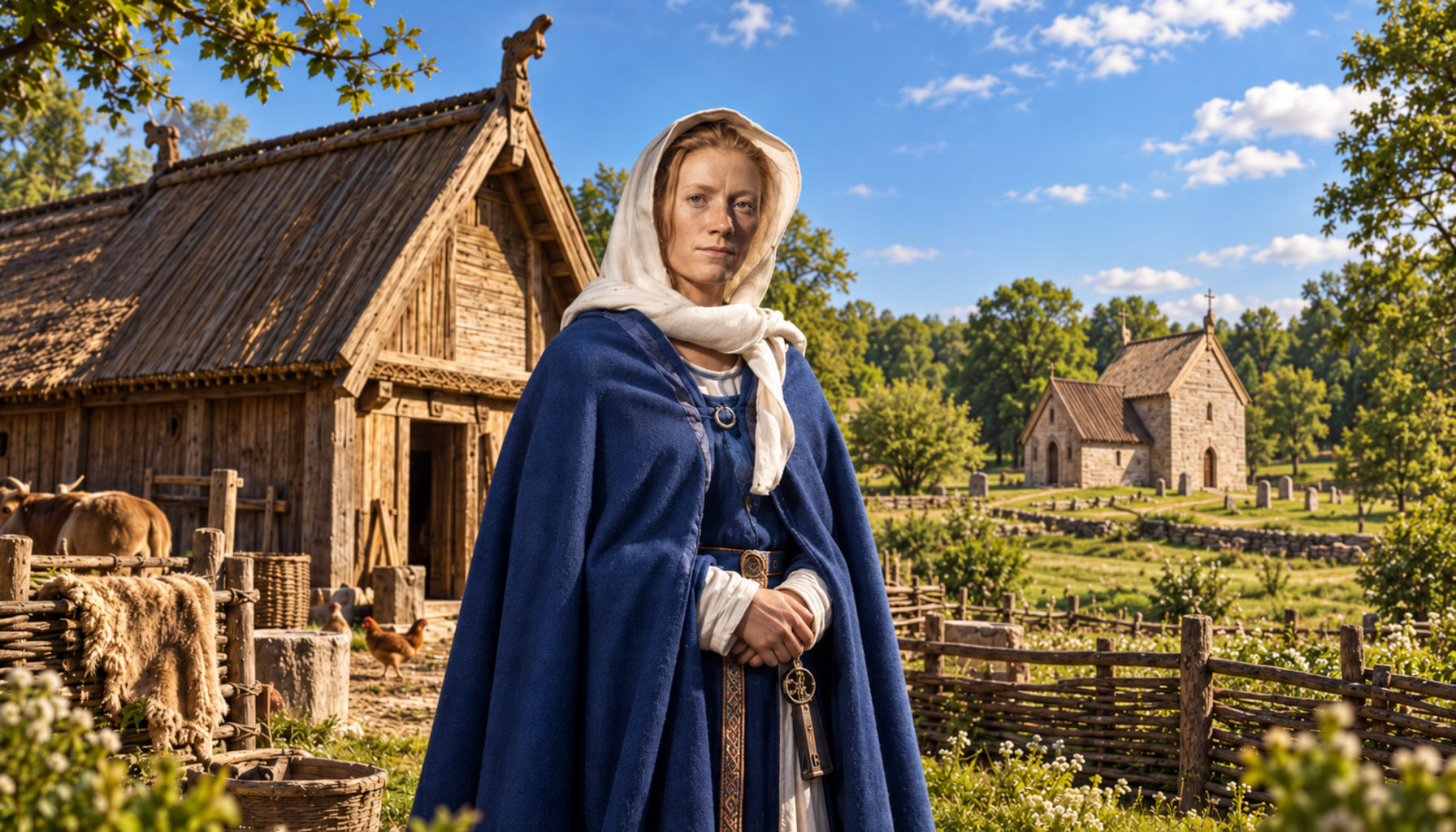
El Rebollar: A Mountain Church Full of Surprises High in Spain's Sierra de Guadarrama, a seventh-century church at El Boalo served as both house of worship and house of the dead. At first glance it seems a remote, isolated place — yet the burials inside tell a far more
Latest Articles
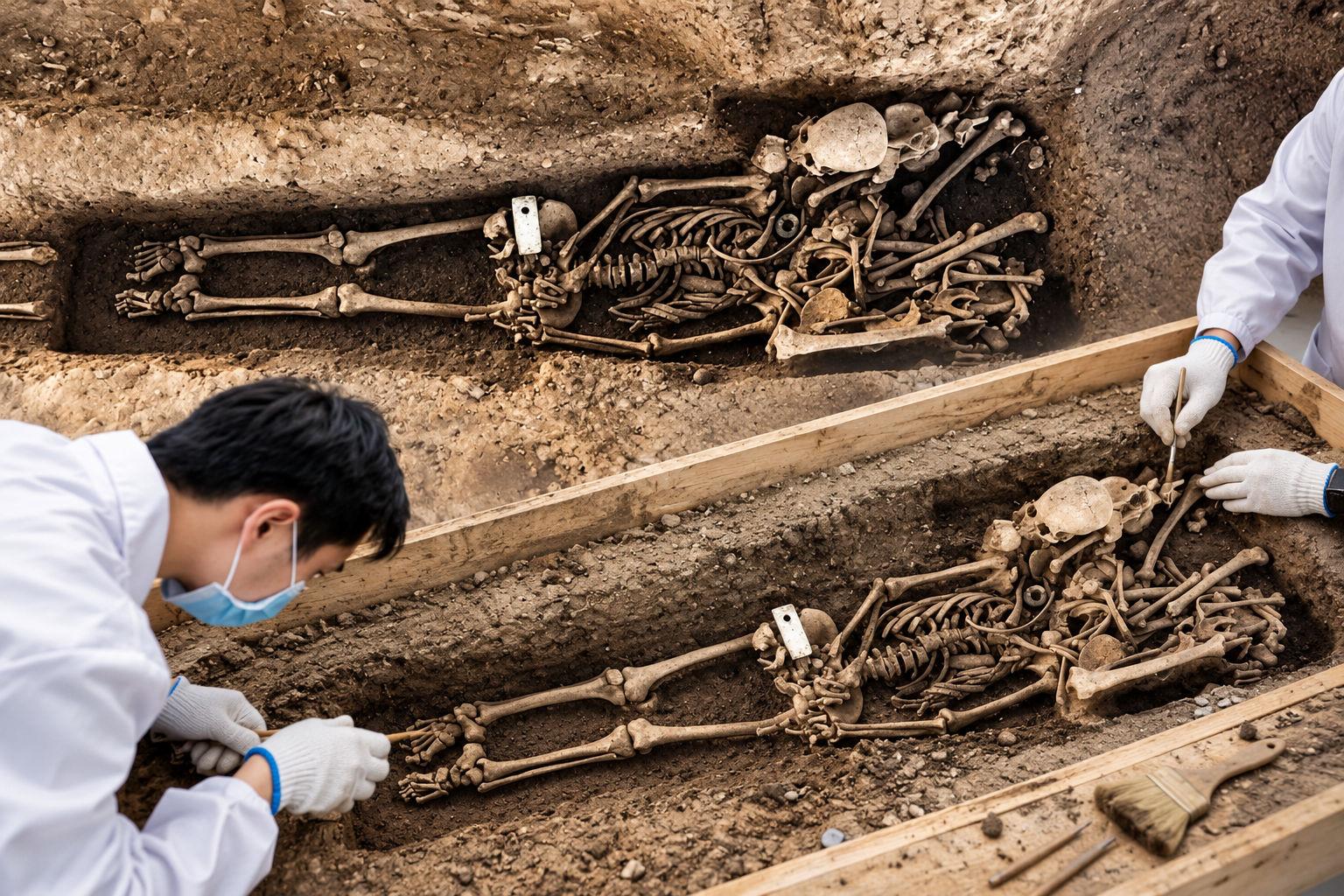
Ancient DNA reveals family ties, ancestry, sex, and bone disease in degraded Song Dynasty remains
Zhangliu: A Song Dynasty Burial Ground in the Huai River World In the river-shaped landscapes of eastern China, the Zhangliu site opens a vivid window into the Song Dynasty world. Located in Huai'an, Jiangsu Province, this burial ground sits in the great meeting zone between north and south
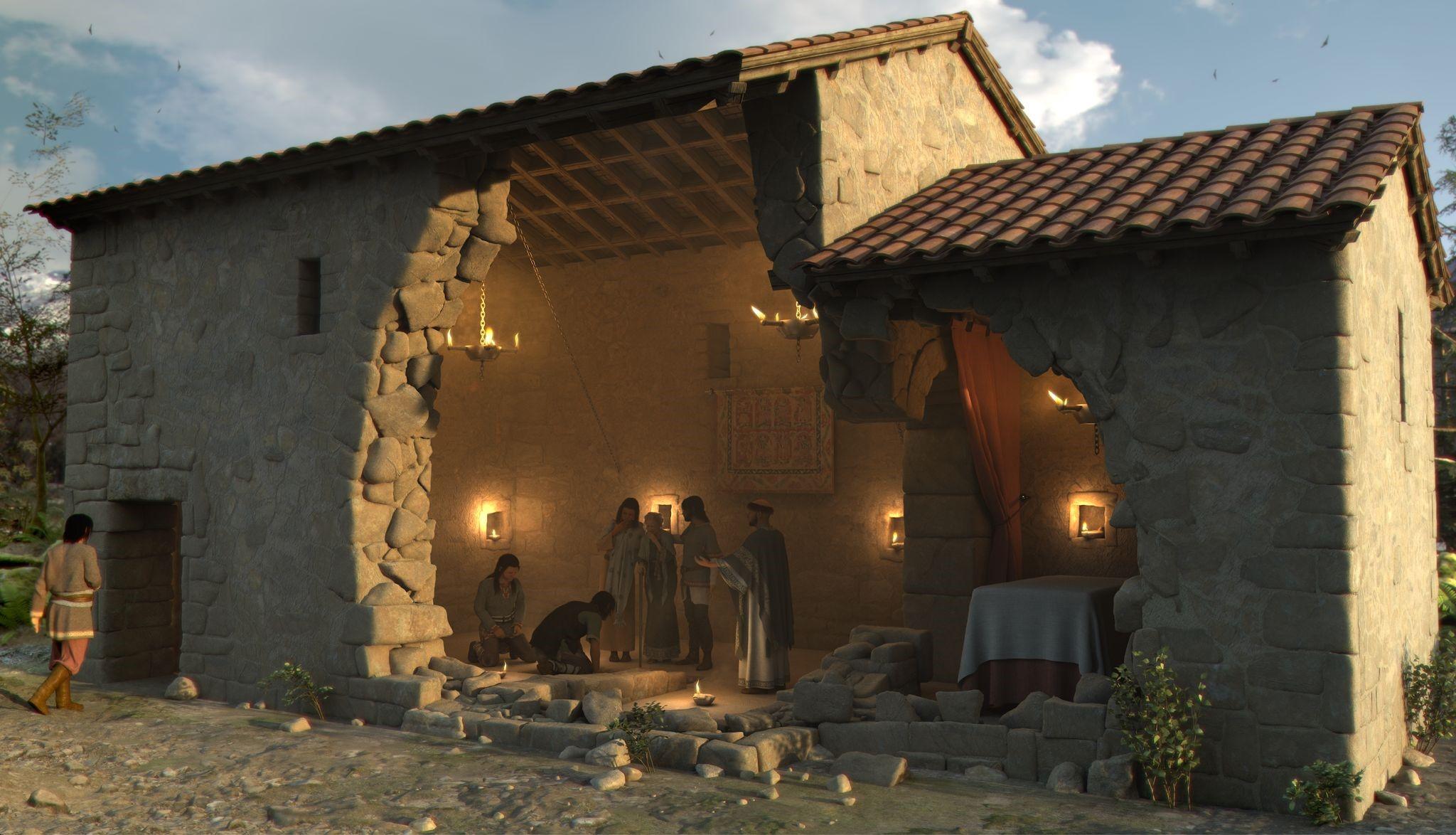
Ancient DNA reveals diverse origins at a 7th-century Madrid burial site
El Rebollar: A Mountain Church Full of Surprises High in Spain's Sierra de Guadarrama, a seventh-century church at El Boalo served as both house of worship and house of the dead. At first glance it seems a remote, isolated place — yet the burials inside tell a far more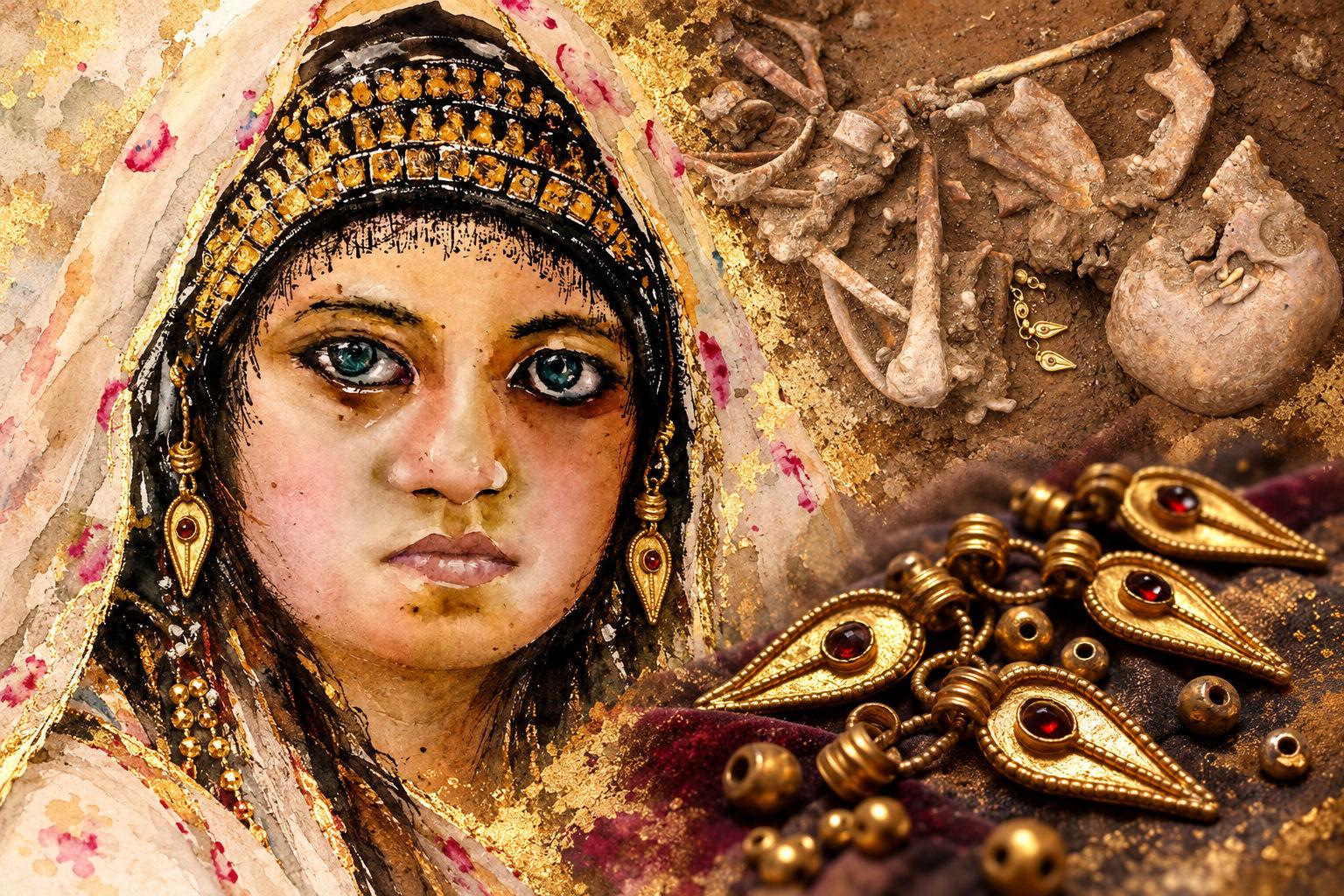
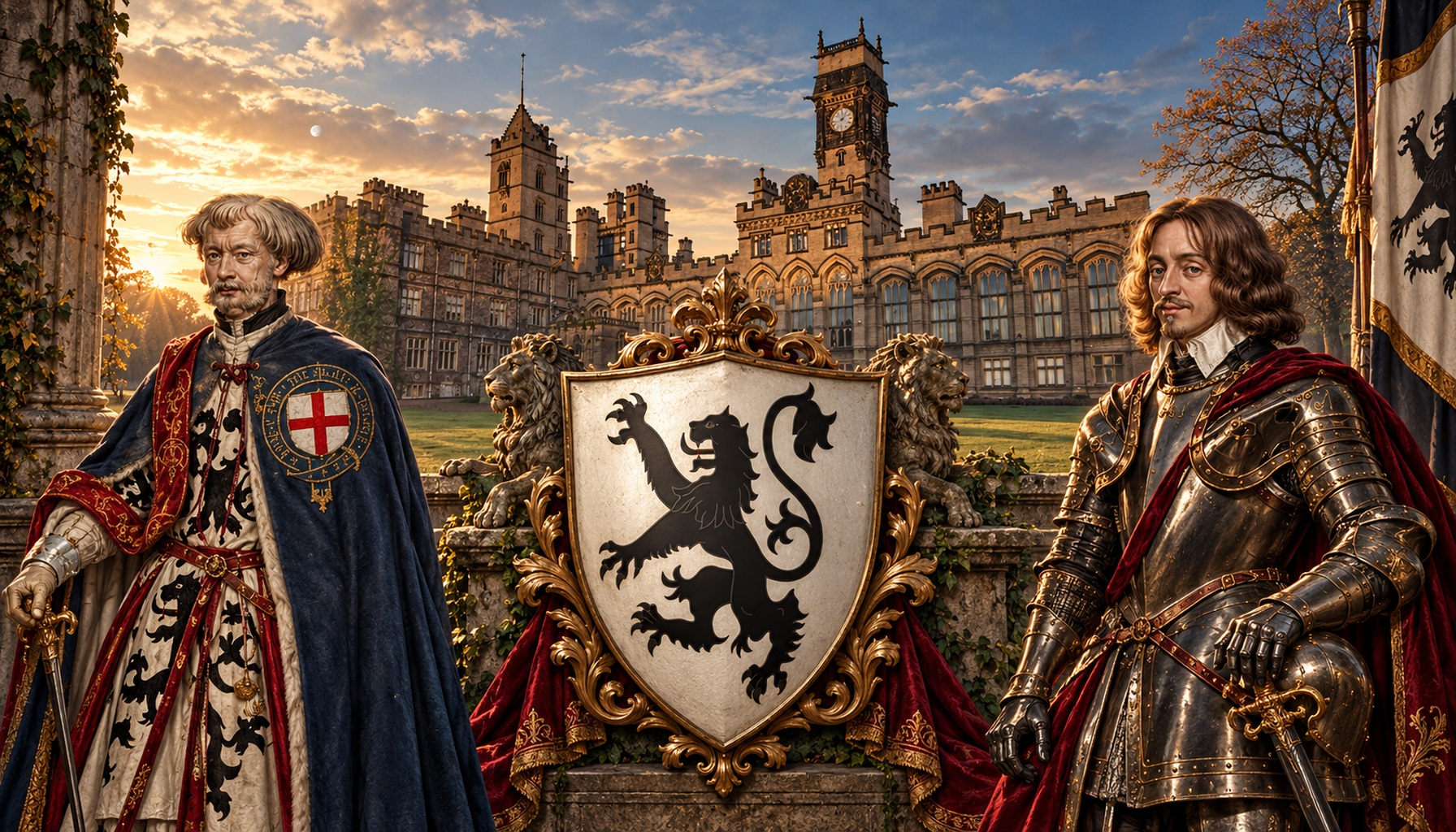
The House Stapleton
House Stapleton Origins and early rise The House Stapleton was an old Anglo-Norman noble family rooted in northern England, especially Yorkshire and the lands around Stapleton-on-Tees, from which the family took its name. In haplogroup terms, the line is here tagged with R1b1a1b1a1a2c1a1e, the primary family haplogroup. Historically, the Stapletons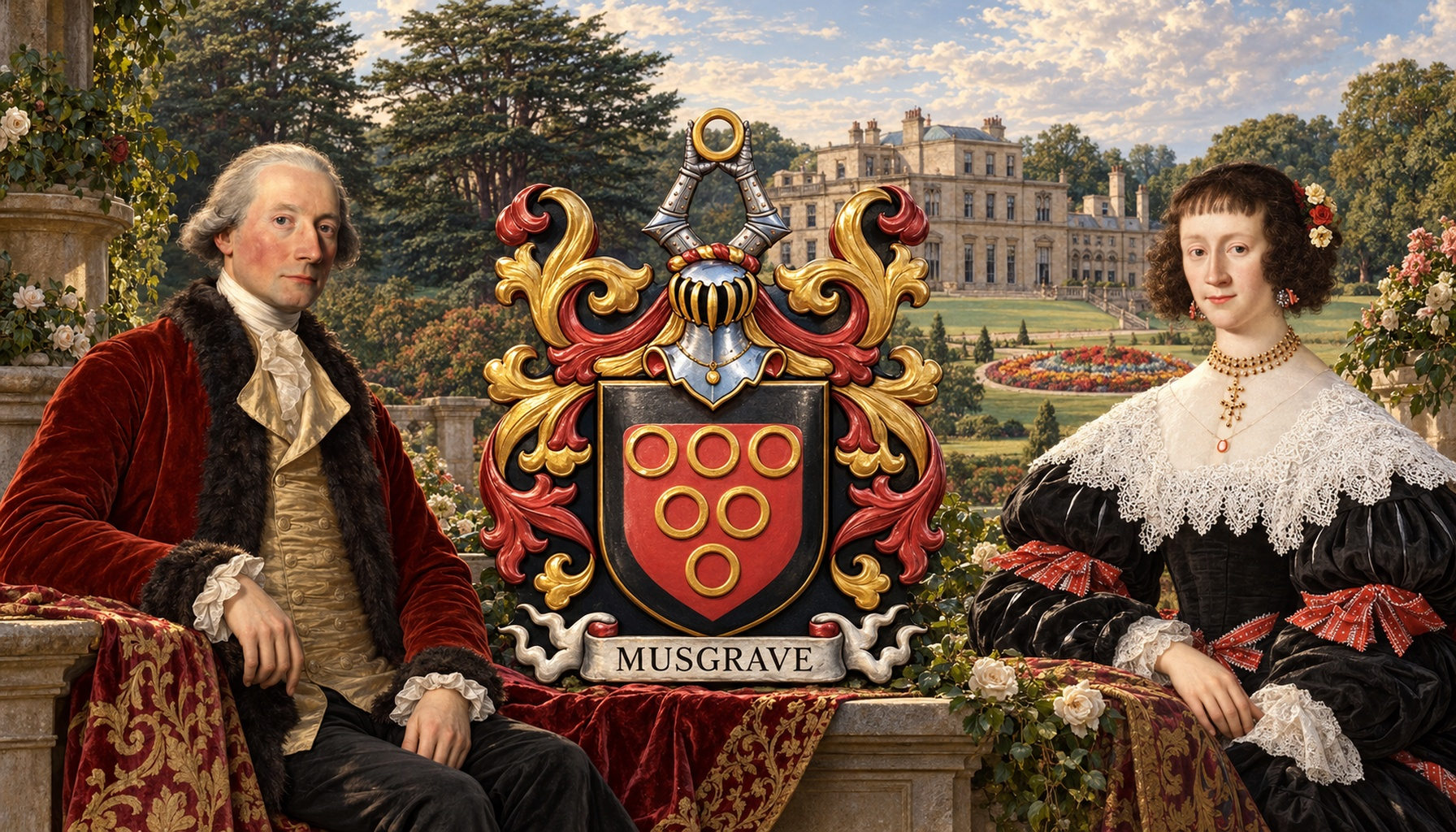
The House Musgrave
House Musgrave Border lords of the north The House Musgrave was one of the old noble families of northern England, rooted in Cumberland and Westmorland and shaped by the hard political weather of the Anglo-Scottish border. Their story is not that of courtly ease in the south, but of a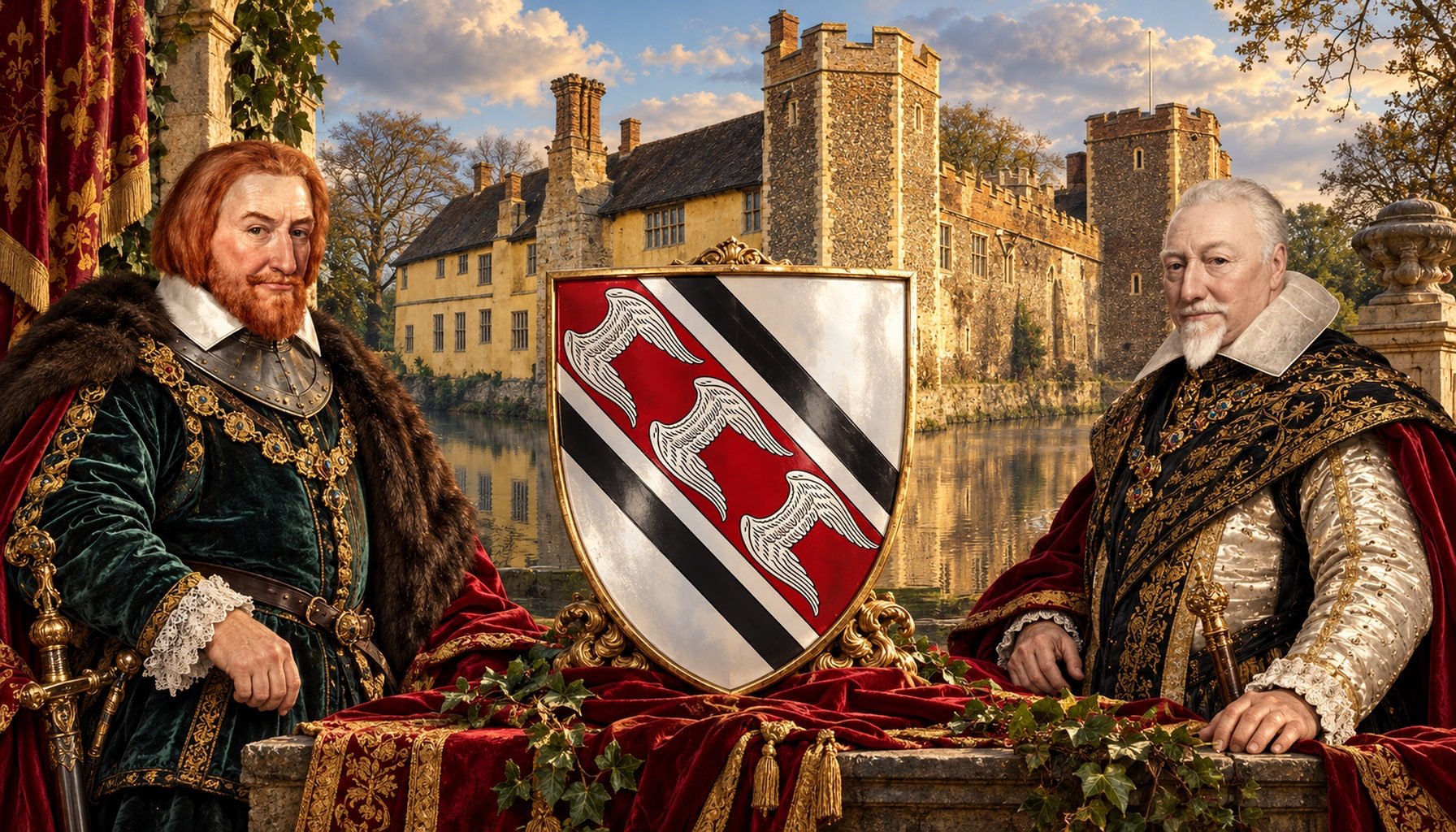
The House Wingfield
The House Wingfield Haplogroup: R1b1a1b1a1a2b The House Wingfield was a medieval English noble family rooted in Suffolk, its name taken from the place of Wingfield itself, and in genetic tagging terms it is linked here with the primary family haplogroup R1b1a1b1a1a2b. That is a very English sort of beginning: a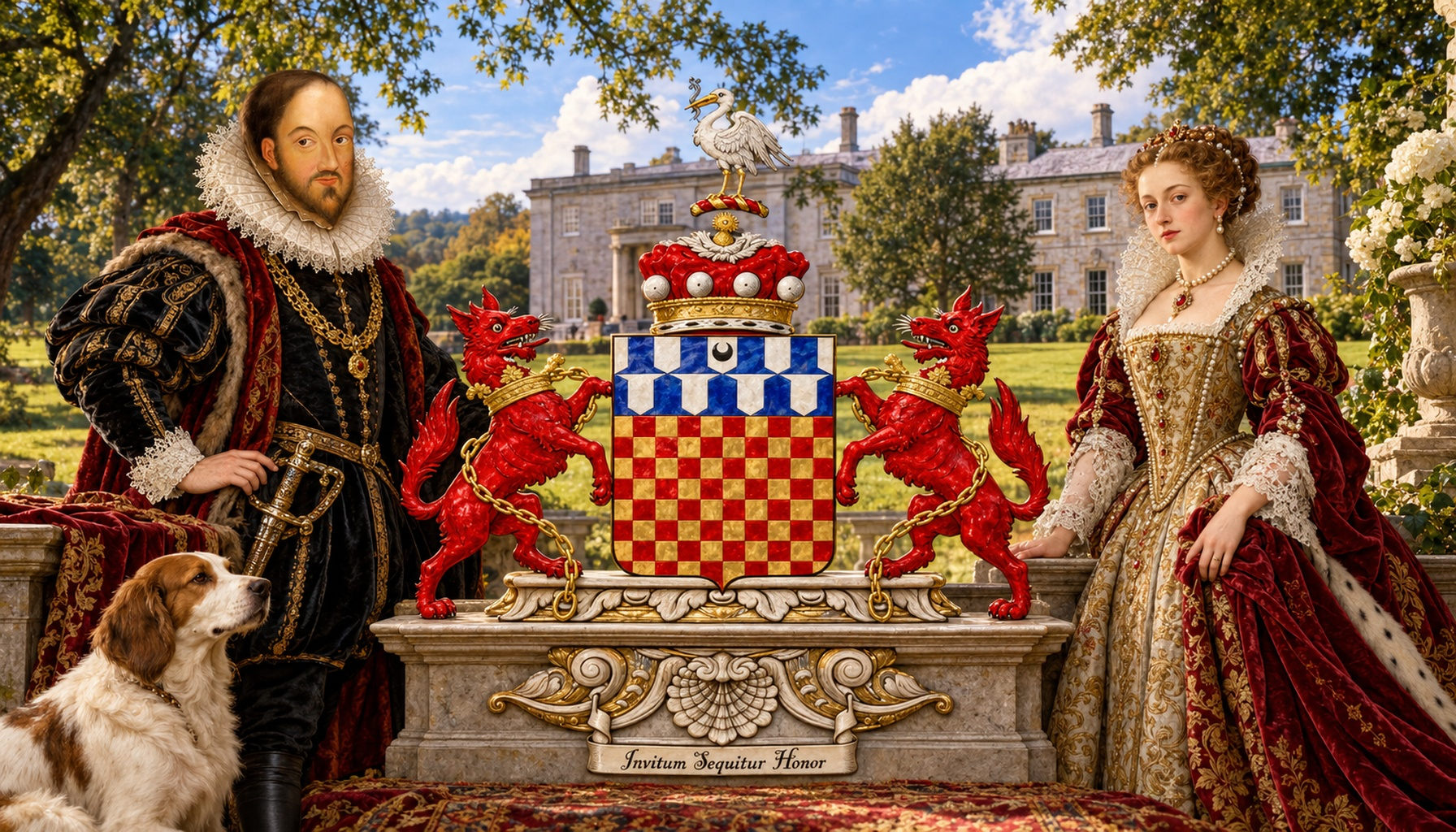
The House Chichester
House Chichester Background The House Chichester was one of those durable west-country families who seem to grow out of the landscape itself: rooted in Devon, shaped by estate management, local influence, and the long habits of royal service. Its main historical story begins in the later Middle Ages, when branches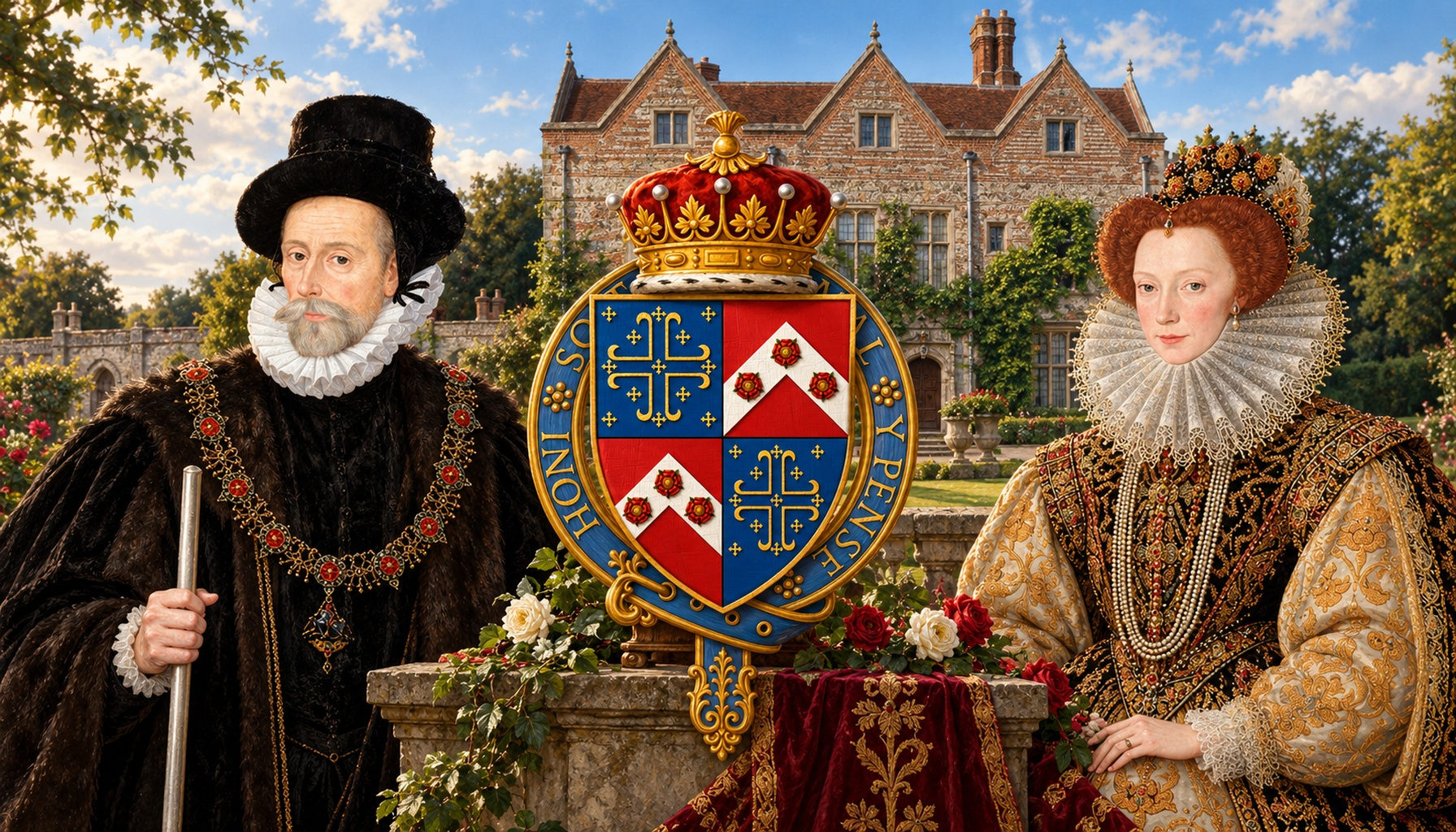
The House Knollys
The House Knollys was an English noble and courtly family whose fortunes rose through service, proximity to the crown, and careful marriage into the political world of Tudor England. Linked here with the primary family haplogroup R1b1a1b1a1a2c1a5a, the Knollys story is not one of some misty, unreachable feudal legend, butCivilizations

Belgae Discussion
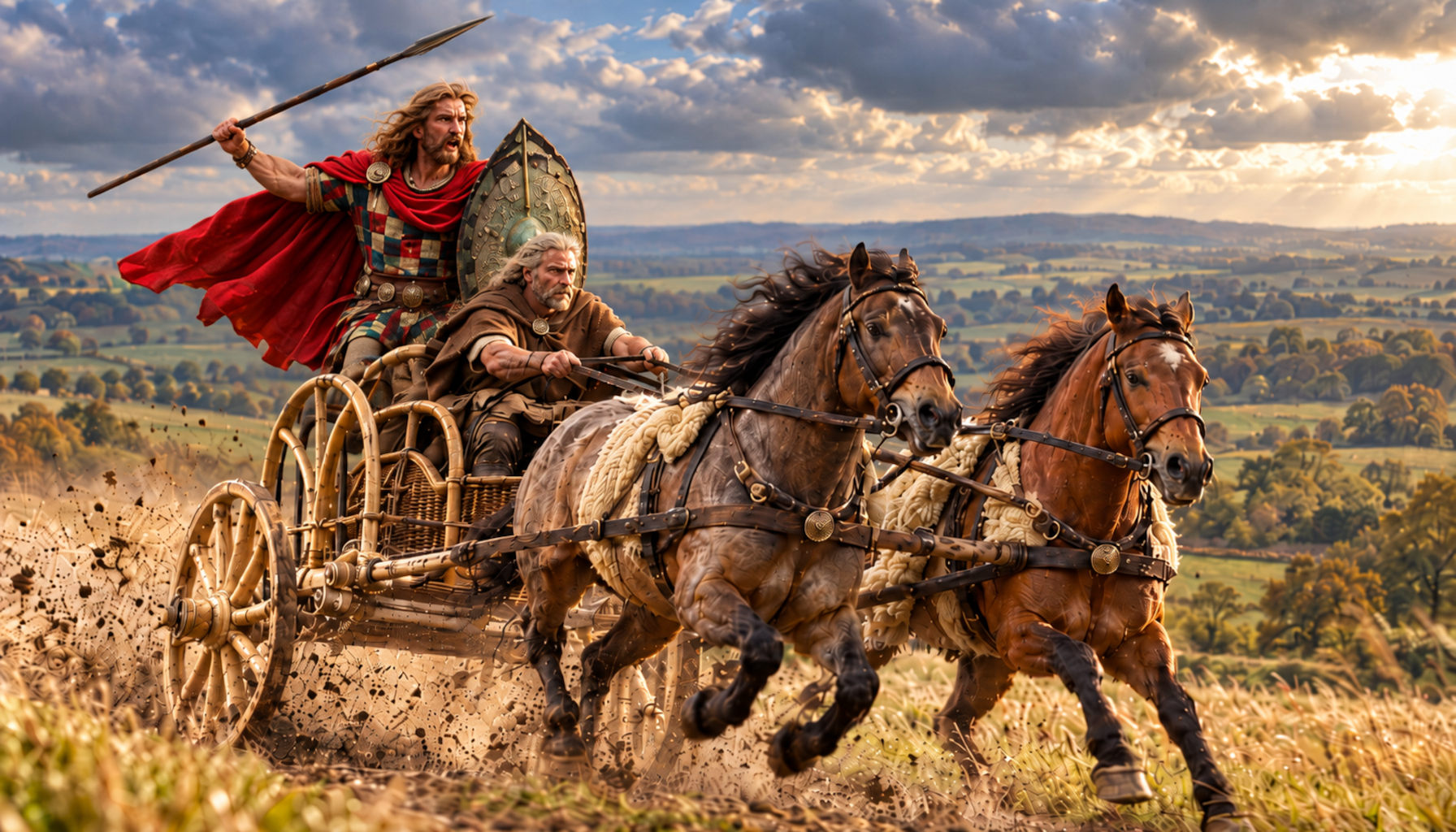
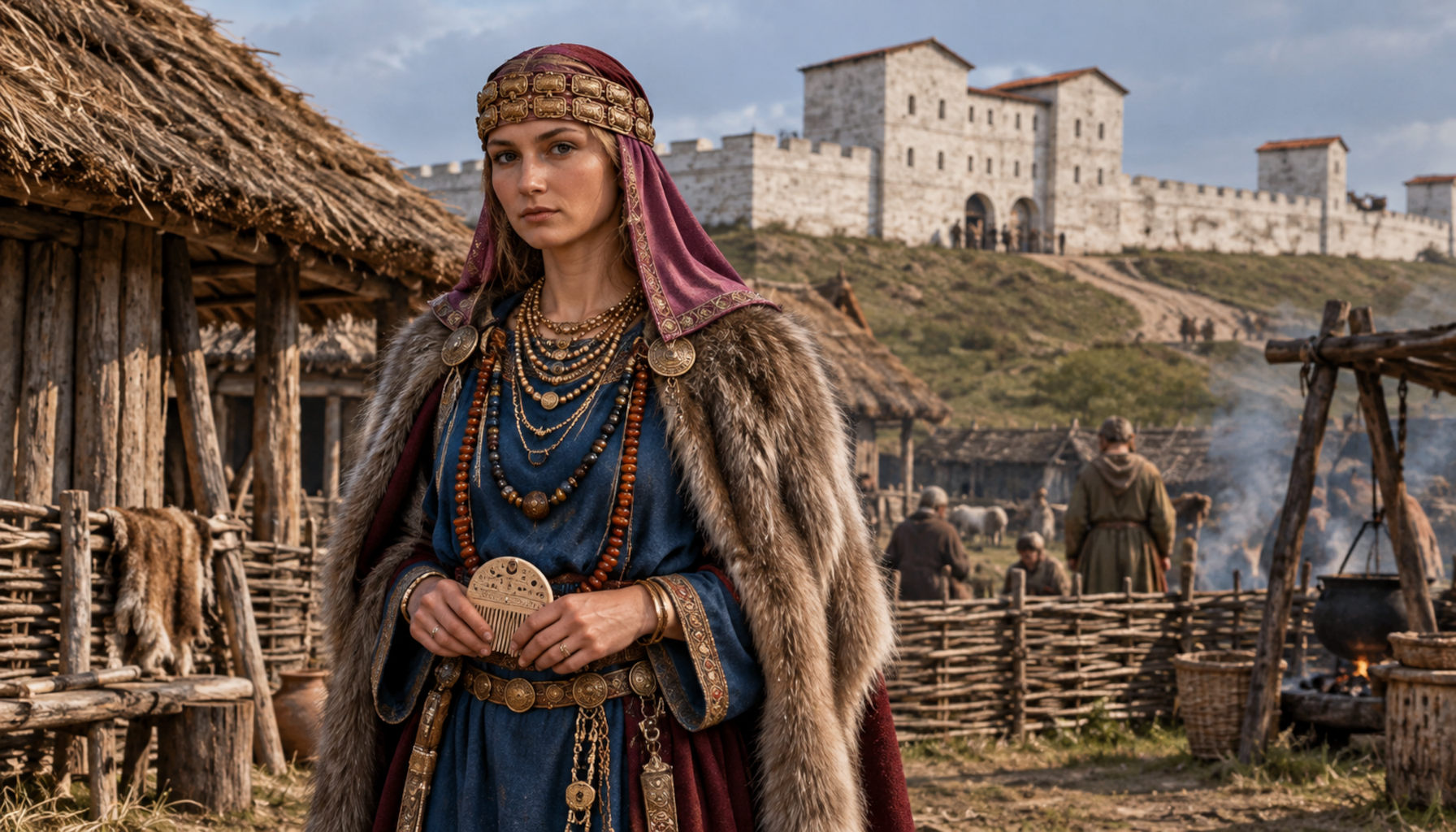
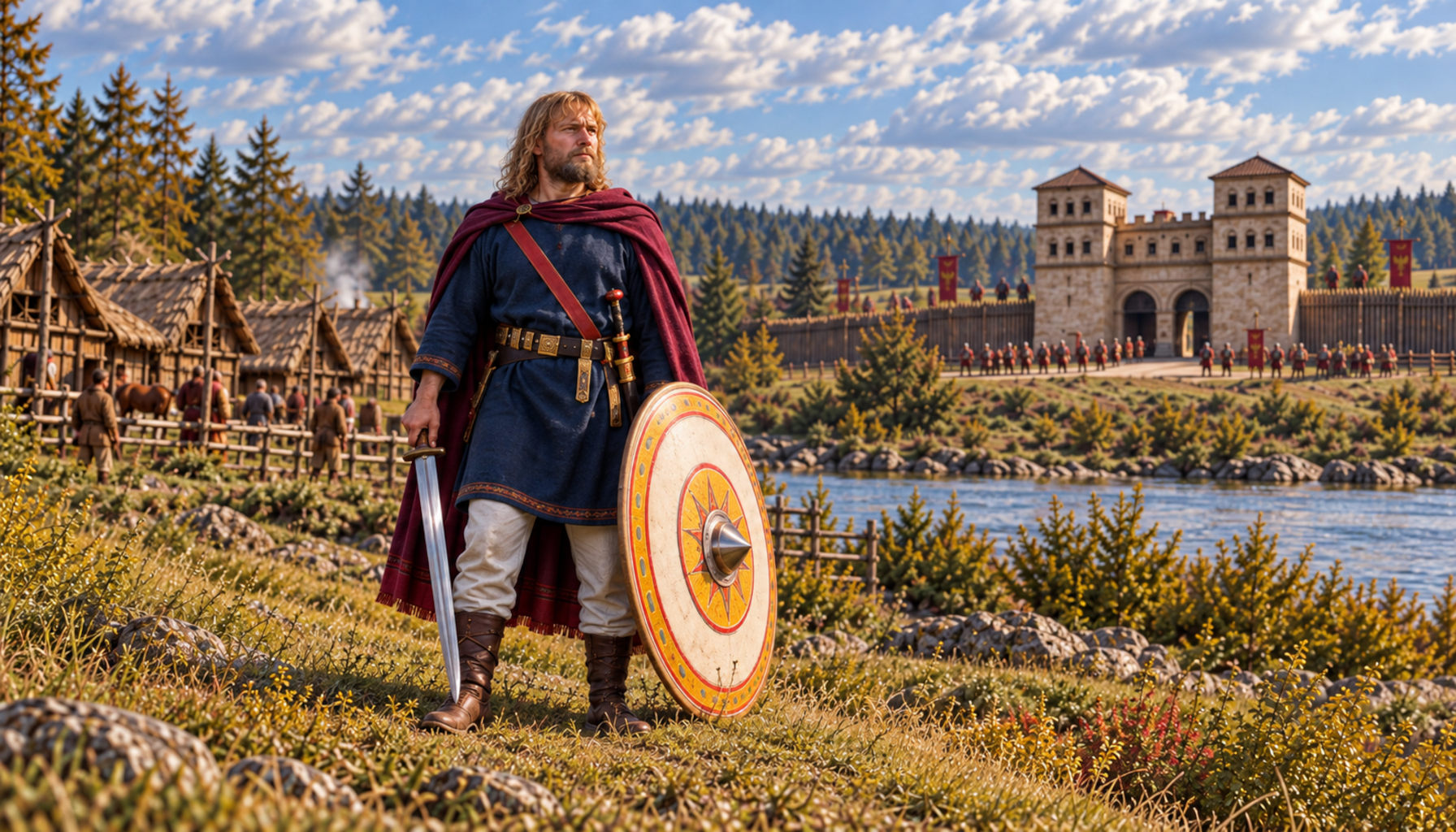
Dedicated for all DNA, Analysis Results, History, Research topics related to: Belgae The ethnic name Belgae comes from the Proto-Celtic word Bolgi which means "The People who Swell with anger or battle fury". These Celtic people lived north of the Gauls and Aquitani and differed by language, customs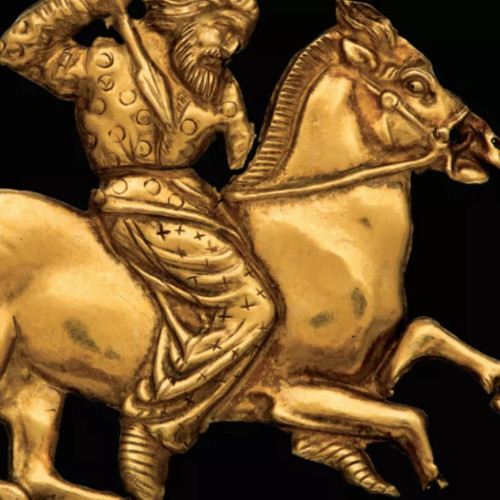
Scythians Discussion
Dedicated for all DNA, Analysis Results, History, Research topics related to: Scythians Scythians had a reputation as the epitome of savagery and barbarism - they were among the earliest peoples to master mounted warfare. They lived in tent-covered wagons and fought with composite bows shot from horseback. With great mobility,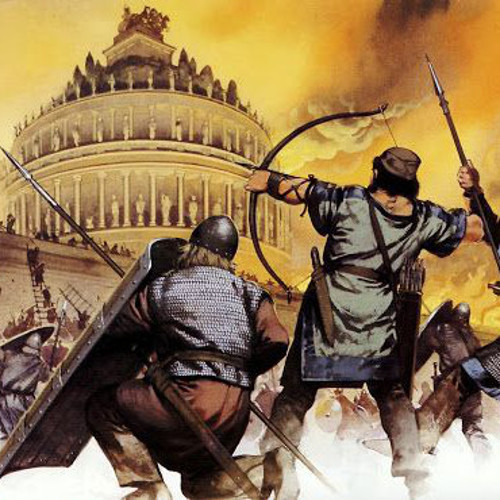
Ostrogoths Discussion
Dedicated for all DNA, Analysis Results, History, Research topics related to: Ostrogoths Originating from Scandinavia, the Goths of Eastern Europe were shattered when Attila and the Huns blasted onto the scene. The Gothic kingdom was split - those who crossed the Danube to enter the Roman Empire became the Visigoths.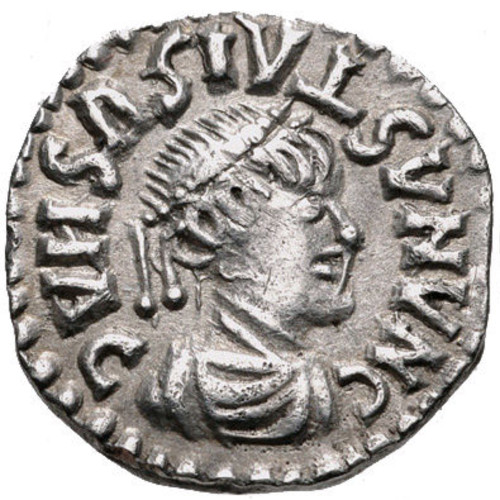
Gepids Discussion
Dedicated for all DNA, Analysis Results, History, Research topics related to: Gepids Gepids were a Germanic tribe realted to the Goths, described as tall and blond-haired. The Gepids fought alongside the Huns against the Roman Empire around 440 AD. Later the Gepids founded a kingdom known as Gepidia in theHaplogroups and Noble Lines
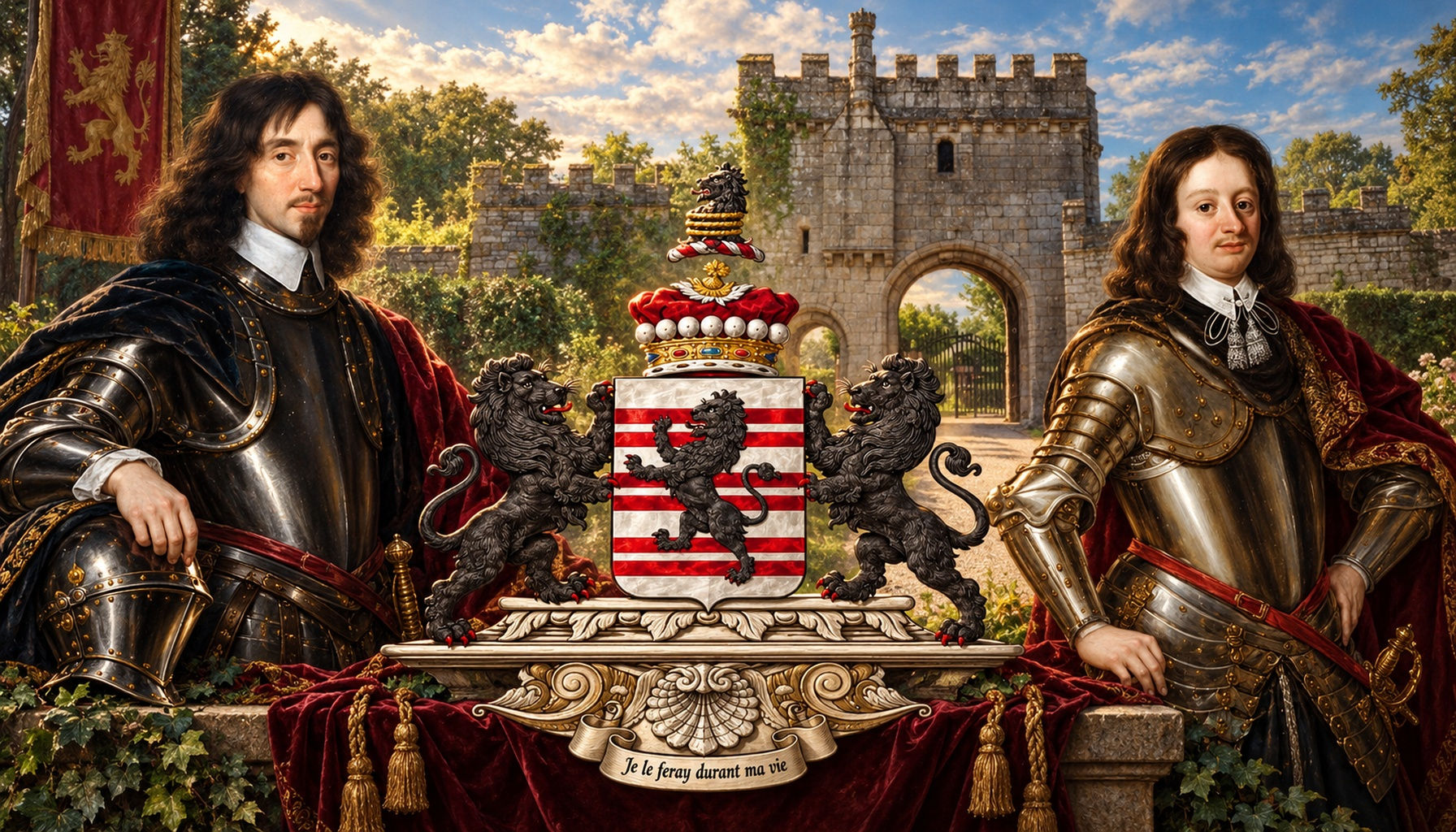
The House Stapleton
House Stapleton Origins and early rise The House Stapleton was an old Anglo-Norman noble family rooted in northern England, especially Yorkshire and the lands around Stapleton-on-Tees, from which the family took its name. In haplogroup terms, the line is here tagged with R1b1a1b1a1a2c1a1e, the primary family haplogroup. Historically, the Stapletons
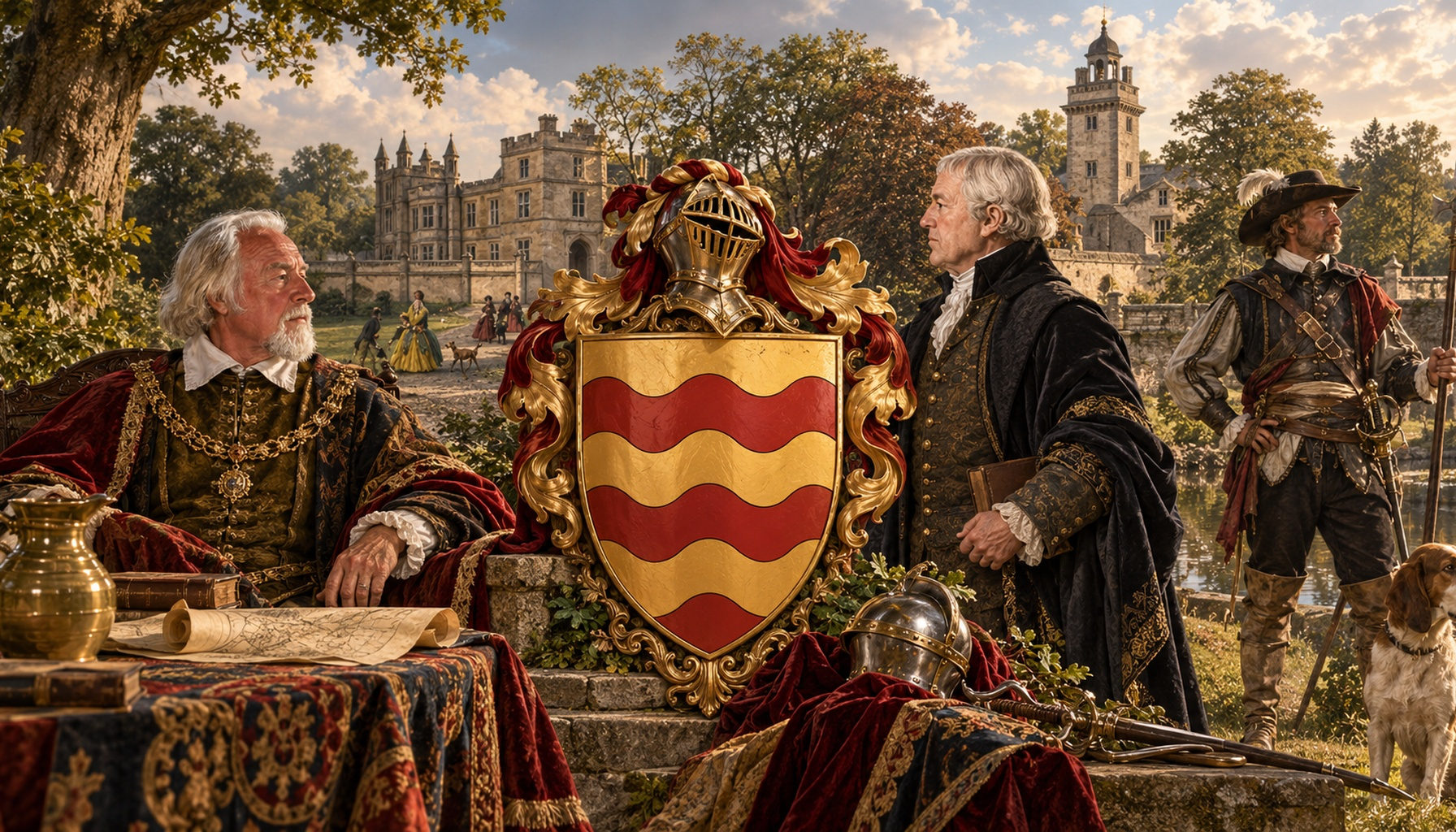
The House Musgrave
House Musgrave Border lords of the north The House Musgrave was one of the old noble families of northern England, rooted in Cumberland and Westmorland and shaped by the hard political weather of the Anglo-Scottish border. Their story is not that of courtly ease in the south, but of a
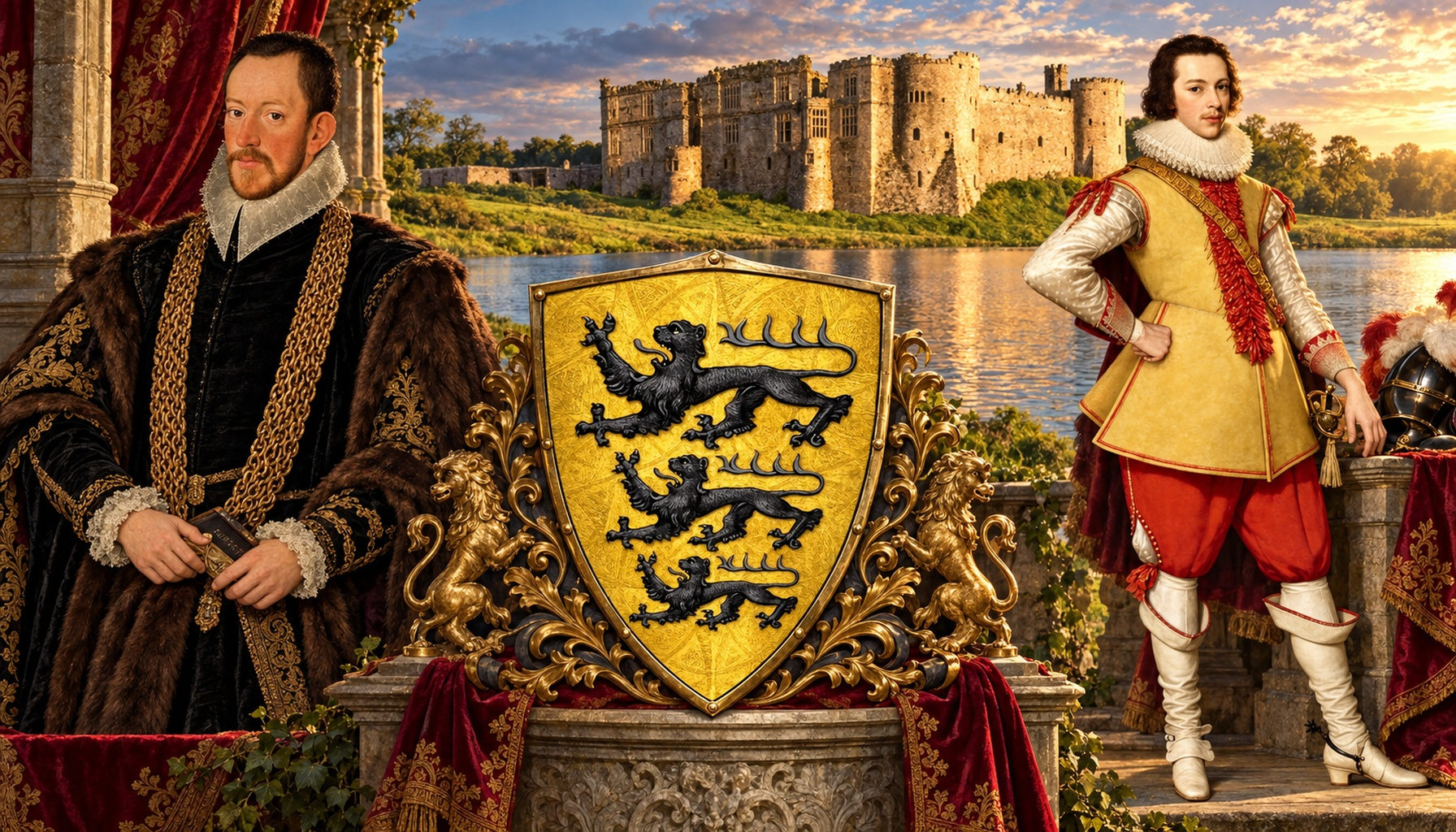
The House Wingfield
The House Wingfield Haplogroup: R1b1a1b1a1a2b The House Wingfield was a medieval English noble family rooted in Suffolk, its name taken from the place of Wingfield itself, and in genetic tagging terms it is linked here with the primary family haplogroup R1b1a1b1a1a2b. That is a very English sort of beginning: a
The House Chichester
House Chichester Background The House Chichester was one of those durable west-country families who seem to grow out of the landscape itself: rooted in Devon, shaped by estate management, local influence, and the long habits of royal service. Its main historical story begins in the later Middle Ages, when branchesLatest Articles
Ancient DNA reveals family ties, ancestry, sex, and bone disease in degraded Song Dynasty remains
Zhangliu: A Song Dynasty Burial Ground in the Huai River World In the river-shaped landscapes of eastern China, the Zhangliu site opens a vivid window into the Song Dynasty world. Located in Huai'an, Jiangsu Province, this burial ground sits in the great meeting zone between north and south
Ancient DNA reveals diverse origins at a 7th-century Madrid burial site
El Rebollar: A Mountain Church Full of Surprises High in Spain's Sierra de Guadarrama, a seventh-century church at El Boalo served as both house of worship and house of the dead. At first glance it seems a remote, isolated place — yet the burials inside tell a far more
The House Stapleton
House Stapleton Origins and early rise The House Stapleton was an old Anglo-Norman noble family rooted in northern England, especially Yorkshire and the lands around Stapleton-on-Tees, from which the family took its name. In haplogroup terms, the line is here tagged with R1b1a1b1a1a2c1a1e, the primary family haplogroup. Historically, the Stapletons
The House Musgrave
House Musgrave Border lords of the north The House Musgrave was one of the old noble families of northern England, rooted in Cumberland and Westmorland and shaped by the hard political weather of the Anglo-Scottish border. Their story is not that of courtly ease in the south, but of a
The House Wingfield
The House Wingfield Haplogroup: R1b1a1b1a1a2b The House Wingfield was a medieval English noble family rooted in Suffolk, its name taken from the place of Wingfield itself, and in genetic tagging terms it is linked here with the primary family haplogroup R1b1a1b1a1a2b. That is a very English sort of beginning: a
The House Chichester
House Chichester Background The House Chichester was one of those durable west-country families who seem to grow out of the landscape itself: rooted in Devon, shaped by estate management, local influence, and the long habits of royal service. Its main historical story begins in the later Middle Ages, when branches