Roman Siege Trophy: The Decapitated Cantabrian Defender from La Loma Caterina November 23, 2025 – 4 min read Share this post Papers Denmark’s Mesolithic–Neolithic Transition: Culture, Genetics, and Timing The dramatic arrival of farming in Denmark For thousands of years, communities across prehistoric Denmark lived by sea, marsh, river, and forest. Then, around 4000 BC, farming arrived with startling force: cattle, crops, new pottery, and new burial customs grouped under the Funnel Beaker tradition. This was not a technical By Sara V • 4 min read Papers Paleogenomics of Ancient Italian Islands Sicily Before Farming: Caves, Burials, and the First Island Foragers Sicily's earliest people survive not in chronicles but in caves: limestone chambers holding broken bones, stone tools, and burials that have become almost characters in their own right. Grotta di San Teodoro, Grotta d'Oriente, Grotta dell& By Sven • 6 min read Papers Thomas Jefferson’s DNA and the Sally Hemings Paternity Question Monticello, Power, and the Human Drama Behind the Question of Paternity Monticello sits on a Virginia hilltop as one of America's most revealing historical landscapes. Beneath its elegant architecture lies a harder truth: this was a plantation sustained by enslaved labor, where ideals of liberty lived side by By Jamie L • 4 min read Papers Denmark’s Mesolithic–Neolithic Transition: Culture, Genetics, and Timing The dramatic arrival of farming in Denmark For thousands of years, communities across prehistoric Denmark lived by sea, marsh, river, and forest. Then, around 4000 BC, farming arrived with startling force: cattle, crops, new pottery, and new burial customs grouped under the Funnel Beaker tradition. This was not a technical By Sara V • 4 min read Haplogroups and Noble Lines Hochdorf Prince The Hochdorf Prince was buried near modern Eberdingen-Hochdorf in southwestern Germany around 530 BC, in the heart of the early Celtic world usually associated with the Hallstatt culture. He matters because his grave is not merely rich; it is one of those archaeological discoveries that makes one stop and stare. By Jamie L • 5 min read Haplogroups and Noble Lines George Bähr George Bähr was one of those figures who shaped a city so completely that his work became part of its identity. Born in Saxony in 1666, he rose from practical training as a carpenter and builder to become one of the most important German Baroque architects of his age. His By Jamie L • 5 min read Haplogroups and Noble Lines Emperor Wu of Northern Zhou Emperor Wu of Northern Zhou, born Yuwen Yong, was one of the decisive rulers of sixth-century China. He reigned from 560 to 578 AD, in the turbulent age of the Northern and Southern Dynasties, when rival courts, frontier armies, and ambitious aristocratic families competed to control the old heartland of By Sara V • 5 min read Haplogroups and Noble Lines Elek Báthory Elek Báthory was a 16th-century Hungarian nobleman from one of the most formidable aristocratic families of late medieval and early modern Central Europe. The Báthorys were not obscure local lords but a dynasty whose various branches supplied military commanders, leading magnates, princes of Transylvania, and most famously Stephen Báthory, who By Sven • 5 min read Haplogroups and Noble Lines Catoctin Furnace Victim The woman often called the Catoctin Furnace Woman was an enslaved African American woman who lived and died in industrial Maryland around the beginning of the 19th century, probably close to 1810. She belonged to the community at Catoctin Furnace, an ironworks in Frederick County that helped supply a young By Jamie L • 5 min read
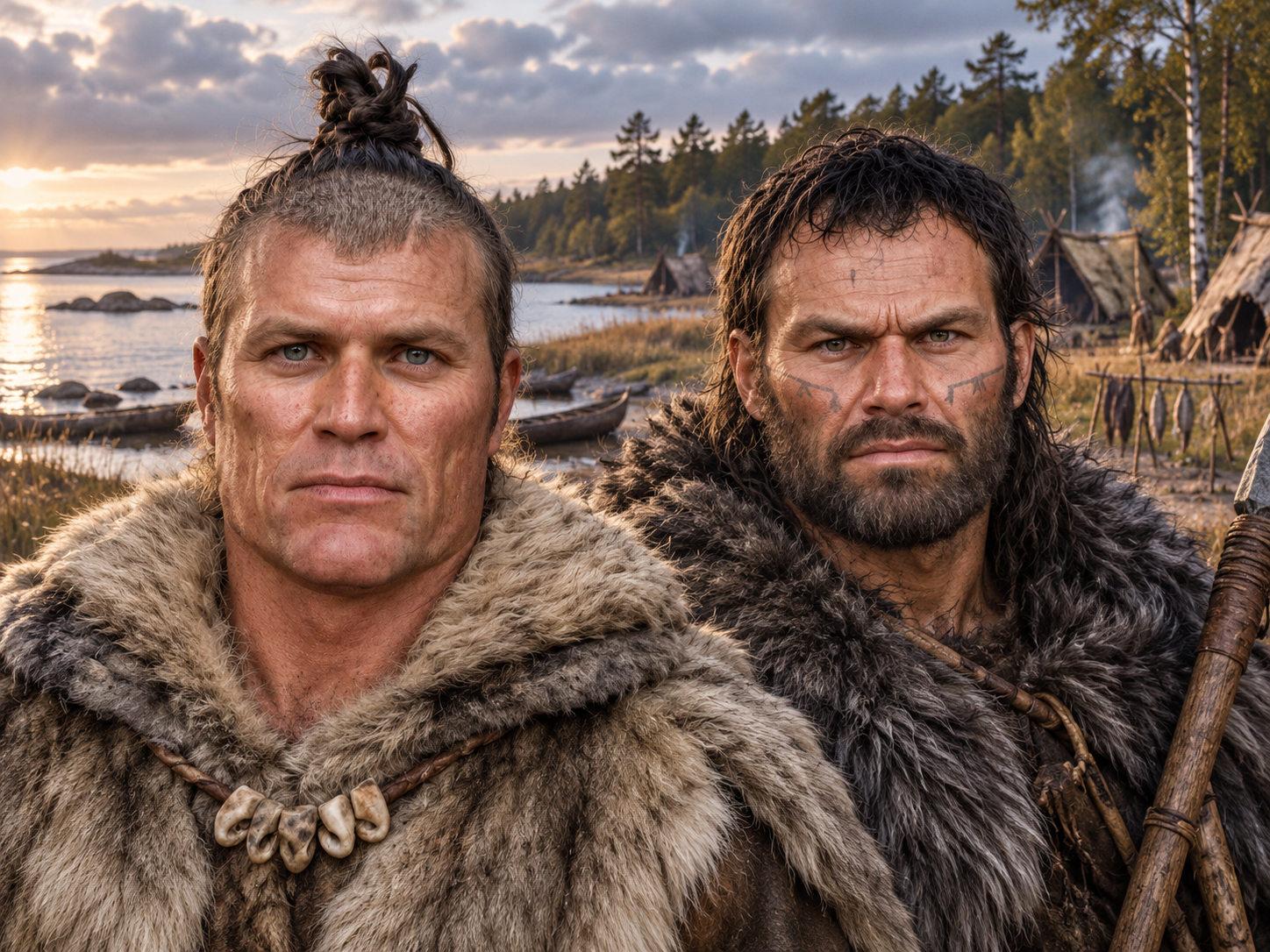
Papers Denmark’s Mesolithic–Neolithic Transition: Culture, Genetics, and Timing The dramatic arrival of farming in Denmark For thousands of years, communities across prehistoric Denmark lived by sea, marsh, river, and forest. Then, around 4000 BC, farming arrived with startling force: cattle, crops, new pottery, and new burial customs grouped under the Funnel Beaker tradition. This was not a technical By Sara V • 4 min read
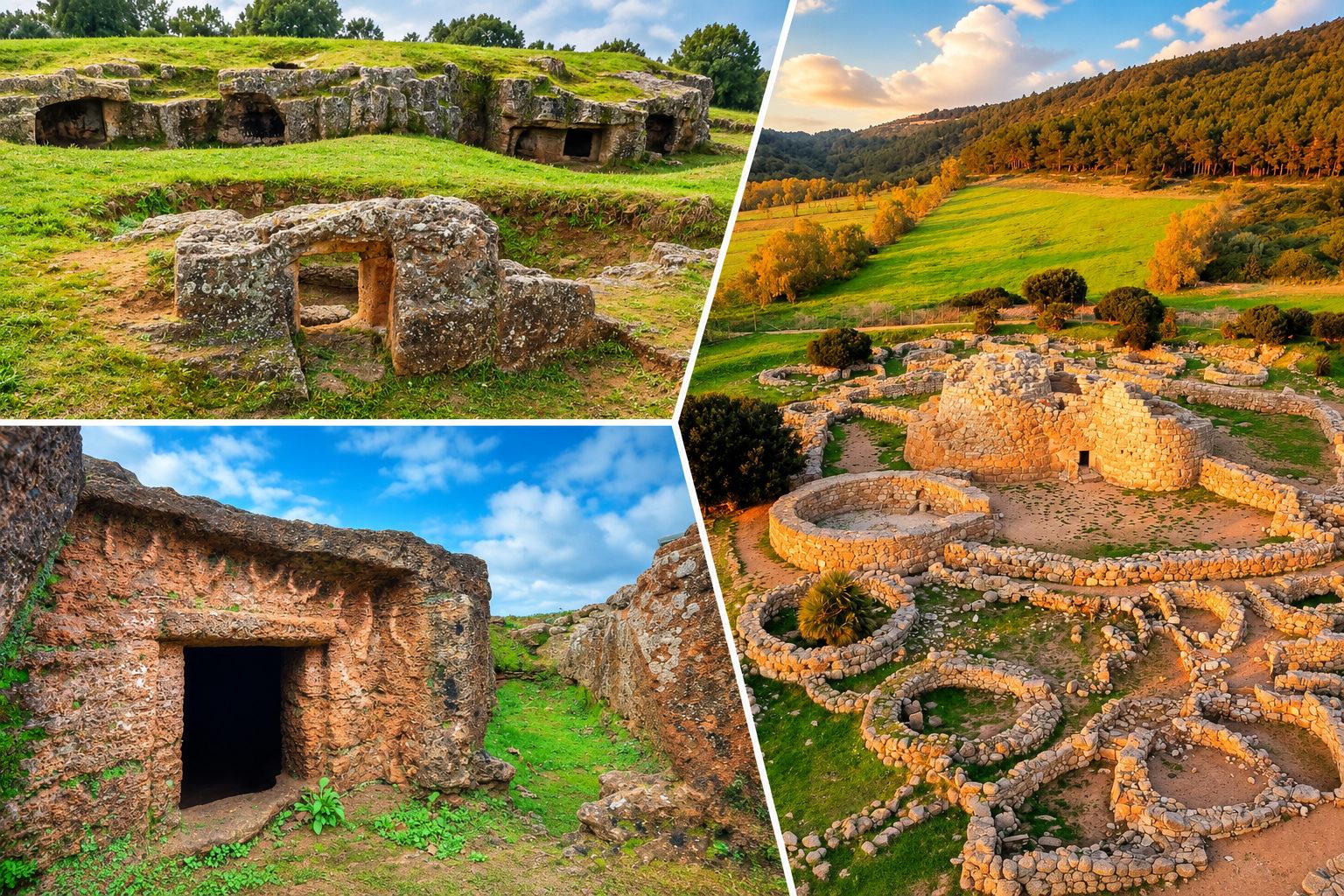
Papers Paleogenomics of Ancient Italian Islands Sicily Before Farming: Caves, Burials, and the First Island Foragers Sicily's earliest people survive not in chronicles but in caves: limestone chambers holding broken bones, stone tools, and burials that have become almost characters in their own right. Grotta di San Teodoro, Grotta d'Oriente, Grotta dell& By Sven • 6 min read
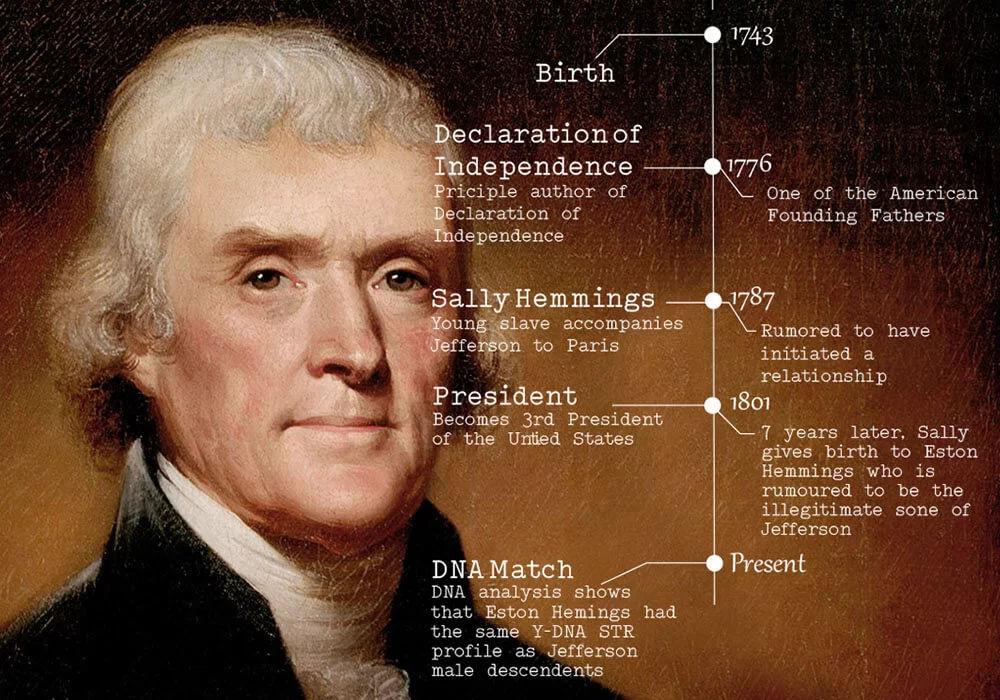
Papers Thomas Jefferson’s DNA and the Sally Hemings Paternity Question Monticello, Power, and the Human Drama Behind the Question of Paternity Monticello sits on a Virginia hilltop as one of America's most revealing historical landscapes. Beneath its elegant architecture lies a harder truth: this was a plantation sustained by enslaved labor, where ideals of liberty lived side by By Jamie L • 4 min read
Papers Denmark’s Mesolithic–Neolithic Transition: Culture, Genetics, and Timing The dramatic arrival of farming in Denmark For thousands of years, communities across prehistoric Denmark lived by sea, marsh, river, and forest. Then, around 4000 BC, farming arrived with startling force: cattle, crops, new pottery, and new burial customs grouped under the Funnel Beaker tradition. This was not a technical By Sara V • 4 min read
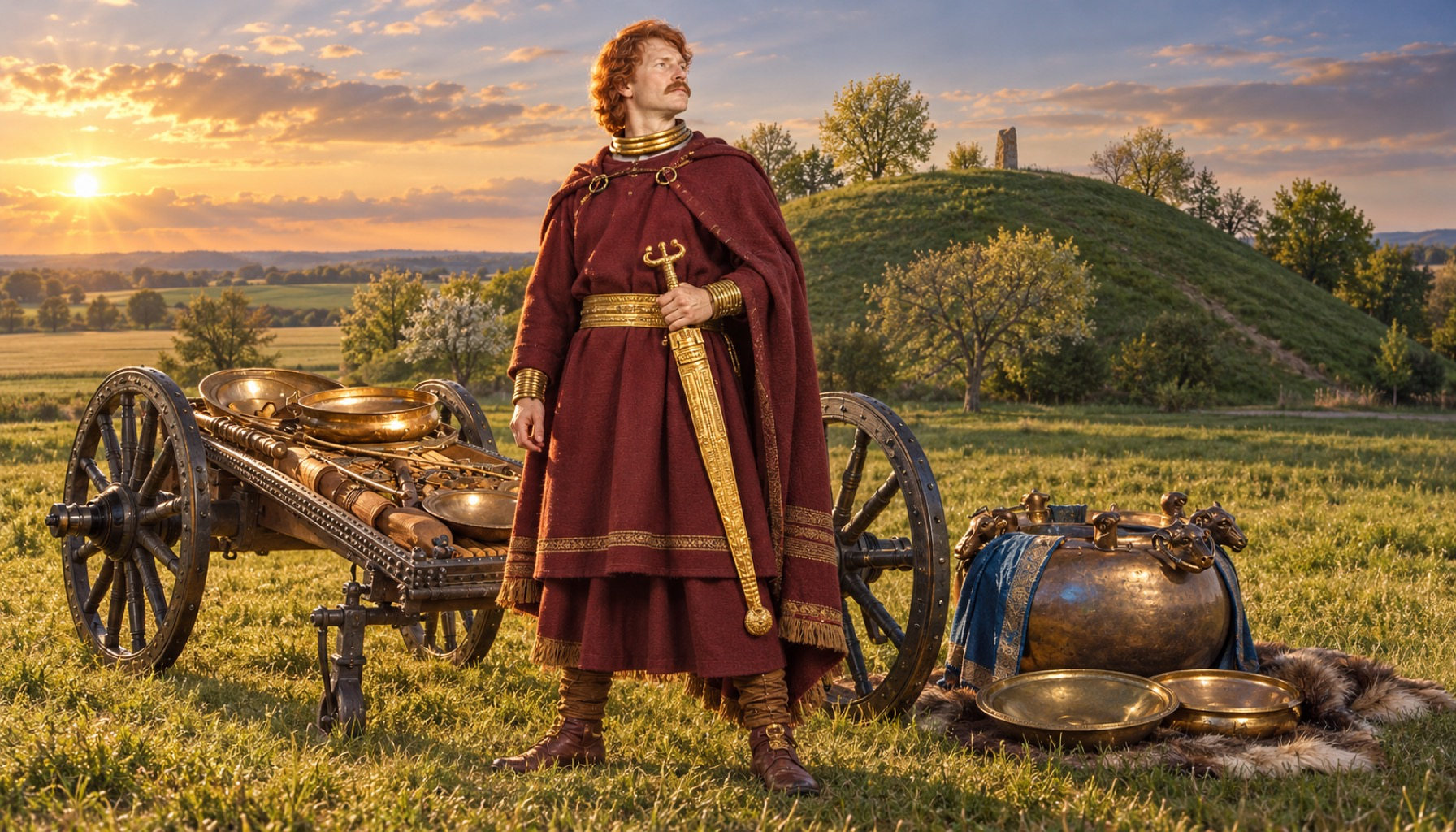
Haplogroups and Noble Lines Hochdorf Prince The Hochdorf Prince was buried near modern Eberdingen-Hochdorf in southwestern Germany around 530 BC, in the heart of the early Celtic world usually associated with the Hallstatt culture. He matters because his grave is not merely rich; it is one of those archaeological discoveries that makes one stop and stare. By Jamie L • 5 min read
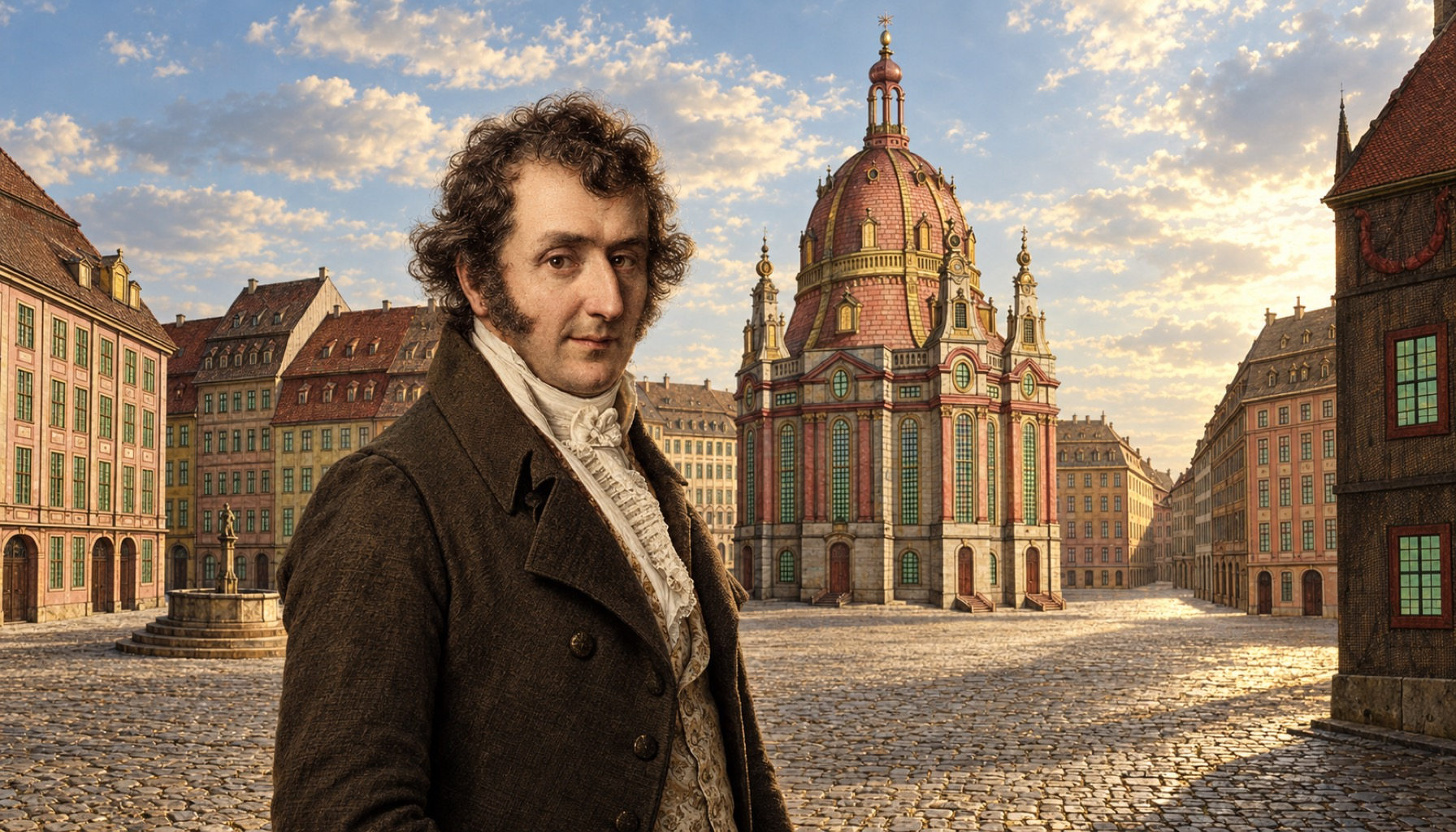
Haplogroups and Noble Lines George Bähr George Bähr was one of those figures who shaped a city so completely that his work became part of its identity. Born in Saxony in 1666, he rose from practical training as a carpenter and builder to become one of the most important German Baroque architects of his age. His By Jamie L • 5 min read
Haplogroups and Noble Lines Emperor Wu of Northern Zhou Emperor Wu of Northern Zhou, born Yuwen Yong, was one of the decisive rulers of sixth-century China. He reigned from 560 to 578 AD, in the turbulent age of the Northern and Southern Dynasties, when rival courts, frontier armies, and ambitious aristocratic families competed to control the old heartland of By Sara V • 5 min read
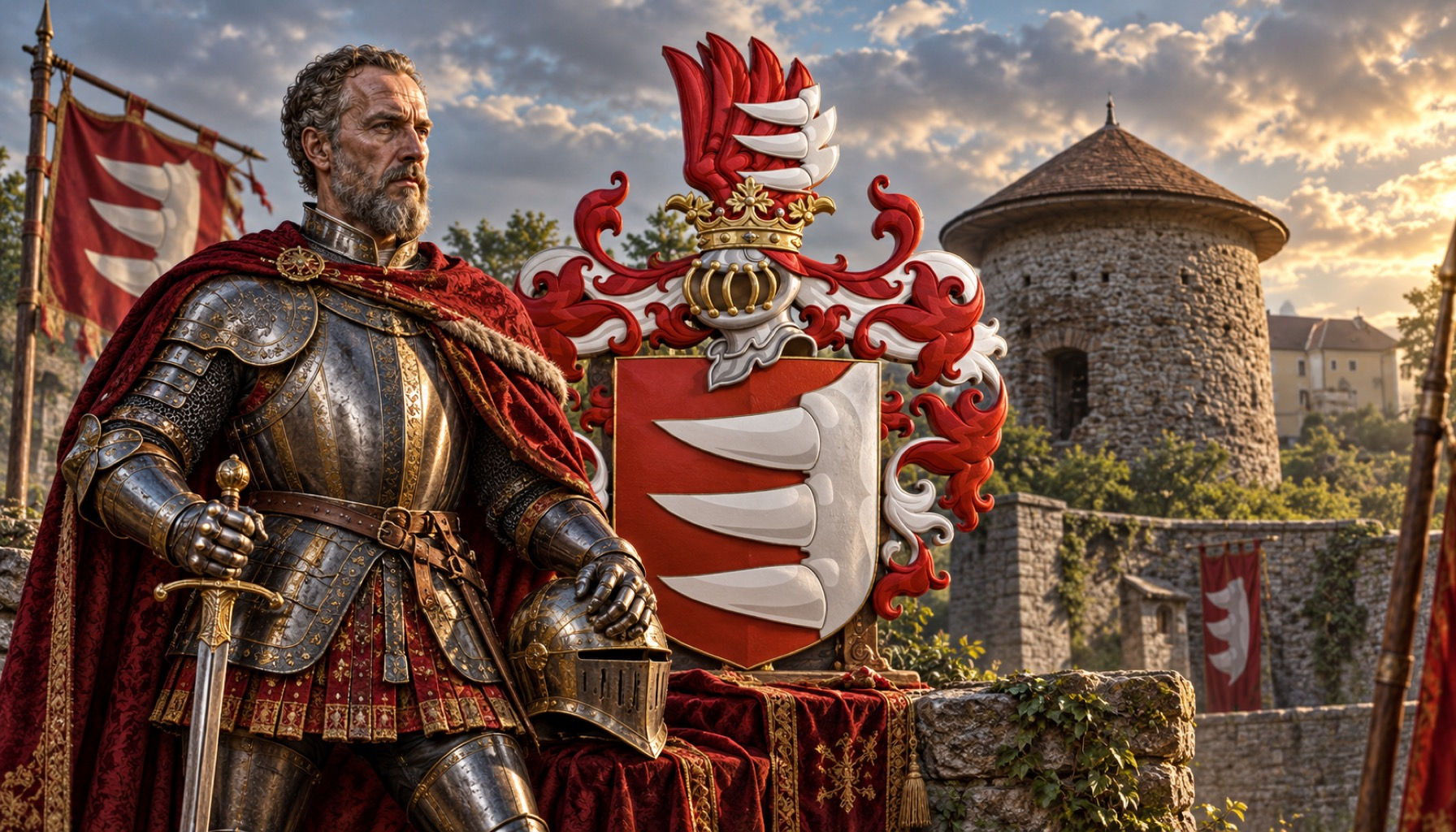
Haplogroups and Noble Lines Elek Báthory Elek Báthory was a 16th-century Hungarian nobleman from one of the most formidable aristocratic families of late medieval and early modern Central Europe. The Báthorys were not obscure local lords but a dynasty whose various branches supplied military commanders, leading magnates, princes of Transylvania, and most famously Stephen Báthory, who By Sven • 5 min read
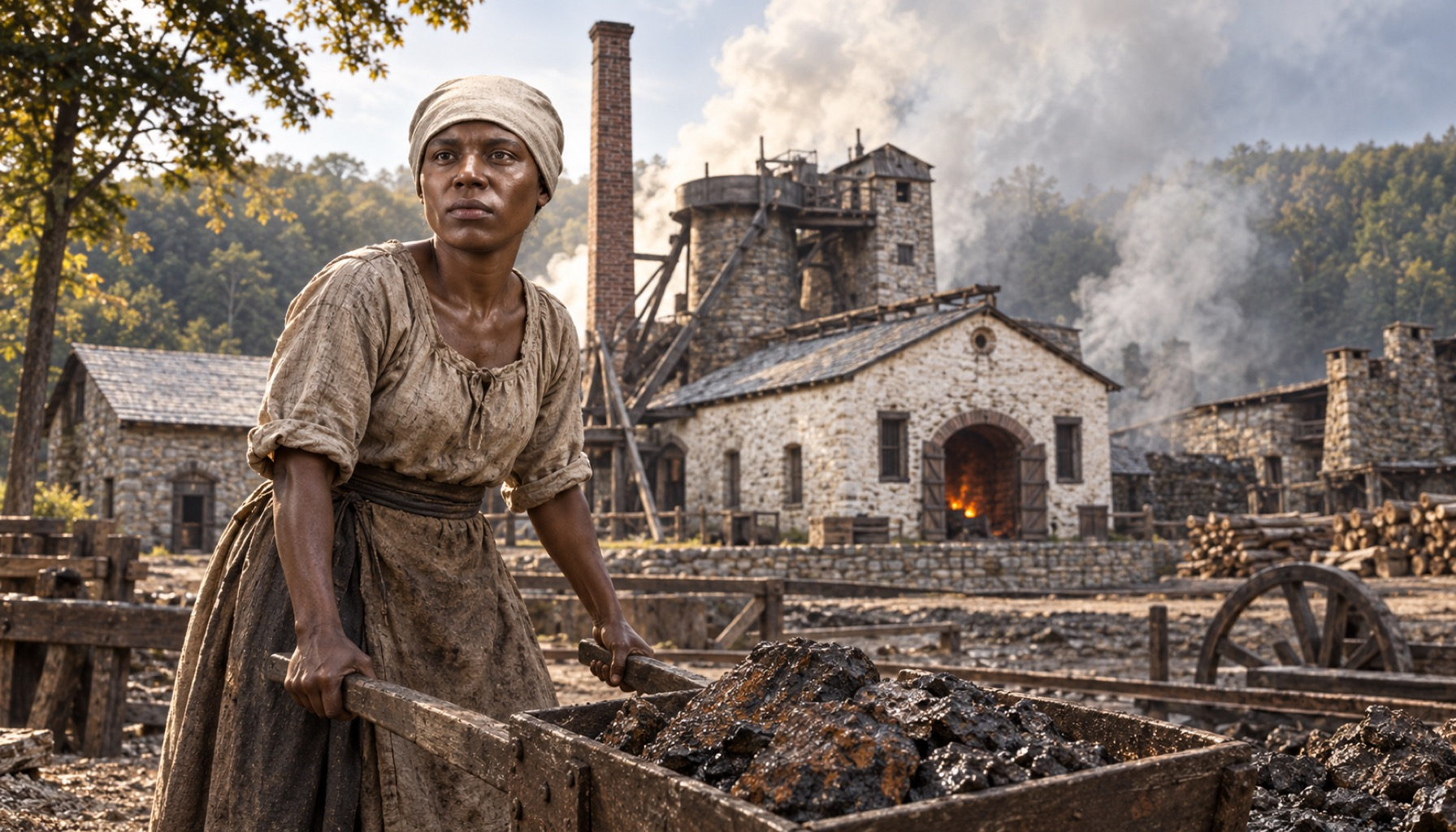
Haplogroups and Noble Lines Catoctin Furnace Victim The woman often called the Catoctin Furnace Woman was an enslaved African American woman who lived and died in industrial Maryland around the beginning of the 19th century, probably close to 1810. She belonged to the community at Catoctin Furnace, an ironworks in Frederick County that helped supply a young By Jamie L • 5 min read