The Epic Journey of Salmonella traced through DNA

– 3 min read


In an exhilarating exploration of our past, the study of Salmonella enterica has uncovered fascinating details about early human societies and their encounters with this pervasive pathogen. Our journey begins over 5,000 years ago, where ancient genomes from a range of archaeological sites across Eurasia unravel a story of evolution and adaptation spanning millennia.
Imagine walking through the remains of ancient settlements across Eurasia, from the sunlit expanses of the Iberian Peninsula to the remote steppes of present-day Mongolia. Amid these whispers of the past, archaeologists and geneticists have unearthed a different kind of historical treasure—not gold or precious stones, but ancient DNA sequences from Salmonella enterica, a pathogen that once shared the same world as our ancestors.
The investigation spanned a vast archaeological landscape, from ancient trade routes to vibrant communities on the edge of the Bronze Age. Excavations from Spain to Mongolia revealed ancient DNA of S. enterica, offering a rare glimpse into its evolutionary path. In particular, the Nepluyevsky site in Russia, dating to ca. 2010–1630 BCE, and the Kamenice site in Albania, from ca. 770–540 BCE, preserve evidence of striking prehistoric outbreaks of S. enterica.
When we read about vanished civilizations, it is easy to forget that their descendants still walk among us. If you are curious which of them you might share roots with, you can explore your own genetic links at www.mytrueancestry.com.
Explore ancient plagues and epidemics
The archaeological evidence from these regions opened a time capsule of knowledge, revealing more than the mere presence of the pathogen. Analysis of 53 new ancient genomes, spanning from 3500 BCE to 1300 CE, showed remarkable host adaptations—examples of convergent evolution etched into the DNA of these ancient strains. These pathogens did not simply change over time; they also formed part of the wider health and disease story of human societies.
Using archaeological tooth samples, researchers identified prehistoric lineages across a geographical stretch from Spain to Mongolia. Intriguingly, a sister lineage to the modern Birkenhead strain was detected as far back as 3600 BCE. This suggests that these pathogens were geographically widespread and already part of ancient European ecosystems long before they entered written history.
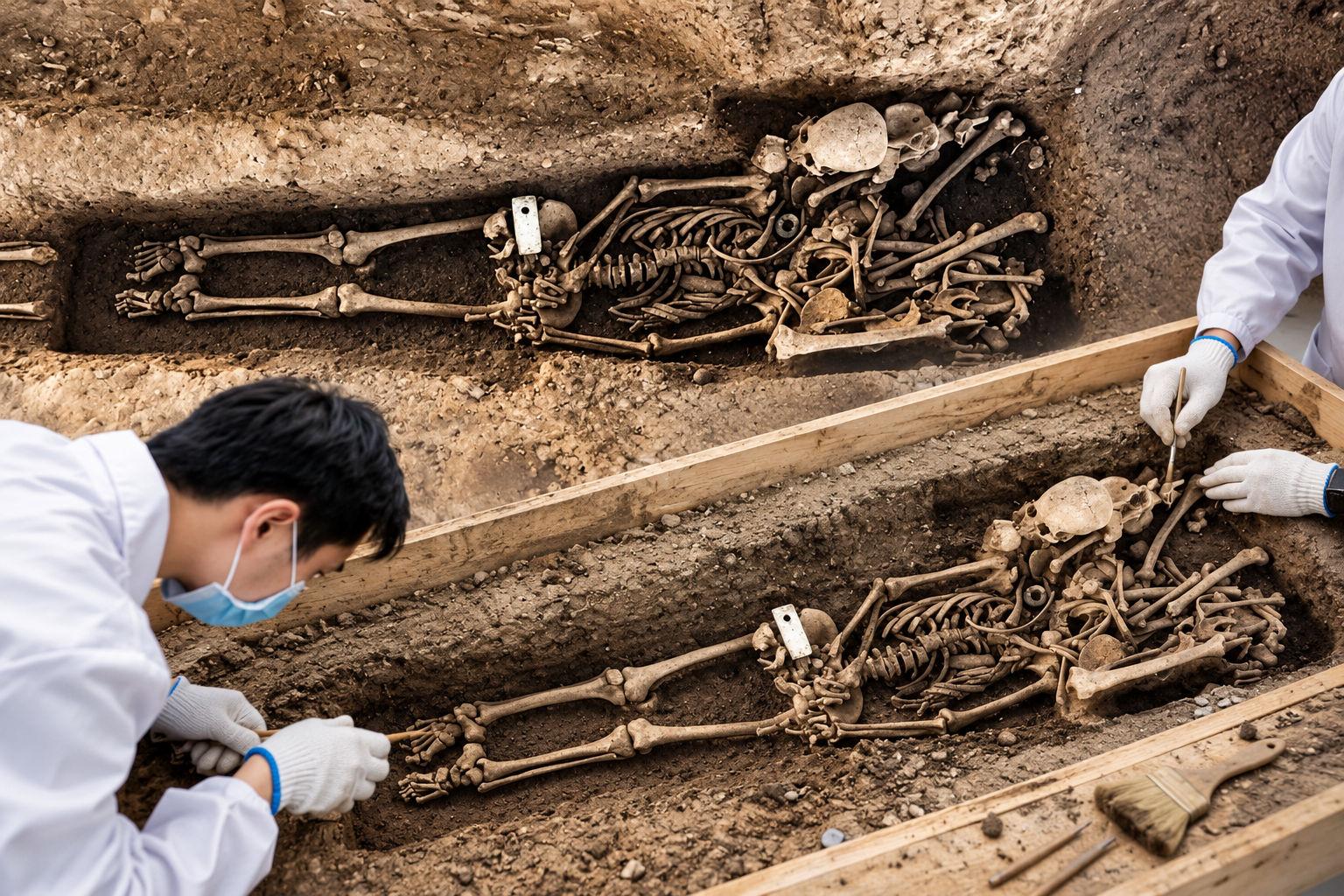
Among the ancient genomes discovered were those from an Early Bronze Age individual in Bulgaria and others from late Chalcolithic Turkey. These long-silent individuals have, through their remains, given voice to the pathogens that once inhabited them. At Nepluyevsky, the findings pointed to a prehistoric Salmonella outbreak, with nearly identical genomes found in individuals buried side by side. Together, they sketch a picture of community life, fatal infection, and perhaps an epidemic event sweeping through the settlement.
Standing at Nepluyevsky in Russia, one can almost sense that whisper from the past. Identical S. enterica genomes recovered from adjacent kurgan burials suggest an outbreak centuries ago. The Bronze Age dead may have fallen victim to an epidemic, reminding us that invasive systemic infections have accompanied human communities for a very long time.
Read more on ancient pathogens in Eurasia
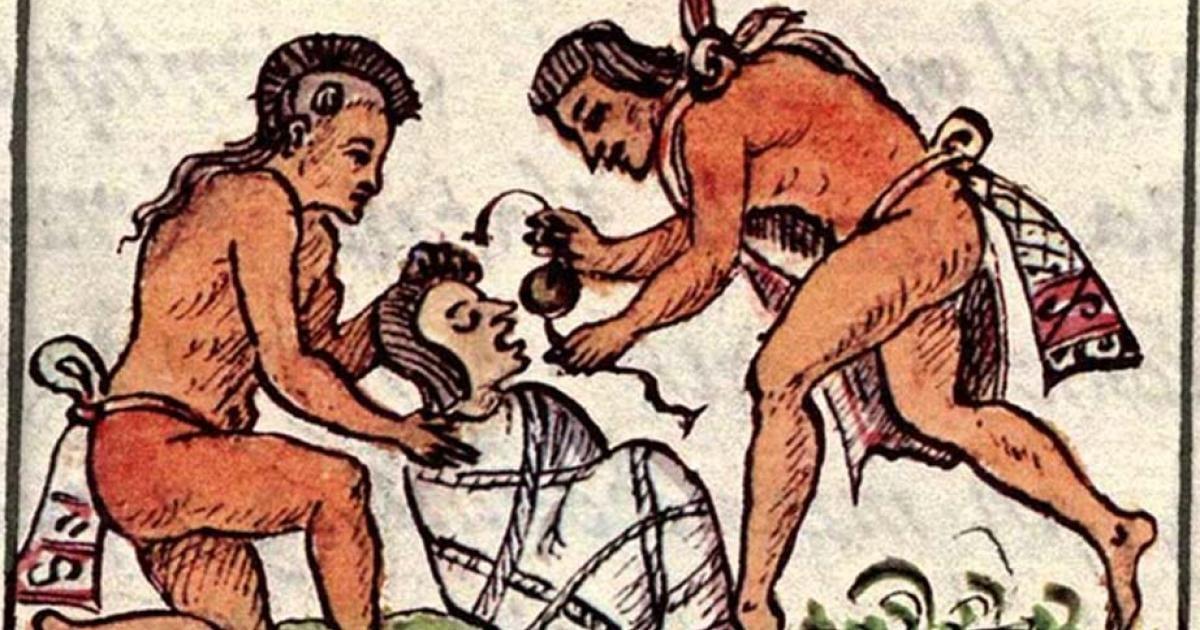
In the mid-16th century, a devastating epidemic called cocoliztli swept through the Aztec population, killing millions. Modern genetic studies of ancient remains suggest the outbreak was likely caused by a strain of salmonella (Salmonella enterica Paratyphi C), which arrived with Europeans and overwhelmed communities with no prior immunity.
https://www.biorxiv.org/content/10.1101/2025.09.18.676881v1
Compare with the DNA history of plague
Upload your DNA to MyTrueAncestry to explore whether you match this family or related ancient DNA samples, and to discover how your own ancestry connects with the deeper human past.


Comments