Haplogroup R1b1a1b1a1a2c1a1d5

– 5 min read


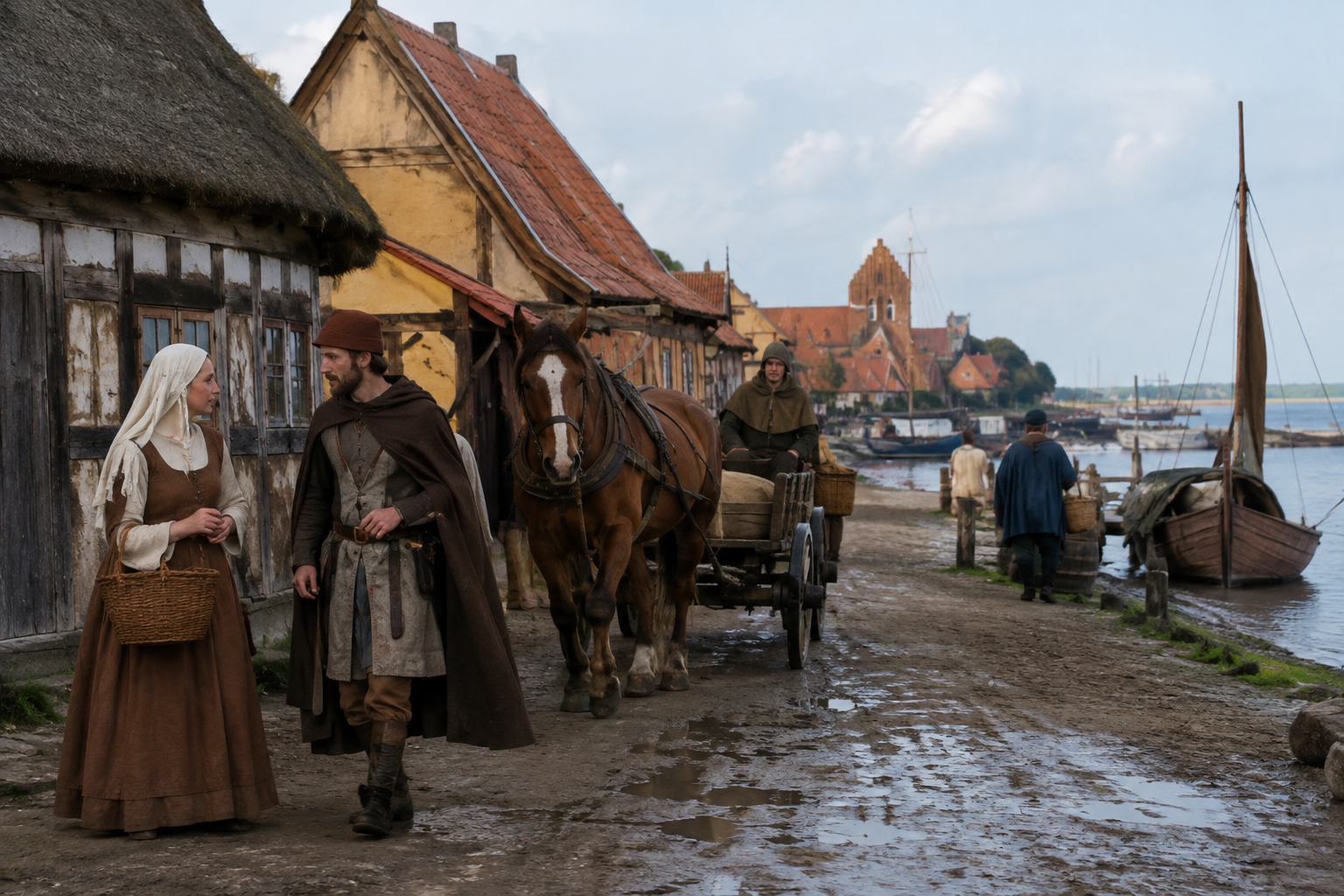
At Ahlgade in Holbaek on Zealand, one medieval man has become unexpectedly important for the history of a very specific paternal line. The individual labelled CGG101839, dated to around AD 1325, is associated here with the Y-DNA haplogroup R1b1a1b1a1a2c1a1d5. That is an impressively narrow branch name, and it matters precisely because it drops us into a real historical setting rather than an abstract map of ancient migrations.
This is late medieval Denmark, not saga-age romance and not prehistory. By the fourteenth century Zealand was a landscape of market towns, churches, royal authority, trading routes, and ordinary burial grounds full of people whose lives were shaped by local community as much as by the wider Baltic world. A Y-chromosome result from such a burial does not tell us everything about this man's ancestry, but it does trace one direct paternal line - father to son, back through time - and that is enough to anchor a lineage in a documented medieval Scandinavian context.
Holbaek sits on northwestern Zealand, a part of Denmark deeply tied to the political and economic heartland of the medieval kingdom. A burial from Ahlgade therefore belongs to a world that was both local and connected: parish life, town growth, maritime exchange, and the long afterlife of earlier Viking Age and early Christian settlement patterns. Sample CGG101839 gives this haplogroup its clearest ancient foothold in the evidence provided here.
That foothold is valuable because medieval DNA often shows us continuity and mixture at once. A man buried in fourteenth-century Denmark could belong to a paternal line with much older roots in northern or western Europe, while his wider ancestry might reflect generations of movement across the North Sea and Baltic. The narrower branch name, R1b1a1b1a1a2c1a1d5, should not be lazily inflated into a grand claim about all R1b history; what we can say with confidence is that one bearer of this direct male line was living on Zealand in the later Middle Ages.
Denmark before the Middle Ages
People often assume that the most exciting genetic discoveries must come from famous kings, warrior graves, or the very dawn of farming. But there is something especially useful about an ordinary medieval burial. By the fourteenth century, Denmark had already passed through the Neolithic transition, the Bronze Age, the Iron Age, the Roman-era contacts of northern Europe, the Migration Period, the Viking Age, and centuries of Christian kingdom-building. A paternal lineage found in this period has survived all of that.
In other words, CGG101839 is evidence not just of presence, but of persistence. His Y-line had made it into a settled medieval population on Zealand. That does not prove where the branch first arose, nor does it turn one man into a representative of all Danes. What it does offer is a historically legible point on the map: this lineage was part of the male population of medieval eastern Denmark.
That is especially interesting in Scandinavia, where population history is often discussed in broad blocks - "Viking", "Germanic", "Nordic" - that can flatten the real complexity of the record. Medieval burials remind us that these were not labels floating above history. They were communities of actual people, buried in churchyard landscapes, living after conversion and state formation, yet still carrying paternal lines whose deeper history stretches far beyond any single political era.
The parent haplogroup behind this branch, R1b, is widespread in western Eurasia and especially well known in many parts of western Europe. But that broad fact is only the beginning. It would be careless to project the whole history of R1b onto the much narrower lineage R1b1a1b1a1a2c1a1d5. Ancient DNA works best when we resist that temptation and stay close to what the evidence actually shows.
What the medieval Danish context suggests is that this paternal branch belongs to the long, tangled demographic history of the North Sea-Baltic zone. That history involved deep prehistoric ancestry, later regional continuity, and repeated episodes of contact with neighboring shores. A genetic study of ancient Scandinavians and their transformations through time, published in Nature, helped demonstrate just how layered that history was, even if any one terminal subclade must still be handled carefully and specifically.
For family historians, this is a useful corrective. A Y-line is not a ready-made ethnicity badge. It is a single thread. But single threads can still be historically vivid when they appear in the right archaeological place, and late medieval Zealand is exactly that sort of place: politically central, regionally connected, and rich in the accumulated ancestry of earlier Scandinavian populations.
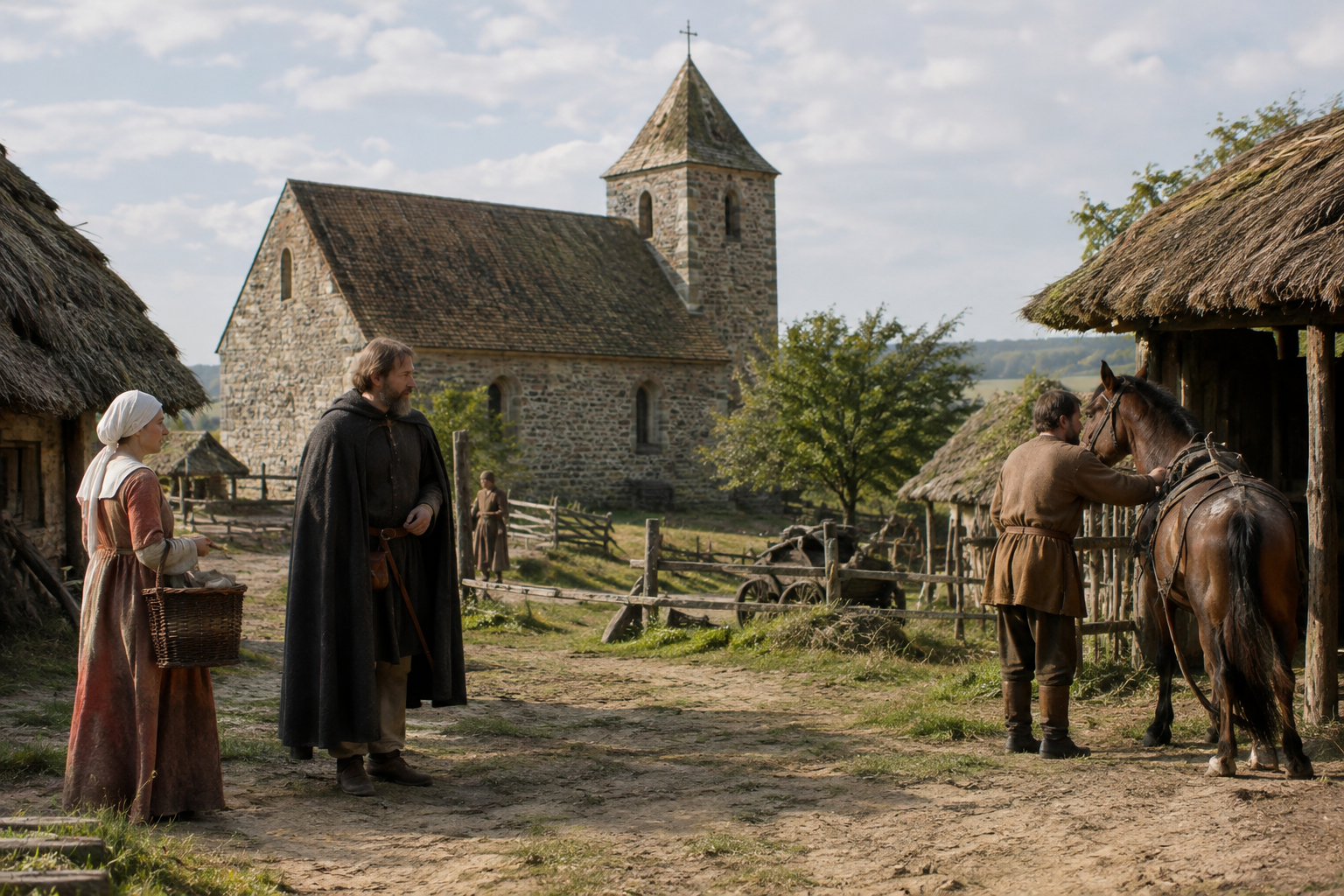
Post-Viking Christian Scandinavia
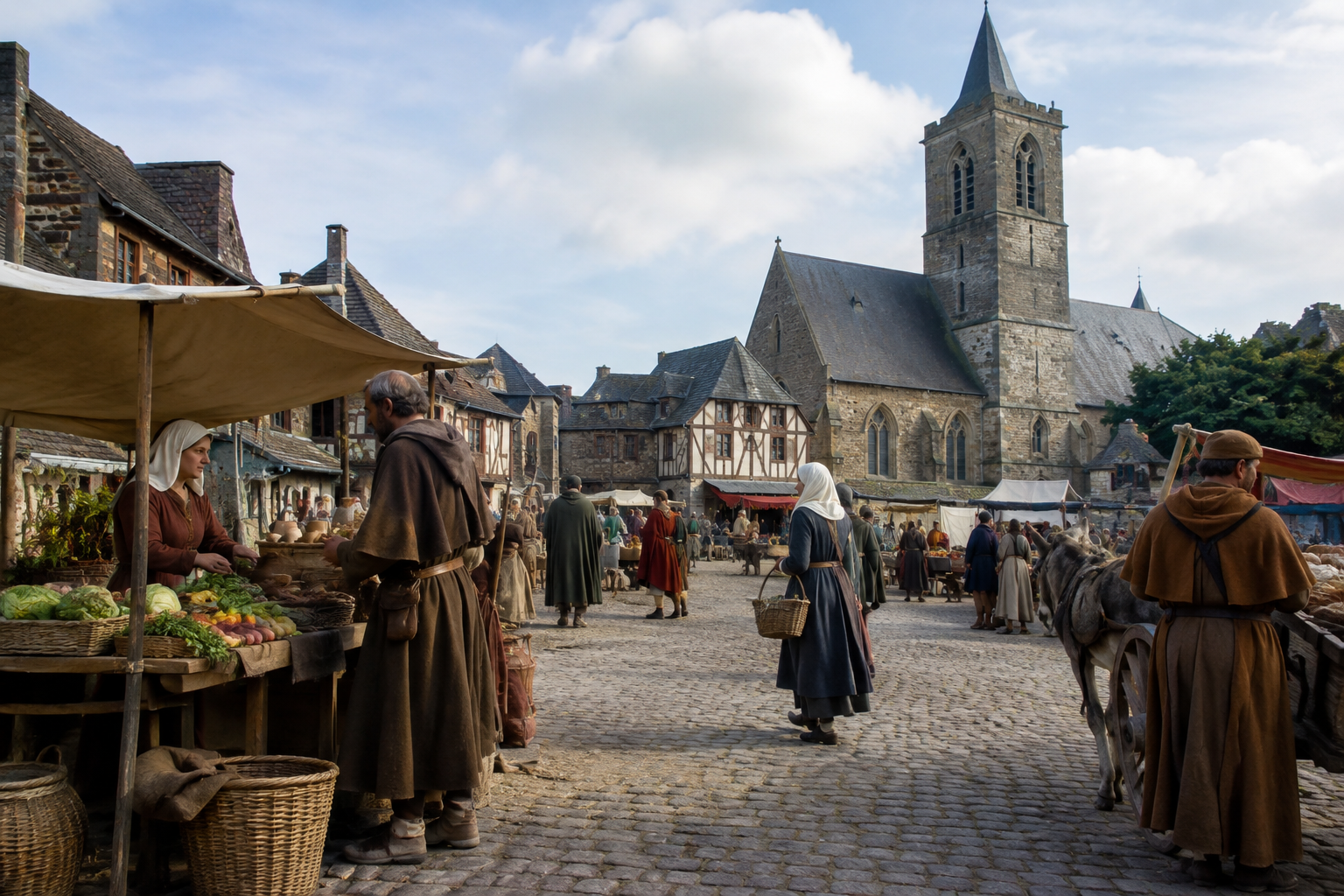
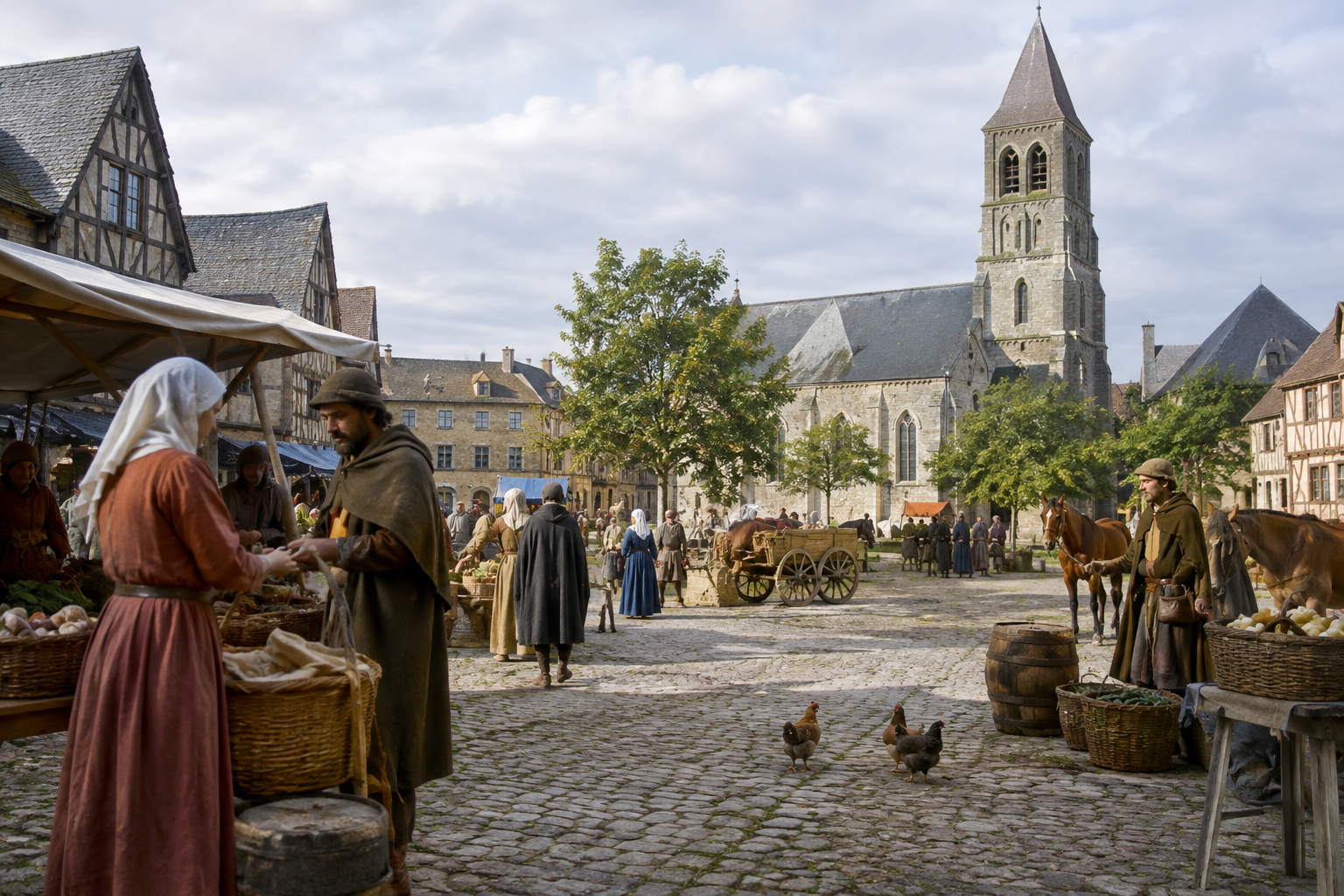
It is worth pausing over the date. Around AD 1325 places this individual firmly after the Viking Age and well within Christian medieval Denmark. That matters because it shifts the conversation away from the usual stock images of ships and raiders and toward the social world that followed: towns, dioceses, crowns, taxes, legal institutions, and the rhythms of ordinary parish burial.
Zealand was no backwater. It was central to the Danish kingdom, and its population sat within networks linking Scania, Funen, Jutland, the southern Baltic coast, and the North Sea. A paternal lineage found here may have been local for centuries, or it may have entered earlier through regional migration and then become established. Archaeology and genetics together are strongest when they leave both possibilities open unless there is direct evidence to decide between them.
That broader context also helps explain why medieval Danish samples are so useful for descendants today. They belong to a period close enough to historical populations to feel recognizably "European" in social and political terms, but old enough to show lineages before the churn of early modern migration reshaped many family histories yet again.
If your own paternal line falls within R1b1a1b1a1a2c1a1d5, the strongest point from the evidence here is modest but meaningful: this branch is attested in medieval Denmark through CGG101839 from Ahlgade, Holbaek, on Zealand. That does not prove that every modern carrier descends from Denmark, nor that the branch was exclusively Scandinavian. It does, however, place the lineage within a real medieval northern European population.
That kind of finding is often more useful than grander claims. Instead of an invented epic, you get a documented anchor: one man, one place, one period, and one paternal line surviving in a busy medieval kingdom. For many researchers, that is exactly where genetic history becomes most interesting - not in mythic origins, but in the point where lineage and lived history finally meet.
Germanic languages and ancient genomics
So the distinctive feature of R1b1a1b1a1a2c1a1d5, on the evidence currently in view, is not royal glamour or a long parade of samples. It is the clarity of one medieval Scandinavian appearance. Ahlgade gives this paternal branch a defensible historical setting: late medieval Zealand, in a Denmark that had long since moved beyond prehistory yet still carried older male lines forward into recorded time.
Comments