Haplogroup I2a2a2a1

– 5 min read


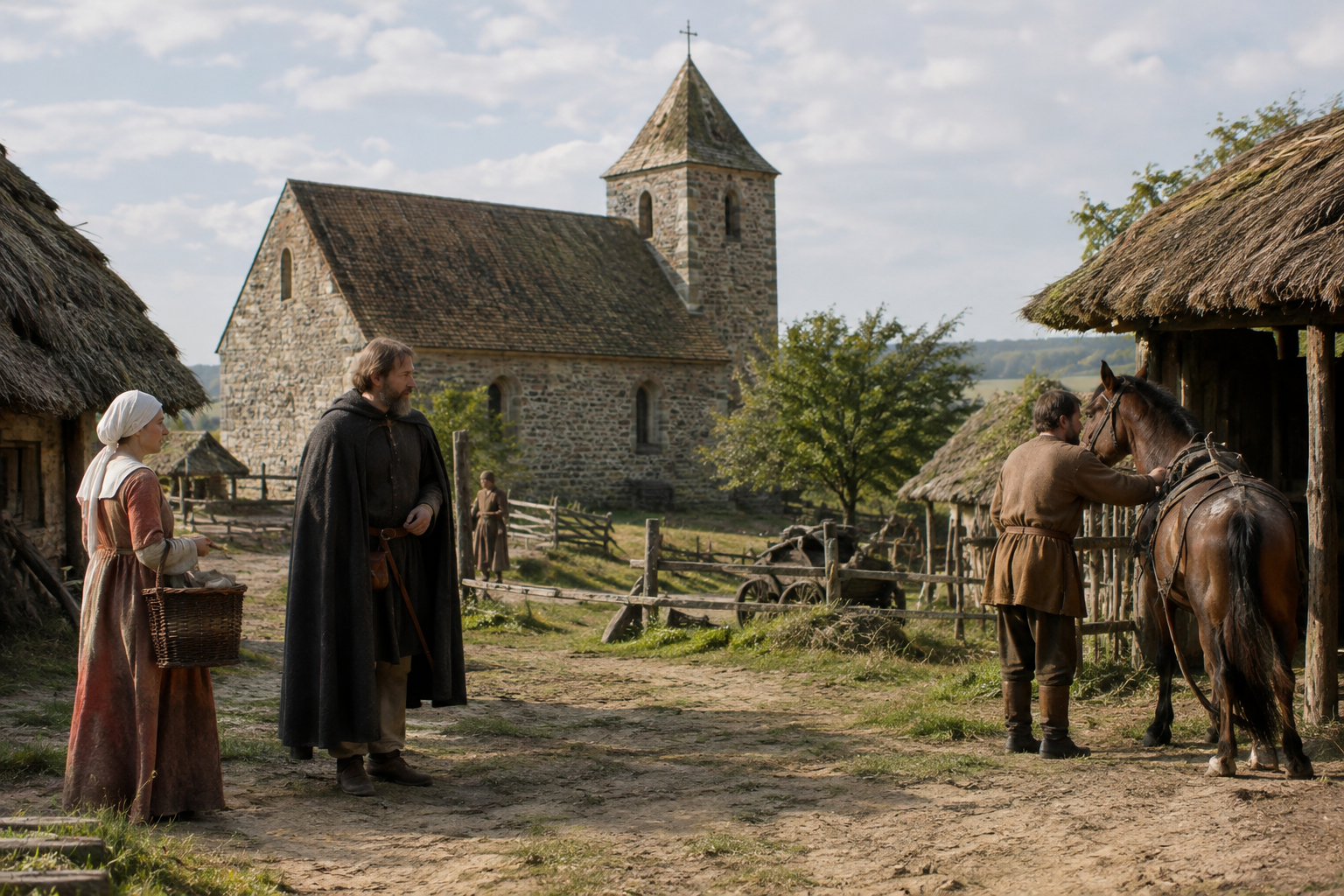
At Niederwuensch in Sachsen-Anhalt, one medieval man gives us a small but unusually sharp glimpse of haplogroup I2a2a2a1. The individual identified as NDW034, dated to around AD 1100, belongs to a world that is often described in terms of kingdoms, bishops, and frontier lordships, but ancient DNA brings it back to a person buried in the soil of central Germany.
That matters because a Y-DNA lineage is not a whole identity. It tracks one direct paternal line only: father to son to son. Even so, when a branch such as I2a2a2a1 appears in a medieval context like Niederwuensch, it helps anchor a living paternal line to a real historical landscape rather than to a vague map of "Europe" or "the Germanic world."
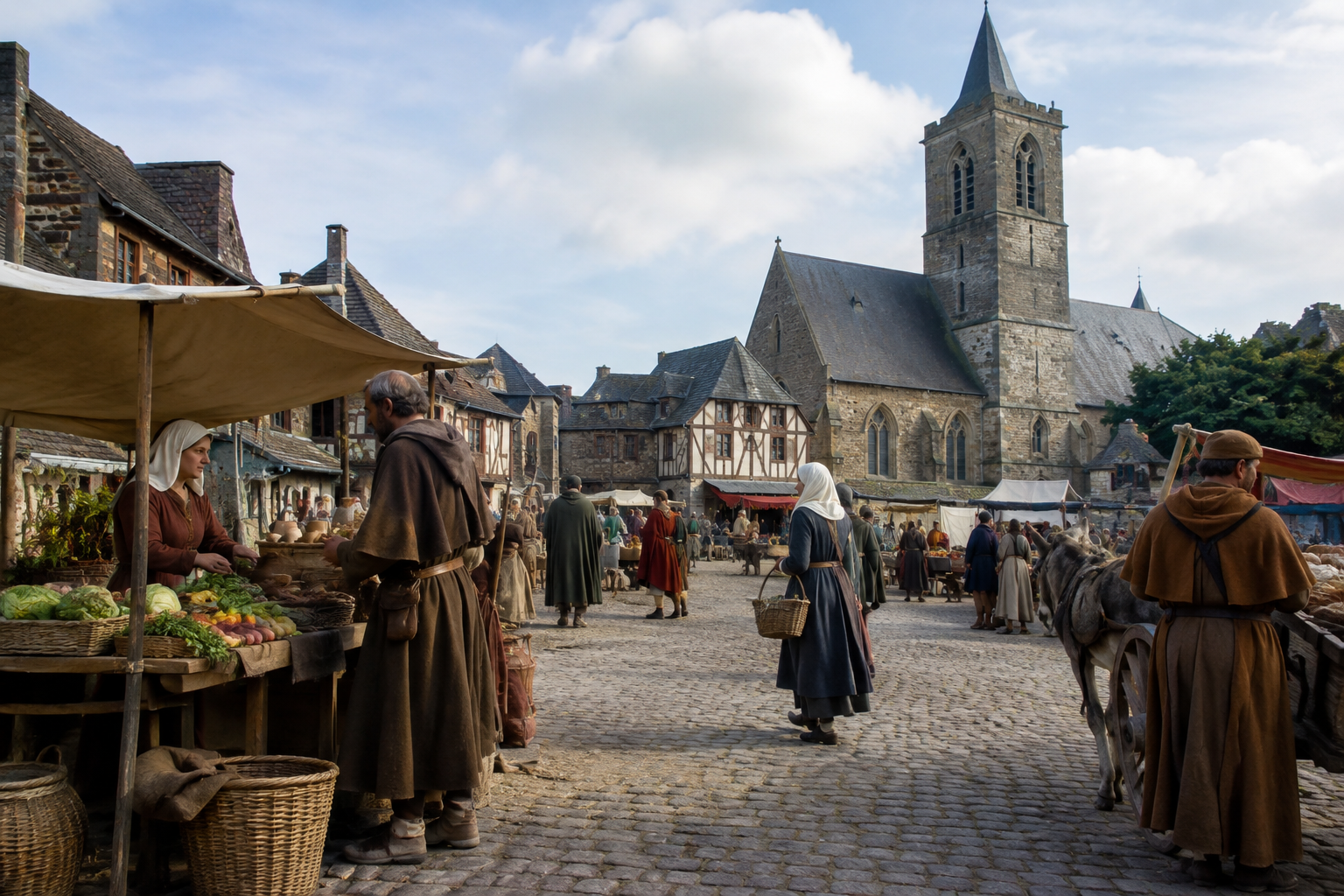
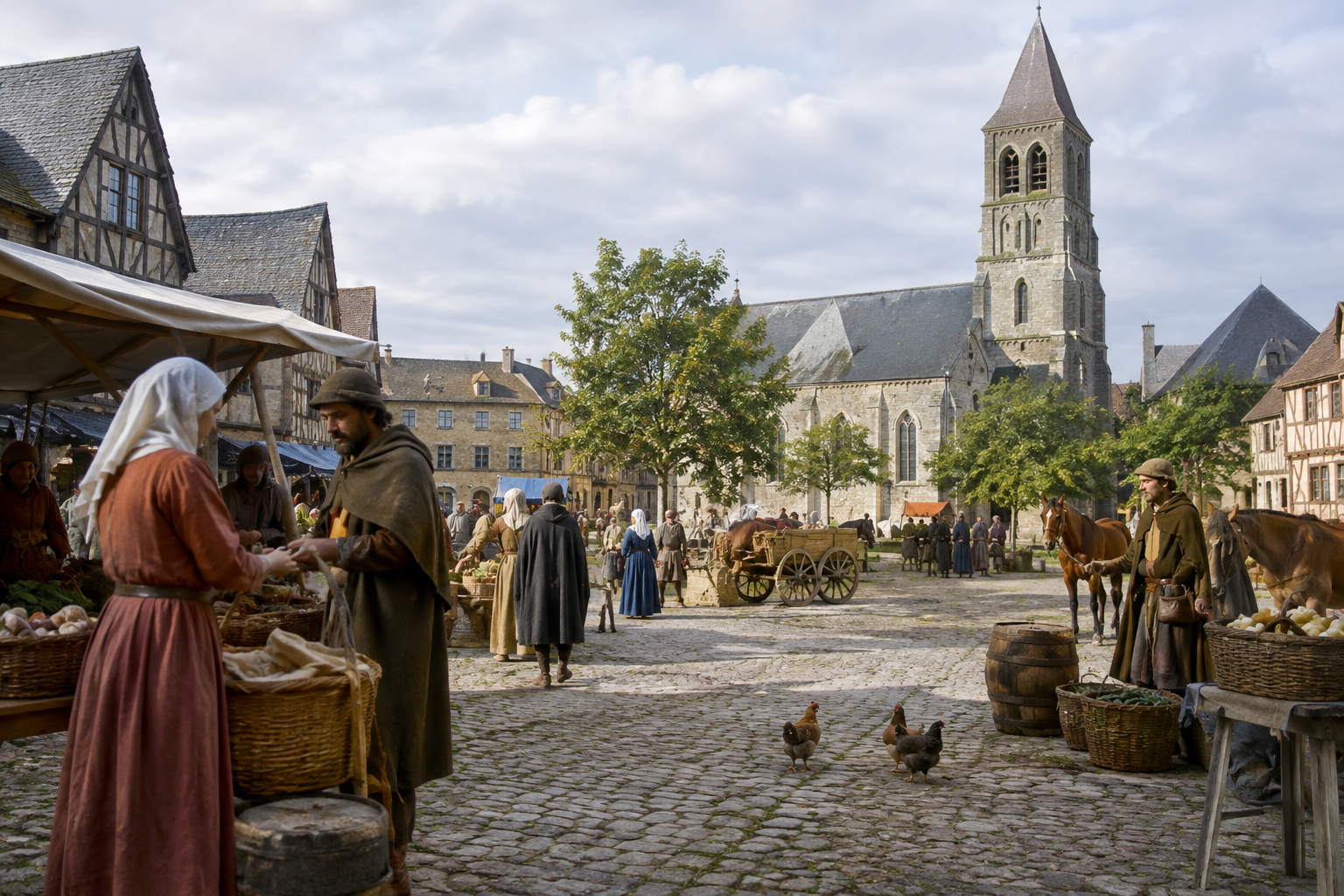
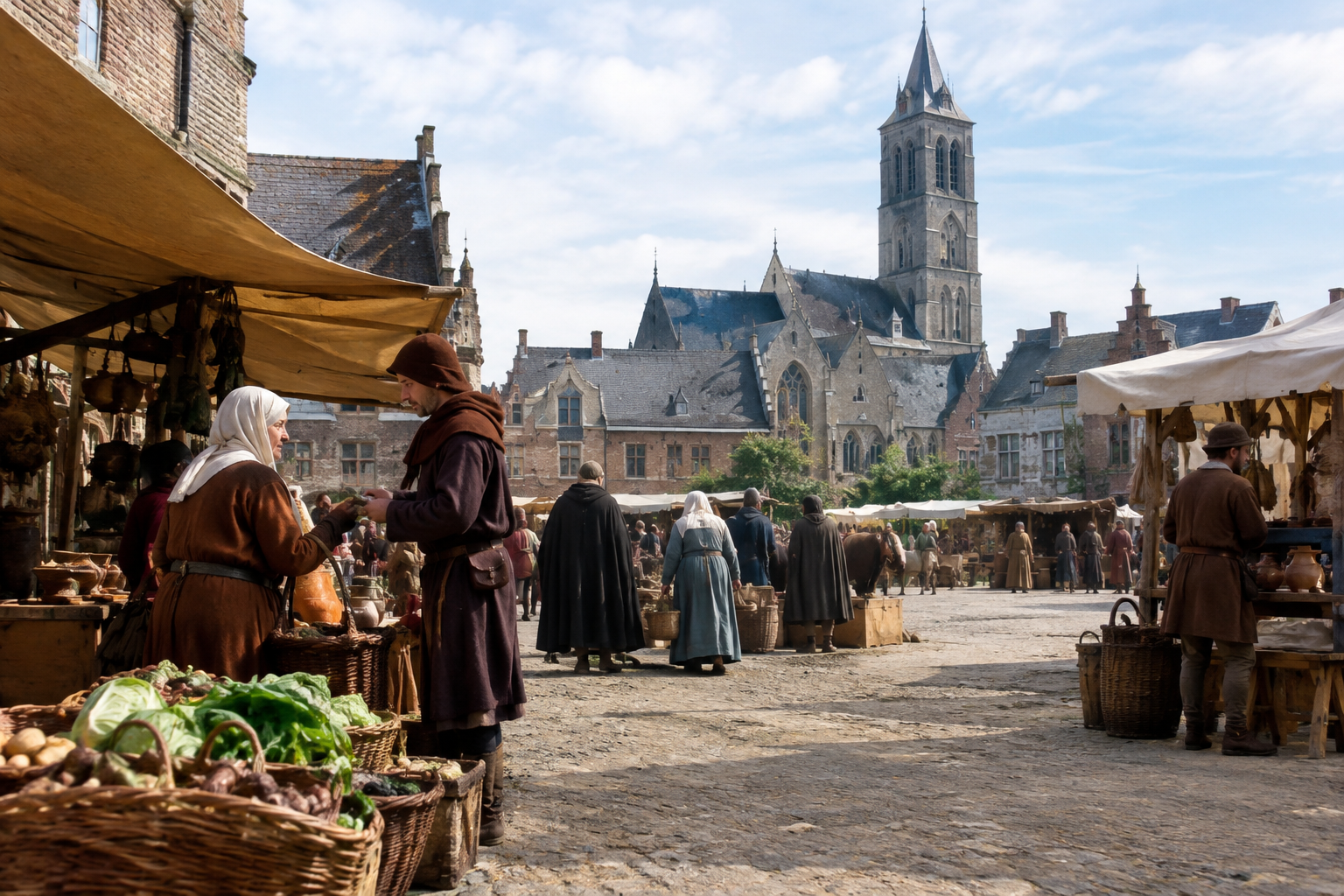
Niederwuensch lies in present-day Saxony-Anhalt, a region that sat in one of medieval Europe's great contact zones. By about AD 1100, this was neither an untouched tribal backwater nor some neatly sealed ethnic homeland. It was part of a densely historical region shaped by the long aftermath of the Carolingian age, Ottonian power in eastern Germany, church expansion, local lordship, and generations of movement across the Elbe-Saale zone.
In that setting, NDW034 is valuable precisely because the evidence is modest and concrete. We have a place, an approximate date, and an association with haplogroup I2a2a2a1. That may sound slight, but archaeogenetics often advances through such well-placed points of certainty. One securely located medieval paternal lineage can be more useful than pages of grand speculation.
An ancient DNA research project connected to these remains is linked through the European Nucleotide Archive at https://www.ebi.ac.uk/ena/browser/view/PRJEB81250. Without forcing details the public record here does not supply, it is enough to say that work of this kind is steadily improving our picture of how medieval communities in central Europe were structured biologically as well as politically.
Medieval Germany and local origins
I2a2a2a1 is a narrow branch within the wider haplogroup I, one of the major old Y-chromosome lineages of Europe. That wider family has a deep European history, but the important point here is caution: we should not casually pour the whole story of haplogroup I into this one sub-branch. A medieval man in Saxony-Anhalt carrying I2a2a2a1 is evidence for that branch in that place and time, not proof of a single unbroken ethnic label stretching back into prehistory.
Still, the broader frame helps. Lineages within haplogroup I are often associated with long-standing European paternal ancestry, and their presence in medieval German-speaking lands is entirely unsurprising. What ancient DNA adds is resolution. Instead of merely saying that such branches existed somewhere in Europe, we can say that one direct paternal line tied to I2a2a2a1 was present in a documented medieval community in central Germany around the twelfth century.
This is also where genealogy and archaeology meet rather neatly. For someone carrying I2a2a2a1 today, NDW034 does not prove descent from this particular man. But it does show that the lineage belonged to the ordinary demographic fabric of medieval central Europe, not just to an abstract phylogenetic tree.
AD 1100 is an especially interesting date. By then, central Germany had already seen Roman frontier influence to the west, post-Roman political fragmentation, the expansion of early medieval polities, Christianisation, and the slow hardening of regional identities. Languages, loyalties, and legal systems were changing, but families were also simply living, marrying, and burying their dead in local ground.
That is one reason a sample like NDW034 deserves attention. Y-DNA discussions often leap too quickly from prehistory to sweeping tales of tribes. Yet many living paternal lines are just as meaningfully connected to the medieval centuries, when villages, parishes, and local lordships fixed populations into landscapes that later surnames and records would inherit.
In other words, a lineage such as I2a2a2a1 may have much older roots, but this medieval appearance helps place it within the human geography that shaped later European populations. Central Germany was not only a corridor of migration; it was also a zone of settlement continuity, where older paternal lines could persist through cultural change.
Germanic languages and genomes
It is tempting to think that a single ancient male tells us very little. In one sense that is true: NDW034 cannot stand in for all medieval Saxony-Anhalt, all Germans, or all carriers of I2a2a2a1. But archaeologically, one well-dated and well-placed individual can do something more precise. He can confirm presence. He can narrow chronology. He can connect a paternal branch to a real community rather than an imagined migration arrow.
This is especially useful for haplogroups that do not arrive with a ready-made historical legend attached to them. Some lineages become wrapped in modern folklore about Celts, Vikings, Goths, or ancient kings. The virtue of NDW034 is that he resists that sort of inflation. He belongs to medieval Germany, full stop. That plain fact is exactly what makes him reliable.
There is a wider methodological point here too. Ancient DNA has shown repeatedly that medieval European populations were neither perfectly static nor endlessly replaced. Different studies reveal continuity in some places, mobility in others, and often both at once. A central German paternal lineage like this one sits comfortably inside that more realistic picture of Europe's past.
German frontier mixing, 400-700 CE
The deeper ancestry of haplogroup I branches is, of course, older than the Middle Ages by many millennia. Europe saw repeated transformations: Mesolithic hunter-gatherers, Neolithic farmers, Bronze Age expansions, Iron Age regional cultures, Roman imperial networks, and early medieval realignments. Any surviving Y-line today has passed through that dense filter of survival and chance.
But visibility is not the same thing as origin. What makes NDW034 useful is not that he reveals the ultimate beginning of I2a2a2a1, which he does not, but that he makes the branch historically visible in a dated medieval context. For family historians, that distinction is crucial. DNA often works best when it gives us a secure stopping-place for inference rather than a fantasy of total certainty.
That perspective also fits well with other ancient-genomic work on post-Roman and medieval Europe, where local continuity often sits alongside incoming ancestry and changing cultural labels. The old habit of matching one lineage to one people has not survived contact with the evidence very well.
The most responsible way to read haplogroup I2a2a2a1 is not as a badge of a single ancient tribe, but as a paternal thread that was demonstrably present in medieval central Germany. NDW034 from Niederwuensch, around AD 1100, gives that thread a real historical setting: a settled community in Sachsen-Anhalt during a period when the landscapes of later German history were taking durable shape.
For anyone researching this haplogroup today, that is the useful insight. Your paternal line may connect, at least in part, to the kinds of local medieval populations that stood behind later European surnames, villages, and regional identities. Ancient DNA cannot hand you a coat of arms or a named ancestor here, but it can give you something better grounded: a real man, in a real place, carrying the same paternal branch nearly a thousand years ago.
Comments