Haplogroup E1

– 5 min read


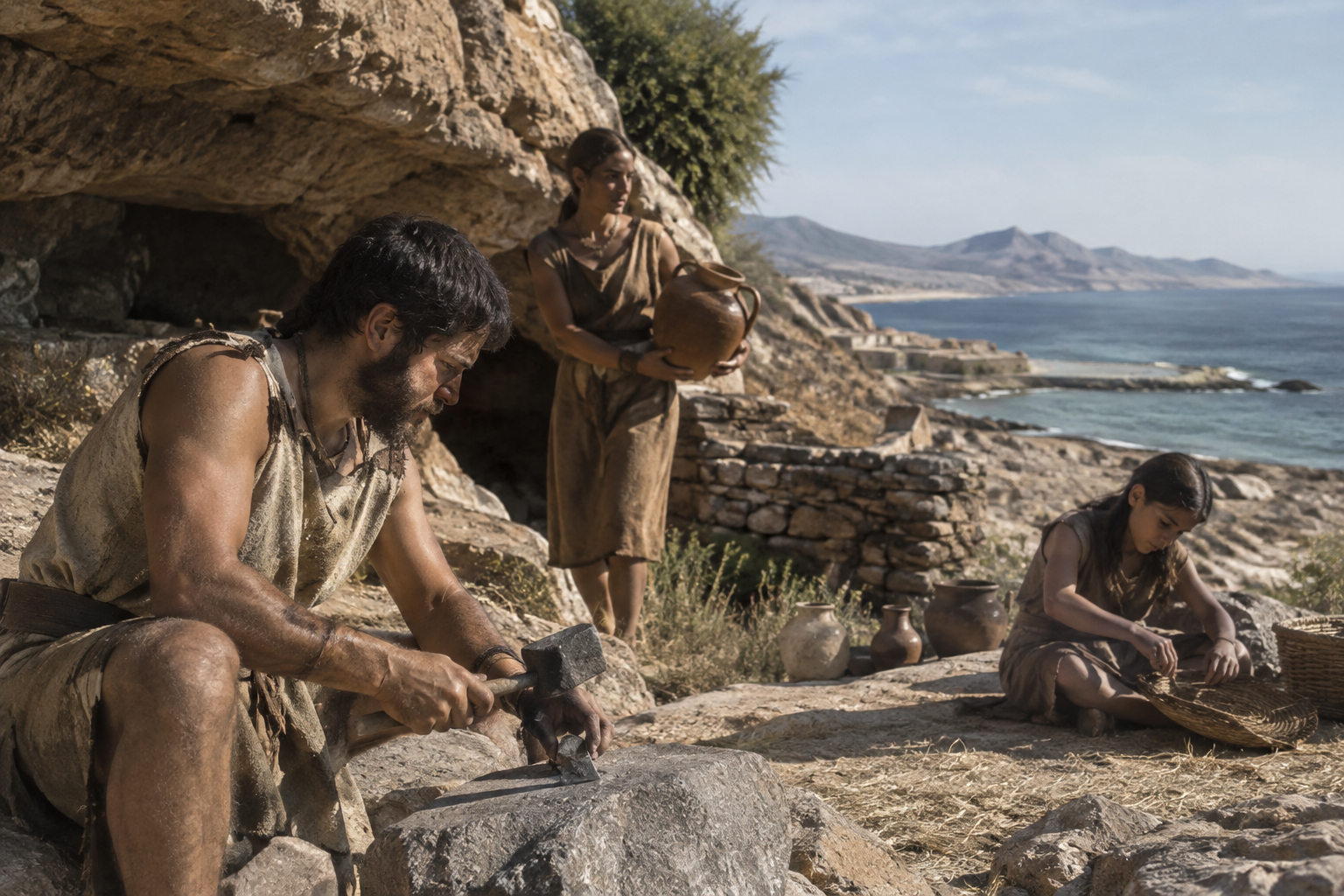
At Villaricos, near Cuevas del Almanzora in Almeria, an Iron Age man identified as I18189 has become a small but useful witness to a much bigger story. Dated to around 271 BC, he belongs to a world of Iberian communities living on a coast that had long been tied into Mediterranean trade, colonization, and movement. His reported Y-DNA assignment to E1 matters not because one grave can explain a whole peninsula, but because it shows that this paternal line was present in southeastern Iberia before the Roman Empire absorbed the region.
That is the right way to approach E1: not as a badge of ethnicity, and not as a shortcut to one grand migration tale, but as one direct paternal line traced through the archaeological record. Y-DNA follows father to son along a single line only. Yet when that line turns up in a securely dated ancient individual such as I18189, it helps place a living lineage into a real historical landscape.
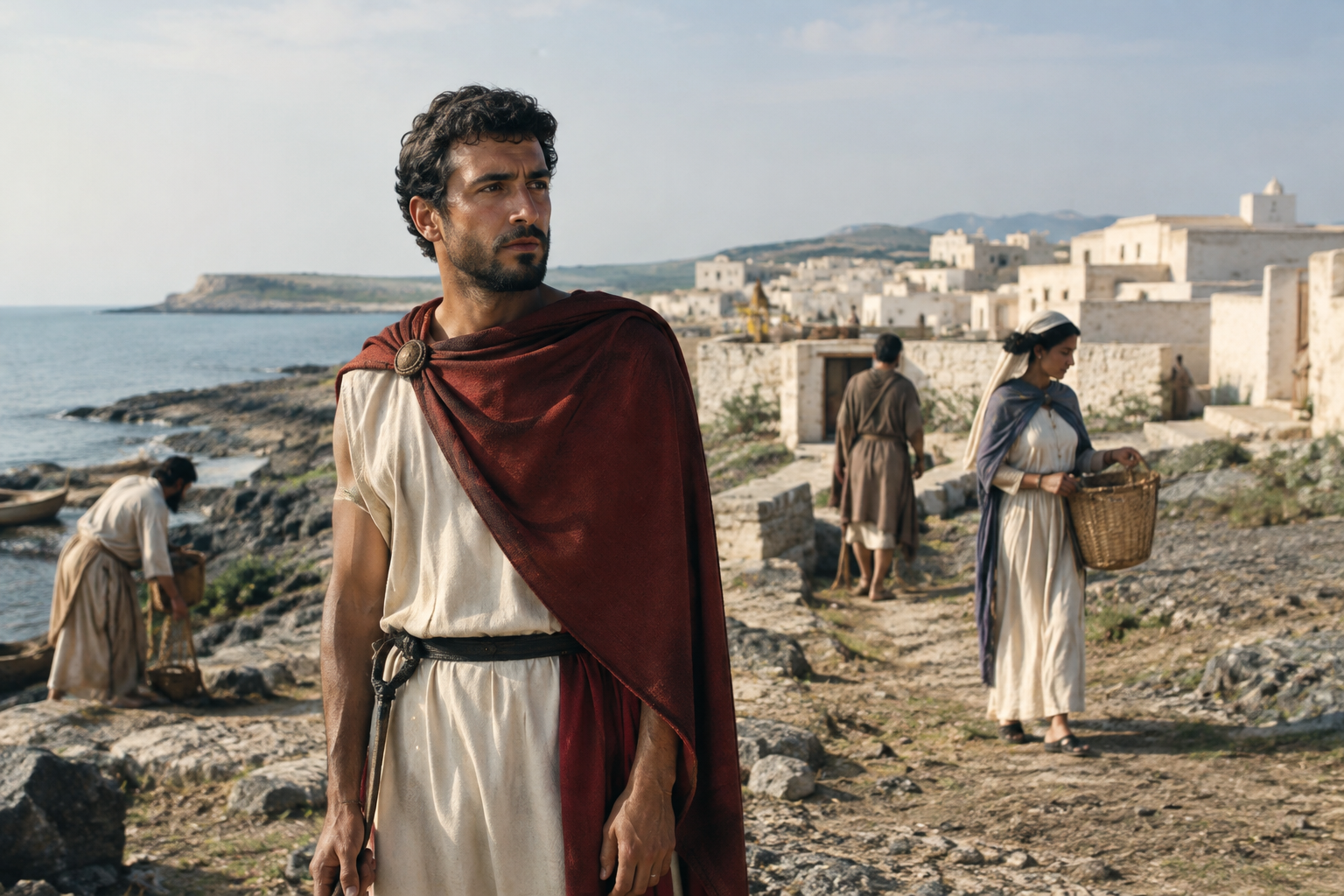
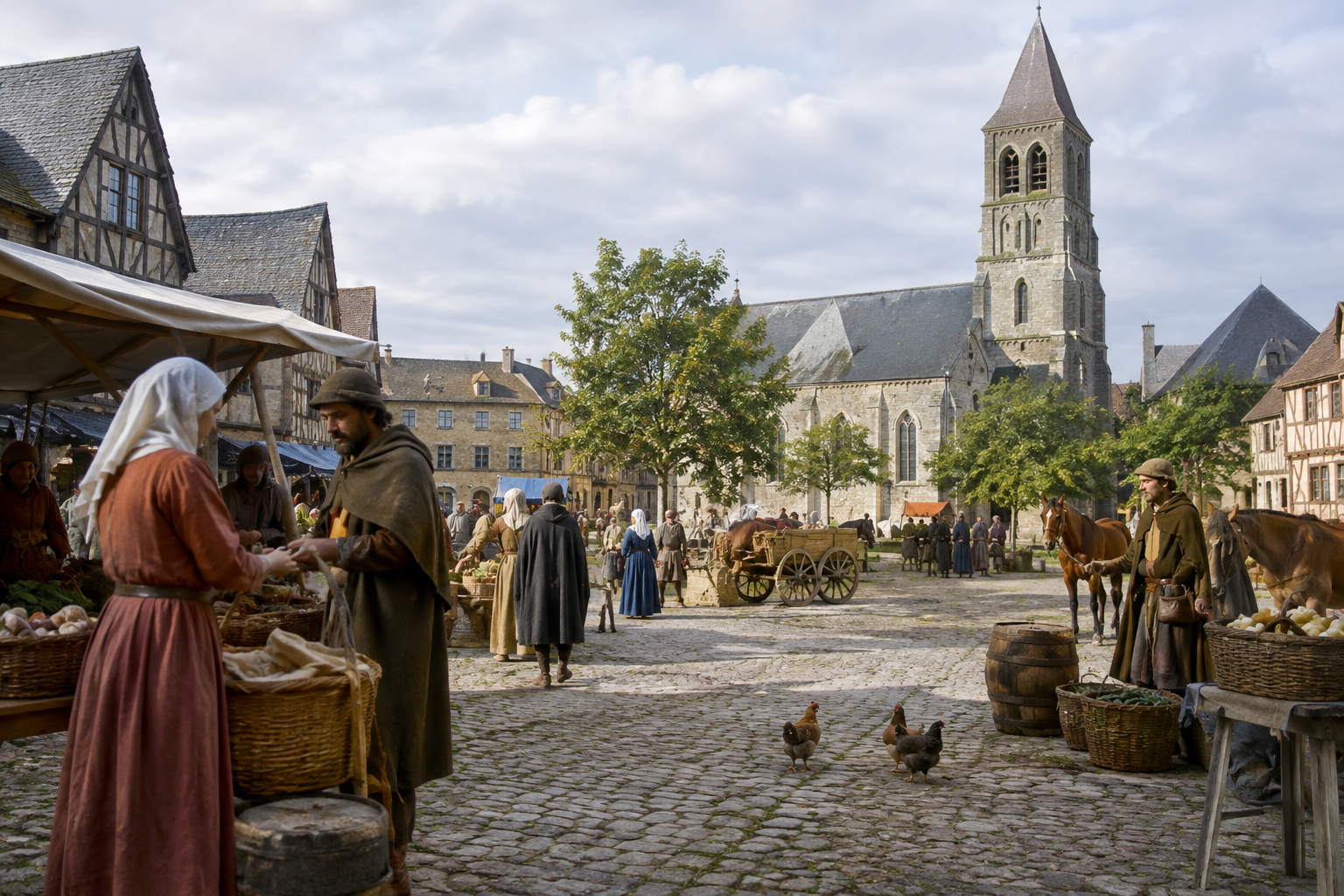
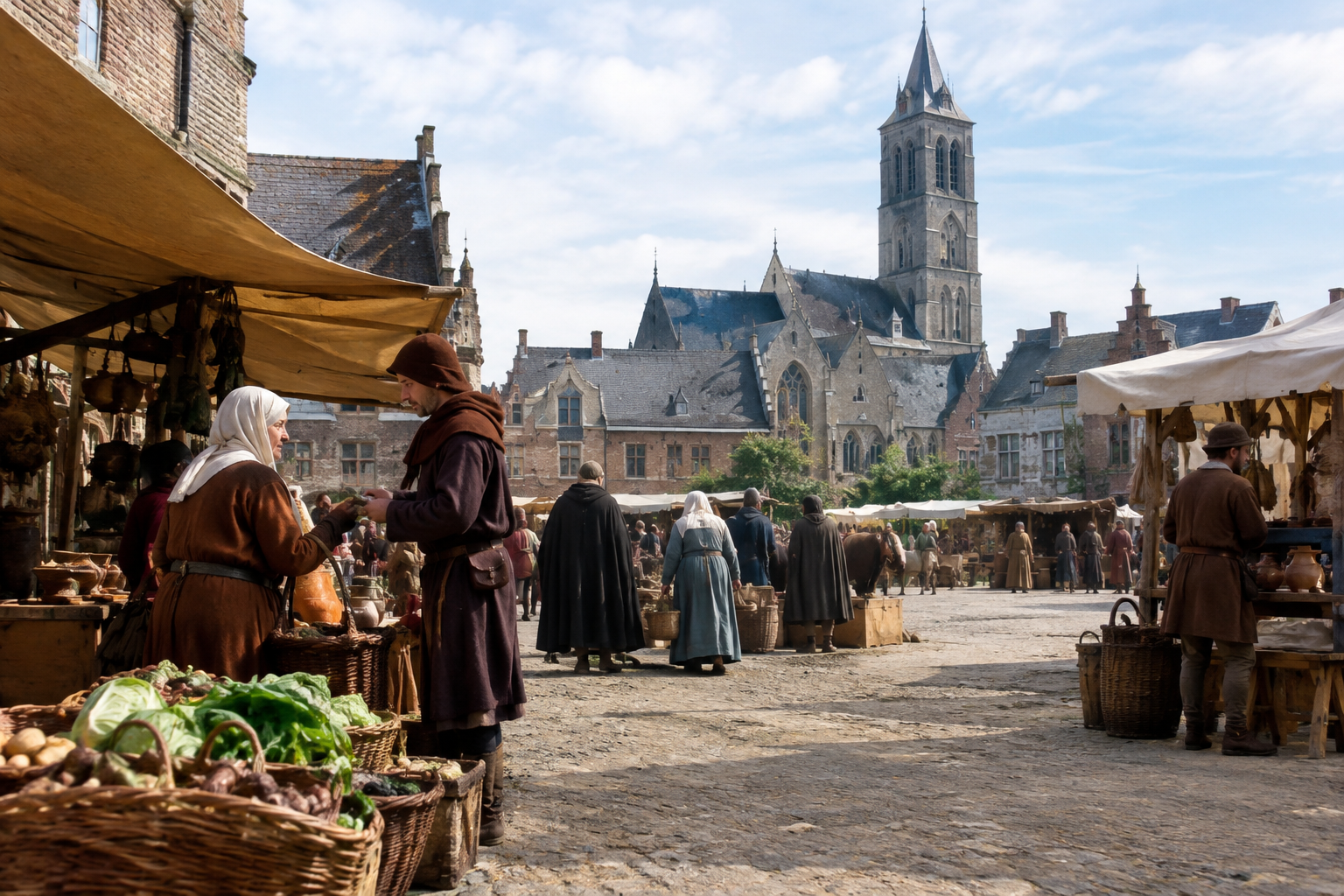
Villaricos is one of those places where the map does much of the explaining. This stretch of the southeastern Spanish coast faced not inward, but outward - toward maritime exchange, visiting merchants, colonial outposts, and mixed local societies. By the 3rd century BC, this was no isolated corner. It was part of a western Mediterranean world shaped by long contact with Phoenician and Punic networks as well as indigenous Iberian traditions.
In that setting, the appearance of E1 in sample I18189 is historically plausible and archaeologically interesting. It does not tell us whether this man thought of himself as "Iberian," "Punic," or anything else that modern readers may wish to pin neatly onto the past. What it does show is that an E1 paternal line was present in Iron Age Almeria at a time when coastal Iberia was a zone of interaction rather than a sealed population block.
A broader genetic study of ancient Iberian populations, published in Nature, has helped underline just how varied these peninsular communities could be through time. The value of I18189 lies precisely in being one datable piece of that larger puzzle.
E1 is a broad Y-chromosome branch, and that breadth matters. A parent haplogroup can include many downstream lines distributed across different regions and periods. Without a securely published terminal subclade for I18189 in the material at hand, it is best to keep the claim modest: this Iron Age individual is associated with E1 at a broad level, not with a more precise branch that would let us map a finer route or later surname-style descent.
That may sound cautious, but it is actually where the historical value lies. Ancient DNA is most useful when it stops us from over-tidying the past. E1 is often discussed in the context of Africa, the Mediterranean, and parts of western Eurasia, but a broad assignment alone does not authorize us to draw a single clean arrow from one homeland to one burial. In archaeology, coastlines especially are troublesome places for simple origin stories. People move, families branch, and paternal lines can survive in one place long after the events that first brought them there.
The date around 271 BC places I18189 in a period of sharp political change. Carthaginian influence was strong in parts of southern and eastern Iberia, while local communities retained their own traditions and identities. Roman power was still in the making in Hispania. So this is not yet the world of imperial Latin cities and veteran colonies; it is an older coastal world, layered and unstable.
That context is essential for reading E1 in Iberia. The paternal line may have arrived generations or centuries earlier, perhaps through maritime links, settlement, or smaller-scale mobility that left little trace in written sources. Or it may represent continuity within a local community already shaped by earlier episodes of Mediterranean contact. Archaeology often shows us the stage more clearly than it reveals the script.
This is one reason ancient coastal sites matter so much. They remind us that population history in Iberia was never built from one event alone. The peninsula saw repeated episodes of contact: prehistoric exchange, Phoenician expansion, Punic commercial networks, Roman conquest, and later movements from both Europe and North Africa. A single E1 sample in Iron Age Almeria cannot settle every argument, but it fits neatly into that long pattern of connected shores.
There is a tendency in public discussions of genetics to prefer huge sample numbers and sweeping maps. Fair enough; those are useful. But there is also something rather grounding about a single ancient person with a date, a place, and a paternal lineage. I18189 is not an abstraction. He lived in a real community on a real coast at a specific historical moment, and his Y-DNA places E1 there beyond mere speculation.
For people exploring a present-day E1 line, this kind of evidence provides a different sort of anchor. It does not promise descent from a famous ruler or a named tribe. What it offers is older and, in some ways, better: proof that E1 formed part of the male-line diversity of Iron Age Iberia before the region entered the full machinery of Roman imperial rule.
That also helps counter the outdated idea that ancient populations were tidy, homogeneous, and easily matched to modern labels. The archaeological record of Iberia points the other way. Communities could be local in culture yet connected in ancestry; they could speak one language, trade with another people, marry across boundaries, and bury men whose paternal lines had deeper histories elsewhere.
Once you place I18189 on the map, a larger historical question appears. How many of the paternal lines found in Iron Age Iberia reflect deep prehistoric settlement, and how many reflect later Mediterranean mobility? The answer, almost certainly, is both. Southeastern Spain is exactly the kind of region where one should expect continuity and mixture to sit side by side.
That is why comparisons across Iberian periods are so helpful. Later work on Roman and post-Roman Spain has emphasized that the peninsula kept absorbing new people without losing all continuity with what came before. If an E1 line was already present in Almeria in the 3rd century BC, then later appearances of related broad ancestry patterns in Iberia need not be explained only by Roman-era or medieval movements. Some strands were already there, woven into local populations before those later chapters began.
In other words, the importance of E1 here is not rarity for rarity's sake. It is chronological depth. The lineage is visible in Iberia early enough to remind us that many supposedly "later" Mediterranean connections may rest on foundations laid long before Roman administration or medieval state formation.
The most solid thing we can say about E1 from this evidence is also the most useful: a man from Villaricos in Iron Age southeastern Spain, sample I18189, shows that this paternal branch was present in Iberia around the 3rd century BC. That places E1 within a coastal Mediterranean setting shaped by contact, trade, and layered ancestry well before the Roman imperial peak. For someone researching an E1 paternal line today, that is a reminder to think historically and geographically at once: not in terms of a single identity label, but in terms of connected regions and long-lived male lines moving through real archaeological worlds.

Comments