Haplogroup R1b1a1b1a1a2b1a2

– 5 min read


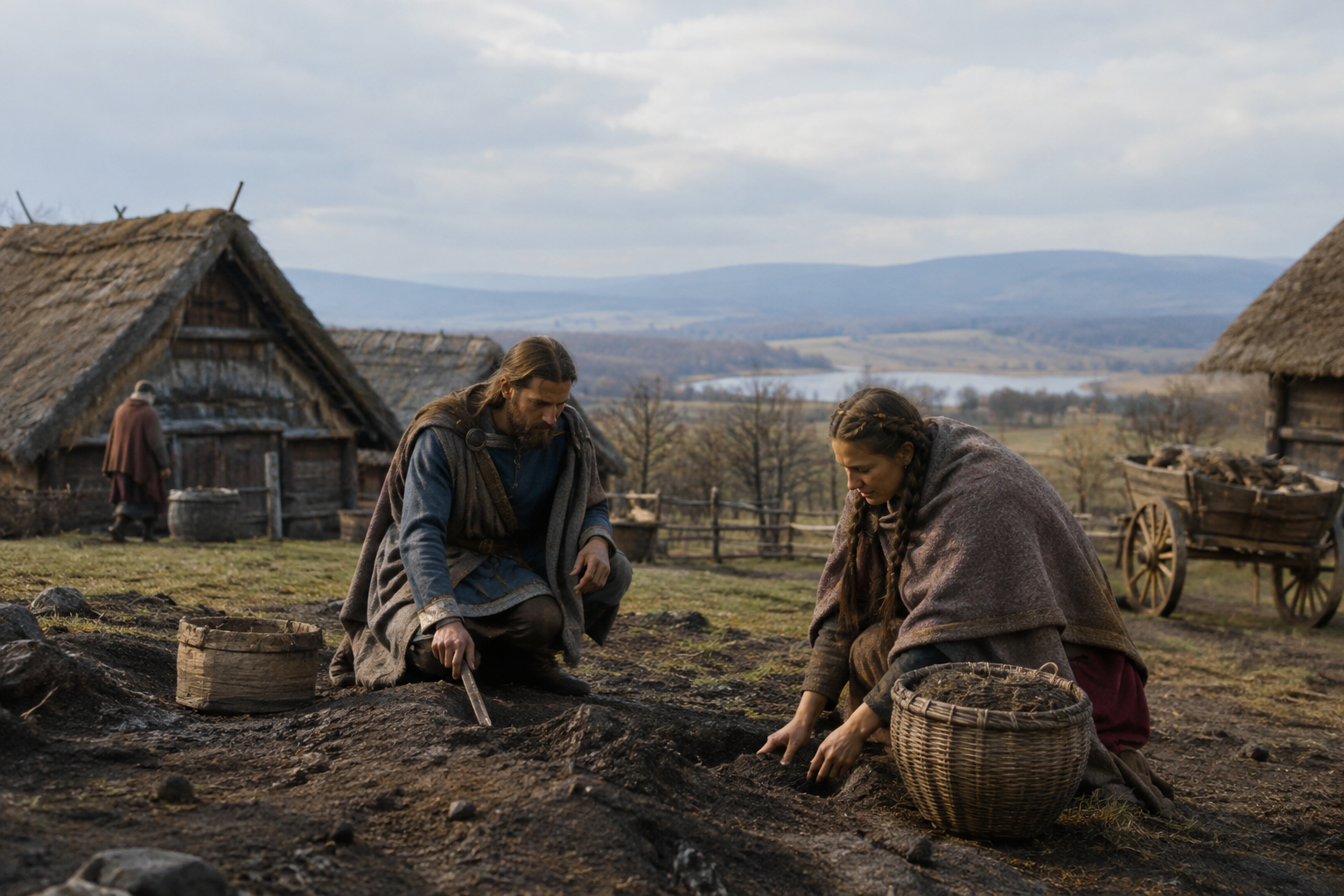
At Weilheim in Bavaria, an early medieval man known as Wh9, dated to around AD 505, offers a very precise glimpse of one paternal line moving through a changing world. He lived at a moment when Roman authority had collapsed in the West, new political identities were hardening across the Danube region, and local communities in southern Germany were absorbing the consequences. His reported Y-DNA association with R1b1a1b1a1a2b1a2 makes him interesting not because one grave can stand for an entire people, but because it places a specific paternal branch in a concrete post-Roman setting.
A second sample sharpens the picture. R11868 comes from a Migration Era grave at Hassleben in Thuringia, dated to around AD 450. Taken together, these two finds suggest that the branch represented here belonged to men living in central and southern Germany during the decades when old imperial frontiers were giving way to early medieval regional societies. Y-DNA traces only a direct paternal line, not a person's whole ancestry or ethnicity, but that narrow line can still be historically revealing when it appears in well-dated archaeological contexts.
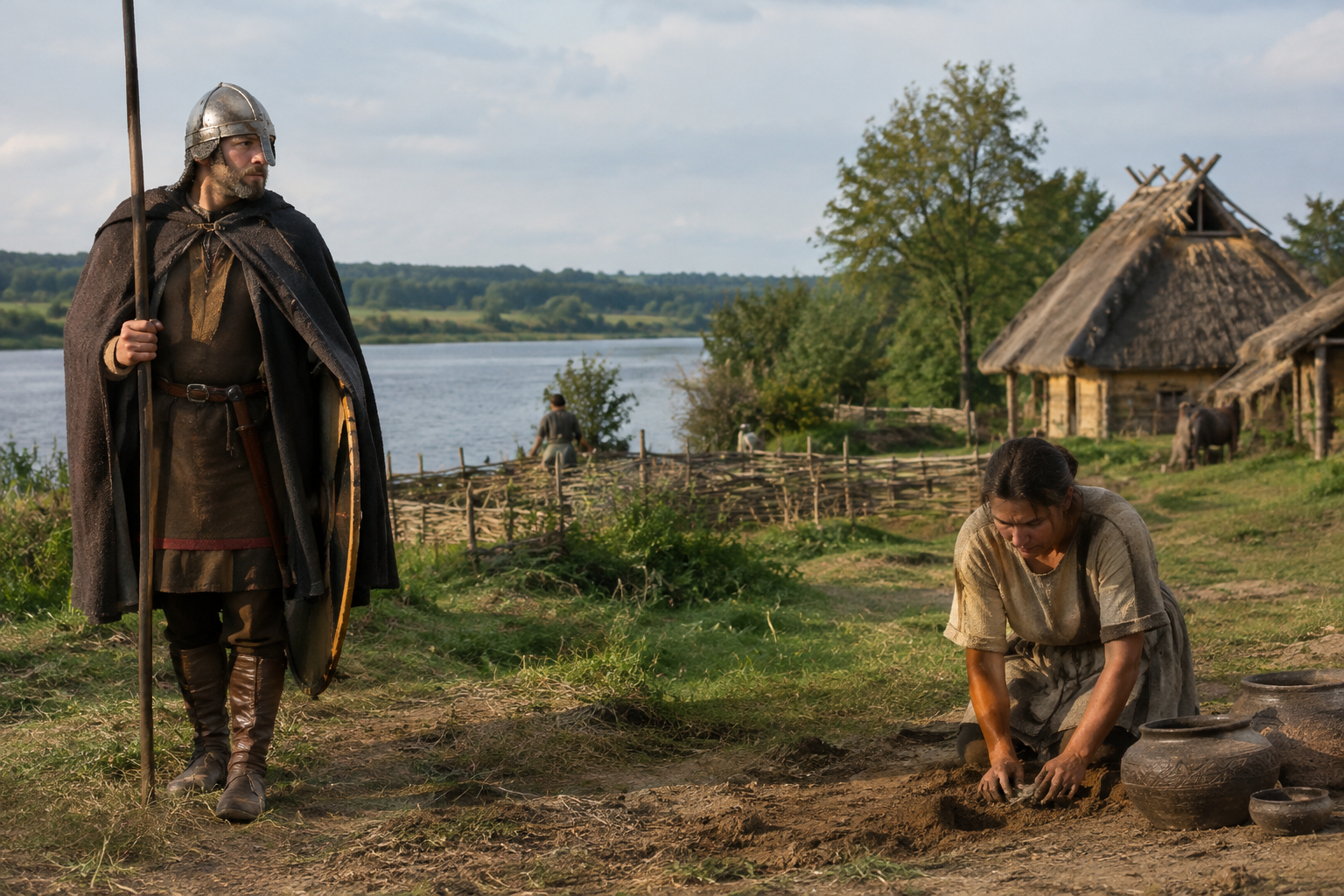
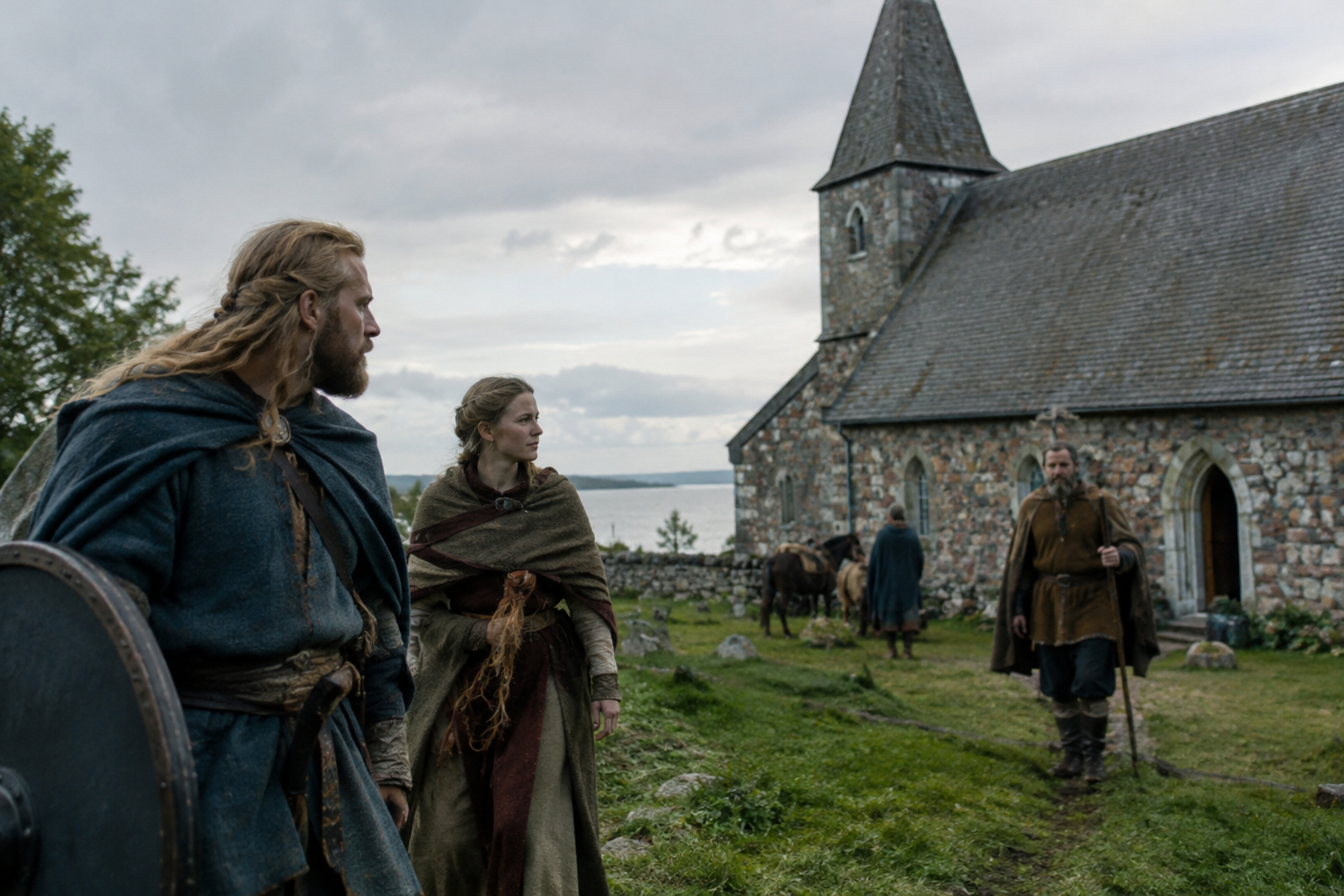
Weilheim sits in a region that was deeply shaped by the end of Roman power. By the early 6th century, Bavaria was not an isolated backwater but part of a corridor linking the old provinces south of the Danube with central Europe farther north and east. A man like Wh9 belonged to a society in which local continuity, migration, military service, and political reorganization were all tangled together.
That is exactly why a lineage such as R1b1a1b1a1a2b1a2 matters here. The wider R1b family is large and widespread across Europe, but the article haplogroup is a much narrower twig on that tree. We should not simply project the whole history of R1b onto Wh9. What we can say, more carefully, is that this paternal branch had reached or persisted in the early medieval Danubian zone by around AD 505, within a population living through the formation of what would become Bavarian identity.
An ancient DNA study of populations from this broader period and region has helped show how mixed such frontier and post-frontier communities could be, with ancestry patterns often cutting across the neat labels used in older history books. That wider point is useful background when thinking about men like Wh9, even if one lineage on its own cannot tell the whole story. For readers interested in this broader setting, MyTrueAncestry has also explored Roman-"Barbarian" blending on the German frontier, 400-700 CE.
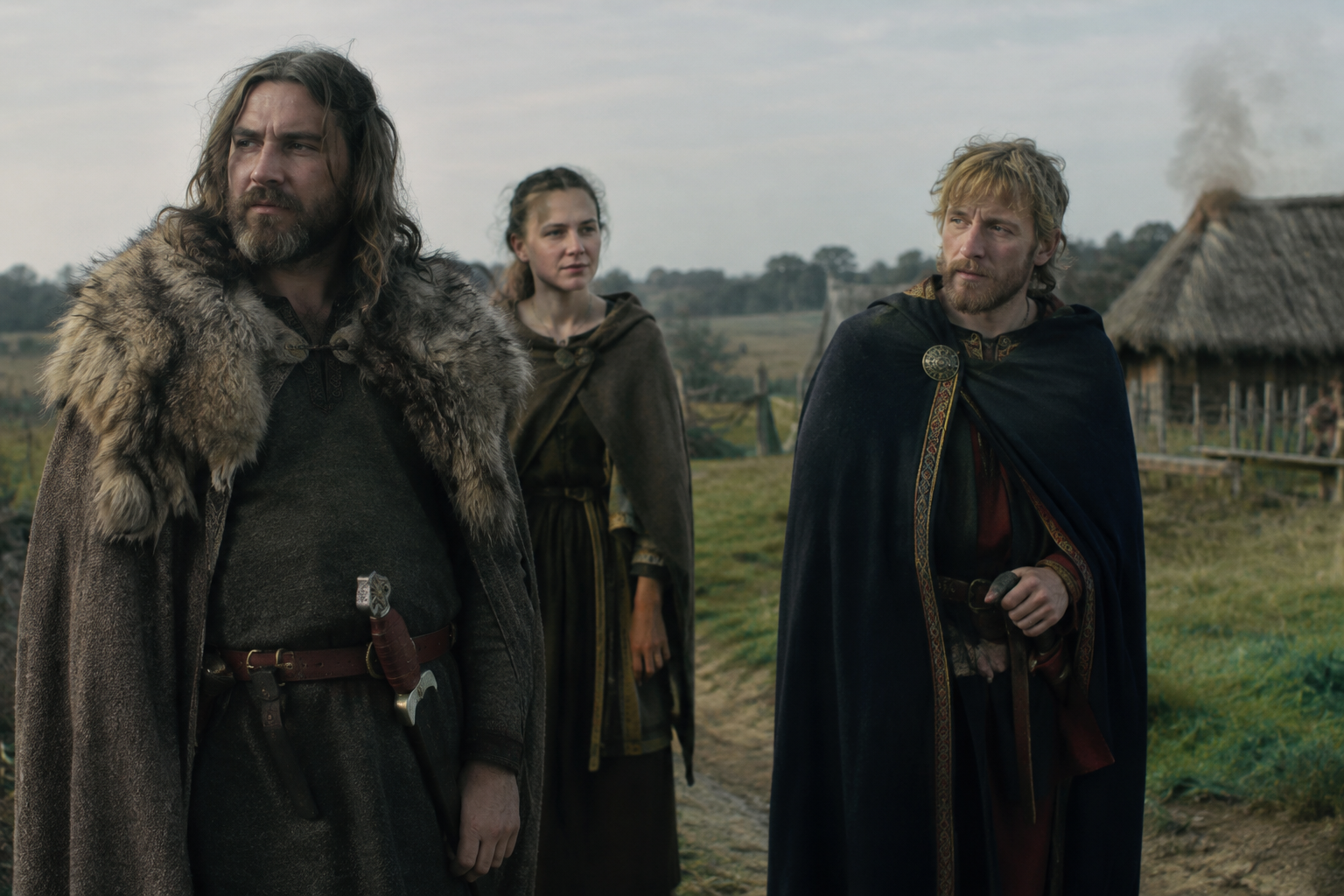
The earlier sample, R11868 from Hassleben in Thuringia, takes us into the 5th century, around AD 450. This was the classic Migration Period: an age of military federates, shifting alliances, collapsing Roman tax systems, and new burial traditions appearing across central Europe. Thuringia was one of the regions where archaeologists repeatedly confront the problem of labels. Was a cemetery "Germanic," provincial, migrant, local, elite, or mixed? Very often, the answer is some combination of all of them.
That makes R11868 valuable as evidence. He is not just another abstract marker on a haplogroup map; he is a dated individual from a recognizable archaeological setting in the heart of central Germany. His association with the same narrow paternal branch as Wh9 suggests that this lineage was present in more than one community during the decades spanning the late Roman to early medieval transition.
What it does not mean is that all men at Hassleben shared that line, or that the branch belonged to one named tribe from the written sources. Archaeology and genetics are at their best when they resist that temptation. The stronger conclusion is simpler and more useful: this paternal line was part of the male landscape of Migration Period central Europe.
The awkward length of the label tells its own story. R1b1a1b1a1a2b1a2 is not a grand umbrella category but a fine-grained downstream lineage within the much broader R1b family. In practical terms, that means it identifies a more tightly defined paternal branch than simply saying "R1b."
For family historians, this is often where ancient DNA becomes most exciting and most delicate. A broad R1b assignment can cover vast stretches of Europe and many different historical episodes. A lineage this specific has the potential to anchor research more narrowly, but only where ancient samples and tested modern lineages are both securely resolved. In the two cases here, the historical strength lies less in dramatic claims of origin than in the fact that the branch appears in two early medieval German contexts a few decades apart.
That pattern fits a Europe in which paternal lines were being carried through communities that were mobile, interconnected, and locally rooted at the same time. Recent archaeogenetic work on post-Roman and migration-era populations has repeatedly shown that cultural identities and biological ancestry did not line up in tidy blocks. A relevant example from central Europe is discussed in research on post-Roman population history and diversity, which helps frame the kind of mixed historical landscape in which these men lived.
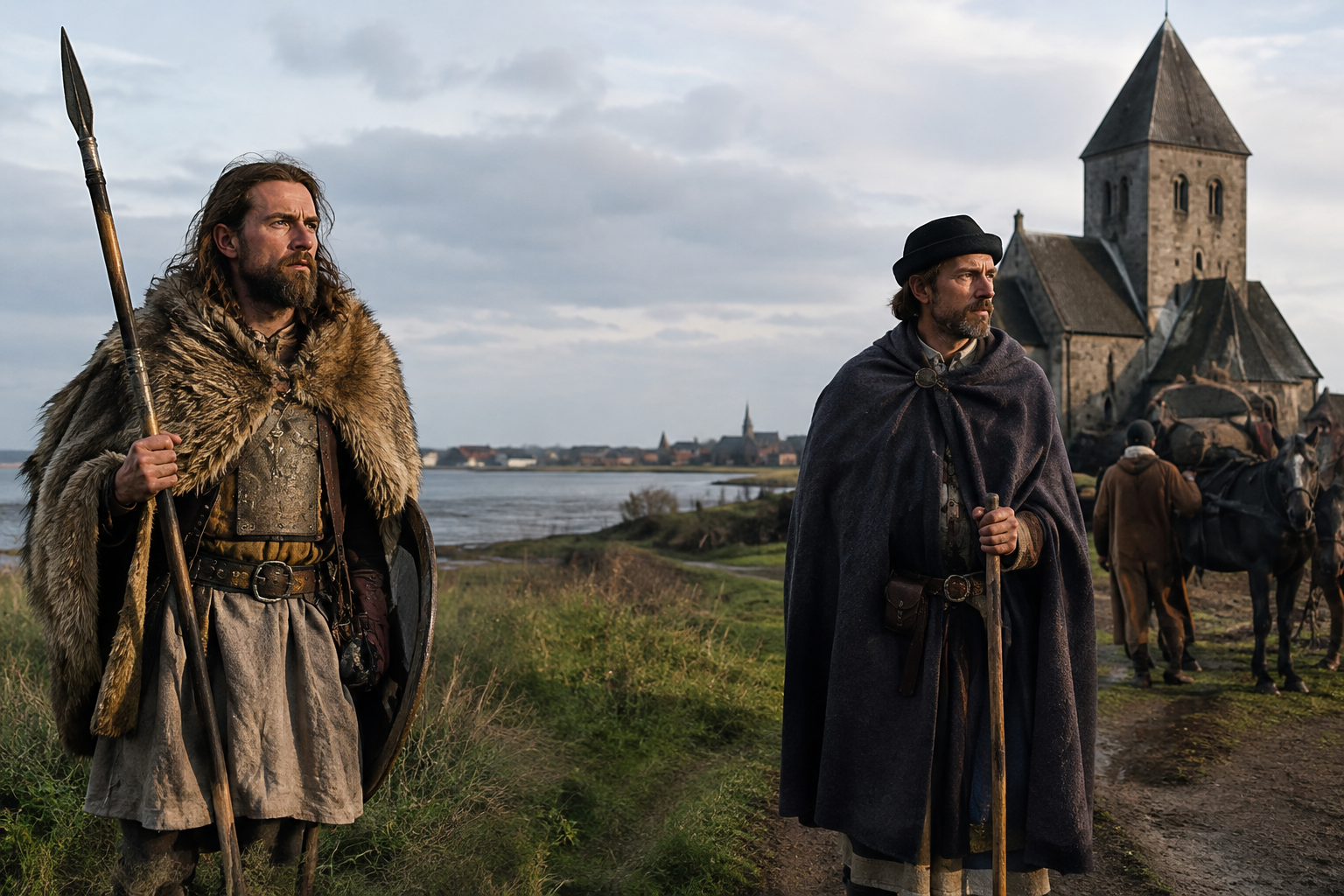
The most striking feature of these two samples is not sheer antiquity but historical timing. R11868 at Hassleben belongs to the middle of the 5th century, when the Western Roman Empire still existed in name but was rapidly losing substance. Wh9 at Weilheim belongs to the early 6th century, when successor kingdoms and regional powers were becoming the new normal. The same paternal branch appears on both sides of that hinge.
That does not prove an unbroken local dynasty, still less a direct family connection between the two men. What it does suggest is a measure of continuity in the paternal landscape across a moment usually narrated only in terms of upheaval. The archaeology of this period often shows change in burial customs, dress accessories, and political affiliations; the genetics can reveal that some lineages persisted through those changes, while others arrived, mixed, or disappeared.
This is one reason migration-era archaeogenetics has been so important. It has complicated the old picture of whole peoples marching neatly from one place to another. Communities in Bavaria and Thuringia were shaped by movement, certainly, but also by marriage, alliance, service, local survival, and the slow reuse of older populations in newer political worlds.
A wider genetic study published in Nature underscores how powerful ancient DNA can be in reconstructing such long regional histories when combined with archaeology. Even without forcing every detail onto these two individuals, that broader work helps explain why a pair of well-placed Y-chromosome observations can matter.
For someone researching a modern paternal line assigned to R1b1a1b1a1a2b1a2, these early medieval samples do not provide a ready-made ethnic badge or a family tree stretching back to a named warrior. What they do provide is firmer and, in a way, more interesting: evidence that this branch was present in central and southern Germany during the decades when Roman provincial worlds were giving way to early medieval ones.
That places the lineage in a landscape of frontier breakdown, local resilience, and emerging regional identities. It is a reminder that paternal ancestry can sometimes be traced not to a single famous house, but to ordinary men buried in communities that sat close to history's hinge-points. If your line belongs to this branch, the most responsible historical picture is one rooted in the Migration Period and early medieval heart of central Europe, where continuity and change lived side by side.
Comments