Haplogroup R1b1a1b1a1a1c2c
– 5 min read


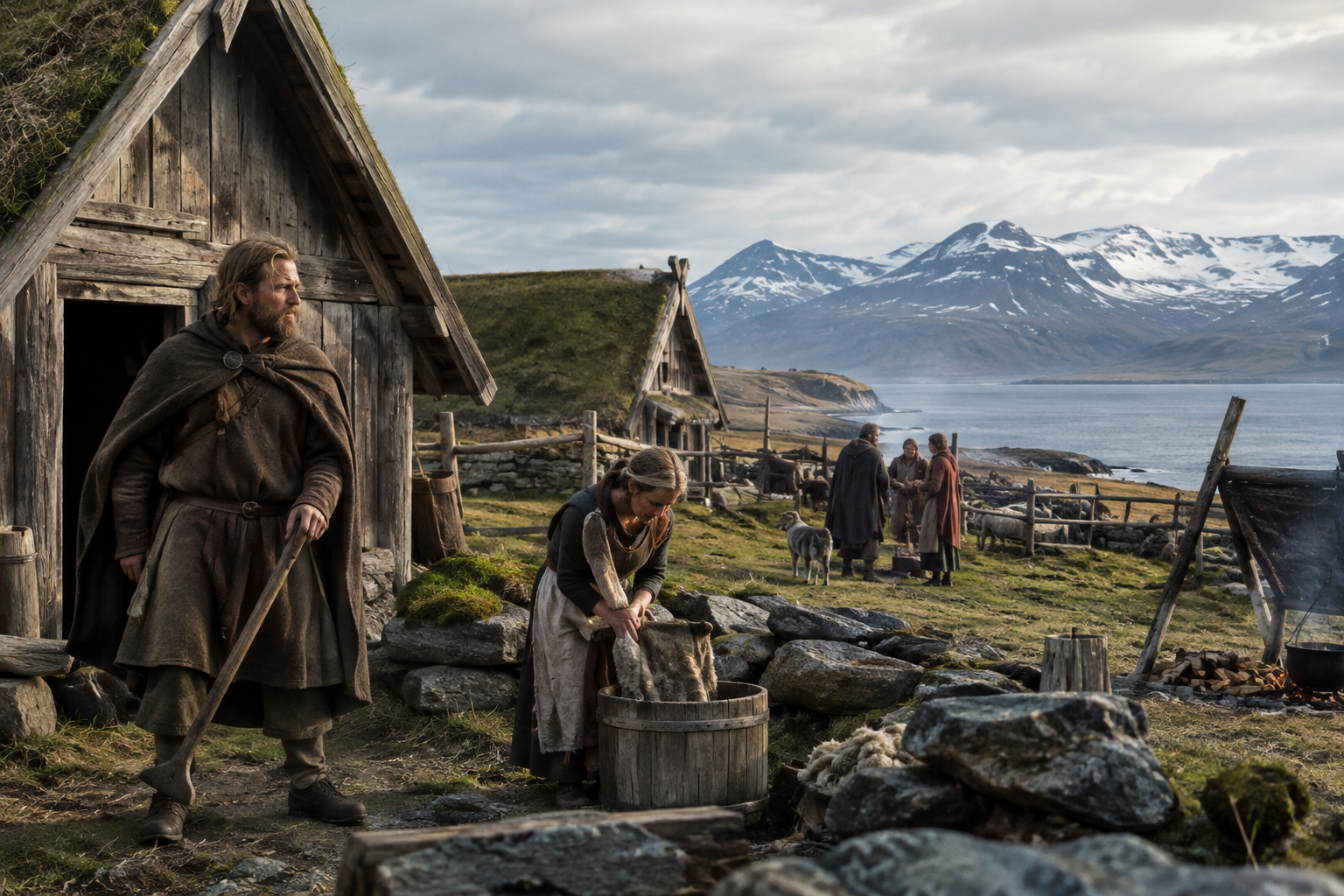
At Hofstadir in northern Iceland, one Viking Age man has become a surprisingly useful guide to a much larger paternal story. Sample VK102, dated to about AD 1050, is associated here with the Y-DNA haplogroup R1b1a1b1a1a1c2c. That is an imposing string of letters and numbers, but the historical setting is easier to picture: Iceland at the end of the Viking Age, when a North Atlantic island settled only a few generations earlier had already become a society of farms, churches, law, memory, and very long family lines.
What makes VK102 interesting is not that one Icelandic burial can somehow explain an entire haplogroup. It cannot. Y-DNA traces one direct paternal line only, not a person's whole ancestry. But a sample like this does show that the branch now labelled R1b1a1b1a1a1c2c had reached, or persisted in, the Viking world of medieval Iceland. In other words, this is not an abstract tree-diagram lineage. It belonged to a real man living in a well-defined historical landscape.
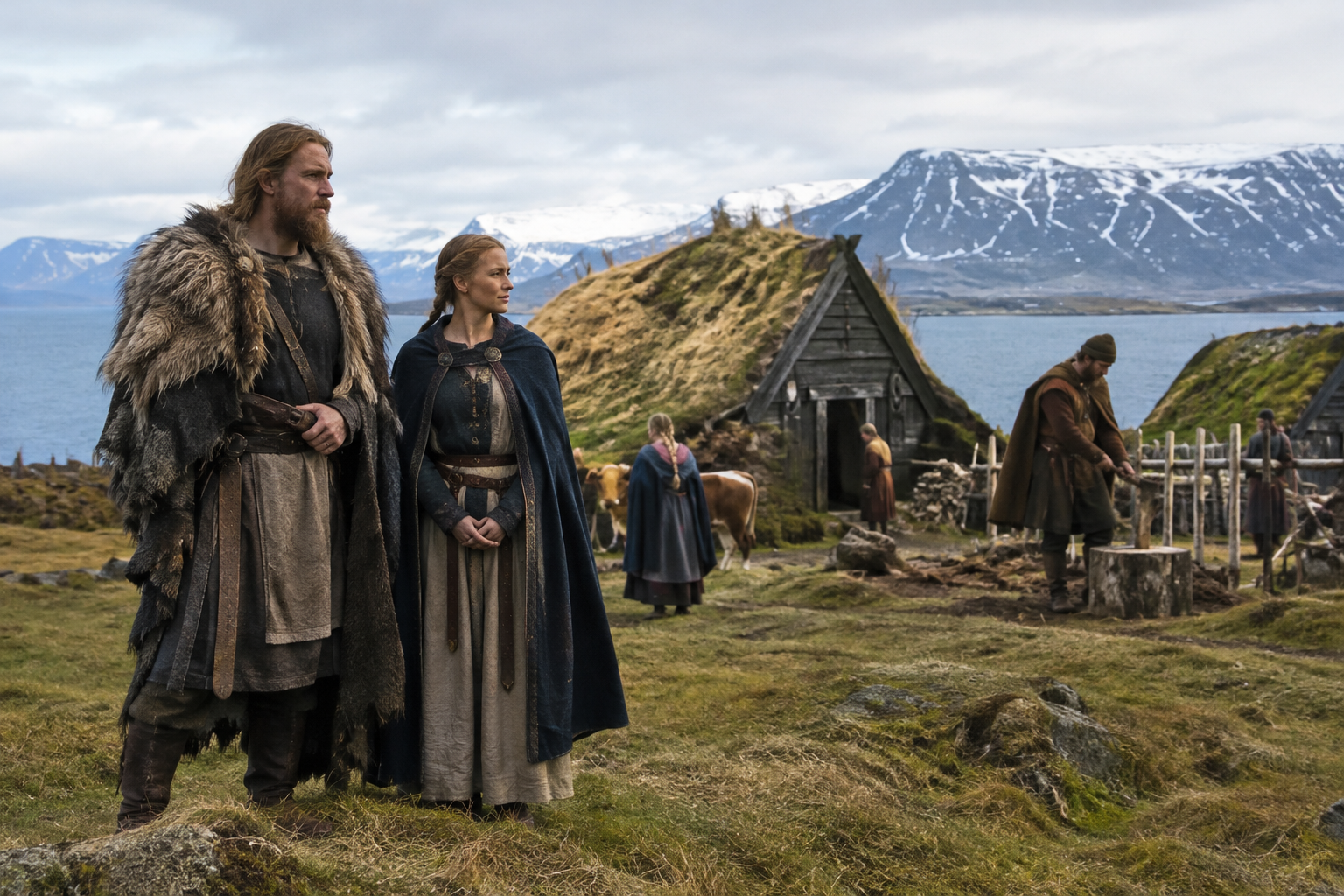
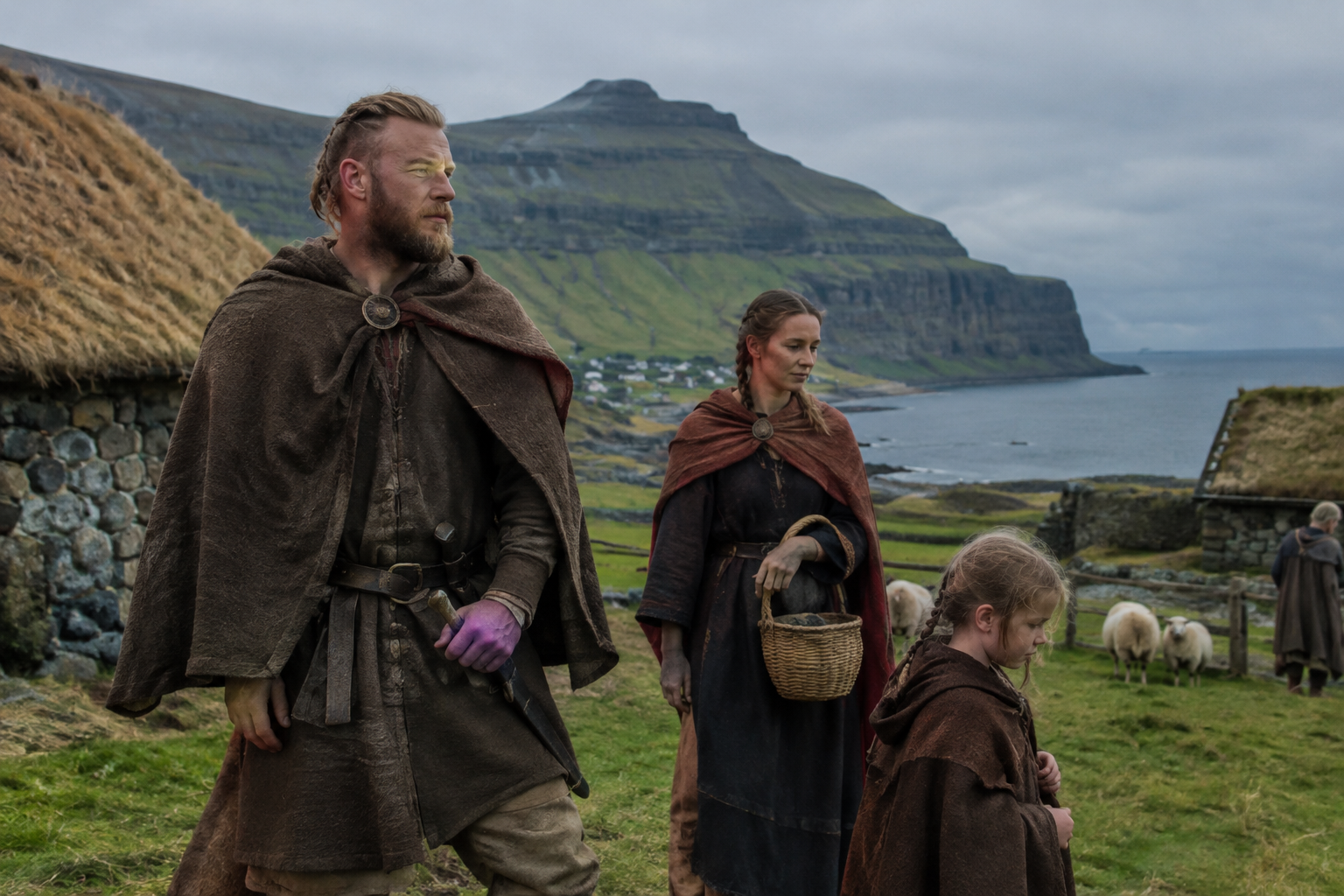
Hofstadir is one of the most famous early settlement-period sites in Iceland, known archaeologically as a substantial farmstead with a long and complicated life. By around AD 1050, Iceland was no longer a raw frontier in the simple saga sense. It had become a networked society connected to Norway, the British Isles, Greenland, and the wider Scandinavian world.
That matters for interpreting VK102. A Y-chromosome lineage found in Iceland in this period might reflect ancestry carried in by settlers from Scandinavia, by men whose family backgrounds already included admixture from the British Isles, or by lineages circulating around the North Atlantic more broadly. Viking Age Iceland was famously mobile, but it was not genetically simple.
An ancient DNA study of Viking populations helped show just how mixed and wide-ranging that world could be, even when its cultural labels seem straightforward on the page. For readers wanting the broader genomic setting behind finds like VK102, the large-scale research preprint on Viking Age populations is here: https://www.biorxiv.org/content/10.1101/703405v1.
The haplogroup name tells us that this is a very specific sub-branch nested inside the much larger R1b family of Y-DNA lineages. That larger parent haplogroup is widespread in western Eurasia and especially prominent in parts of Europe, but one must be careful here: the history of broad R1b is not automatically the history of every tiny downstream branch.
So the sensible way to handle R1b1a1b1a1a1c2c is modestly. This branch belongs to a paternal family within the wider R1b world, and one securely dated medieval appearance linked to Iceland places it within the human movement that shaped the Norse North Atlantic. That is useful evidence, but not a licence to assign every bearer a single ethnicity, language, or homeland.
In practice, a subclade this specific is often most meaningful when combined with genealogy, surname projects, regional clustering, and additional ancient matches. A lone medieval sample does not found a dynasty in the historical sense. It does, however, anchor the branch in a concrete archaeological horizon.
If one is trying to imagine the deeper background of a lineage found in Viking Age Iceland, the island's settlement history is the obvious place to start. Iceland was colonised chiefly in the late 9th and 10th centuries by people arriving from western Norway and the Norse colonies of the North Atlantic. Yet from the beginning, this population also included substantial ancestry from the British Isles, carried especially through people brought or arriving from Ireland and Scotland.
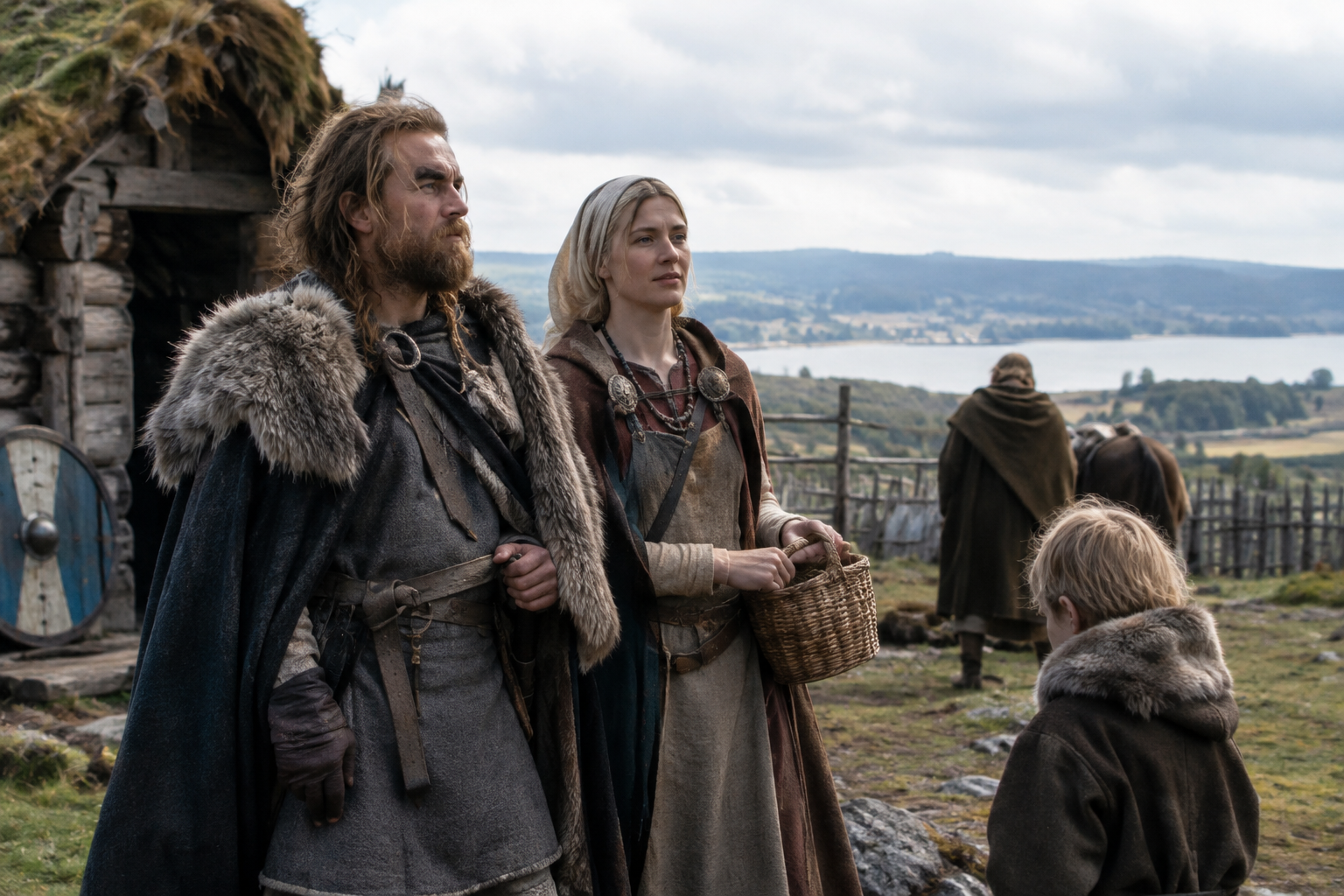
That mixed background is one of the reasons medieval Iceland is such an arresting place for DNA history. A man buried there in about AD 1050 might be culturally Norse, legally Icelandic, and genealogically connected to several shores at once. The paternal line represented by VK102 therefore belongs in a world of ships, fosterage, trade, marriage, slavery, conversion, and migration rather than in a neat ethnic box.
Modern Icelandic genetics has continued to underline how strong founder effects and later isolation can preserve unusual branches and variants over long periods. That does not prove continuity for any single paternal line from VK102 to the present day, but it does explain why Iceland is such a rewarding place for both archaeologists and geneticists.
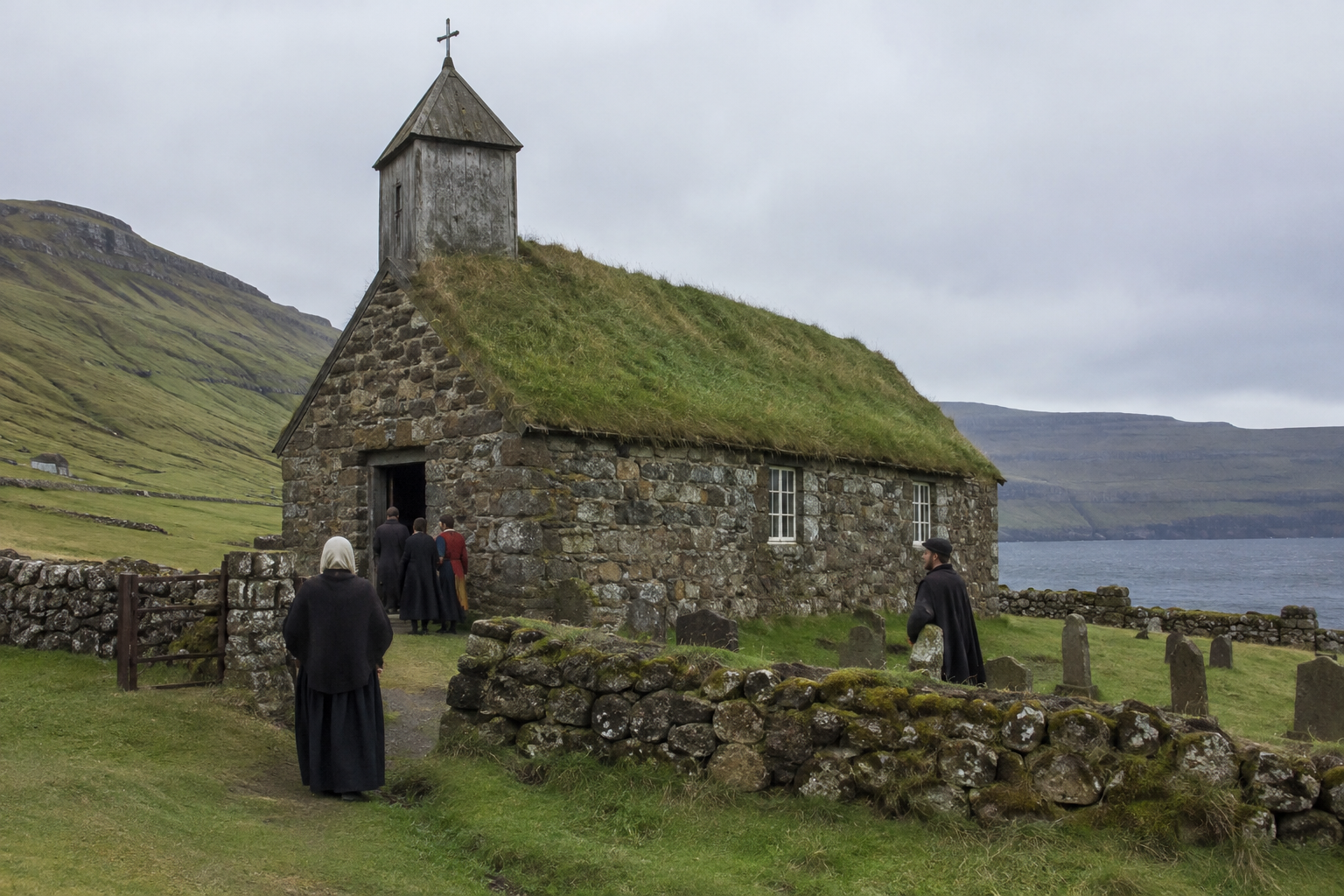
One danger in haplogroup writing is to stare so hard at the code that the society disappears. Hofstadir helps prevent that. This was not an anonymous patch of ground but part of a lived settlement landscape in which status, religion, seasonal work, and regional politics all mattered. By the 11th century, Iceland was also experiencing the aftershocks of Christianisation, which altered burial customs and social memory across the island.
That broader context is important because paternal lineages do not travel by themselves. They move with households, inheritance systems, and social institutions. In Viking and post-Viking Iceland, a surviving Y-line might owe its later visibility not simply to biological descent but to whether a family remained locally established, prosperous, and numerous enough to leave descendants.
For that reason, VK102 is best read not as an isolated curiosity but as a small fixed point inside a famously connected maritime world. The branch R1b1a1b1a1a1c2c had reached medieval Iceland by around AD 1050, and that alone situates it within one of the best-documented migration zones in European history.
Because the sample comes from Viking Age Iceland, readers may naturally wonder whether this paternal line should be called "Norse" or "Germanic". Historically, those words belong to language, culture, and social affiliation before they belong to chromosomes. DNA can show that a paternal branch was present in a Norse-speaking community; it cannot by itself tell us what language a man's distant ancestors first spoke centuries earlier.
Still, there is a real historical overlap worth noting. The Norse expansion carried lineages, people, and languages together across the North Atlantic, though never in perfect lockstep. A branch found at Hofstadir therefore sits comfortably in discussions about the spread of Germanic-speaking populations, provided we remember that lineages are only one thread in the fabric.
There is something wonderfully corrective about evidence like VK102. It reminds us that a haplogroup is not merely a modern test result or a map shaded in broad colours. R1b1a1b1a1a1c2c appears here in the body of a man who lived in medieval Iceland, in a society shaped by settlement, seafaring, and the blending of Scandinavian and Insular worlds.
For someone researching this paternal branch today, the most responsible takeaway is not a grand claim of Viking identity, but a historically grounded one: this lineage is documented in the Viking Age North Atlantic, at Hofstadir, around AD 1050. That gives the branch a real archaeological foothold in one of the most mobile and memorable regions of medieval Europe.
Comments