Haplogroup I2a1b1a2a1a1a1
– 5 min read


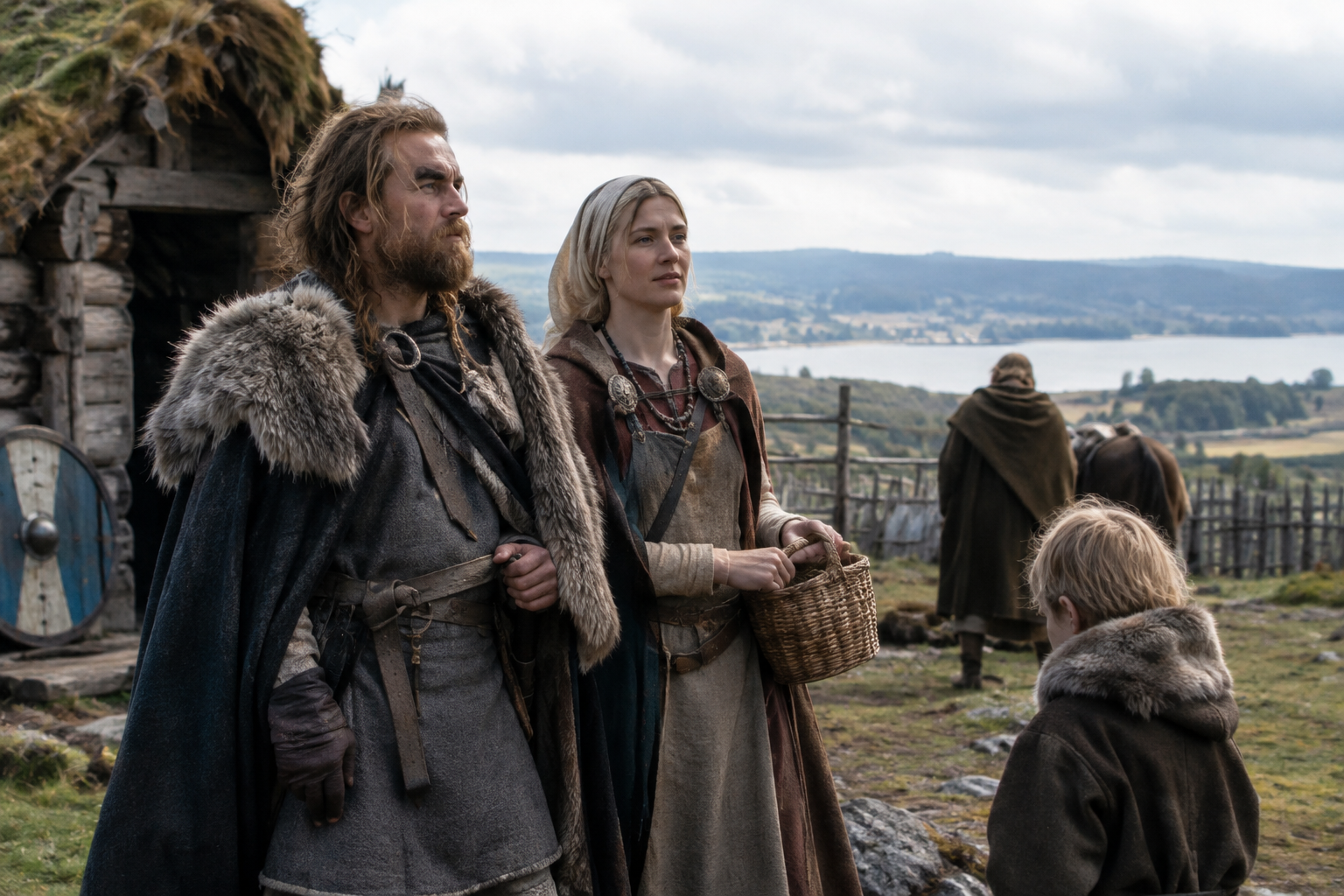
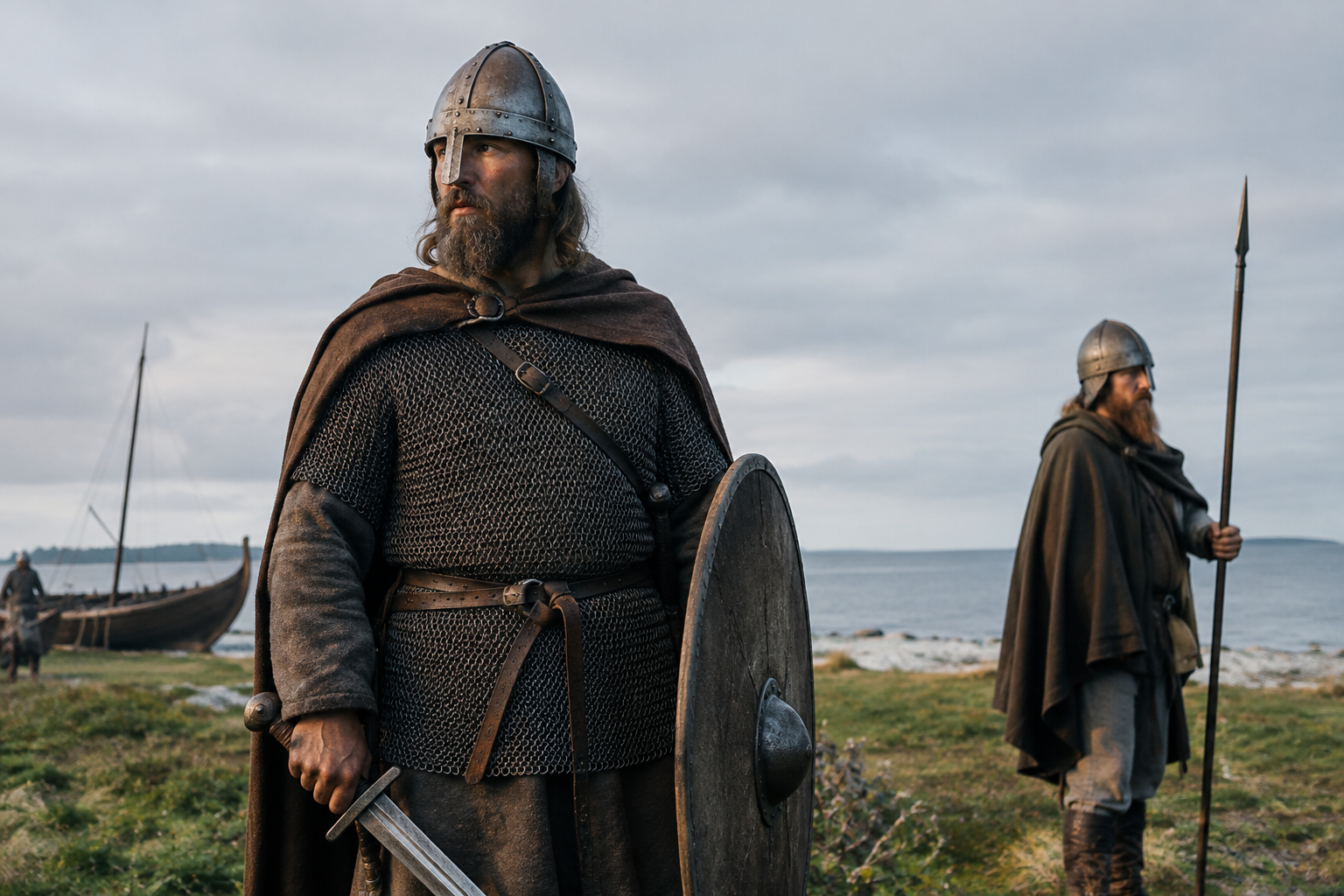
At Varnhem in Skara, in western Sweden, archaeologists and geneticists have been able to look at the people of the late Viking Age and the first Christian centuries with unusual clarity. One of the ancient men from this setting, sample VK427, dated to around AD 1050, has been associated here with the Y-DNA haplogroup I2a1b1a2a1a1a1. That sounds forbiddingly technical, but the human point is simpler: one paternal line, carried by one man, turning up in a landscape that was being remade by religion, kingship, and new social habits.
This is what makes VK427 interesting. He does not belong to some misty, unattached prehistory. He comes from a very specific historical world: Viking Age Sweden at the moment when burial practice, political organization, and cultural identity were changing fast. A Y-chromosome lineage traces only one direct male line, not a person's whole ancestry, but in cases like this it can still anchor family history in a real place and time.
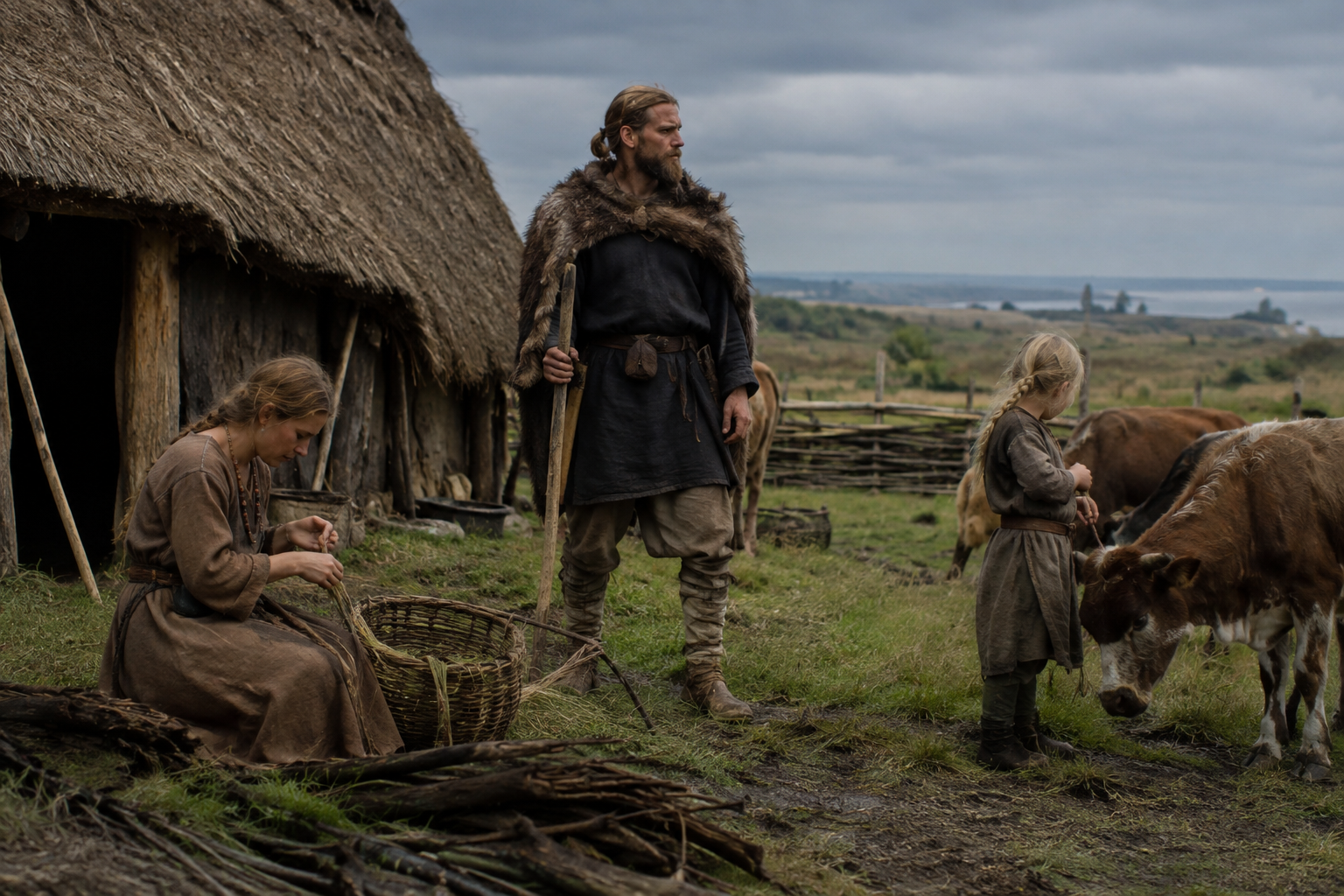
Varnhem is one of those Scandinavian places where archaeology refuses to stay neatly inside a single period. The site is best known for its medieval monastery, but the wider area also preserves evidence for settlement and burial across the centuries around the end of the Viking Age. That matters because AD 1050 is not merely "Viking" in the popular sense of ships and raids. It is also a date close to the consolidation of Christian burial customs and to the tightening of royal power in parts of Sweden.
So when we look at VK427, we are looking at a man from a frontier of habits as much as a frontier of time. The older Scandinavian world had not vanished, but churchyards, monasteries, and Christian ideas about the dead were becoming more visible in the landscape. An ancient DNA study on Viking Age populations, available at https://www.biorxiv.org/content/10.1101/703405v1, helped place Scandinavian individuals into this broader genomic setting, showing just how varied the people of the Viking world could be.
The haplogroup name itself tells us that this is a very narrow twig on a much larger Y-DNA tree. Its wider parent, haplogroup I, is one of the old European paternal lineages, with deep roots on the continent long before the Viking Age. But that broad statement should not be stretched too far. It does not mean that every tiny downstream branch had the same history, nor that a man in medieval Sweden can be read as a direct representative of some single ancient "people."
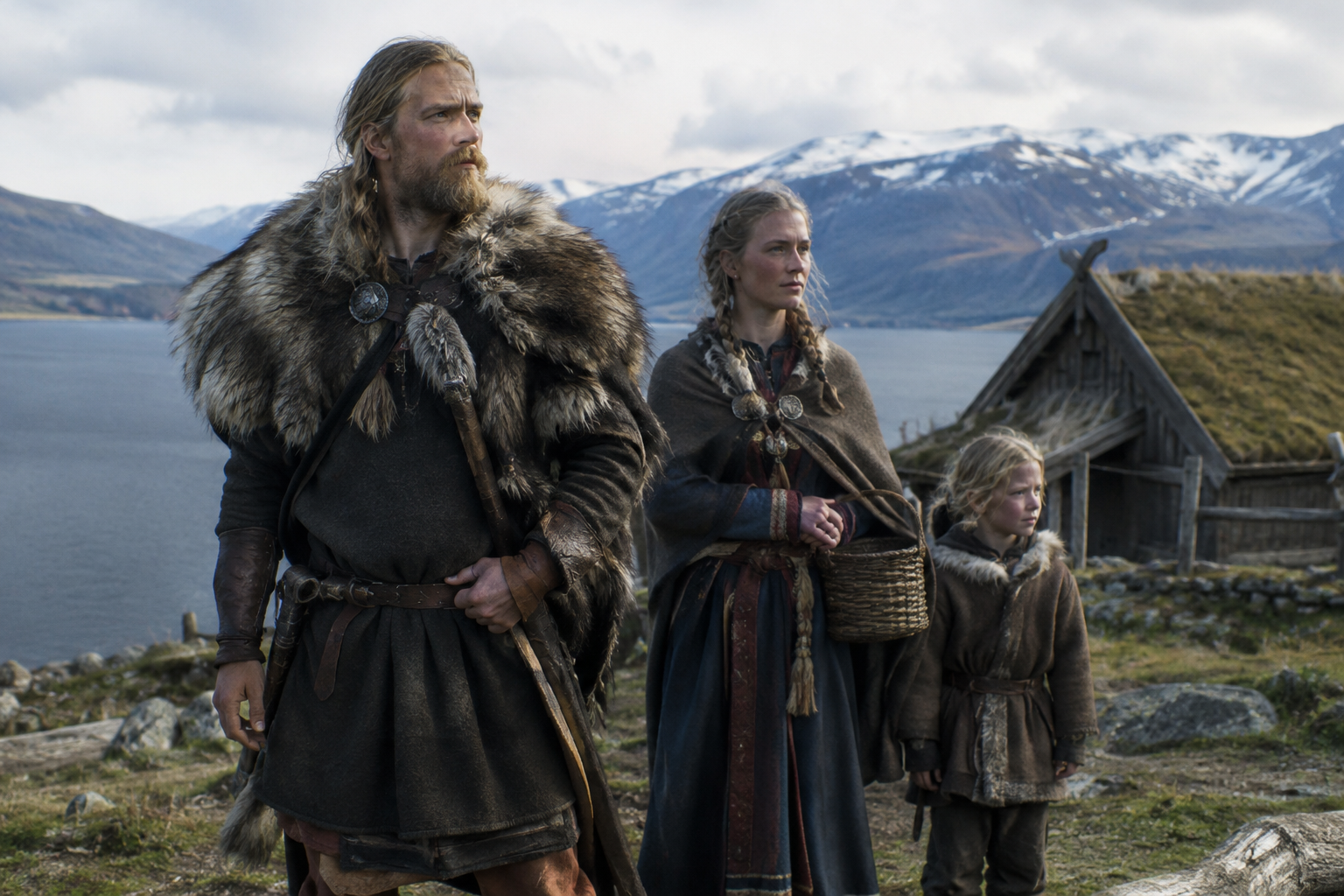
What we can say more carefully is that I2a1b1a2a1a1a1 belongs to a paternal family of lineages with long European depth, and that in VK427 it appears in a Scandinavian context during a historically documented age of movement and mixing. Scandinavia in the Viking Age was not genetically sealed off. Men and women moved through trade, marriage, slavery, warfare, and local resettlement. A paternal line found in Sweden in AD 1050 may reflect continuity from earlier northern European populations, later mobility into Scandinavia, or both across different branches and families.
With only one named ancient sample attached to this precise branch in the material here, the temptation is to say too much. Better to do the opposite and look closely at what one sample really offers. VK427 shows that this paternal line was present in a man living in Viking Age Skara-Varnhem, a region tied into the political and ecclesiastical growth of medieval Sweden.
That is already significant. Ancient DNA often works best not when it produces grand sweeping ethnic labels, but when it pins a lineage to a real historical setting. For someone exploring this haplogroup today, VK427 provides exactly that sort of anchor: not a legend, but a documented individual in western Sweden around the eleventh century.
It also places the lineage near one of the best-known transition zones in Scandinavian history. Vastergotland was important early on in Swedish Christianization, and the burial record from the region has become a key source for understanding how communities adapted to new religious norms while remaining locally rooted.
To understand why VK427 matters, it helps to place him beside the wider Scandinavian habit of burying the dead in ways that changed over time but still preserved local community structure. Ancient cemeteries are not just storehouses of bones; they are maps of belonging. Even when inscriptions are absent, the dead are arranged in places chosen by the living, and those choices reflect kinship, faith, and status.
Genetic work from Sweden has increasingly shown that burial grounds can preserve both continuity and change at once. Some cemeteries reveal close biological ties; others show a more mixed community. The point is not that every burial ground was a family plot, but that ancient DNA gives us a way of testing how local and how mobile these populations were. That is especially useful in late Viking and early medieval Scandinavia, where written sources are patchy and often much later than the graves themselves.
In that sense, a lineage like I2a1b1a2a1a1a1 is historically interesting not because it proves one dramatic migration, but because it appears within a lived Scandinavian community at a moment of social reorganization. It joins the archaeological record of church formation, changing funerary custom, and regional state-building from below: one paternal line among many, but one we can now actually name.
Because VK427 lived in Viking Age Sweden, readers will naturally wonder whether this paternal line should be called "Germanic" in some straightforward sense. Historically, that needs care. Languages, political identities, and Y-DNA branches do not line up neatly. A man could speak Old Norse without belonging to a uniquely Scandinavian paternal lineage, just as a lineage with deep European roots could appear in several different language communities over time.
Still, the broader setting is relevant. Scandinavia was one of the great engines of North Sea mobility in the early medieval period, and ancient genomics has been used to explore how populations associated with Germanic-speaking regions expanded, mixed, and settled. If that wider question interests you, MyTrueAncestry has also looked at it in Tracing the spread of Germanic languages using ancient genomics. VK427 fits best into that sort of story: not a mascot for an entire people, but a documented bearer of one paternal branch within a Scandinavian-speaking world.
The strongest thing we can say about I2a1b1a2a1a1a1 from the evidence here is modest and valuable. It places this direct paternal branch in western Sweden around AD 1050, through the ancient individual VK427 from Skara Varnhem. That does not turn every present-day carrier into a Viking chieftain, nor does it collapse all of European prehistory into one surname-like line. But it does give the branch a firm archaeological foothold in a real Scandinavian community at the end of the Viking Age.
For descendants researching their paternal ancestry, that is often the most satisfying kind of result: not myth, but contact with an actual man who lived through one of northern Europe's great turning points.
Comments