Haplogroup I1a1b1a1d3b2a
– 5 min read


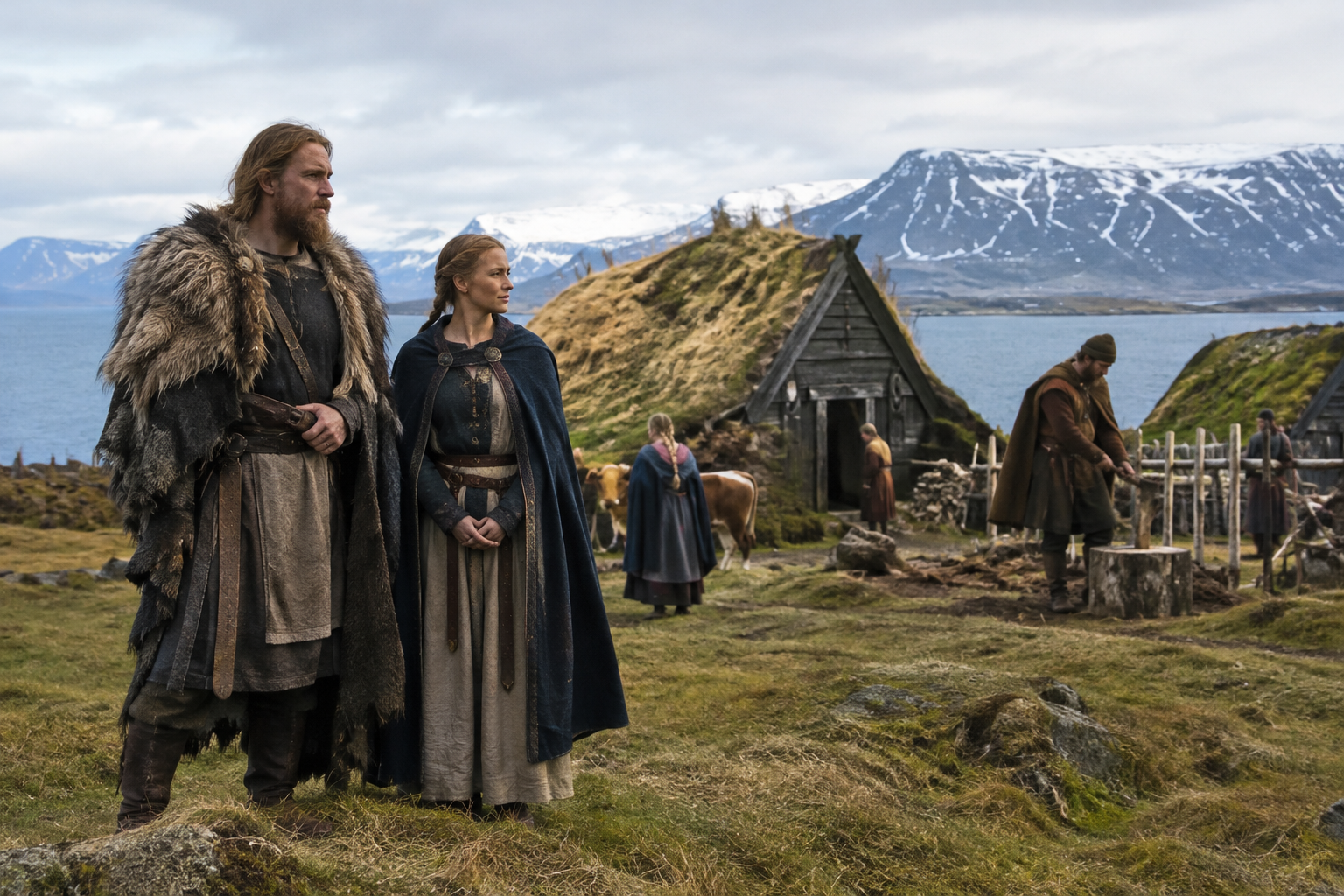
At Hofstadir in Iceland, a Viking Age farmstead turned archaeological landmark, one ancient man dated to around AD 1050 carries the sample ID VK110. He matters here because he gives us a firm historical foothold for the Y-DNA haplogroup I1a1b1a1d3b2a: not an abstract lineage floating somewhere in northern Europe, but a paternal line found in a real person living in Iceland at the end of the Viking Age, when the island had already been settled for generations and Christianity was reshaping older Scandinavian worlds.
That is a useful sort of evidence. Y-DNA follows one direct paternal line only, so it does not describe a person's whole ancestry or identity. But when a branch like I1a1b1a1d3b2a appears in a Viking Age Icelandic individual, it places that line within one of the best documented North Atlantic frontier societies of medieval Europe: a place built by migration, kin networks, seafaring, and long memory.
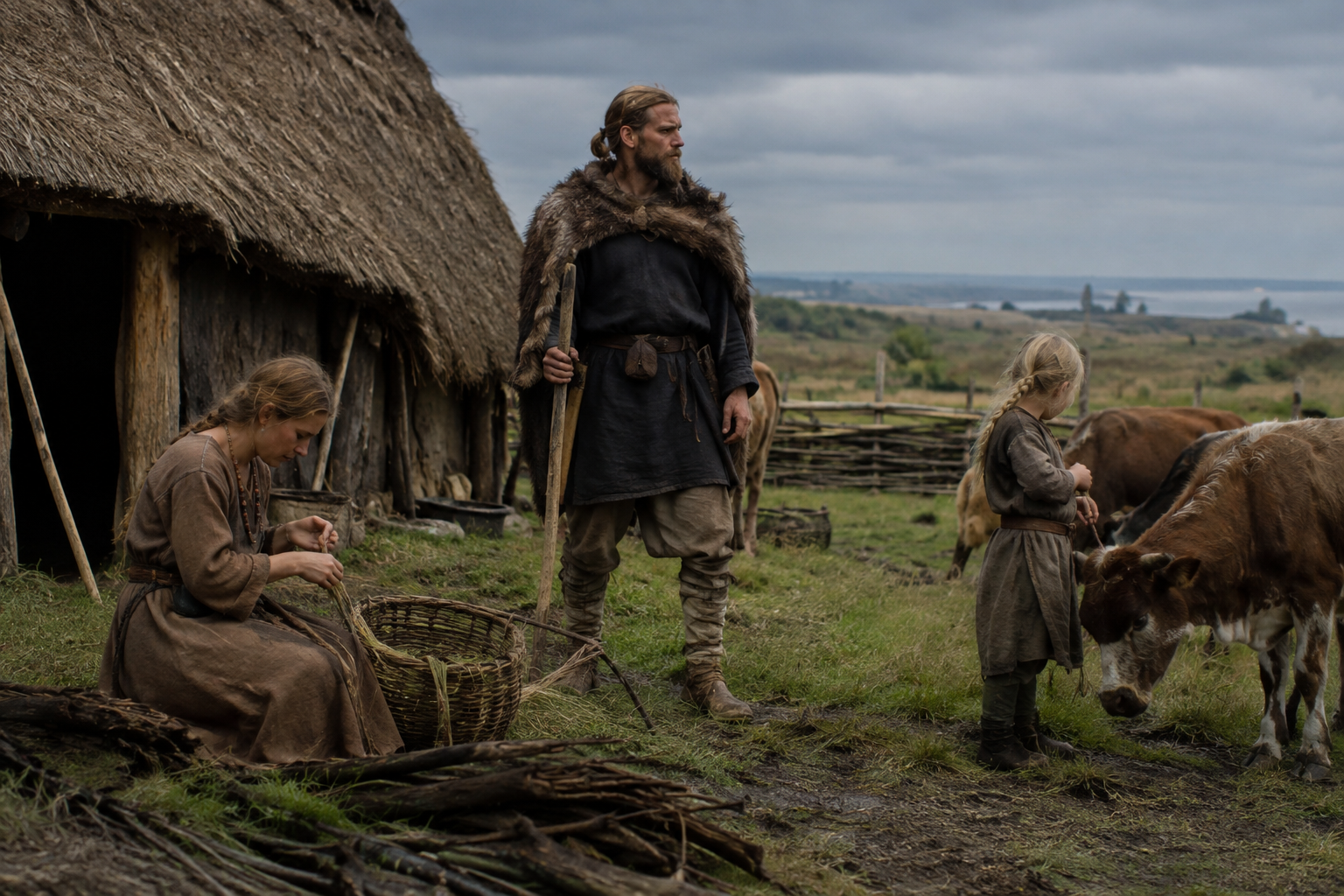
Hofstadir is famous in Icelandic archaeology because it was no insignificant patch of turf. It was a substantial settlement site in the north of the island, occupied during the period when Iceland was being knitted into the Scandinavian world and then, just as importantly, into Latin Christian Europe. By about AD 1050, when VK110 lived, Iceland was no longer a raw colony of first settlers. It was already a society with farms, churches, assemblies, law, and ancestral claims to land.
So the appearance of I1a1b1a1d3b2a in VK110 is not simply "a Viking marker" in the popular sense. It is better understood as a surviving paternal line within a settled Norse-descended population in Iceland. That distinction matters. Viking expansion was not only about raiding ships and sudden movement; it also produced durable communities whose descendants remained in place, married, worshipped, inherited, and buried their dead in landscapes that became home.
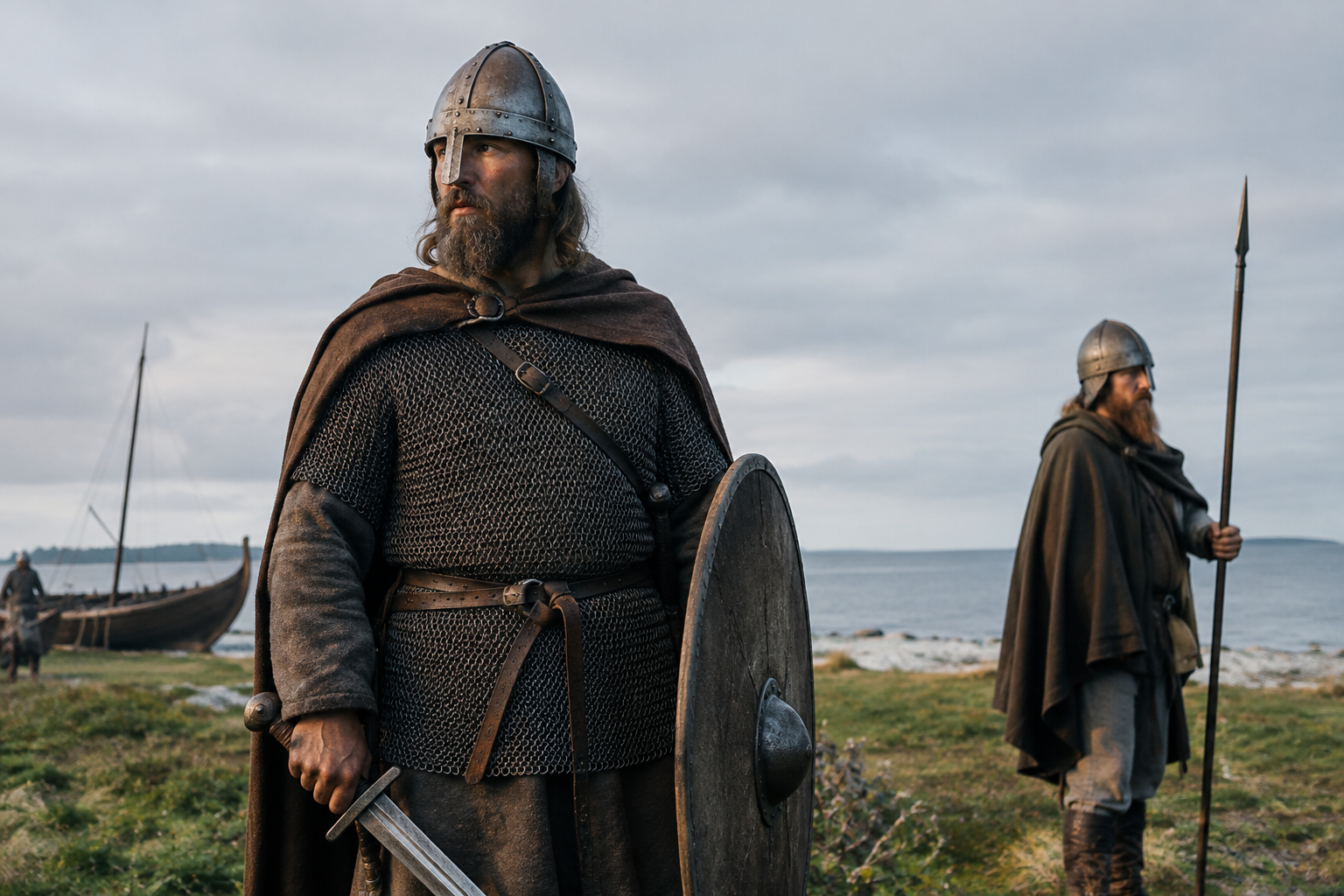
A large ancient DNA study of Viking Age populations, available at https://www.biorxiv.org/content/10.1101/703405v1, helped frame exactly this larger picture: the Viking world was genetically varied, regionally connected, and far more complex than old ethnic stereotypes allowed. A lineage found in Iceland therefore belongs within that broad network of Scandinavian mobility, but also within a local Icelandic story.
The wider parent haplogroup here is I1, a Y-chromosome lineage strongly associated with northern Europe, especially Scandinavia, in both modern and ancient genetic discussions. But this article is about the much narrower branch I1a1b1a1d3b2a, and that precision is important. A deep subclade is not interchangeable with its parent. You cannot simply take every statement ever made about I1 and paste it onto this one smaller branch.
What the sample from Hofstadir gives us is a historically grounded appearance of this paternal line, or of an assignment associated with this branch, in Viking Age Iceland. With only one listed ancient individual, caution is not a nuisance but a virtue. It means we can say something solid: this lineage was present in the Norse North Atlantic by the 11th century. What we should not do is invent a grand migration map for this exact subclade without matching evidence.
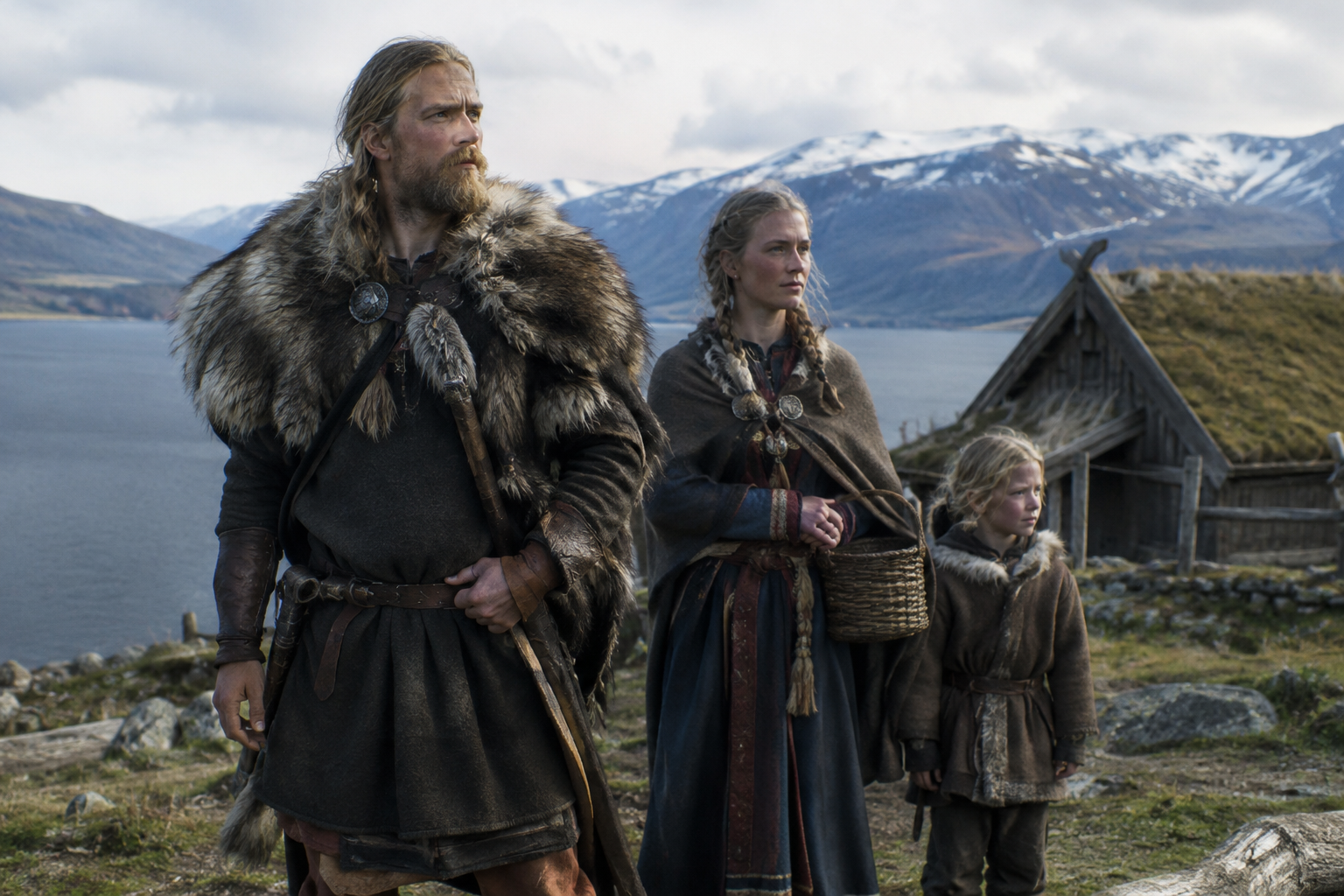
Even so, the broader context is revealing. Iceland was settled largely from Scandinavia, especially western Norway, though with important ancestry from the British Isles as well. A paternal lineage in Viking Age Iceland therefore sits within a known historical process of migration and colonization across the North Atlantic, one tied to ships, farm founding, law codes, and family continuity.
Modern readers often imagine Iceland as remote in every sense. Medieval Iceland was certainly distant from the great courts of Europe, but it was not cut off. It was connected by trade, marriage, ecclesiastical links, and regular travel to Norway, the British Isles, Greenland, and beyond. A man like VK110 belonged to that connected world, even if the evidence we have for him is genomic rather than biographical.
This matters for interpreting haplogroups. A Y-lineage found in Iceland may reflect founders from Scandinavia, later internal continuity, or multiple related male lines arriving over time. It does not automatically point to one famous saga family, one ship, or one dramatic episode. Archaeology is usually less theatrical and more interesting: it shows how lineages persist inside working communities.
That is also why Icelandic evidence can be so valuable. A branch preserved in a settlement society at the far edge of the Norse world may reflect not merely movement, but successful establishment. In other words, I1a1b1a1d3b2a was not just passing through. By AD 1050, it was part of a lived social landscape in Iceland.
Because I1 is so often discussed in northern European contexts, it is tempting to collapse language, culture, and Y-DNA into one neat bundle. But history resists neat bundles. The men who carried I1 branches did not all speak the same dialect forever, belong to one people, or move in one direction. Still, the Viking Age context of VK110 does place this branch within the historical zone where Old Norse was spoken and where Scandinavian expansion carried both people and language across the sea.
That is one reason lineages like I1a1b1a1d3b2a attract interest: they intersect with one of the best known expansions in medieval Europe. Yet the more sober lesson is the better one. Y-DNA can illuminate a paternal thread within that process, while archaeology and history tell us what kind of world that thread passed through: farmsteads, legal assemblies, conversion, maritime travel, and the making of new societies from mixed origins.
Germanic languages and genomics
For this particular haplogroup article, the real strength of the evidence is not a long list of ancient burials spread thinly across millennia. It is the sharpness of one setting: Viking Age Iceland. Hofstadir places I1a1b1a1d3b2a in a community shaped by Scandinavian expansion but already rooted in island life. That makes the lineage historically legible.
There is a further point here. Iceland and the other North Atlantic settlements are often used in modern imagination as shorthand for "Viking ancestry," but ancient DNA has shown that these societies were not genetically uniform. They were founded by people with varying backgrounds, and those backgrounds were then filtered through generations of local reproduction and social change. A paternal branch found there therefore speaks to continuity within complexity, not purity within isolation.
The same broader North Atlantic pattern appears in discussions of the Faroes and Greenland as well: settler societies with Scandinavian connections, but local histories of their own. The Hofstadir evidence fits that world neatly, even if we should resist the urge to over-specify beyond what the sample itself can bear.
If your paternal line belongs to I1a1b1a1d3b2a, the most defensible ancient snapshot offered here is a Norse-world context anchored by VK110 from Hofstadir, Iceland, around AD 1050. That does not make every modern carrier "Icelandic" or guarantee descent from a named Viking. What it does suggest is that this paternal branch was part of the northern European, and specifically North Atlantic Norse, world by the close of the Viking Age. In genetic genealogy, that is a modest claim, but a valuable one: it ties a living paternal signature to a real medieval landscape where migration had already become settlement, and ancestry had already become history.
Comments