Haplogroup O2a2b1a1a1a4a2

– 5 min read


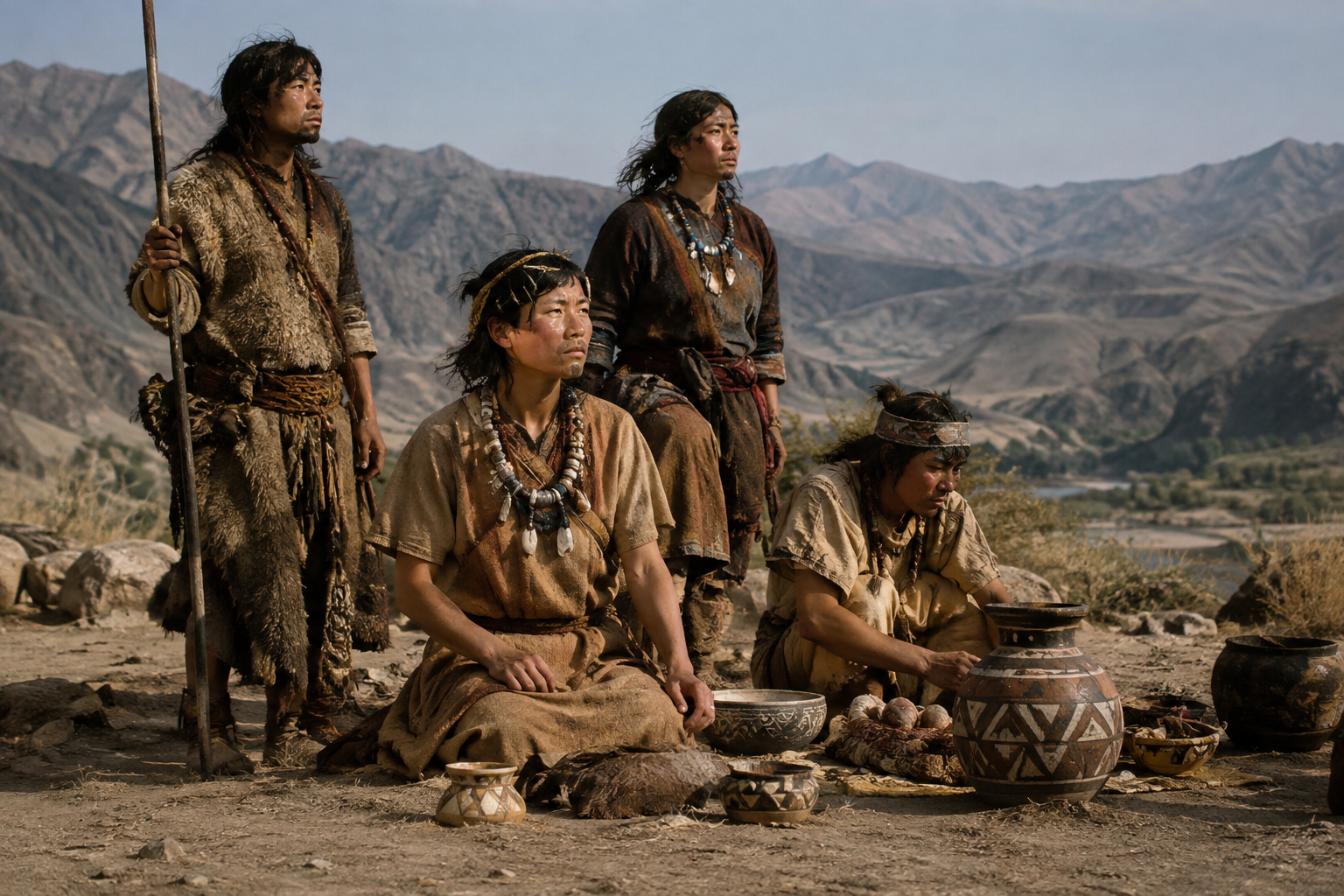
At the Zhanqi site in Minxian, Gansu, one Bronze Age man known as ZhanqiM49 offers a neat way into the history of Y-DNA haplogroup O2a2b1a1a1a4a2. He lived around 1000 BC, within the Siwa cultural horizon of northwestern China, in a region that was never some isolated frontier but a busy meeting ground between the upper Yellow River world, the Hexi Corridor, and the steppe beyond. That matters because this haplogroup does not appear here as a stray curiosity. In the evidence provided, it turns up repeatedly in Bronze Age Gansu across different sites and cultural labels.
That repetition is the interesting part. Alongside ZhanqiM49, the same branch is associated with individuals from Mogou Cemetery in Lintan - MogouM1142_2 and MogouM573_1, both linked to the Qijia cultural sphere around 1450 BC - and with HuoshaogouM154 at the Huoshaogou Cemetery in Yumen, associated with the Siba culture around 1600 BC. Y-DNA tracks one direct paternal line rather than a person's whole ancestry, but when the same paternal branch appears at several important Bronze Age sites in Gansu, it begins to look less like an isolated lineage and more like part of the male landscape of the region.
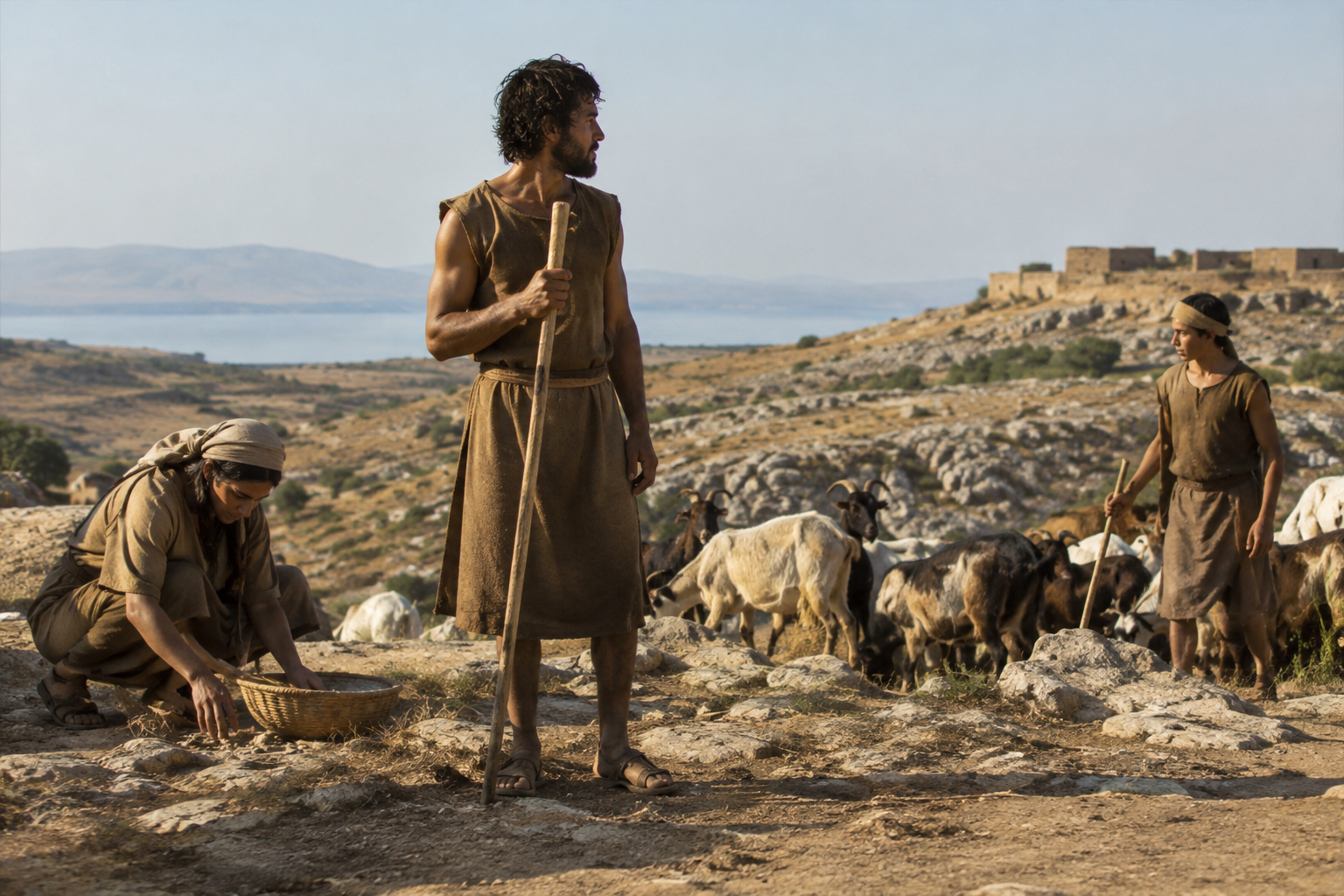
It is easy to imagine Gansu as a distant edge of ancient China. Archaeology keeps correcting that picture. During the Bronze Age, communities in this region sat in the path of movement between the Central Plains, the northeastern Tibetan Plateau, and the Inner Asian world. Crops, animals, metals, and technologies moved through these corridors, and people did too.
The appearance of O2a2b1a1a1a4a2 in more than one cemetery fits that wider setting. These are not all from one village or one generation. Huoshaogou lies far to the northwest in Yumen, while Mogou and Zhanqi are further southeast in Gansu. So the branch's presence stretches across space as well as time, from about 1600 BC down to around 1000 BC in the samples listed here.
A broader ancient DNA study centered on these burials and their regional context is discussed in MyTrueAncestry's post on Bronze Age Gansu, which is especially useful for placing these individuals into the bigger archaeological picture.
The strongest cluster in this small set comes from Mogou Cemetery in Lintan. Two individuals, MogouM1142_2 and MogouM573_1, are both dated to about 1450 BC and are associated with the Qijia cultural world. Mogou has become one of the key cemeteries for understanding how communities on the northeastern Tibetan Plateau and upper Yellow River interacted during the Bronze Age.
What makes Mogou useful is not merely that it produced ancient DNA, but that it gives archaeologists a structured cemetery context rather than a single stray burial. Even without inventing family ties or grave narratives we do not have, the duplication of this Y lineage at one cemetery suggests that the paternal branch was established locally enough to appear in multiple men within the same burial population. That is a more grounded observation than claiming a dynasty or clan, and it is exactly the sort of pattern ancient DNA is good at revealing.
The Qijia label itself should be handled carefully. It refers to an archaeological culture, not an ethnicity or a language. But it does tell us that these men belonged to Bronze Age communities using material traditions recognized across parts of Gansu and Qinghai. In that setting, O2a2b1a1a1a4a2 seems to belong to the paternal repertoire of settled or semi-settled populations in the upper Yellow River zone rather than to some single intrusive event.
The oldest sample in this set, HuoshaogouM154, comes from Huoshaogou Cemetery in Yumen and is dated to about 1600 BC, within the Siba culture. This is important because Siba communities occupied the Hexi Corridor, one of the great passageways of Inner Asia. If Mogou shows the haplogroup in the upper Yellow River zone, Huoshaogou shows it further along the corridor that connected northwestern China with regions farther west and north.
That does not mean this exact paternal line can be marched neatly along a single migration arrow on a map. Ancient populations were rarely so tidy. But the Huoshaogou occurrence does show that this lineage, or a very close paternal branch associated with it, was present in a cultural setting long known for exchange, mobility, and contact.
A related MyTrueAncestry article on the Ningxia crossroads is worth reading beside this evidence, because it shows how populations in northwestern China could shift, mix, and persist across long spans of time without reducing everything to one simple origin story.
By the time we reach ZhanqiM49 at the Zhanqi site in Minxian, around 1000 BC, we are looking at a later Bronze Age setting usually linked with Siwa culture. This matters because it extends the pattern forward in time. The branch is not confined to one early phase of Bronze Age Gansu; it remains visible in a later cultural horizon as regional societies changed.
Siwa culture has often been discussed in connection with the complex mix of local development and outside influence in northwestern China. A lineage such as O2a2b1a1a1a4a2 appearing here after earlier examples in Qijia- and Siba-associated contexts suggests continuity of some paternal lines across changing archaeological cultures. That is a modest conclusion, but a useful one. It reminds us that shifts in pottery styles, burial customs, or exchange networks do not always mean total population replacement.
For readers interested in how paternal lineages illuminate larger East Asian history, MyTrueAncestry has also covered broader work on ancient Y chromosomes in the region.
The exact branch name here is very narrow, and it is important not to smuggle in claims that belong only to broader parent haplogroups. O lineages, in the large sense, are deeply important in East Asian paternal history. But this article is about O2a2b1a1a1a4a2, a much more specific twig on that tree. From the evidence at hand, the safest statement is that this branch is associated with several Bronze Age male individuals from Gansu spanning roughly six centuries and multiple archaeological contexts.
That pattern alone is historically valuable. It suggests that one paternal lineage connected men living in communities spread across the upper Yellow River and Hexi Corridor worlds. It also places the branch in a region central to debates about farming expansions, highland-lowland interaction, and movement between East Asia and Inner Asia.
An ancient DNA study connected with these Gansu remains can be followed through the research archive here: https://ngdc.cncb.ac.cn/gsa-human/browse/HRA014036. Even where one cannot build every detail from a single link alone, the regional pattern in the named individuals is already quite striking.
The distinctive thing about O2a2b1a1a1a4a2 in this case is not royal glamour or a famous named ruler. It is something archaeologically better: recurrence. HuoshaogouM154, MogouM1142_2, MogouM573_1, and ZhanqiM49 place this paternal line in Bronze Age Gansu from about 1600 BC to 1000 BC, across Siba, Qijia, and Siwa-associated settings. For someone researching this haplogroup today, that does not identify a tribe or promise a single ancestral homeland, but it does point toward a real and documented paternal presence in one of ancient Eurasia's most important corridor regions.
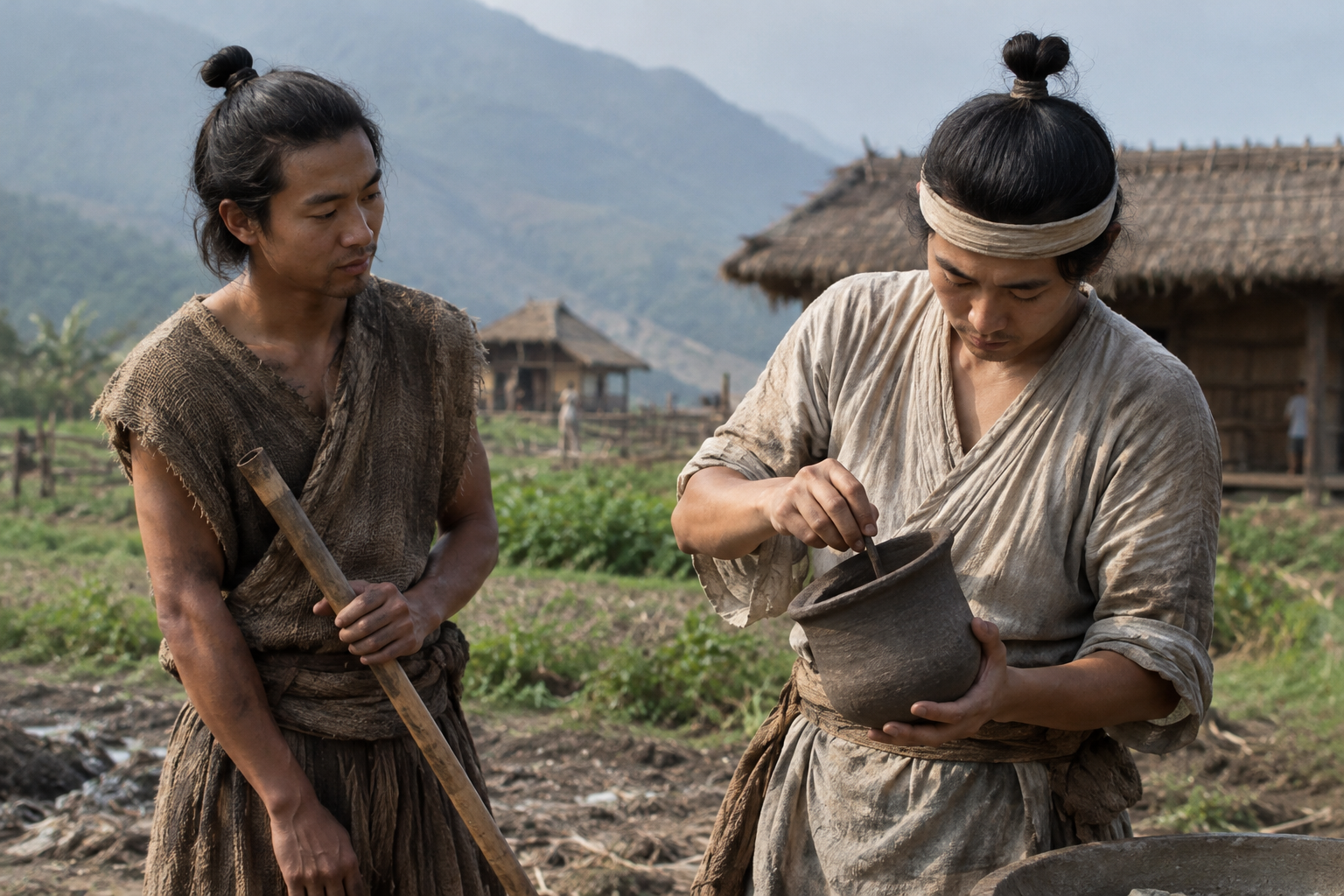
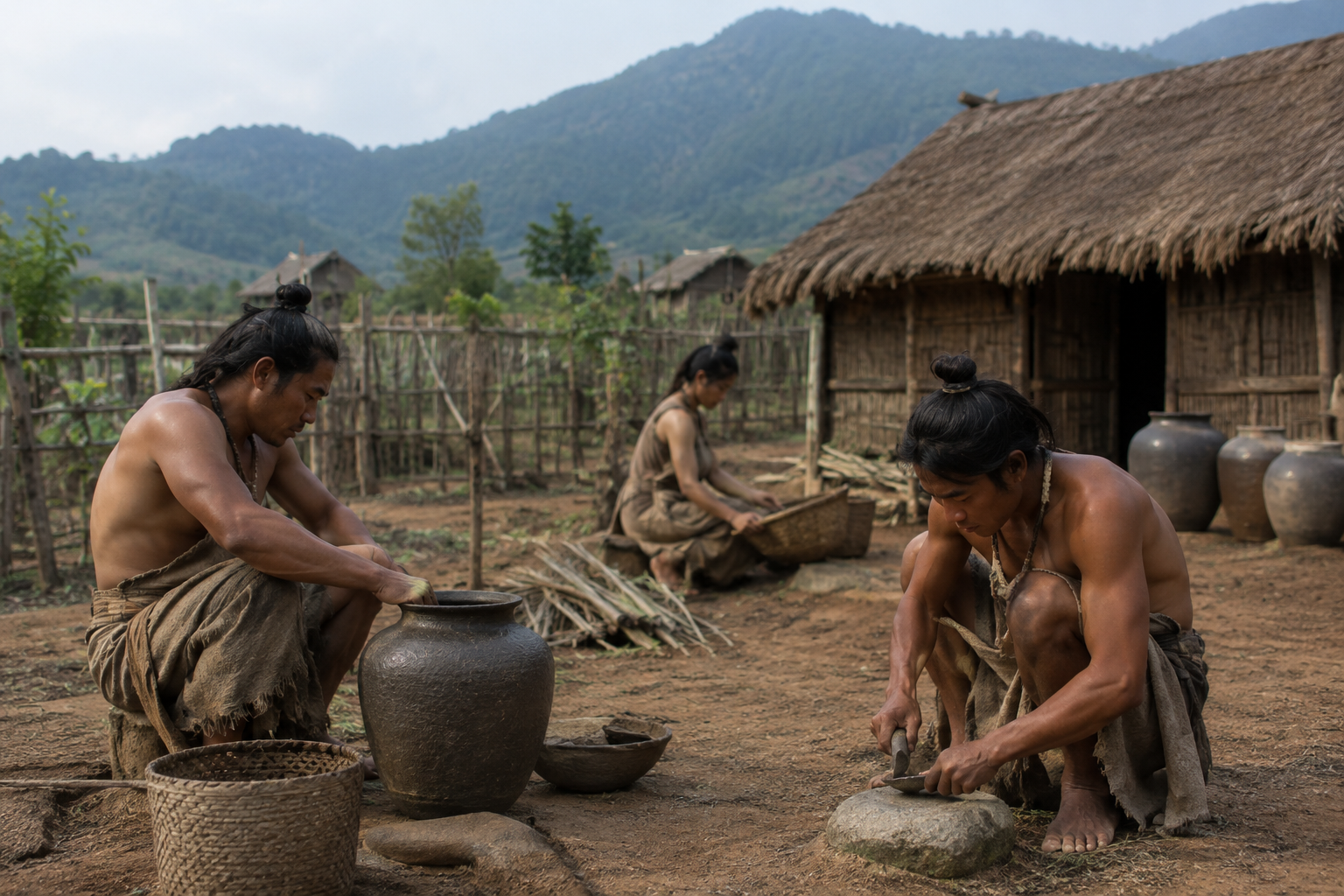
In other words, this is a lineage with roots in communities that lived where worlds met: farmers, herders, and corridor populations whose histories were local, connected, and stubbornly more complex than the old center-versus-frontier picture ever allowed.
Comments