Haplogroup O2a2b1a1a1a

– 5 min read


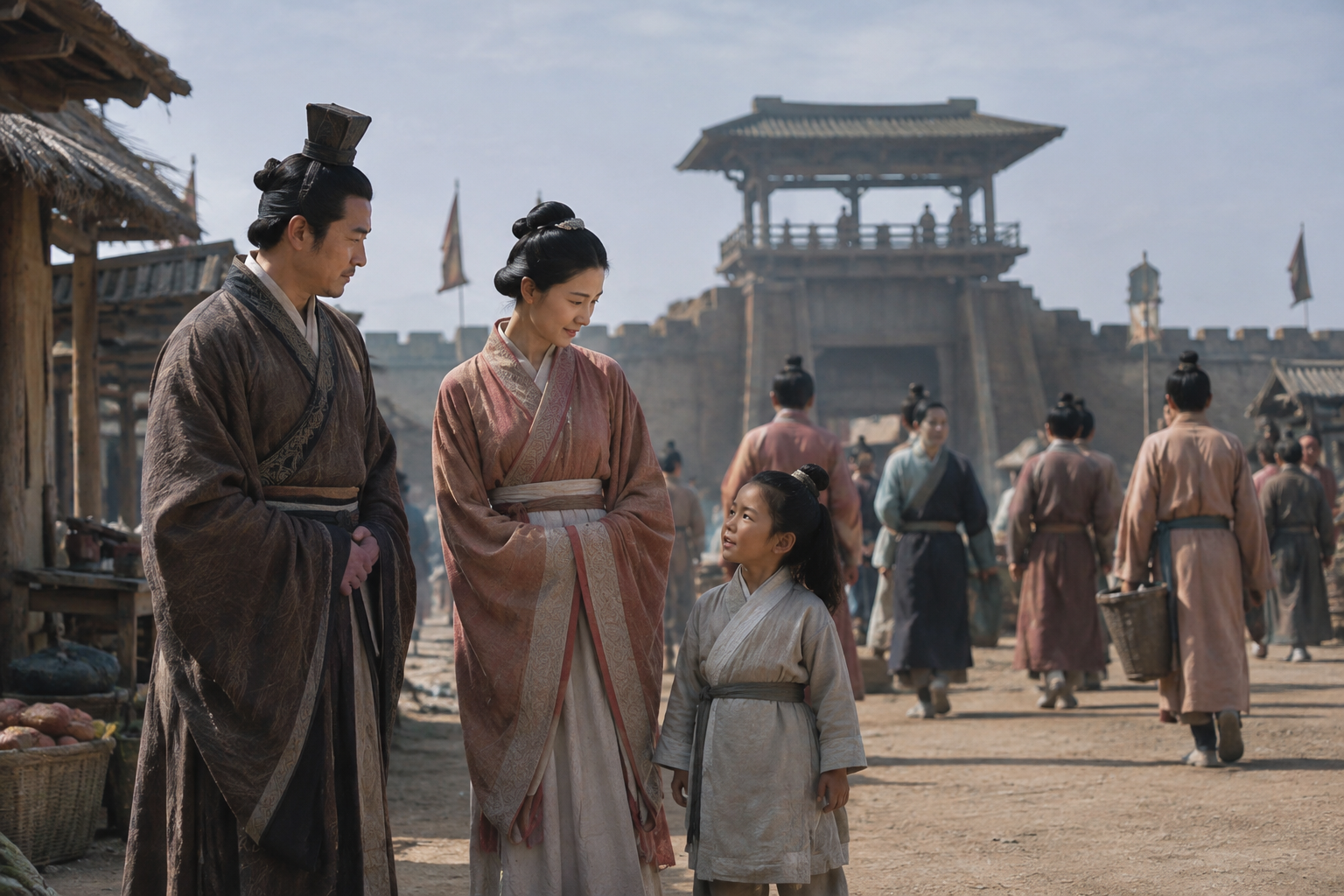
At Linzi in Zibo City, in the old heartland of the Qi state and later the Western Han empire, one ancient male known as M39 offers a small but telling glimpse into the paternal history of northern China. Dated to around 100 BC, he is associated here with Y-DNA haplogroup O2a2b1a1a1a, a branch within the broader O family that today is widespread across East Asia. That matters not because one man can stand for an empire, but because Han-period burials from historically famous regions are beginning to show how named states, expanding administrations, and long-settled farming populations intersected on the ground.
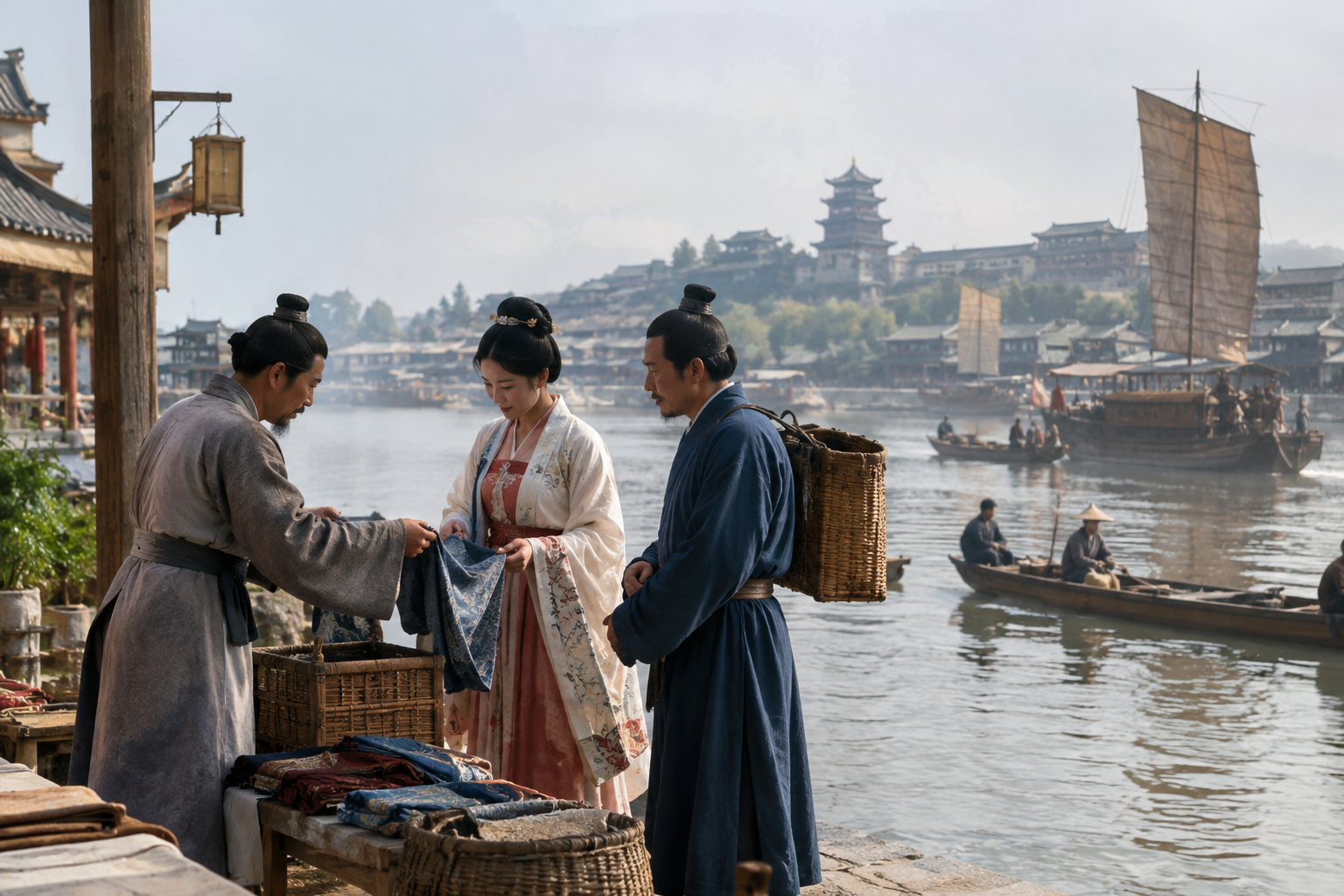
Linzi is not an accidental backdrop. Long before the Han, it had been the capital of Qi, one of the great powers of the Eastern Zhou world. By the second century and first century BC, the region belonged to a very different political order: the Western Han dynasty, whose rule tied old regional centers into an imperial framework of roads, taxation, law, and military control. A Y-chromosome assignment such as O2a2b1a1a1a traces only one direct paternal line, but in a place like Linzi that narrow line becomes historically interesting precisely because it sits inside such a dense archaeological and political landscape.
There is a temptation, when seeing a famous ancient place-name, to leap straight from DNA to dynasties. Better to slow down. What we can say is that M39 comes from a region with a very long history of urbanism, elite competition, and agricultural wealth. Linzi had already been important for centuries before the Han period, and by around 100 BC it formed part of one of the most sophisticated imperial states of the ancient world.
That setting gives this Y-lineage its force. A paternal branch found in a Western Han individual from Linzi is not evidence for a royal house or a named clan, but it does place O2a2b1a1a1a within a documented landscape of northern Chinese state formation. This is exactly the kind of evidence ancient DNA is good at supplying: not legends of descent, but securely dated human presences in real historical places.
The branch name O2a2b1a1a1a sits quite deep within the Y-chromosome tree. In plain terms, that means it is a more specific paternal sub-branch of a much larger East Asian lineage. The wider O haplogroup has an extensive history across East Asia, but it would be careless to pour the whole story of that broad parent clade into this narrower label without direct supporting evidence.
So the useful question is not "what civilization belonged to this haplogroup?" but rather: where do we find it, and in what historical settings? In this case, the setting is a Han-period burial in Shandong, in a region deeply tied to the political and cultural development of early imperial China. That does not make O2a2b1a1a1a a "Han dynasty haplogroup" in any exclusive sense. It does, however, show that this paternal branch was present among men living in the core territories of the Han state.
This distinction matters for anyone exploring their own results. Y-DNA follows one father-to-son line out of many thousands of ancestors. It is powerful for tracing paternal continuity and branching, but it is not a shortcut to full ethnic identity, social rank, or cultural affiliation.
One ancient sample may sound modest, and in one sense it is. M39 cannot tell us how common O2a2b1a1a1a was in Western Han Linzi, whether it was concentrated in one family group, or how it compared numerically with other Y lineages in the same cemetery population. Ancient DNA works by accumulation: each individual adds one fixed point to a much larger map.
But fixed points are exactly what historians and archaeologists need. The Western Han period is richly documented in texts, yet texts usually describe emperors, officials, campaigns, or moral ideals. Burials and genomes bring us back to actual people. A man like M39 was not a chapter heading in a history book; he was one of the inhabitants through whom imperial society was physically made real.
That is why an ancient Y-line from Linzi has significance beyond its apparent smallness. It anchors this branch in a historically central region during a period when northern Chinese populations were already part of long-established farming and state traditions. For descendants of the broader East Asian paternal pool, that kind of anchor is more useful than romantic speculation.
East Asian Y-Chromosome Migrations
Shandong sits in one of the great contact zones of ancient China: close to the lower Yellow River world, open to maritime links, and deeply entangled with the political struggles of the Zhou and Han eras. Archaeologically and historically, it is a region where continuity and change sit side by side. Old regional identities survived, yet imperial institutions overlaid them. Local communities persisted, yet they were increasingly tied into wider networks of movement and administration.
A lineage such as O2a2b1a1a1a in this context may point less to dramatic migration than to long-term embeddedness within northern East Asian populations. That is not a dramatic answer, perhaps, but often the archaeology of major civilization centers is not chiefly about sudden replacement. It is about the persistence, reshaping, and absorption of lineages over many centuries.
Recent ancient-DNA work on East Asia has increasingly emphasized this point: paternal history was formed by both coastal and inland movements, followed by long periods of local continuity and regional mixing. One relevant overview for this broader background is the MyTrueAncestry discussion of ancient Y chromosomes and East Asian paternal history, which helps frame why a Han-era Shandong sample is so useful even when the record is still sparse.
Ancient East Asian Y-chromosome evidence is growing fast, and that growth is changing the scale of the questions scholars can ask. Instead of relying only on present-day distributions, researchers can now compare lineages across excavated populations, periods, and regions. A recent study relevant to this expanding field is this ancient DNA research, which forms part of the wider effort to reconstruct how East Asian paternal branches appeared across time and place.
What matters here is not to overstate one paper or one skeleton. It is that ancient DNA is gradually turning broad historical zones like the North China Plain from abstractions into sampled human landscapes. Linzi was once known mainly from texts, bronzes, tombs, and political history. Now individuals such as M39 allow a further question: which paternal lines were actually present among the men buried there in the Han period?
For MyTrueAncestry users, the attraction of a haplogroup article is often personal: where might this line have been in the ancient world? In the case of O2a2b1a1a1a, the clearest point from the evidence here is that this paternal branch is attested in a man living in Western Han Shandong, at a site with deep roots in the earlier Qi state. That places the lineage within one of the classic historical regions of early China, not on the margins but in a long-settled and politically central zone.
That does not give you a surname, a noble pedigree, or a guaranteed path to a famous ancestor. What it gives is something better grounded: a documented paternal presence in a real archaeological setting from around 100 BC. For anyone carrying this branch today, that is a meaningful clue that your direct male line belongs to the long human story of East Asia's agrarian heartlands and the worlds that fed into early imperial China.
Comments