Haplogroup J1a2a1a2d2b2a2b

– 4 min read


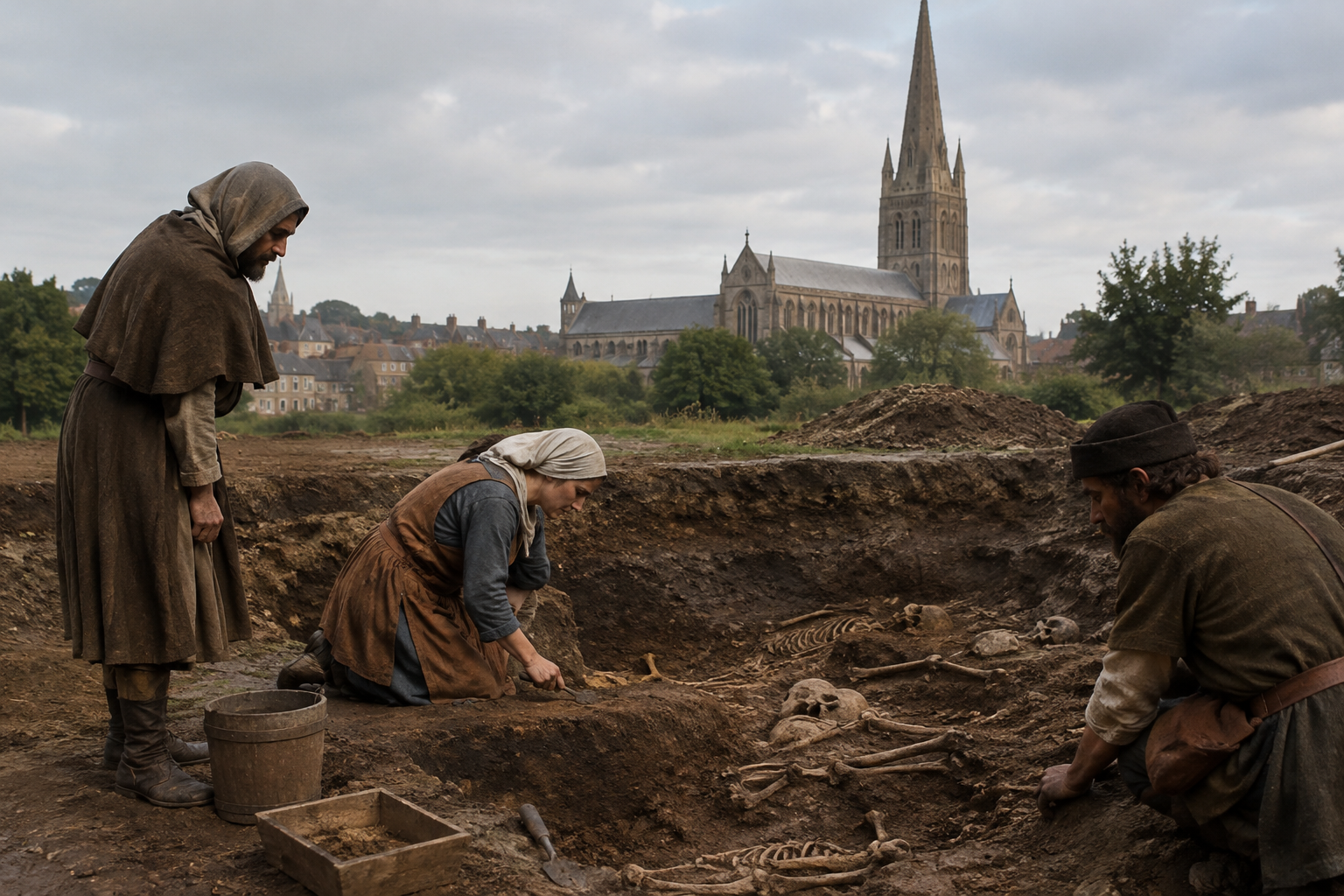
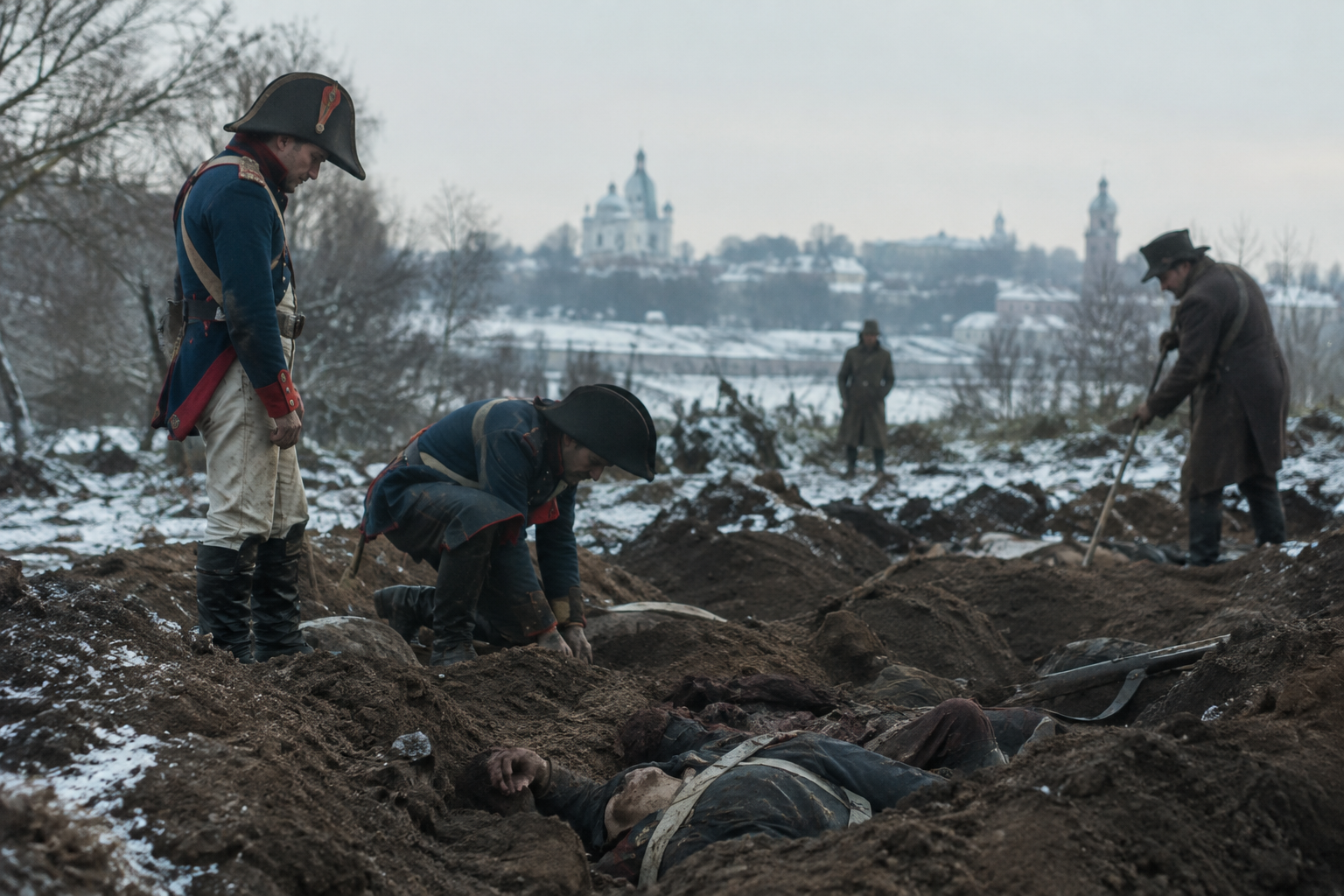
In 1190 AD, a man now known as SB604 was thrown into the Chapelfield Well in Norwich. He was one of the dead from one of the best-documented anti-Jewish atrocities in medieval England: the massacre of Norwich's Jewish community in the year of the Third Crusade. For anyone carrying the Y-DNA haplogroup J1a2a1a2d2b2a2b, this is not a distant and abstract branch-label. It is attached here to a real medieval life, and to a real historical catastrophe.
That matters because Y-DNA follows one direct paternal line only: father to son across generations. It does not describe a person's whole ancestry, religion, or identity. But in a case like Norwich, it can place a paternal lineage inside a sharply defined historical world - one shaped by migration, urban settlement, minority life, and sudden violence in Angevin England.
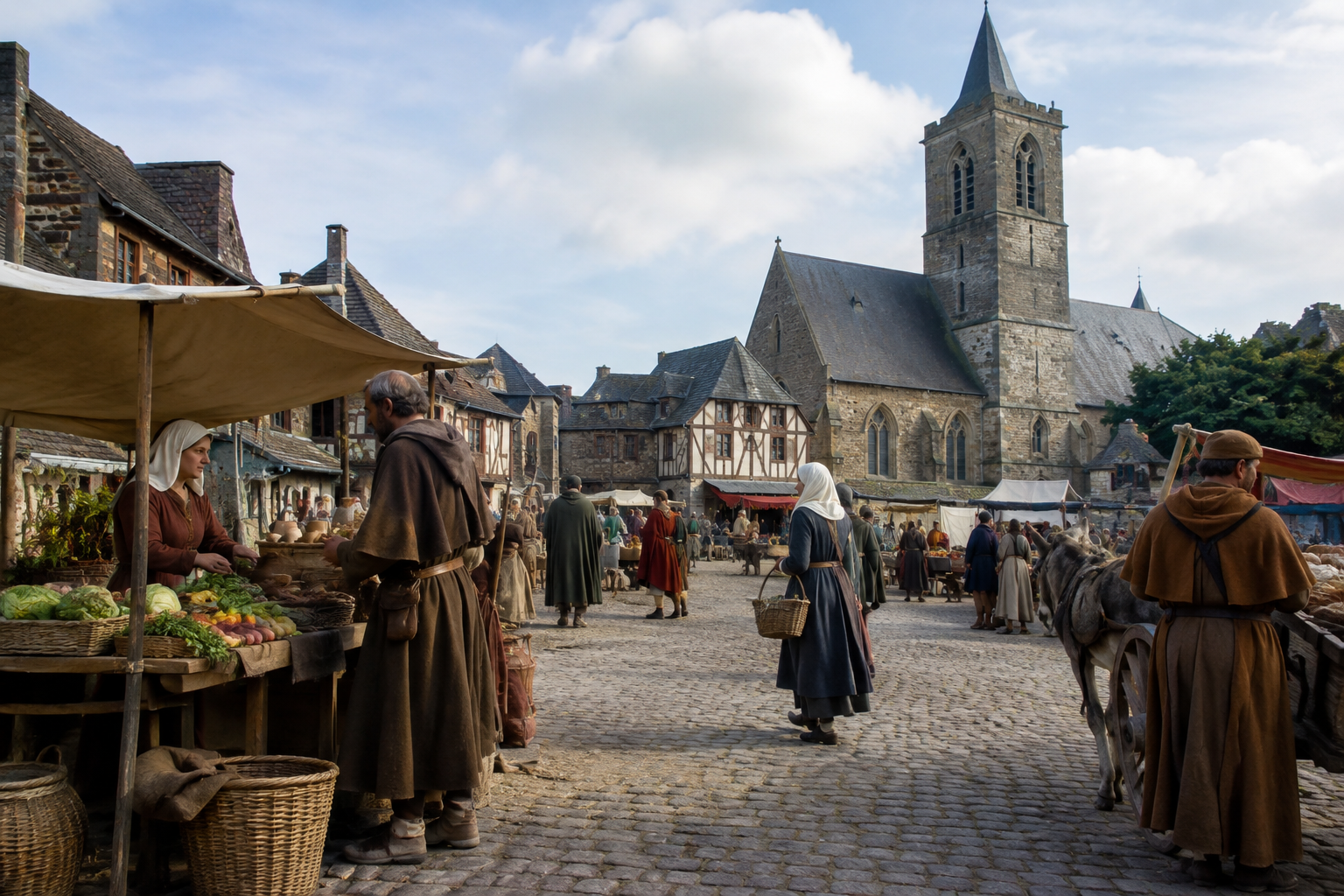
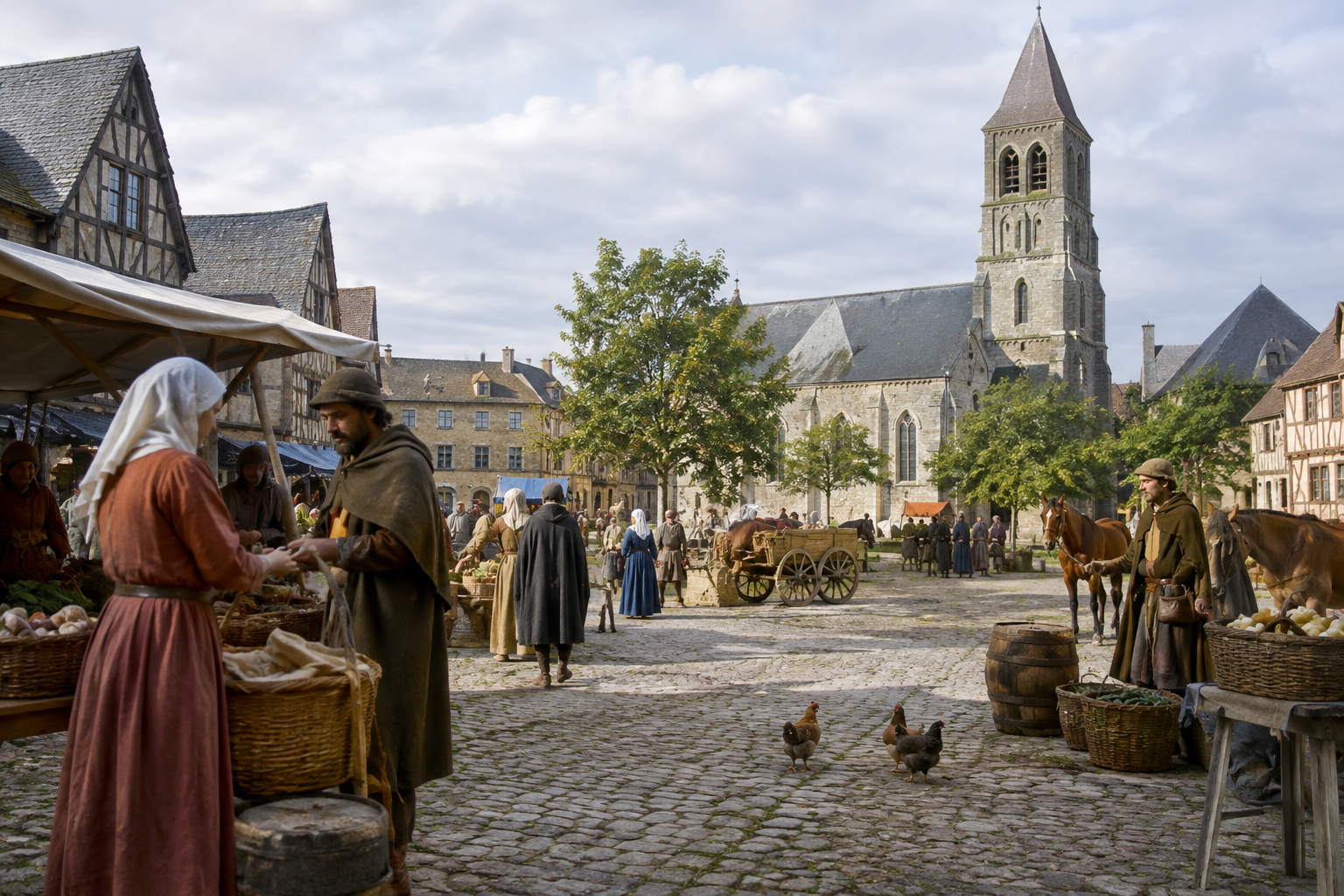
Norwich was one of the most important provincial cities in medieval England, with an active commercial life and a documented Jewish community. The events of 1190 were part of a wider wave of anti-Jewish attacks that followed the coronation of Richard I, but Norwich has a particularly haunting archaeological record because human remains from the Chapelfield Well preserve the aftermath in physical form.
SB604 comes from that context: a medieval English urban setting, but one tied specifically to an Ashkenazi Jewish mass grave. The significance of the haplogroup here is not that it somehow "explains" the massacre. Rather, it shows that the paternal branch J1a2a1a2d2b2a2b was present within an Ashkenazi community living in eastern England by the late 12th century.
An ancient DNA study of these Norwich remains helped confirm that the victims formed part of a Jewish population with strong affinities to later Ashkenazi groups, making the site a landmark for the genetic history of medieval Jews in Europe. The research can be found here: https://pmc.ncbi.nlm.nih.gov/articles/PMC10499757/.
The exact branch in this article is very narrow: J1a2a1a2d2b2a2b. That is not the same thing as haplogroup J1 in the broad, familiar sense. Big parent haplogroups can spread across vast regions and many thousands of years; a tiny terminal branch represents a much more recent slice of that deeper paternal history.
So the careful way to read this evidence is not to project every famous story about J1 onto SB604. What we can say is more modest, and more interesting: a man associated with this paternal line was living as part of an Ashkenazi Jewish community in medieval Norwich, at a moment when Jewish settlement in England was both established and deeply precarious.
This is often how ancient DNA is most useful. It does not hand us a grand single-origin myth. It anchors a lineage in a specific community, place, and date where the written record and the archaeology meet.
The Norwich well is powerful precisely because it is not an ordinary cemetery context. It records rupture. Instead of a formal burial landscape with long continuity, we are dealing with remains connected to persecution and disposal during civic violence. That makes each identified individual especially valuable for reconstructing the presence of Jewish families in England before the expulsion of 1290.
For haplogroup J1a2a1a2d2b2a2b, SB604 is therefore not just "a medieval sample from England." He belongs to a minority community whose roots lay in the wider formation of Ashkenazi Jewry across western and central Europe. By the 12th century, those communities were linked by trade, scholarship, marriage networks, and forced mobility, even as local experience differed from city to city.
Norwich also reminds us that medieval English history was never genetically or culturally sealed off. Its towns included migrants, merchants, clerics, craftspeople, and minorities whose family histories reached far beyond the island. The presence of this paternal branch in Norwich sits neatly within that broader picture of connected medieval Europe.
Roman and Early Medieval Britain DNA
There is a temptation, when dealing with a haplogroup, to leap straight into sweeping maps and deep-time migrations. But with this particular evidence, the strongest story is local and human. Norwich gives us a documented medieval city, a known episode of anti-Jewish violence, and an excavated assemblage of victims whose DNA helps recover lives that hostile chronicles reduced to an event.
That is also a useful corrective for family history. People sometimes expect a Y-DNA branch to point cleanly to one nation or one ethnicity. Medieval evidence rarely behaves so tidily. A lineage may have deep roots in one region, pass through another, and appear in a very different historical setting centuries later. In SB604's case, the branch is encountered not as an abstract marker of origin but as part of the lived history of Ashkenazi Jews in England.
In that sense, the Chapelfield Well is archaeologically richer than many grander-looking discoveries. It ties genetics to persecution, urban history, and the social world of a minority community with unusual clarity.
The Jewish communities of medieval England were never large, but they were significant. They were under direct royal protection and heavy royal taxation; useful to kings, vulnerable to debtors, and exposed to popular hostility. Norwich was already notorious in Jewish history because of the 12th-century accusation surrounding William of Norwich, one of the earliest blood libel cases in Europe.
By 1190, then, the massacre was not an isolated outburst in a vacuum. It took place in a climate already shaped by suspicion, legal marginality, and periodic threat. The DNA evidence from the well does not simply identify ancestry. It restores biological presence to a community that documentary sources often discuss only when money, accusation, or violence is involved.
That makes SB604 unusually important for anyone interested in paternal ancestry. The sample sits at the crossroads of English urban history and Ashkenazi Jewish history. It shows how a direct male line could be part of medieval England without being "typically English" in any narrow ethnic sense - and how medieval England itself was more entangled and diverse than older national stories liked to admit.
With the evidence currently in view, the most distinctive point about J1a2a1a2d2b2a2b is not a sweeping prehistoric claim but a sharp medieval one: this paternal line appears in an Ashkenazi Jewish victim from Norwich in 1190 AD. That places the branch within the documented world of Jewish life in medieval northern Europe, and specifically within one of the most tragic archaeological episodes from England's Jewish past.
If this is your paternal haplogroup, the best historical starting point is not to assume a single homeland or dynasty, but to think in terms of communities, movements, and records like Norwich - places where DNA, archaeology, and history briefly line up and let one paternal line come into focus.
Comments