Haplogroup I2c1

– 5 min read


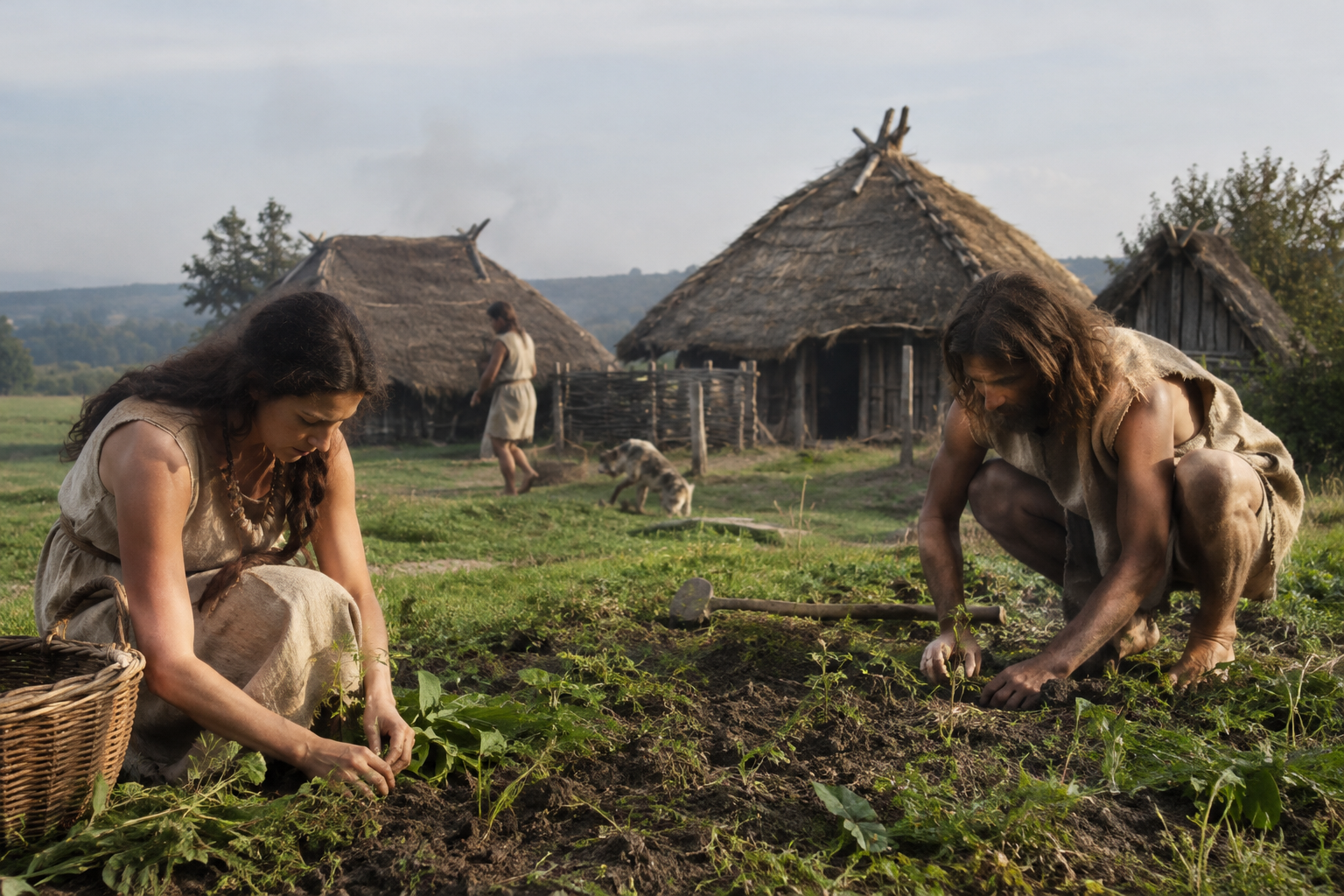
At Altendorf in Baden-Wuerttemberg, two men buried in the Linearbandkeramik world of Neolithic Germany, around 3050 BC in the supplied chronology, stand out for a very simple reason: both are associated here with Y-DNA haplogroup I2c1. Their sample IDs, AD117 and AD119, are not famous princes or warriors. They are more interesting than that. They belong to the everyday human landscape of early farming Europe, where the great historical drama is not a throne room but the village, the field, and the slow reshaping of ancestry over generations.
That makes I2c1 worth pausing over. Y-DNA tracks one direct paternal line only, not a person's whole ancestry, yet paternal lines can still illuminate how communities formed and changed. In this case, the Altendorf evidence places I2c1 in a Neolithic setting in southwestern Germany, inside a farming horizon usually associated with the first agricultural societies north of the Alps. That alone is enough to raise a good archaeological question: what was a branch of haplogroup I, often connected in broad terms with deeper European prehistory, doing inside this settled farming landscape?
The site label matters here. Altendorf LBK places these men within the orbit of the Linearbandkeramik, or Linear Pottery culture, the early farming tradition that spread across large parts of Central Europe. The classic LBK story is one of villages, longhouses, cultivated cereals, and a new way of organizing land and labor. But ancient DNA has steadily complicated the older picture of a neat, uniform farming population moving into an empty stage.
The two Altendorf individuals, AD117 and AD119, show why. Even where archaeology gives us a recognizably Neolithic farming setting, paternal lines can vary. A community may share pottery styles, settlement forms, and subsistence practices without being genetically identical in every male line. The presence of I2c1-associated males at Altendorf suggests that local or regionally integrated paternal diversity persisted within farming communities rather than disappearing under a single incoming lineage.
An ancient DNA study examining these populations is available at https://www.biorxiv.org/content/10.1101/2023.08.23.554285v1.full. Even without forcing that paper to say more than the present evidence allows, the broader point is clear enough: Neolithic Europe was built through mixture, continuity, and social incorporation as much as by movement alone.
It is important not to let the label run away with the evidence. I2c1 is a specific paternal branch, narrower than the broader haplogroup I2 and far narrower still than haplogroup I as a whole. One of the common mistakes in public discussions is to take the reputation of the large parent haplogroup and paste it uncritically onto every sub-branch. That is not good history and it is not good genetics.
What can be said more safely is that branches of haplogroup I are deeply rooted in European prehistory, while Neolithic Central Europe was a meeting ground between incoming farming ancestry and older European populations. So when I2c1 appears in a farming context like Altendorf, it fits a wider pattern seen across Neolithic studies: early agricultural societies were not simply sealed colonies. They could include paternal lines with deeper local or regional European histories, absorbed into the expanding social world of farming.
That does not mean AD117 or AD119 were "hunter-gatherers" in any simple cultural sense. By the time they were buried, they belonged to a Neolithic community in Germany. Archaeology and genetics are describing different things here. Culture tells us how people lived; Y-DNA tells us about one line of fathers and sons.
Two individuals are not a population, but neither are they trivial. When a rare or less commonly discussed branch turns up more than once at the same site, it becomes harder to dismiss as noise. AD117 and AD119 do not prove a dynasty, a clan, or even close kinship. Yet together they make I2c1 visible in a specific local community and remind us that Neolithic villages were made of real lineages, some repeated, some probably recent arrivals, some perhaps established over longer spans.
This is the sort of evidence that helps historians resist the old temptation to turn prehistoric Europe into blocks of color on a map. Altendorf was not merely "farmers" in the abstract. It was a settlement landscape occupied by people whose paternal histories were not all the same, even when their archaeological world was shared.
That theme appears again and again in ancient DNA from Neolithic Europe: local complexity beneath broad cultural labels. A village can look archetypally LBK in material culture and still preserve multiple paternal stories. I2c1 at Altendorf is useful precisely because it brings that smaller, more human scale into focus.
Baden-Wuerttemberg sits in one of the key corridors of early European farming history. This was a region where ideas, crops, livestock, and people moved through the Rhine and Danube worlds, and where the archaeological record preserves some of the best evidence for settled Neolithic life. That matters for I2c1 because a lineage found here is not sitting at the edge of events. It is appearing in one of the central theaters of Europe's agricultural transformation.
Seen in that context, Altendorf offers a neat corrective to over-simple tales of replacement. The making of Neolithic Europe was not a single event but a process. Some paternal lines spread widely; others survived in pockets; still others entered farming communities through repeated local interactions. The significance of I2c1 is not that it overturns everything we know, but that it fits the now familiar and still fascinating pattern of demographic entanglement.
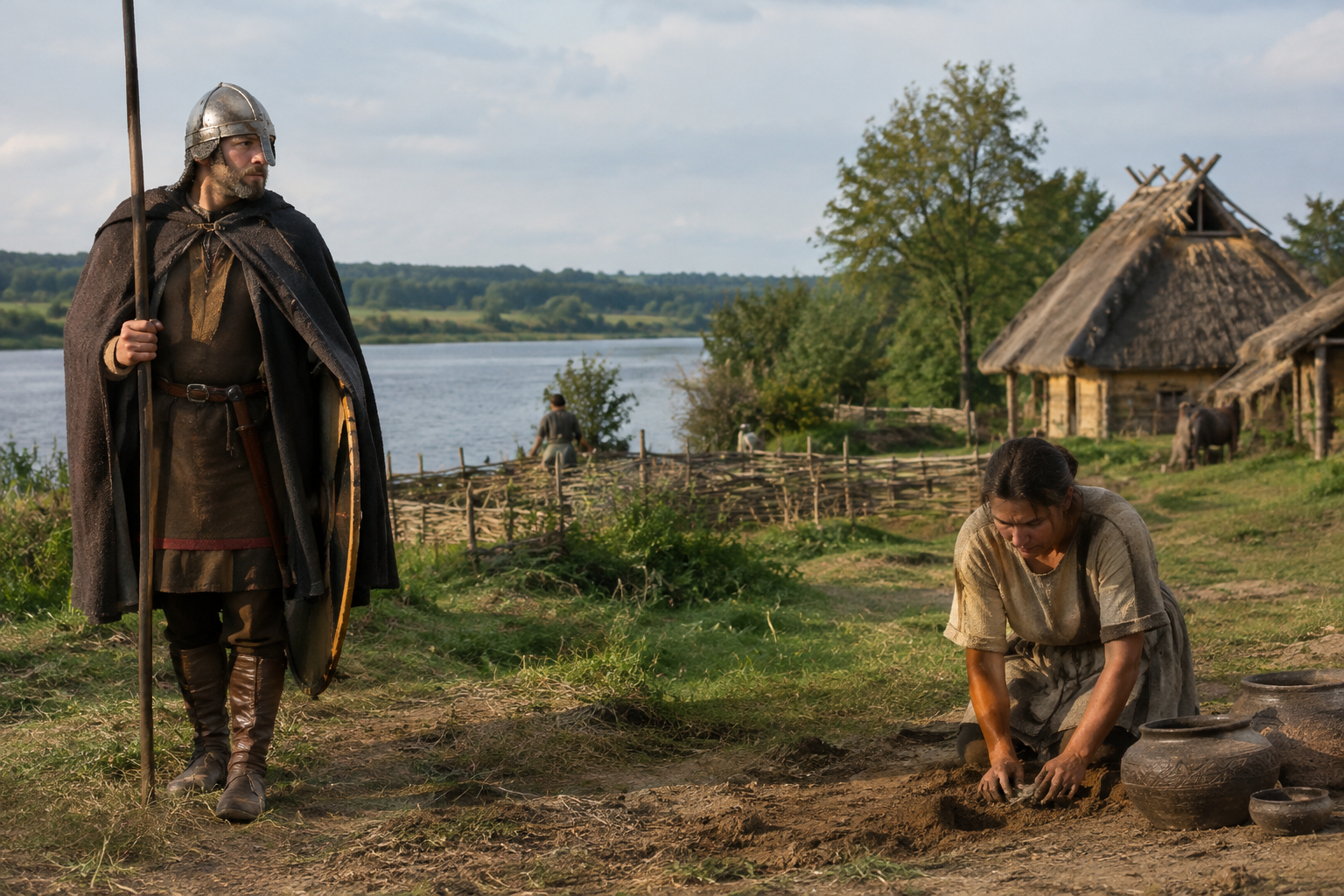
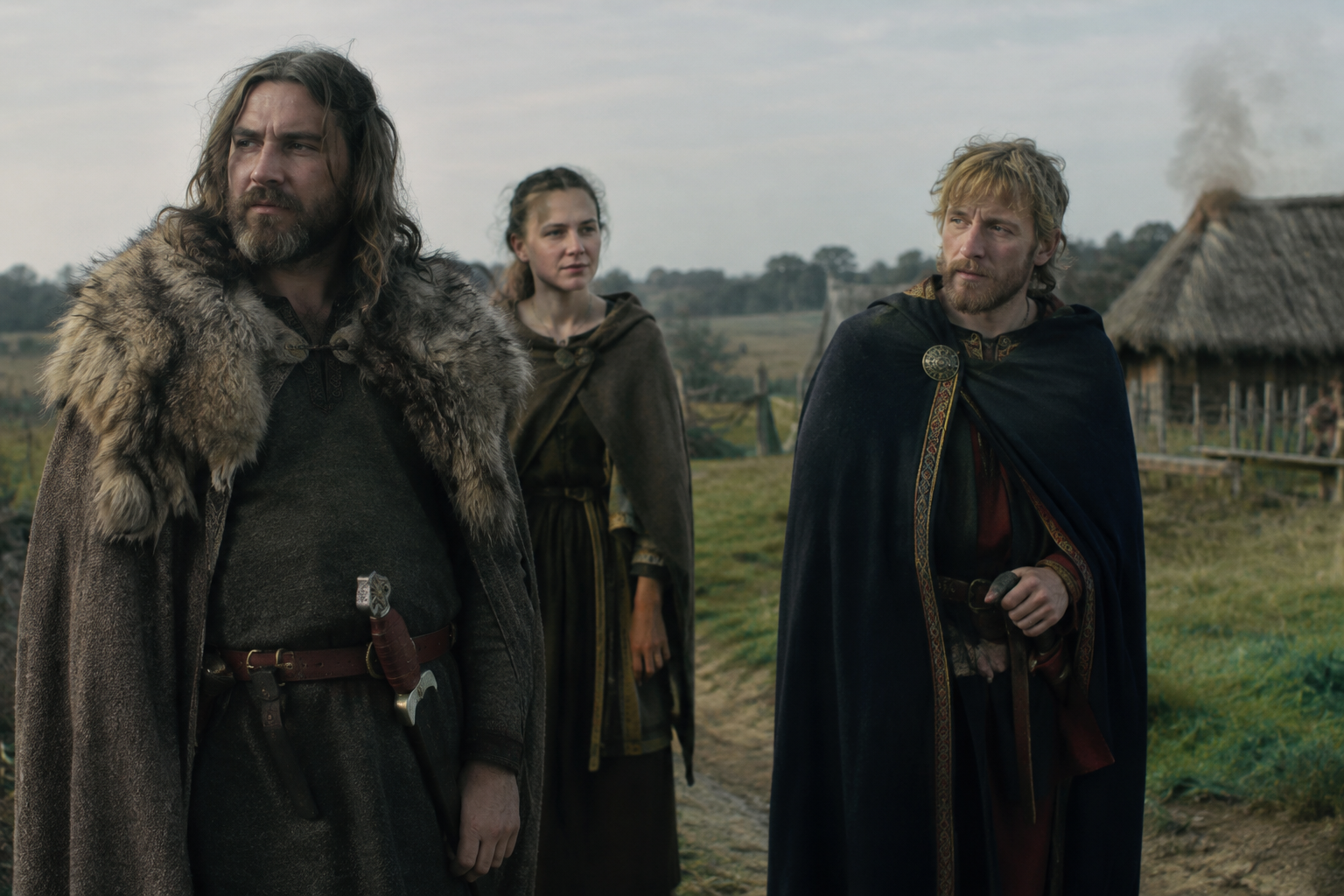
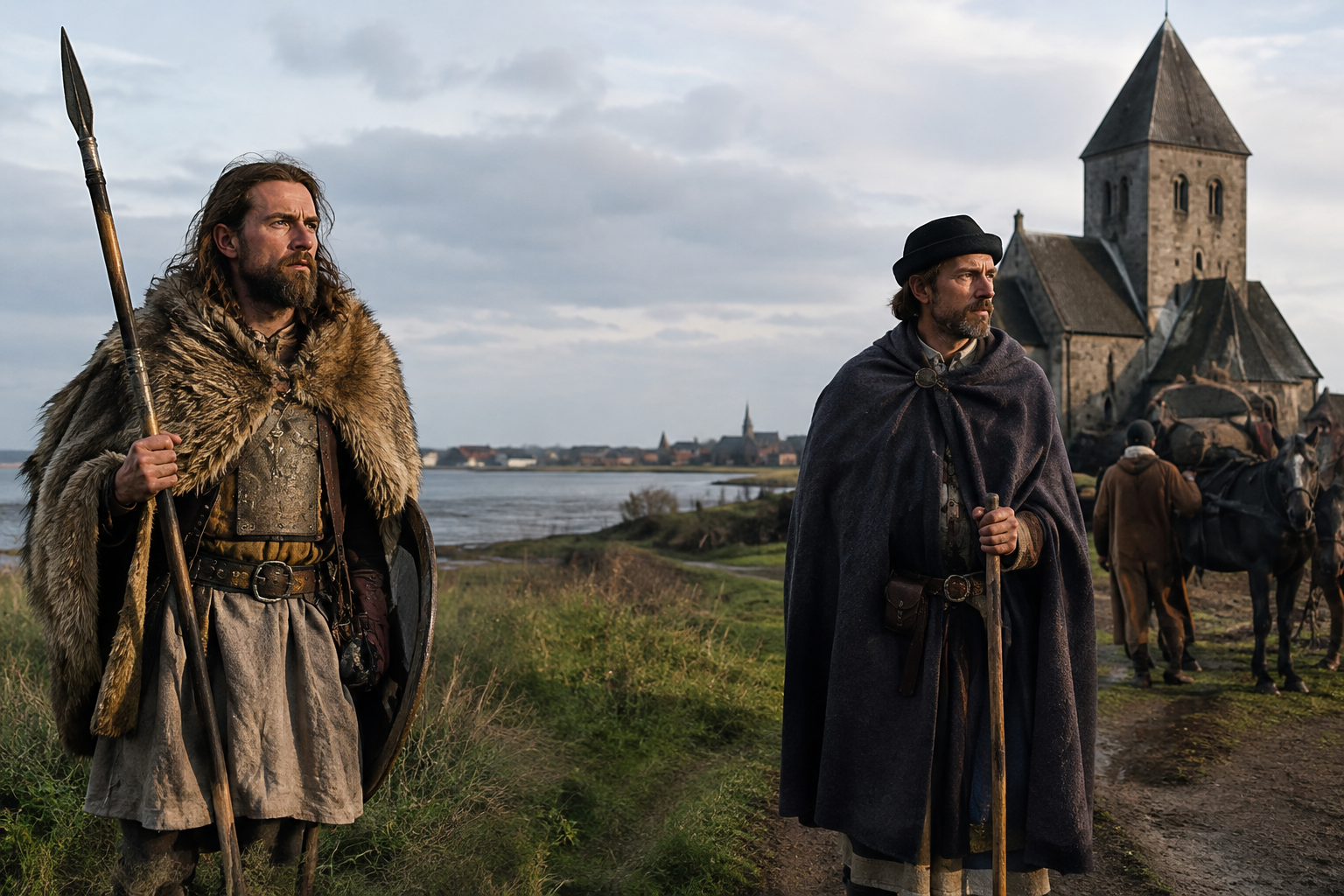
This is also why comparisons with other regional studies are useful. Work on the Mesolithic-Neolithic transition in northern Europe has likewise shown that the spread of farming did not erase all traces of earlier ancestry at once, but produced varied local outcomes.
Denmark's Mesolithic-Neolithic Transition
For someone researching a present-day I2c1 line, the Altendorf samples do not provide a tidy family tree stretching back to one named ancestor. Ancient DNA rarely works so conveniently. What they do provide is a historically meaningful anchor: by the Neolithic of southwestern Germany, this paternal branch was already present in a settled farming milieu.
That is a valuable distinction. It places I2c1 not only in "ancient Europe" in the vaguest sense, but in a specific archaeological world of villages and cultivation. It suggests that some bearers of this lineage were participating in the social and demographic fabric of early farming Central Europe, rather than existing outside it as some untouched remnant.
If that sounds modest, it is because modesty is often where the best history lives. Ancient DNA does not owe us a myth. It gives us something better: a check on our assumptions. In the case of I2c1, the Altendorf men point toward continuity, integration, and the messy reality of how prehistoric communities were assembled.
The most distinctive thing about this evidence is not grandeur but placement. I2c1 appears here in two men, AD117 and AD119, from Altendorf in Neolithic Baden-Wuerttemberg, showing that this paternal branch formed part of at least one early farming community in Central Europe. For descendants exploring that haplogroup today, the responsible historical takeaway is that your direct paternal line may belong to one of the many male threads woven into Europe's Neolithic transformation, where older European lineages and farming societies met, mixed, and endured.
Comments