Haplogroup I1a2a1a1a3

– 4 min read


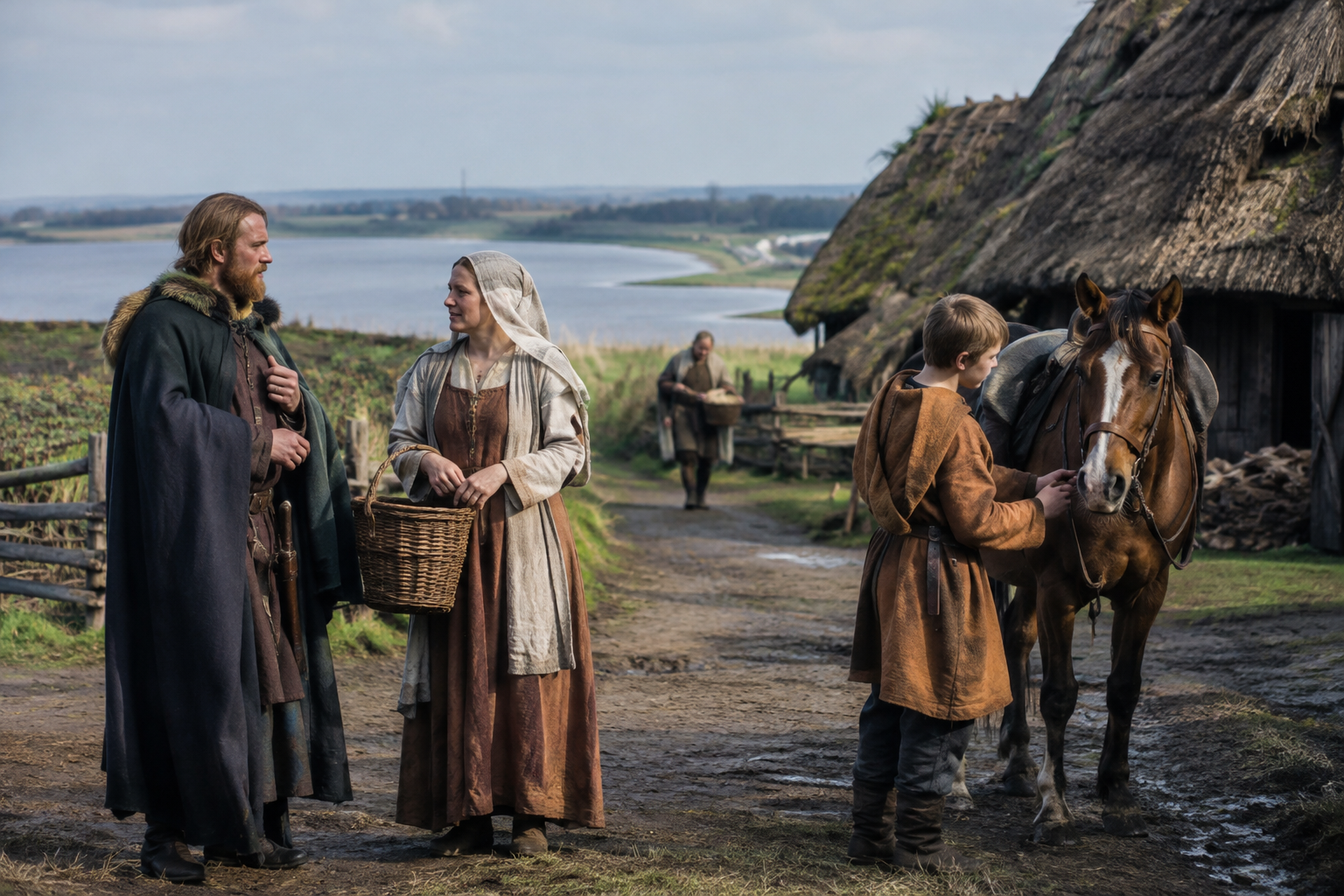
In medieval Denmark, even a single excavated man can tell a larger story. One of the clearest clues here is the individual identified as CGG100679, dated to around AD 1325 from Tjærby in Randers Municipality. He is not a saga hero and not a king. He is more interesting than that for genetic history: an ordinary medieval Dane whose paternal line has been associated with the Y-DNA haplogroup I1a2a1a1a3.
That matters because this is a very specific twig on a much bigger paternal tree. Y-DNA follows one direct male line only - father to son to son - so it never describes a whole person's ancestry. But when a branch like I1a2a1a1a3 turns up in a securely dated medieval Scandinavian context, it gives us something precious: a real historical anchor for a lineage that many present-day testers encounter only as a string of letters and numbers.
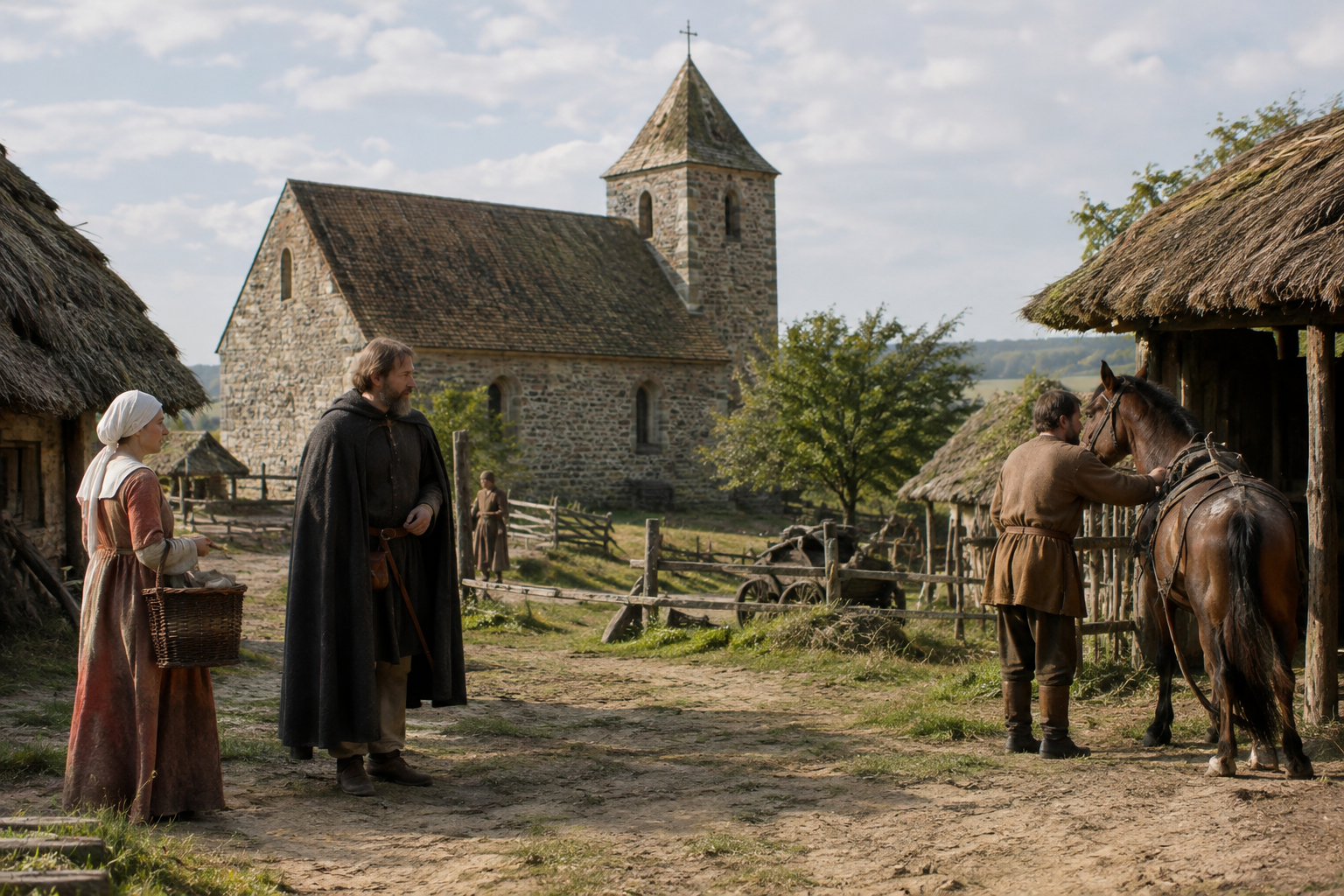
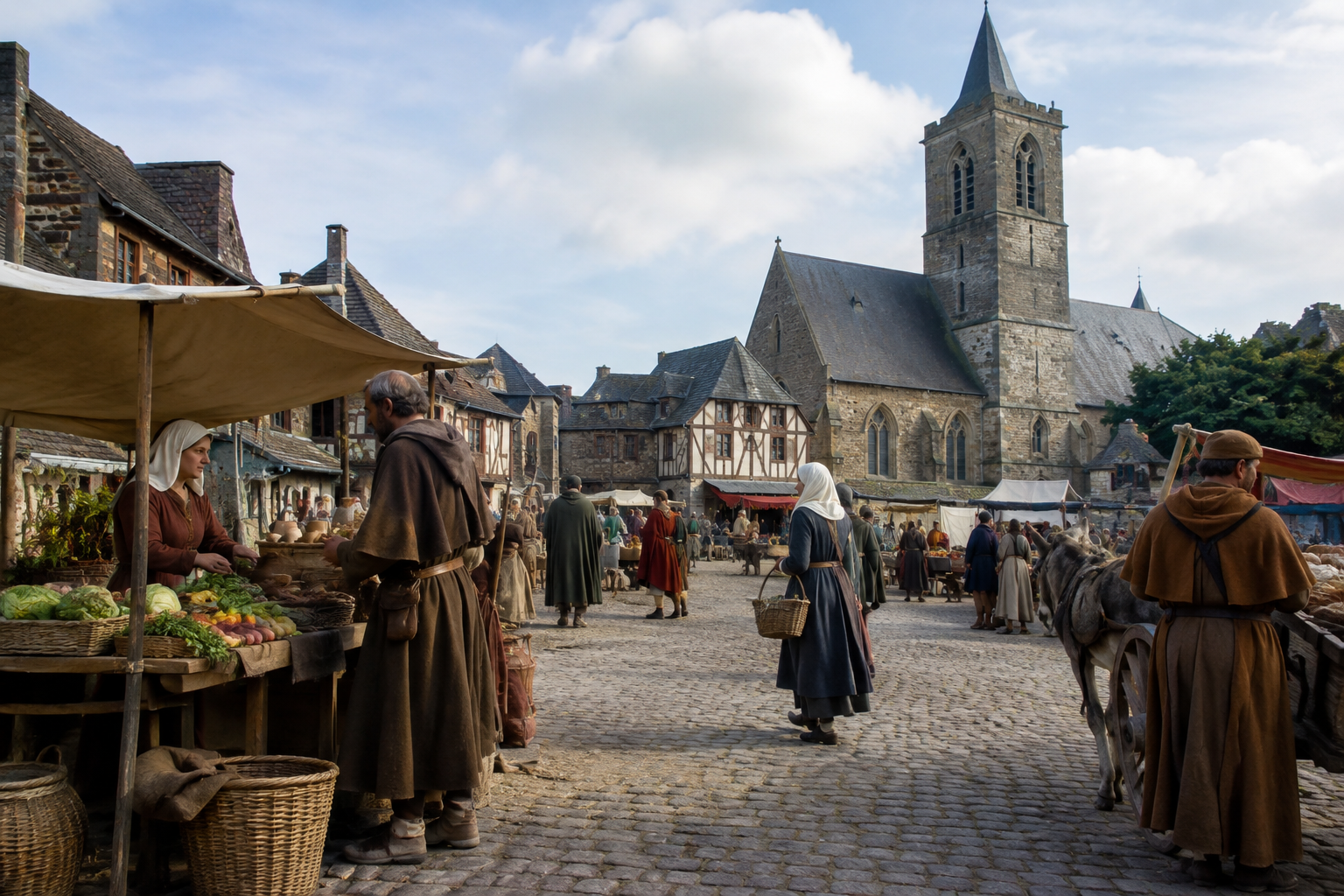
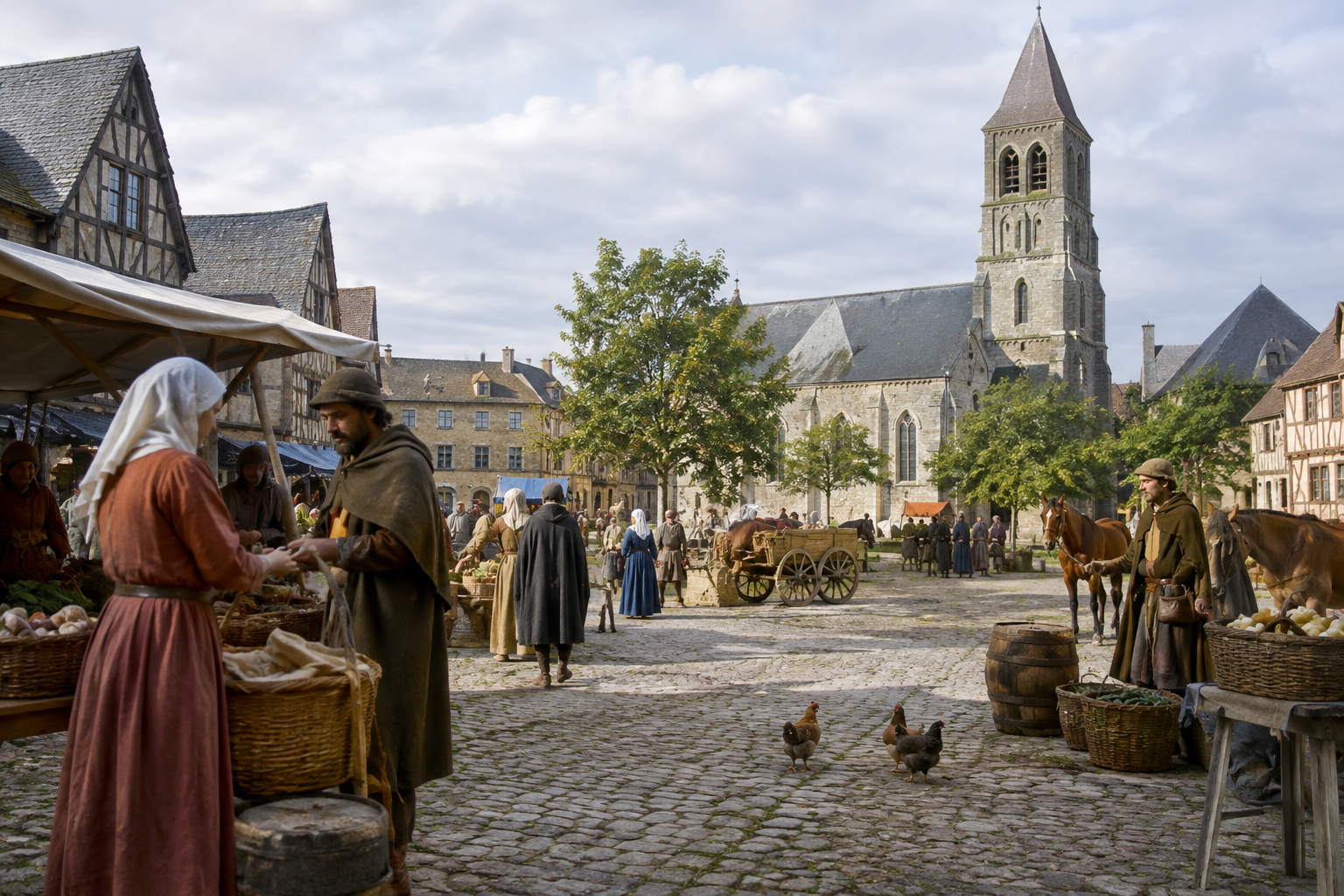
The Tjærby individual stands in a part of Denmark that was deeply entangled in the medieval North Sea world. Randers and eastern Jutland sat within a landscape shaped by old Viking-age networks, Christian parish life, market exchange, and the consolidation of the medieval Danish kingdom. By the early 14th century, this was not frontier country. It was settled, connected, and thoroughly part of a Scandinavian society that had already been Christian for centuries.
That is exactly why CGG100679 is so useful. A lineage found in a medieval rural Danish setting is evidence not of mythic beginnings, but of continuity within a lived historical community. It places I1a2a1a1a3, or at least a reported association with that branch, in a recognizably Scandinavian population long after the Viking Age itself had passed into memory.
An ancient DNA study of the region and period is available as a research lead here. It is best used cautiously in this context: the sample information securely gives us the individual, place, and approximate date, while broader interpretation must rest on what is directly documented rather than on romantic assumptions about medieval Danes.
The wider haplogroup behind this branch is I1, one of the best-known paternal lineages in Scandinavia and northern Europe. But it is important not to flatten the distinction. Saying that a medieval Dane belonged to I1a2a1a1a3 is not the same as making claims about every I1 lineage, still less about all Scandinavians. Narrow subclades often reflect later branching within populations that already shared a broader northern European background.
So the historical value of I1a2a1a1a3 lies less in grand origin myths than in scale. It suggests one surviving paternal thread within the long demographic history of Scandinavia: the descendants of men who lived through the transition from pagan Iron Age societies to Christian kingdoms, from regional chieftaincies to better documented medieval states, and from oral memory to written administration.
This is one of the great lessons of archaeogenetics. The closer we look, the less useful the old oversized labels become. A branch such as I1a2a1a1a3 is not "the Viking haplogroup" or "the Danish haplogroup." It is a much narrower paternal signature found in at least one documented medieval Dane, and that narrower scale is precisely what makes it historically responsible.
There is a bad habit in popular history of treating Scandinavia as if it became less interesting the moment the longships are hauled up. In fact, the centuries after the Viking Age are exactly when lineages like this become historically legible. Men living in 14th-century Denmark inhabited a world of parish burial grounds, local law, crown authority, and regional trade. Their DNA belongs to that setting, not to an imaginary museum of frozen Viking identity.
That also helps with a common question from modern testers: if your paternal line matches a branch like I1a2a1a1a3, should you think first of raiders and migrations, or of settled medieval communities? The evidence from CGG100679 points firmly toward the second. Whatever earlier movements shaped the wider I1 landscape, this sample shows the branch embedded in the fabric of medieval Denmark itself.
Post-Viking Christian Scandinavia
Randers Municipality lies in a region that had long been central to Danish history. Eastern Jutland connected inland farming districts, coastal traffic, and the wider Kattegat world. By the 14th century, this was a landscape where old regional identities persisted, but people also lived under a more formal kingdom with church structures and written institutions.
That context sharpens the meaning of the sample. A medieval paternal lineage from Tjærby is not merely "from Denmark"; it comes from a zone where local communities and larger Scandinavian currents overlapped. Such a find reminds us that genetic continuity is often carried by perfectly unremarkable people - farmers, tenants, parishioners, townsmen - whose names are lost, but whose lineages endure.
And there is another point worth stressing. Because we have only one listed ancient individual here, we should not overreach and turn eastern Jutland into the birthplace or exclusive homeland of I1a2a1a1a3. What we can say is narrower and stronger: this branch is documented in medieval Denmark, and that alone makes it historically meaningful for descendants tracing paternal roots around the North Sea and southern Scandinavia.
Germanic languages and genomics
Ancient DNA articles often shine when they have princely tombs, ships, or spectacular weapon burials to play with. This case does not need any of that. CGG100679 matters precisely because he appears to represent the quieter majority of the past: men whose direct paternal lines survived not through legend, but through ordinary family continuity.
For members of the MyTrueAncestry community, that is often the more useful kind of evidence. It connects a modern haplogroup result to a real person in a real medieval landscape. Not a symbol, not a stereotype, but a dated individual from Tjærby whose line was part of the population history of Denmark.
The distinctive thing about I1a2a1a1a3 in this case is its documented appearance in medieval Denmark through CGG100679 of Tjærby, around AD 1325. That does not confer a royal pedigree or prove a Viking biography. What it does offer is something better: a sober, archaeological foothold in the Scandinavian past. If this is your paternal branch, the evidence points toward a lineage at home in the medieval Danish world, part of the long continuity of northern Europe's male lines rather than a caricature of them.
Comments