Haplogroup G2a2b1a2a

– 5 min read


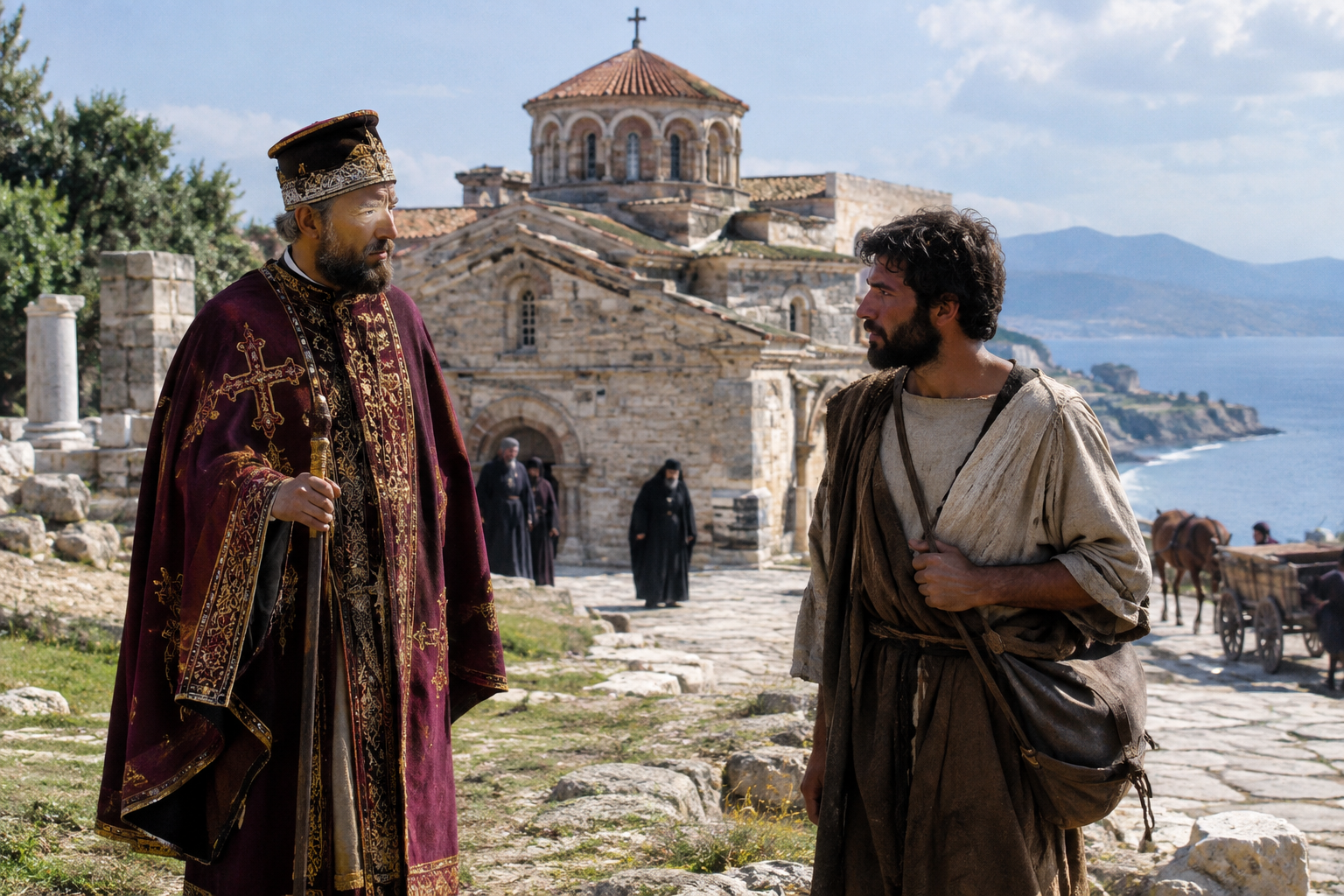
At Stratonikeia on the Aegean coast of Anatolia, one man buried in the Byzantine era helps anchor an otherwise rather elusive paternal line. The sample is I20146, dated to about AD 975, from a church context in a city that had already lived several historical lives: Hellenistic foundation, Roman urban center, and then a Christian community under Byzantium. He is reported here under the Y-DNA haplogroup G2a2b1a2a, a reminder that some paternal branches are not famous because they ruled empires, but because they quietly persist across very old Mediterranean landscapes.
That matters because G lineages, in their broader sense, are deeply entangled with the early farming history of western Eurasia. But this article is about the narrower branch G2a2b1a2a, not the whole of haplogroup G. Y-DNA follows one direct male line only, so it does not define a person's complete ancestry, language, or identity. What these ancient finds do show is that this paternal line appears in both the eastern Mediterranean and the Levant, in settings shaped by long-distance trade, imperial rule, and local continuity.
Stratonikeia is one of those Anatolian sites where the stones themselves seem to keep changing language. Founded in the Hellenistic age and monumentalized under Rome, it remained occupied into the Byzantine period, when churches and Christian burial grounds reworked the older city. The individual I20146, dated around AD 975, belongs to that later chapter.
For the history of haplogroup G2a2b1a2a, this is a useful setting because it places the branch in a well-connected urban world long after antiquity's political map had changed. By the late 10th century, southwestern Anatolia was part of a Byzantine Mediterranean that linked coastal towns, inland valleys, pilgrimage routes, and maritime exchange. A paternal lineage found here need not signal recent migration at all; it may just as plausibly reflect the deep, layered continuity of male lines in Anatolia, mixed and remixed through centuries of Greek, Roman, and Byzantine life.
A broader ancient DNA study of the region and its neighbors, published in Science, has helped show just how dynamic the eastern Mediterranean could be over time, while still preserving important local genetic threads. That is the right scale on which to read I20146: not as an isolated curiosity, but as one point within a long Anatolian population history.
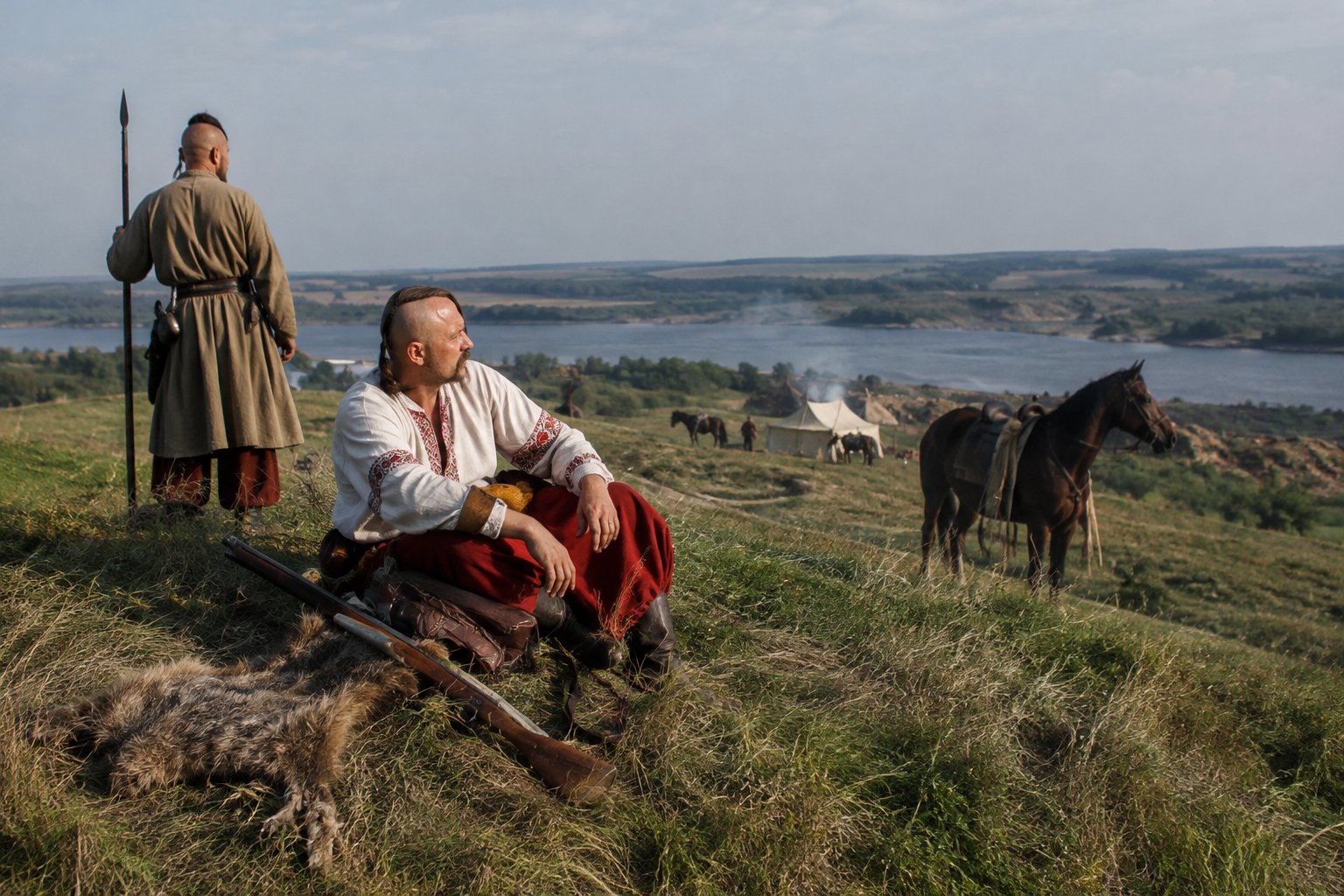
Late Byzantine Burials on Chios
The second ancient pointer is older and, in some ways, even more intriguing. The sample SFI-15 comes from Saifi in modern Lebanon, dated here to about 86 BC and described as Canaanite Saifi Roman Republic Lebanon. That pairing of labels is historically revealing in itself. We are looking at a Levantine setting under Roman power, but one where local populations did not simply vanish into a new imperial category.
To call a sample "Canaanite" in this broad archaeological-genetic sense is not to assign him to a single biblical people or fixed ethnic label. It usually signals continuity with earlier Levantine populations rooted in the Bronze and Iron Age eastern Mediterranean. By the 1st century BC, the coast of Lebanon was a world of old Phoenician cities, Hellenistic influence, and expanding Roman administration. A man carrying G2a2b1a2a in that context fits a region famous for continuity as much as for commerce.
That is important for anyone tempted to over-read Y-DNA. The Saifi individual does not prove that this branch was uniquely "Phoenician," "Roman," or "Byzantine." What it does suggest is that G2a2b1a2a was present in eastern Mediterranean populations before the high Roman Empire and continued to appear in later Christian Anatolia. In other words, this is not a lineage that needs a dramatic medieval explanation. Its roots in the region may be considerably older.
Research on ancient Levantine populations published in The American Journal of Human Genetics has been central to understanding how much genetic continuity survived amid conquest, urban change, and cultural transformation. That broader picture suits SFI-15 very well.
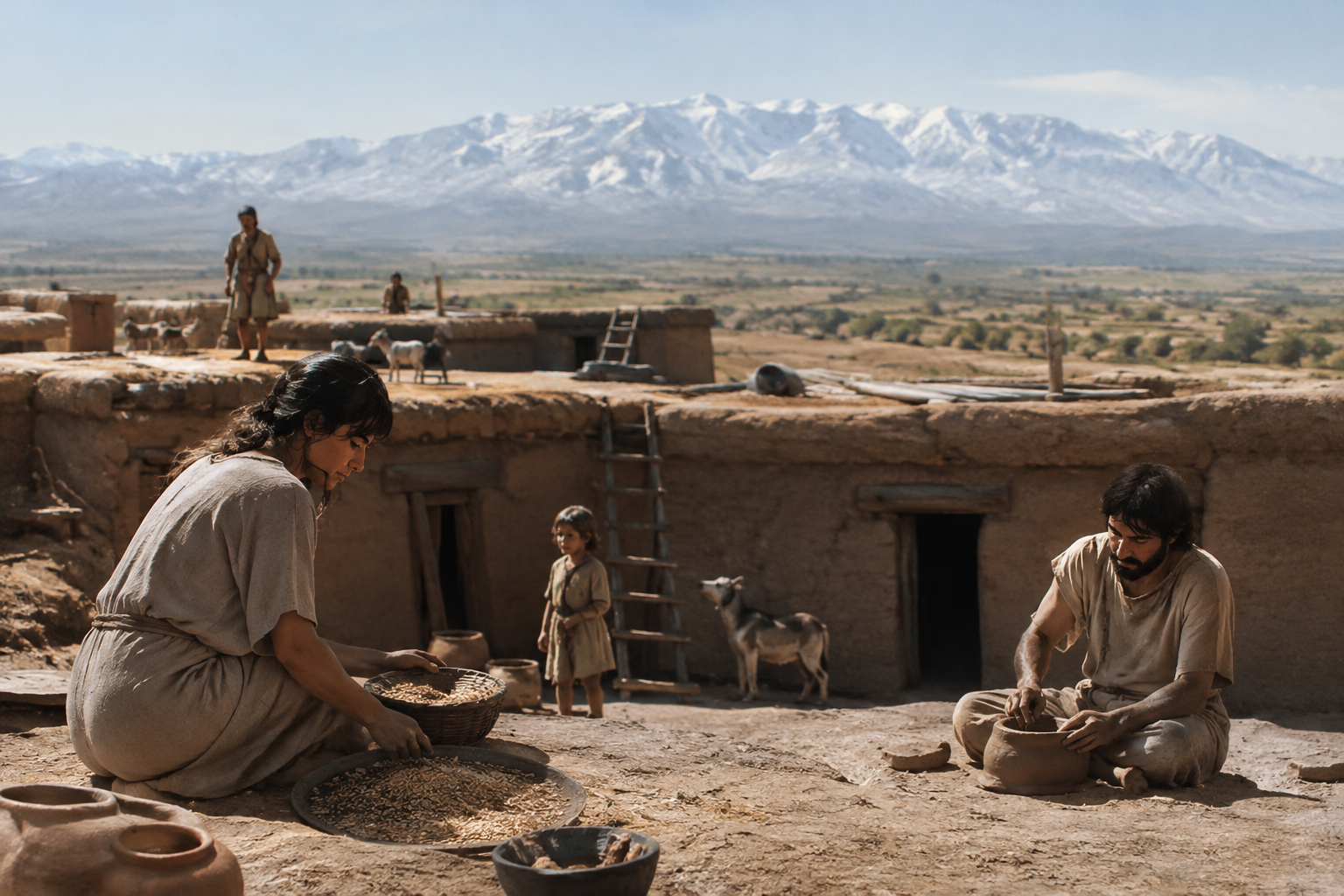
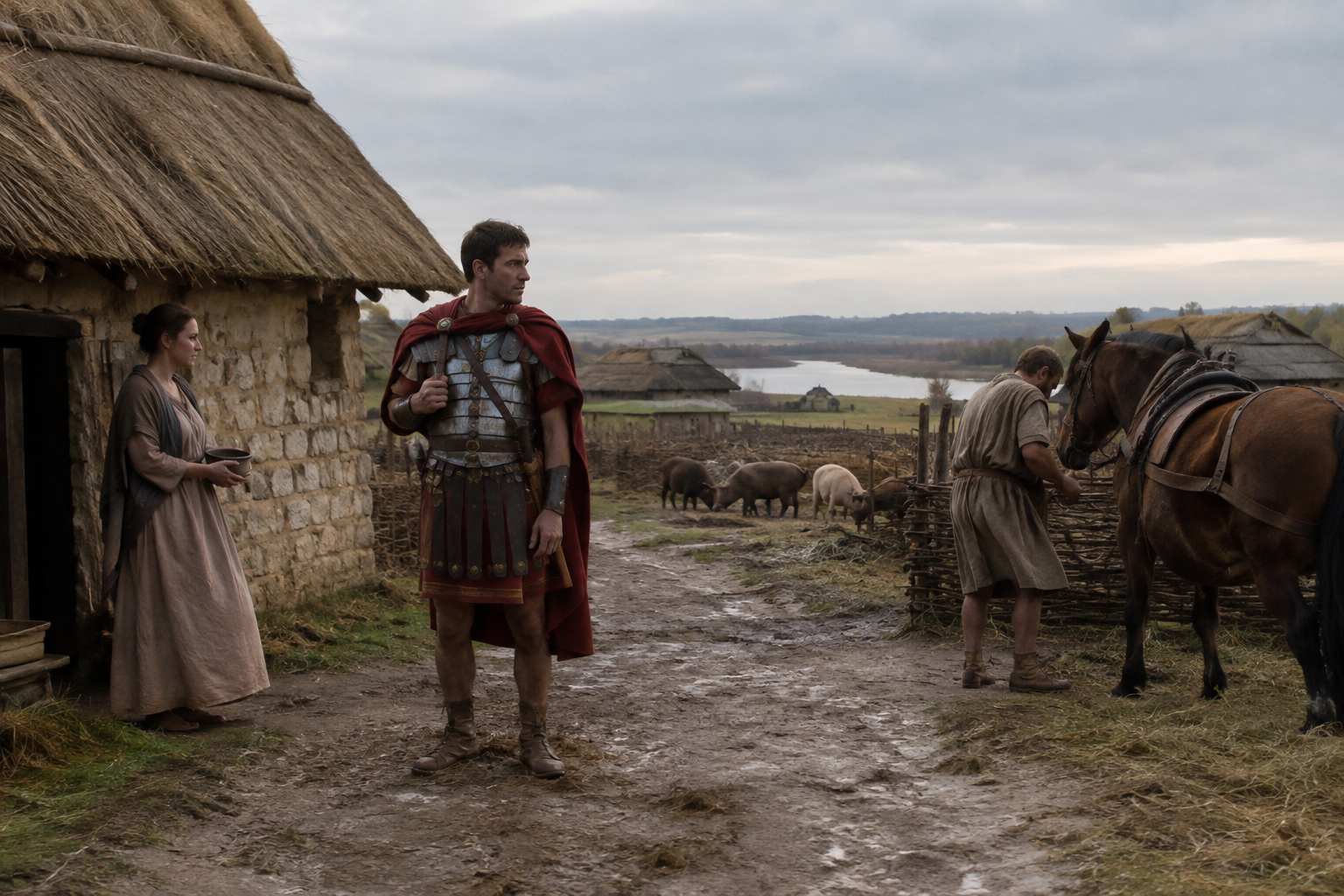
Eastern Mediterranean in the Roman Republic
In popular ancient-DNA discussions, haplogroup G often appears in connection with the first farmers of Europe and western Asia. That wider association is real enough at the parent-lineage level, but it should not be lazily copied downward onto every later sub-branch. G2a2b1a2a is a much narrower paternal line, and the safest thing to say from the evidence here is that it turns up in historically connected eastern Mediterranean populations separated by roughly a thousand years.
That span matters. It suggests durability. One bearer appears in the Levant in the late Hellenistic or early Roman Republican horizon; another appears in Byzantine Anatolia in a Christian urban setting. This does not create a neat family tree between them, of course, but it does place the branch in a believable corridor of continuity stretching across the Mediterranean's eastern shorelands.
Anatolia and the Levant are exactly the sort of regions where such persistence makes historical sense. They were never sealed boxes. Armies, merchants, clerics, sailors, farmers, and townspeople all moved through them, yet local populations also endured. A lineage like G2a2b1a2a may therefore reflect both deep ancestry and long participation in connected imperial worlds.
The most interesting feature of these two samples is not quantity but contrast. SFI-15 belongs to a Levantine setting at the edge of Roman expansion. I20146 belongs to a Byzantine church context in Anatolia nearly a millennium later. Different states, different religious worlds, different political languages - and yet the same reported paternal branch appears in both.
This is where archaeogenetics becomes especially useful to historians. Texts tend to privilege rulers, armies, and abrupt change. DNA often reminds us that beneath those headlines, ordinary lineages continue through shifts in empire. Cities are conquered, renamed, christianized, taxed, rebuilt, and still, many of the people buried there remain descended from older regional populations, however mixed their total ancestry may be.
That does not mean stasis. Quite the reverse. The eastern Mediterranean was one of the great engines of movement in the ancient world. But movement does not erase continuity; often it sits on top of it. G2a2b1a2a, in this small but suggestive sample set, looks less like a sudden intrusive signature and more like part of that durable regional background.
If you carry G2a2b1a2a today, these ancient finds point toward a paternal story that is at least compatible with long eastern Mediterranean depth. The evidence presented here is strongest for Anatolia and the Levant, not for a single tribe, dynasty, or modern nation. That may sound modest, but historically it is quite substantial. These were central zones in the making of Bronze Age, Classical, Roman, and Byzantine worlds.
It is also worth noticing what is not in the evidence. There is no firm basis here for attaching this lineage to one noble house, one ethnic label, or one famous migration event. Instead, the pattern fits something rather more typical of real history: paternal lines passing through cities, provinces, and religious changes without needing to announce themselves in the written record.
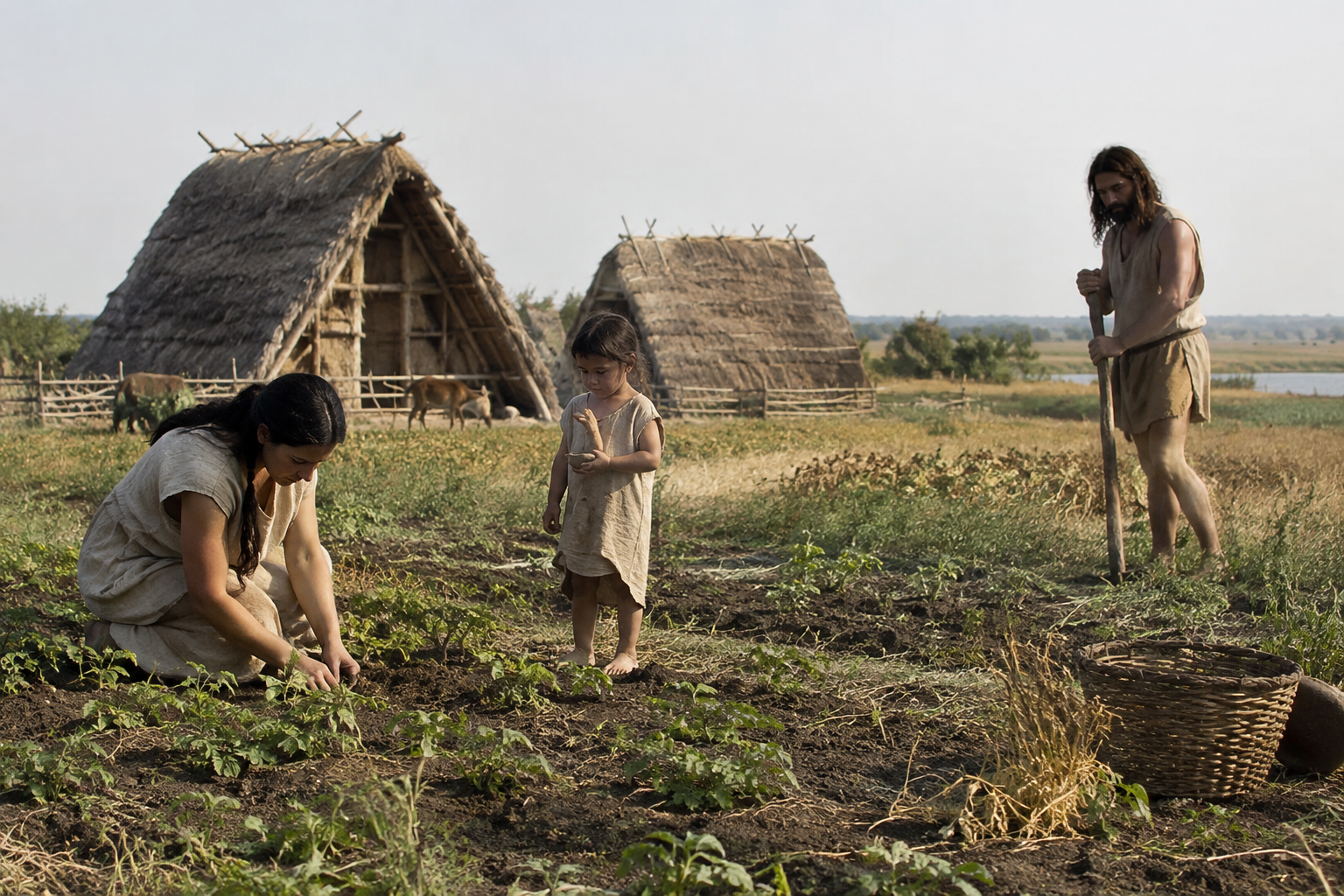
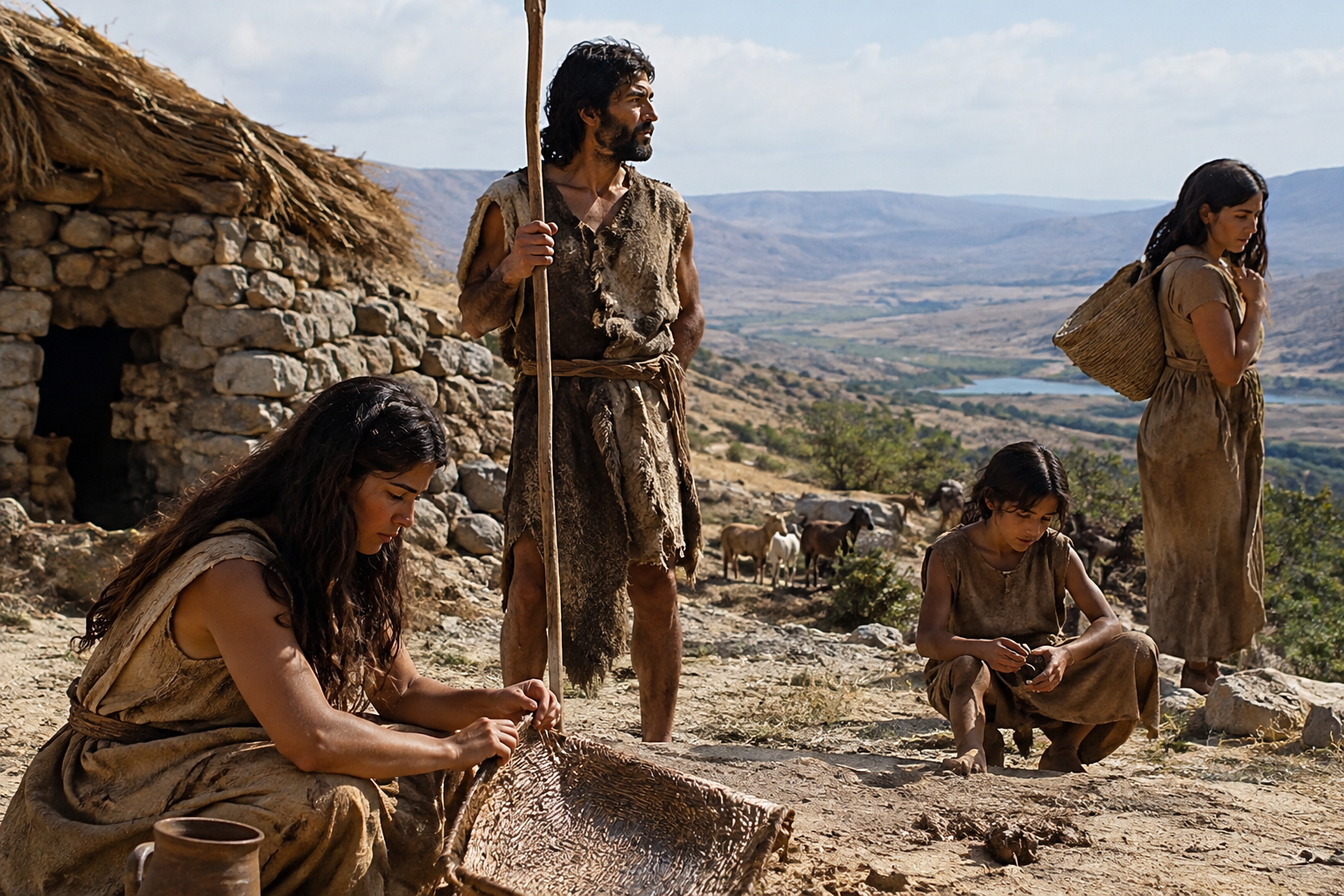
Neolithic Expansion in the Aegean
On present evidence, G2a2b1a2a is best read as an eastern Mediterranean paternal line with documented appearances in Roman Republic-era Lebanon and Byzantine Anatolia. That is a historically rich combination: old Levantine continuity on one side, long-lived Anatolian urban life on the other. For family historians, the value lies not in a fantasy of instant identification, but in seeing your paternal line placed inside one of the oldest and most interconnected human landscapes on earth.
Comments