Haplogroup R1a1a1b1a2b3a3a1a2c

– 5 min read


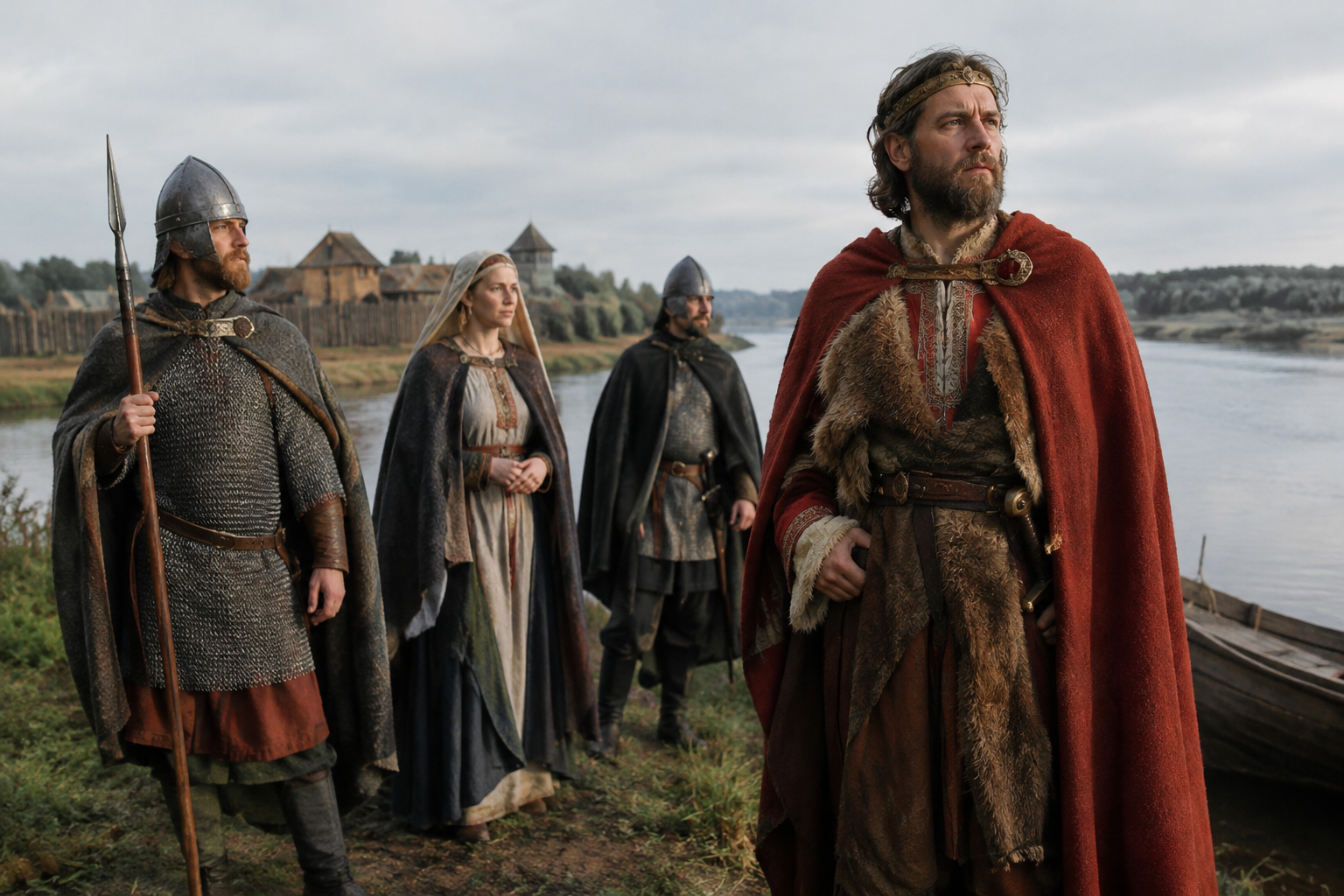
In about AD 971, a man now labelled PCA0167 was buried in the world of the early Kingdom of Poland. We are not given a saga-like biography for him, nor should we invent one. But even this spare record is enough to make him historically interesting, because he lived at the very moment when the Piast realm was consolidating power, Christianity was reshaping public life, and local communities were being drawn into a new kingdom.
The paternal line associated here is R1a1a1b1a2b3a3a1a2c, a very narrow twig on the larger R1a tree. That distinction matters. Y-DNA traces one direct male line only, not a whole identity, language, or ethnicity. Still, when a branch like this turns up in an early medieval Polish context, it becomes part of a much bigger historical question: what did male-line continuity, mobility, and dynastic formation look like in the first centuries of the Polish state?
PCA0167 belongs to the period when the Piast polity was no longer just a regional power in Greater Poland, but a kingdom in formation. By the later 10th century, under Mieszko I and then Boleslaw the Brave, power was being gathered, rival centres subdued, and older local networks brought into a more centralised framework. A burial from around AD 971 therefore sits in a very charged historical landscape, even if the surviving summary gives us no grave inventory or kinship network.
That is precisely why ancient DNA is useful here. It does not replace archaeology or written history, but it adds another line of evidence about the people living through state formation. Research on medieval Polish remains has helped place individuals like PCA0167 into the wider biological history of the region, including questions of paternal line continuity and elite connections; for readers following this broader debate, MyTrueAncestry has also covered the genetic origins and dynastic connections of the medieval Piast rulers.
It is tempting, when one sees a long technical label such as R1a1a1b1a2b3a3a1a2c, to leap straight to sweeping tales of steppe migrations or Slavic expansion. That would be too crude. The broad R1a family has a deep and complicated history across Eurasia, but a terminal branch this specific belongs to a much later and much narrower story. Without secure upstream and downstream comparisons from multiple dated burials, we should not pretend to know the entire route by which this exact line reached medieval Poland.
What we can say is more careful and more useful. A lineage like this appearing in an early Polish context fits a region where R1a-related paternal lines were already significant in the medieval period. The interesting question is not whether one burial can "prove" the ancestry of a nation. It cannot. The question is whether such samples help us see how direct male lines were distributed during the making of early states, and how some of those lines may have persisted through later centuries.
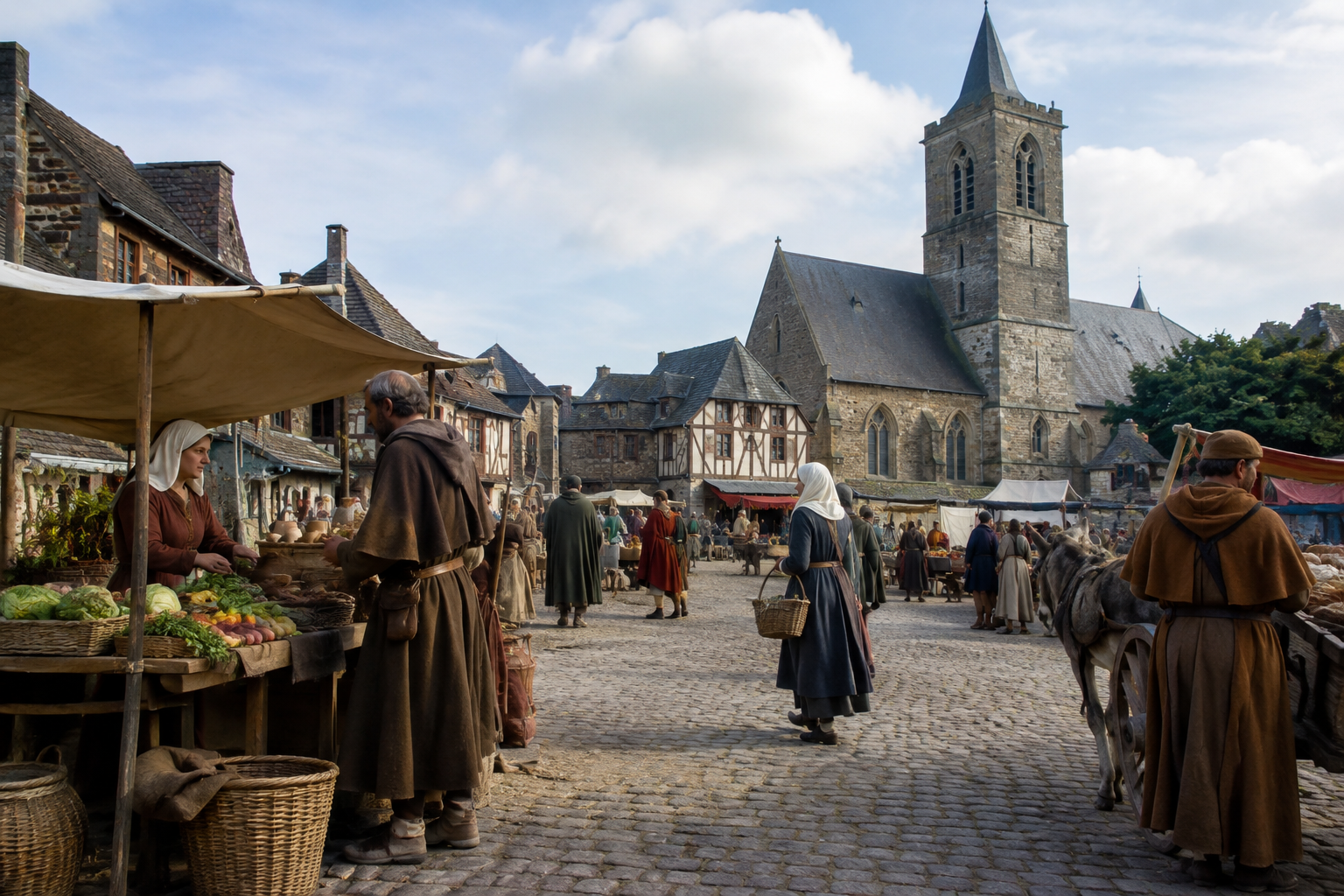
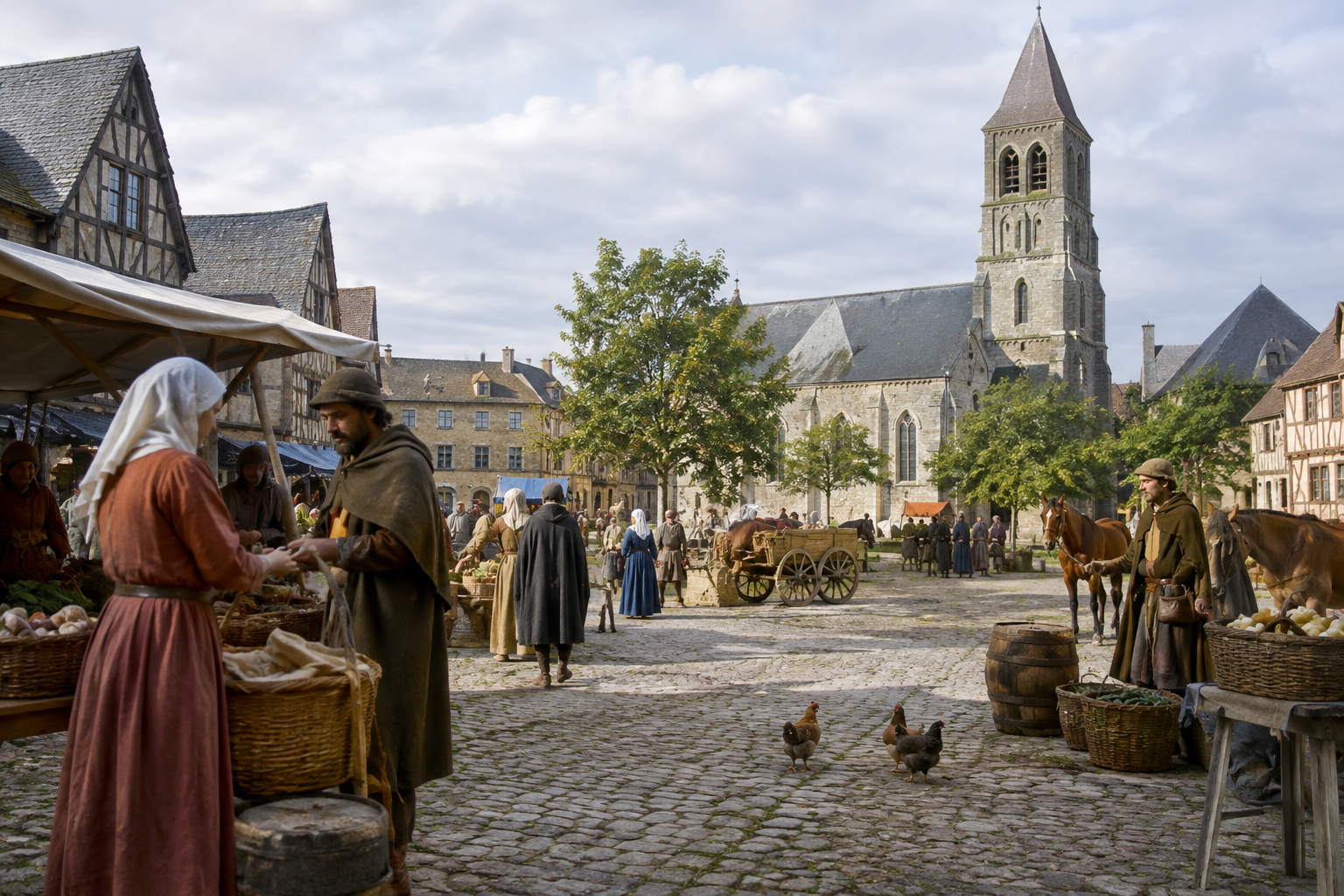
Poland in the 10th and 11th centuries is an unusually revealing setting for paternal-line research because political consolidation happened relatively late, under conditions we can partly follow in both archaeology and written sources. The conversion of Mieszko I in 966 is the obvious headline event, but the deeper process was the creation of durable ruling institutions, fortified centres, and Christian burial landscapes. Individuals buried in this period belong to communities adapting to new loyalties and new forms of power.
That makes male-line evidence especially intriguing. In some regions of Europe, ancient DNA suggests strong continuity in local paternal lines; in others, marked shifts appear with conquest, elite takeover, or long-distance migration. Medieval Polish evidence speaks to that wider European conversation. An ancient DNA study examining populations from this sphere is available here: https://genomebiology.biomedcentral.com/articles/10.1186/s13059-023-03013-9. Even where one individual remains frustratingly sparse in archaeological detail, the broader regional framework is what gives his Y-line significance.
There is also a useful caution here. Early medieval kingdoms were not biologically uniform blocks. They were stitched together from regional populations, shifting alliances, and families of very different standing. So PCA0167 is best understood not as "the Polish haplogroup" in miniature, but as one documented bearer of a precise paternal branch present during the earliest centuries of Polish statehood.
Early medieval Poland did not exist in isolation. To its west lay the Ottonian world; to the south, Bohemia and the Carpathian zone; to the east, other Slavic and frontier populations; to the north, Baltic regions deeply involved in exchange and conflict. A man carrying R1a1a1b1a2b3a3a1a2c in about AD 971 therefore lived within a web of political and biological connections extending well beyond any one burial ground.
That broader setting is especially important because genetic evidence across central and eastern Europe often shows both continuity and mixing rather than simple replacement. The old habit of matching one haplogroup to one people has never worked well, and it works particularly badly in the early Middle Ages. Paternal lines can survive political collapse; languages can spread without total male-line replacement; elites can be locally rooted, foreign-linked, or some combination of the two.
For Poland's southern and western neighbourhoods, comparisons with other studies of Slavic and post-Roman populations help frame the issue. Readers interested in the larger regional picture may want to explore MyTrueAncestry's post on Slavic populations in central and eastern Europe, which looks at how ancient DNA complicates tidy historical labels.
If your own paternal line falls under R1a1a1b1a2b3a3a1a2c, PCA0167 offers something modest but valuable: a securely ancient point on the map, in early medieval Poland, at a time when the first Polish kingdom was taking shape. That does not mean every modern carrier descends from this man, or from a Piast court, or from any named medieval clan. It means your direct male line belongs to a branch that is documented in that historical setting.
And that is often the real pleasure of ancient DNA. Not the fantasy of instant prestige, but the recovery of context. A long string of letters and numbers becomes attached to a real human being who lived through the making of a kingdom, in a society balancing older local roots with new political structures. For those interested in how neighbouring regions were changing in similar centuries, MyTrueAncestry's feature on early medieval Finland and Baltic connections offers a useful comparison from the wider north-eastern European world.
The most distinctive thing about R1a1a1b1a2b3a3a1a2c in this case is not some grand claim about all of Europe, but its appearance in a documented individual from early medieval Poland, around AD 971. PCA0167 anchors this narrow paternal branch in the age when Piast power was hardening into a kingdom. For anyone tracing this line today, that is a meaningful historical foothold: a direct male-line signature present at one of the formative moments in central European history.
Comments