Haplogroup I1a2a1a1a1a1a

– 4 min read


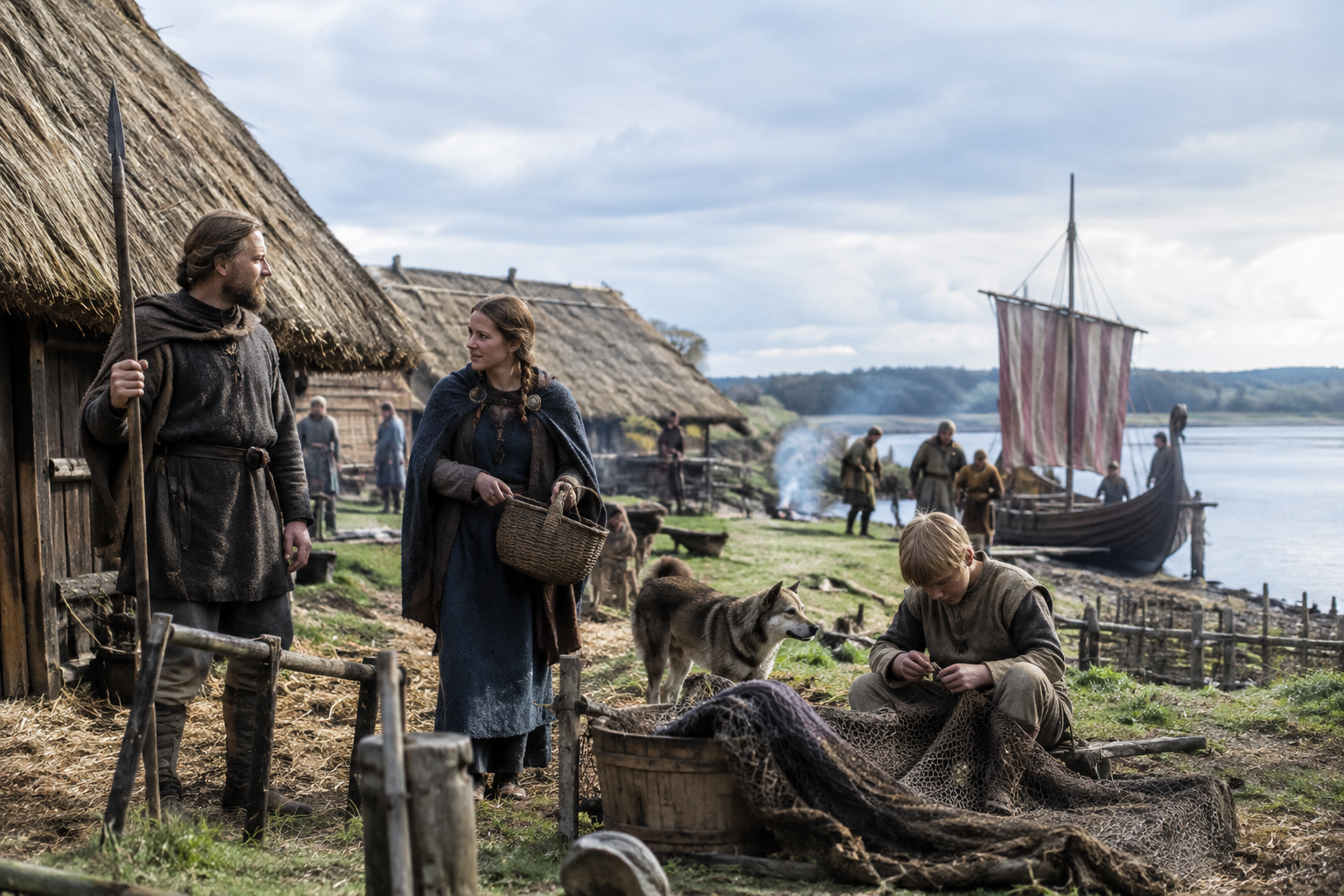
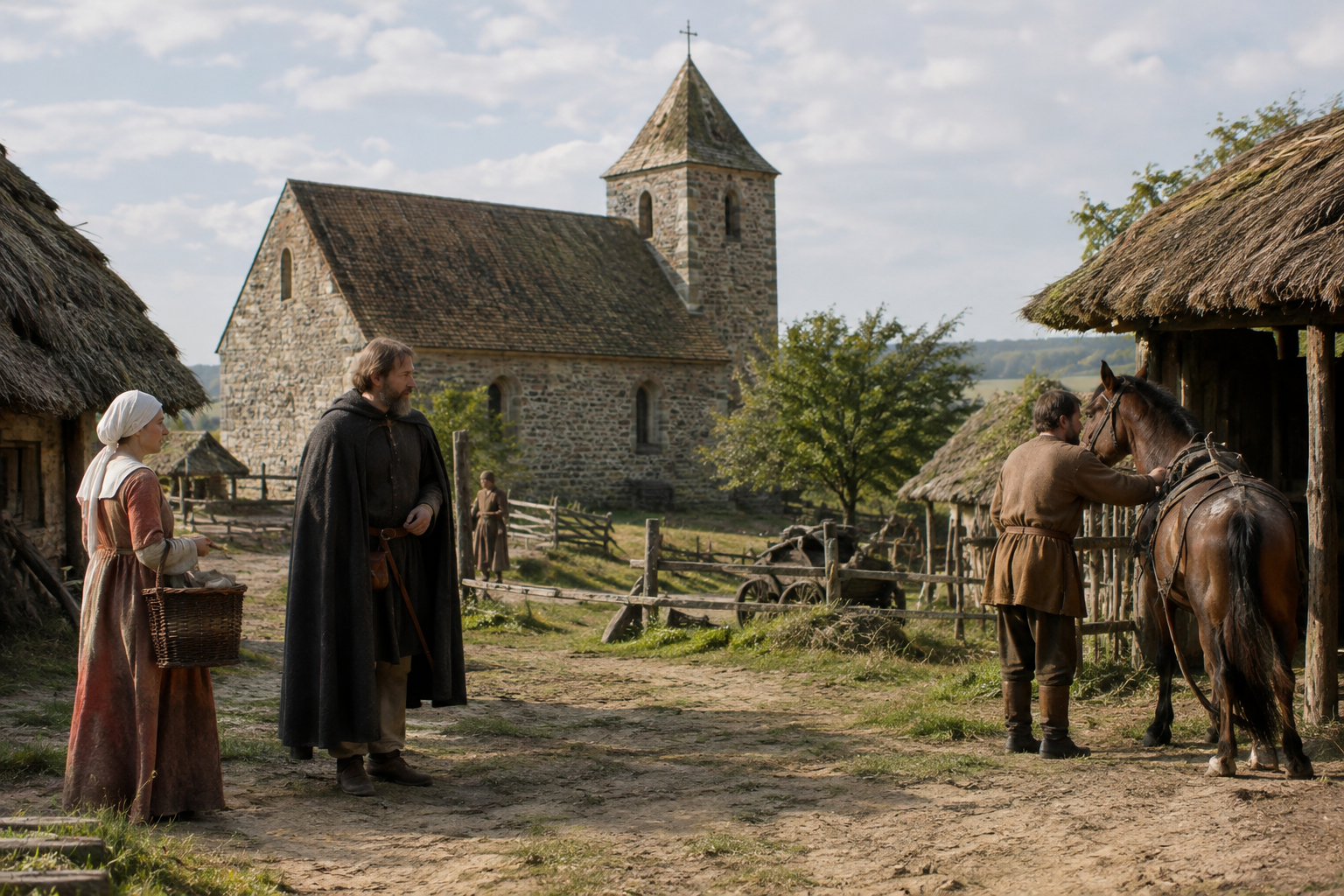
In the mid-12th century, at Tjaerby near Randers in Jutland, one man entered the ancient DNA record with the identifier CGG100687. He lived around AD 1150, in a Denmark that was no longer the world of longships and raiding bands alone, but a Christian kingdom with parish churches, royal ambitions, and lively connections across the North Sea and Baltic. For people exploring the Y-DNA haplogroup I1a2a1a1a1a1a, this single medieval individual matters because he anchors an otherwise very technical paternal branch in a real landscape: eastern Jutland, in the long afterlife of the Viking Age.
That is worth pausing over. Y-DNA traces one direct paternal line only, not a person's whole ancestry, but it can still be historically revealing. In this case, the branch sits inside the broader haplogroup I1, a lineage strongly associated with northern Europe and especially Scandinavia in both modern and ancient datasets. The Tjaerby sample does not turn one village man into a spokesman for all Danes, still less for every carrier of this subclade today. But he does place this paternal line squarely within a medieval Scandinavian setting.
The most concrete evidence here is simple and therefore useful: CGG100687, from Tjaerby, Randers, Jutland, dated to about AD 1150. That date places him after the classic Viking Age, yet close enough to it that many of the old demographic patterns of Scandinavia were still in motion. Jutland was not a remote fringe. It was one of the core regions through which people, goods, and ideas moved between the Danish islands, Norway, the German lands, and the wider North Sea world.
A major ancient DNA study of the Viking world, published in Nature, helped show just how interconnected Scandinavia and its overseas networks were. That broader research matters for interpreting a site like Tjaerby, even when our sample is later than the classic raiding centuries, because the paternal lines found in medieval Denmark were shaped by the same long processes: local continuity, movement within Scandinavia, and contacts reaching well beyond it.
The long string I1a2a1a1a1a1a is the name of a very specific downstream branch within haplogroup I1. The important historical point is not to overinflate it. The deep history of I1 as a whole is not automatically the history of this exact terminal branch. A narrow subclade may have formed much later, expanded in a smaller population, or become prominent in one district while remaining rare elsewhere.
So the Tjaerby individual is best understood as evidence that this paternal line was present in medieval Denmark, not as proof of its exact birthplace or as a shortcut to ethnicity. He was a man living in Christian medieval Jutland, and his Y chromosome belonged to a branch nested inside a wider Scandinavian-associated haplogroup. That is already a meaningful result, because it ties modern paternal-line research to an actual historical community rather than to a vague map label.
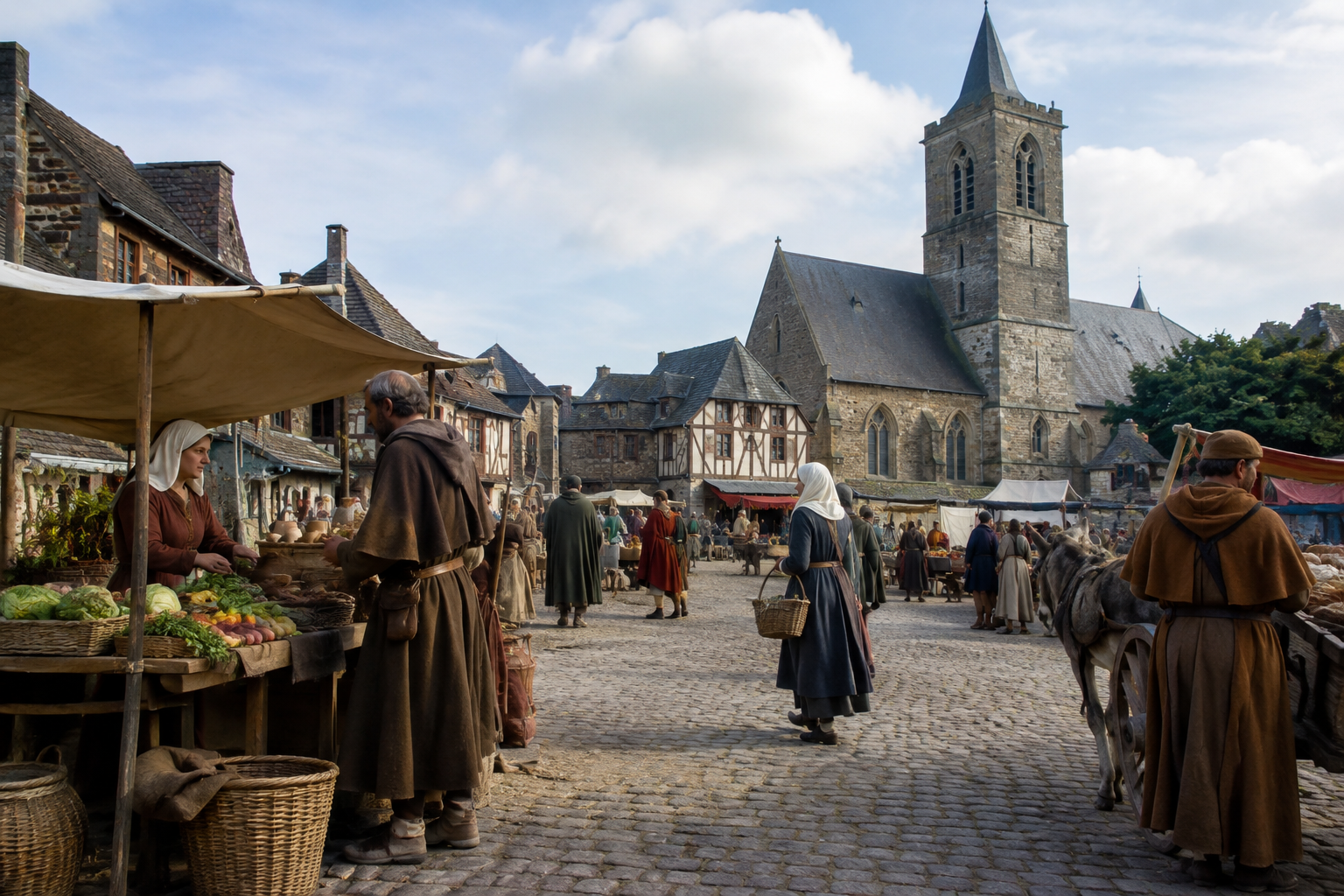
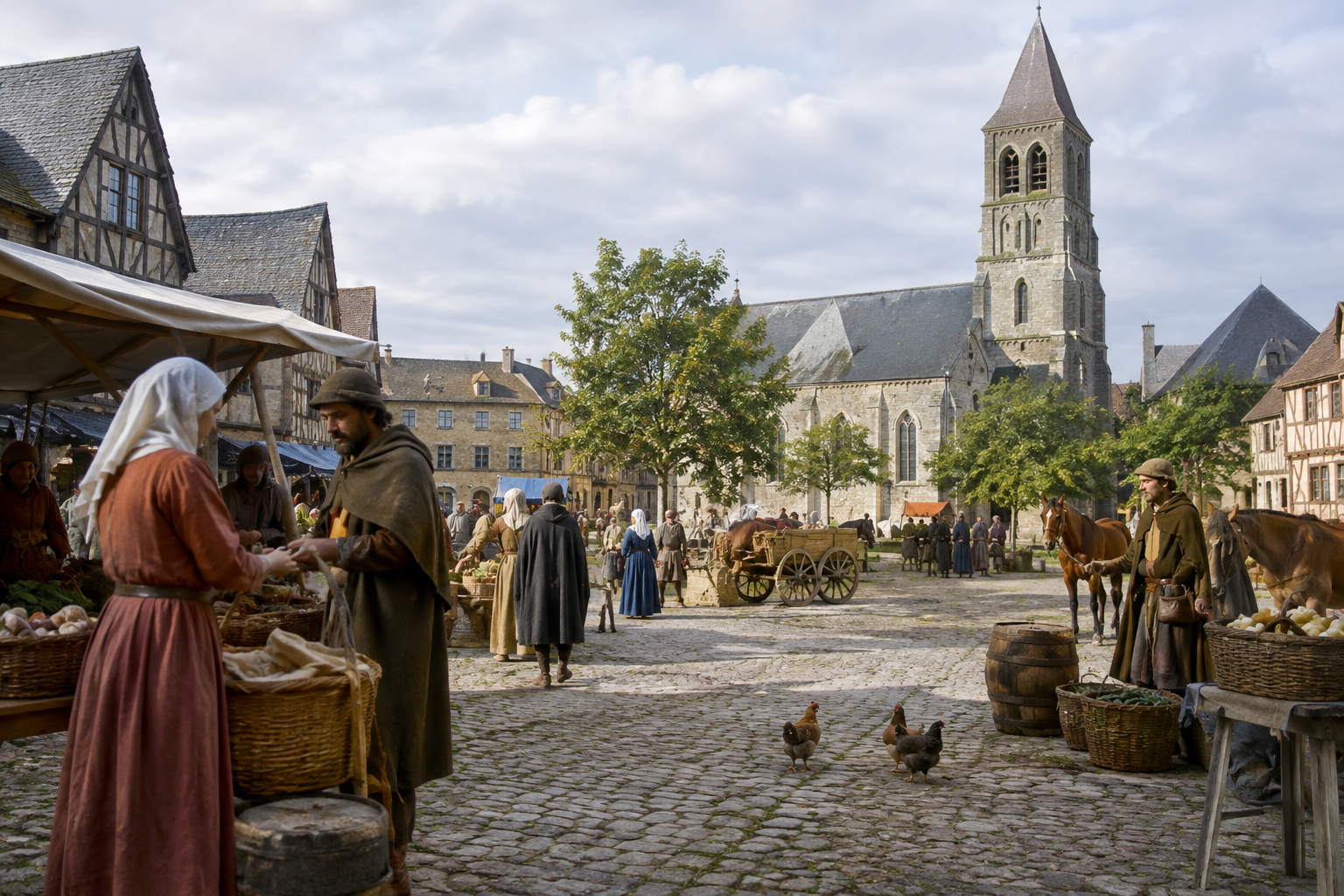
One of the most misleading habits in popular history is to treat the Viking Age as though it ended abruptly, like a curtain falling. In reality, many of the people who had once lived through that era, or been descended from those who did, simply became medieval Scandinavians. The old maritime corridors remained busy. Trade, marriage, political alliance, warfare, and settlement still moved people around the North.
That makes a c. AD 1150 sample especially interesting. He belongs to a period when Denmark had bishops and royal administration, but also inherited population structures formed over earlier centuries. The persistence of an I1-derived paternal branch in Jutland fits well with the broader picture of Scandinavian demographic continuity through the shift from pagan Viking Age societies to Christian medieval kingdoms.
Jutland is not just a place on the map; it is one of the great corridors of northern European history. To the west lay the North Sea routes to England and beyond. To the south were the continental connections into what are now Germany and the Low Countries. To the east and north were the sea lanes linking Danish communities with Sweden and Norway. A paternal lineage found here could belong to a family long rooted in the region, or to one that had moved within this northern world generations earlier. Archaeology and genetics often show that the two possibilities are not opposites at all.
This is where restraint matters. We should not invent a life story for CGG100687, nor should we pretend that one sample can identify a clan, a noble house, or a named saga family. But as a data point, he is exactly the kind historians and genetic genealogists need: a securely placed male line from medieval Denmark, in a region central to the making of Scandinavian and North Sea history.
Ancient DNA has transformed the study of Scandinavian population history because it replaces guesswork with dated individuals from known places. Instead of talking vaguely about "Vikings" or "Norse blood," we can ask tighter questions. Which male lines appear in Denmark as opposed to Norway or Sweden? Which persist from one period into another? Which are widespread, and which seem more localized?
For haplogroup I1a2a1a1a1a1a, the evidence supplied here is modest but solid. Its clearest ancient anchor is medieval Denmark, through CGG100687. That does not mean every modern bearer descends from Jutland specifically, nor that this branch was exclusive to Denmark. It means that by the 12th century this paternal line was part of the human landscape of Jutland, and that is precisely the kind of fixed point from which fuller historical interpretation can begin.
If your Y-DNA falls under I1a2a1a1a1a1a, the strongest historically grounded insight from this evidence is a northern one: your direct paternal line sits within a branch attested in medieval Jutland, inside the broader Scandinavian world where I1 has long been important. That is not a promise of a named dynasty or a single tribal identity. It is something better and more archaeological: a real man, in a real place, at a known moment in the making of medieval Denmark.
Comments