Haplogroup A
– 6 min read


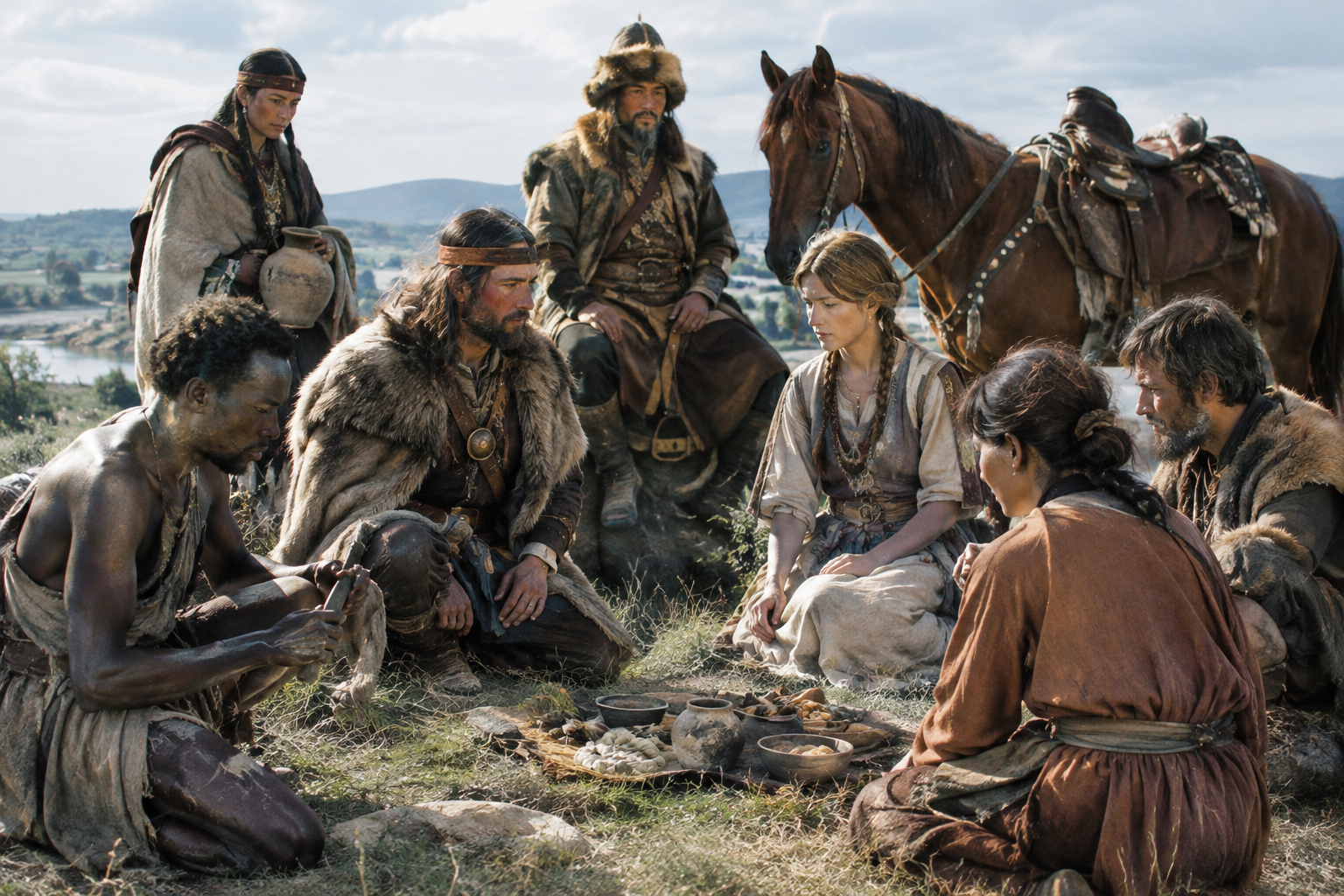
Haplogroup A sits in a rather special place in the Y-chromosome tree. In simple terms, it is one of the deepest-known branches of direct paternal human ancestry, close to the root of the modern human Y lineage. That alone makes it historically fascinating. When people encounter later and more familiar Y-DNA labels linked to medieval dynasties, steppe riders, or Bronze Age chiefs, it is easy to forget that all those lines ultimately rest on a far older paternal framework. Haplogroup A reminds us just how deep that framework is.
It is also a useful corrective. Y-DNA traces one direct paternal line only: father to father to father. It does not represent a person's full ancestry, culture, language, or identity. Still, in the right archaeological setting, it can illuminate movements of men, local survivals, and unexpected connections across great distances. In the case of haplogroup A, the surprise is precisely that a lineage so ancient in the human story appears in ancient DNA from places as far apart as East Africa, the Caucasus, Central Europe, the Mongolian steppe, and Migration Period Hungary.
Because haplogroup A is such an early branch, its story begins in the deep prehistory of modern humans, with its greatest long-term importance often discussed in relation to Africa. Beyond that broad point, caution is essential. The exact pathways by which different branches of A appeared in later ancient populations outside Africa are a matter for careful sample-by-sample analysis, not sweeping assumptions. What the ancient record gives us is not a single neat migration tale but a patchwork of appearances in very different times and places.
That patchwork is what makes the haplogroup so intriguing. Rather than belonging neatly to one later historical people, haplogroup A turns up in contexts that show how complex paternal-line history really is. A lineage can survive at low frequency, move with individuals rather than whole populations, or appear in elite and ordinary burials alike. If you want a broader introduction to how ancient DNA transformed this kind of historical detective work, MyTrueAncestry readers may enjoy the community article below.
The supplied ancient DNA samples show just how widely dispersed this paternal lineage can appear. One especially important case is I0589, from Tanzania Kuumbi Cave South-East African Hunter-Gatherer Zanzibar, dated 619 AD. Kuumbi Cave has become one of those sites that forces us to think beyond simple boxes. This is East Africa, an area central to the deepest history of our species, and the presence of haplogroup A here fits the broad expectation that some of the oldest Y-chromosome branches would have enduring African histories.
But the picture does not stop in Africa. There is also gur016 from Early Iron Age Georgia Nazarlebi, dated 1000 BC. The South Caucasus has long been a crossroads: between steppe and plateau, between Black Sea and Near East, between empire and upland community. A paternal lineage from haplogroup A appearing there is a reminder that the Caucasus was not some sealed genetic world. It was, as so often in history, a place where lineages could persist, arrive, and mingle in ways the written sources only dimly suggest.
Then we have I4947 from Copper Age Prague Jinonice Czech, dated 2225 BC. This is perhaps the most eyebrow-raising sample for readers who assume haplogroup A belongs only to one continent or one ancient setting. Copper Age Central Europe was already a zone of mobility, exchange, and mixture. The appearance of a deep-rooting paternal lineage there does not mean that haplogroup A was common across Europe, nor does it license grand claims about a specific people. It does, however, show that ancient Europe held more paternal diversity than older textbook narratives often allowed.
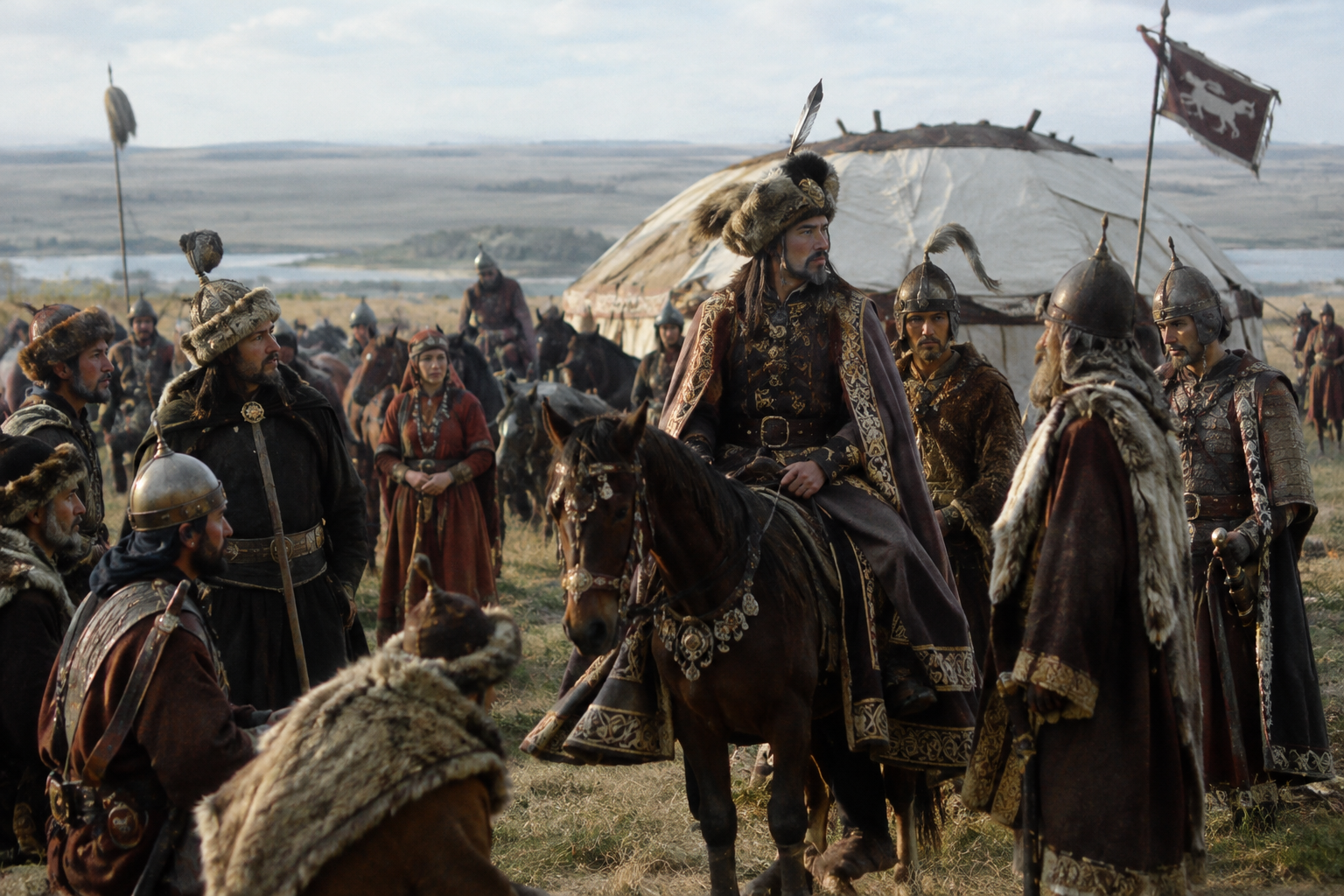
The steppe and Inner Asia add another layer. SBB004, from an Elite Grave Xiongnu Empire Mongolia Khovd, dated 100 AD, places haplogroup A in the orbit of a major imperial formation of the eastern steppe. The Xiongnu world gathered together communities of different origins under a political umbrella that stretched across enormous distances. A single elite grave cannot stand for the whole empire, but it does fit the increasingly clear archaeogenetic picture that steppe polities were often multi-lineage and multi-origin societies rather than biologically uniform blocs.
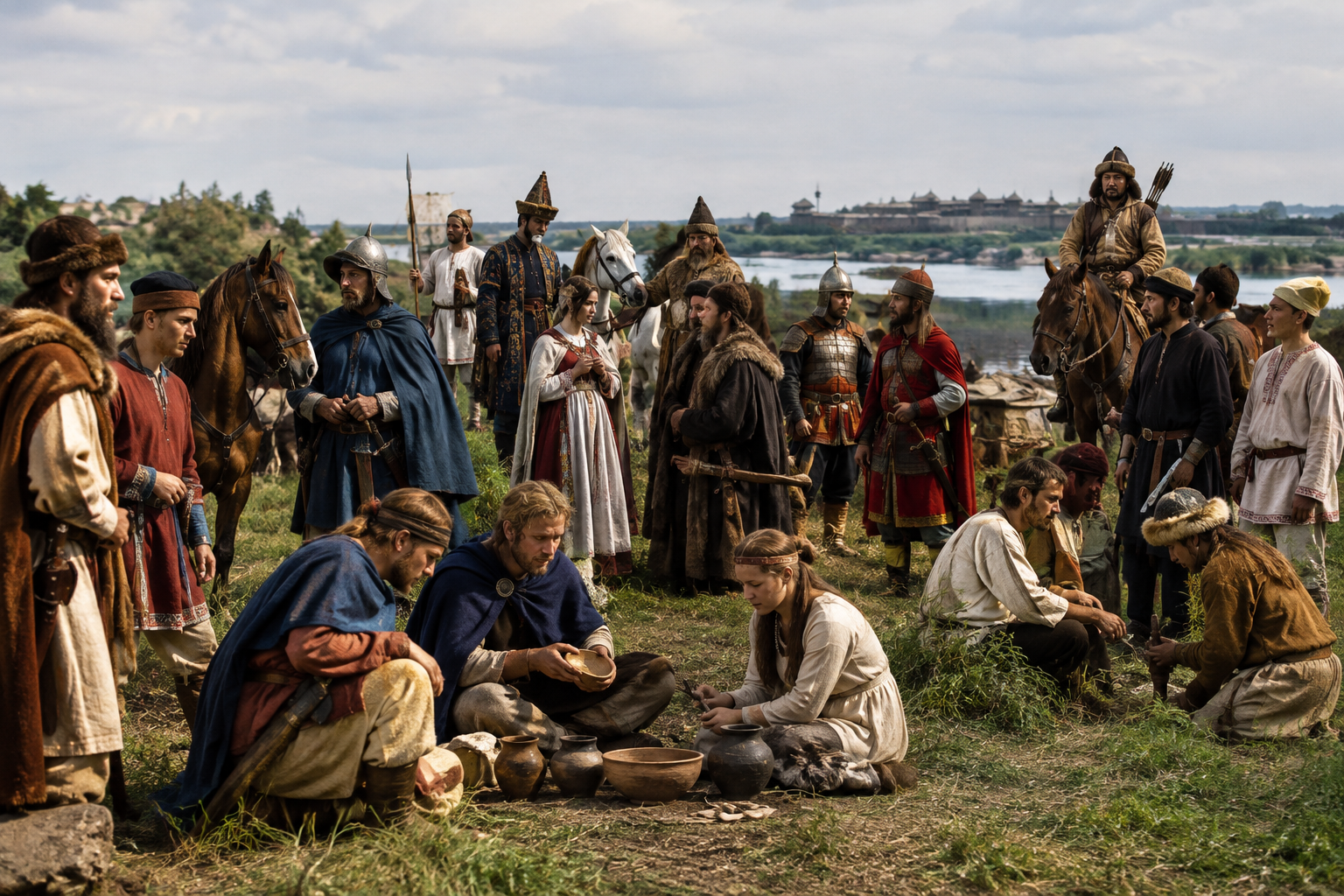
The three Rakoczifalva samples are especially good at bringing this story into a recognisably historical world: RKF236, RKF082, and RKF232, each from Migration Period Hungary Rakoczifalva, dated 650 AD. By the seventh century, the Carpathian Basin was a meeting ground of former Roman provincial populations, incoming steppe groups, shifting military elites, and local communities adapting to new political orders.
What makes these three samples so interesting is not merely that haplogroup A appears there, but that it appears repeatedly at one site. That suggests a real paternal presence in this local setting rather than a one-off anomaly. Still, we must be careful: repeated presence in one cemetery does not automatically tell us whether these men belonged to one close kin group, one ethnic label from the chronicles, or one social stratum. Ancient DNA can show that a lineage was present; archaeology and history must help us understand what that presence meant.
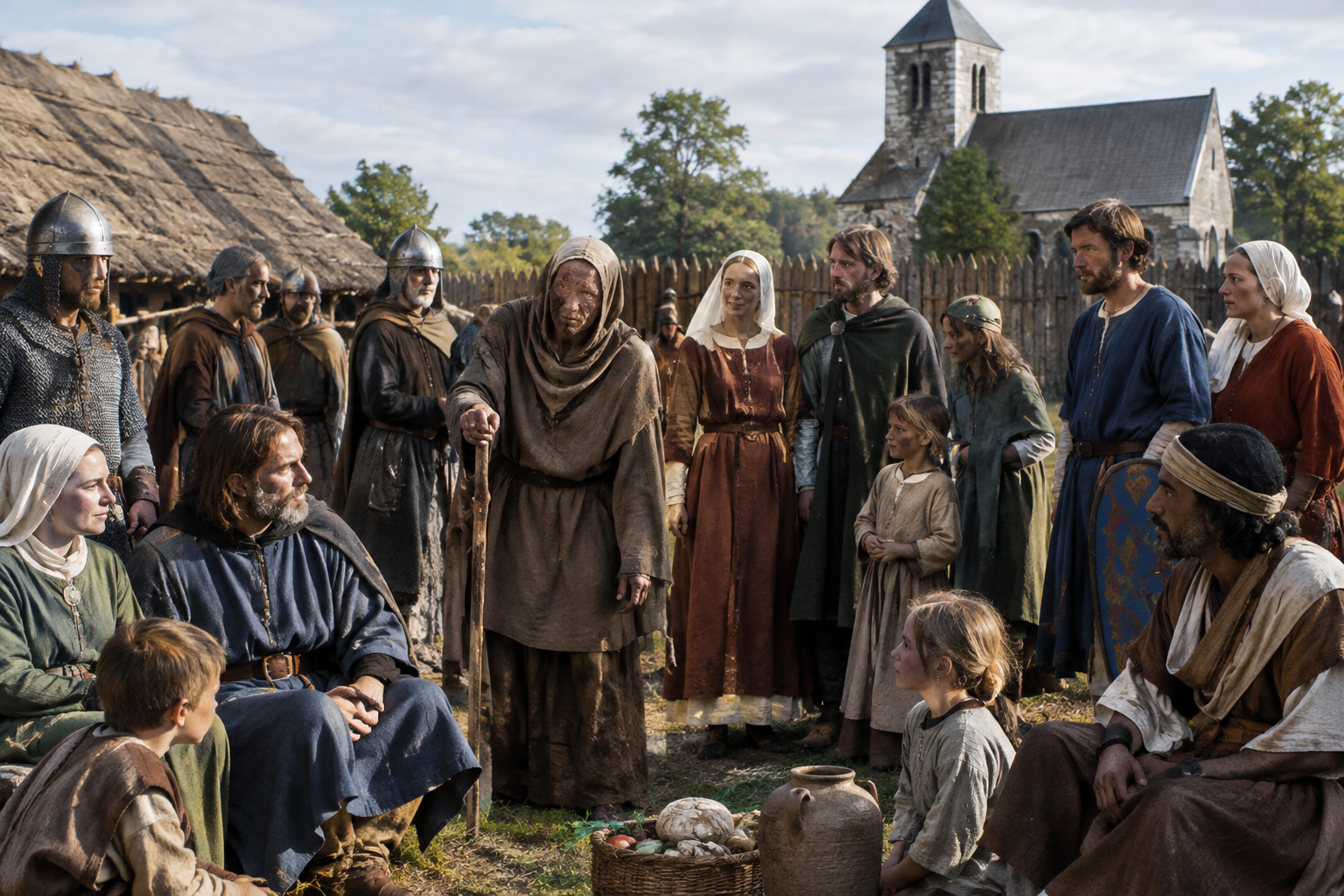
For readers interested in this broader Carpathian Basin setting, the following community article offers a helpful comparison with the post-Roman and early medieval world of the region.
One of the most useful lessons of haplogroup A is that paternal history and historical identity are not the same thing. A Y-line can survive through changing languages, kingdoms, and social worlds. Men carrying the same broad haplogroup may have lived as hunter-gatherers in East Africa, villagers in the Caucasus, Copper Age Europeans, steppe aristocrats, or early medieval men in Hungary. Shared haplogroup does not mean they saw themselves as one people, nor that they were closely related in any recent genealogical sense.
This is where genetics and traditional history work best together. Archaeology tells us about burials, artefacts, diet, and status. Written history tells us about kingdoms, raids, dynasties, and law. Y-DNA adds another perspective: the stubborn continuity, disappearance, and reappearance of male lines across time. It can unsettle easy assumptions. A burial ground that looks culturally coherent may contain diverse paternal origins. An imperial frontier may turn out to be full of men from many backgrounds. A celebrated royal pedigree may rest on only one thread in a much larger ancestral fabric.
The Caucasus example is particularly suggestive here. Readers interested in that region's long chronology should also look at the community article below, which provides useful wider context for the setting in which gur016 appeared.
Explore South Caucasus History
In this case, no associated noble families or castles were supplied alongside haplogroup A. That absence is actually instructive. It prevents a common mistake: leaping from a broad Y-DNA label to claims about a medieval dynasty, a castle-owning lineage, or a famous surname. With a haplogroup as old and phylogenetically deep as A, that would be especially misleading.
Of course, direct paternal lines did continue into medieval and early modern noble society, just as they did into farming villages and mobile steppe communities. But without specific family evidence, no responsible historian or geneticist should claim that a castle, clan, or noble house was "the haplogroup A family." Castles preserve memory, status, and territorial power; they do not by themselves preserve proven Y-chromosome assignments.
That distinction matters because MyTrueAncestry works best when it encourages curiosity without overclaiming. Ancient DNA can place lineages in landscapes and historical periods. Genealogy can trace documented family lines. Sometimes the two meet beautifully. Sometimes they do not. And often the honest answer is that the ancient evidence gives context rather than proof of descent.
Haplogroup A is a fine example of why ancient DNA is so compelling. It links us not to a single tribe, nation, or dynasty, but to the very deep structure of human paternal history. The samples here - I0589 in Zanzibar, gur016 in Georgia, I4947 in Copper Age Prague, SBB004 in Xiongnu Mongolia, and RKF236, RKF082, and RKF232 in Migration Period Hungary - show a lineage appearing in strikingly different worlds. That is the real historical excitement: not a tidy slogan, but the evidence that human populations have always been more complicated, mobile, and interconnected than simple stories suggest.
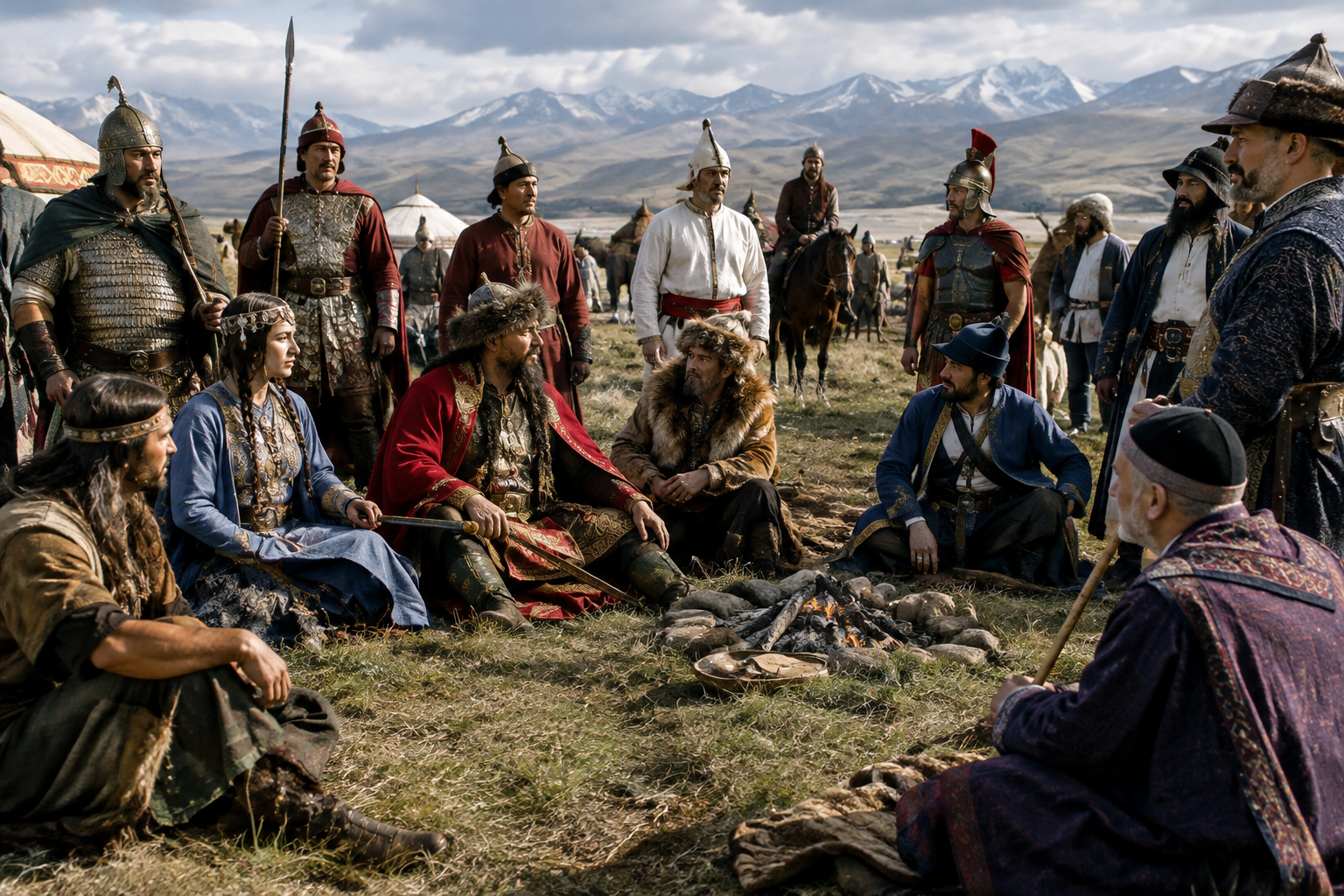
If you want to follow that complexity further, especially where steppe mobility meets the history of Europe, another useful companion piece is the article below.
Explore Huns and Xiongnu Links
Your own Y-DNA, if you are biologically male or have access to a paternal relative's results, is one narrow but powerful line into the past. On MyTrueAncestry, ancient DNA comparisons can help place that line beside real archaeological individuals and historical populations. That does not prove direct descent from any particular ancient sample, still less membership in a noble family. But it can offer a vivid and sometimes surprising perspective on where your paternal ancestry fits into the wider human story.


Comments