The Paston Family
– 3 min read


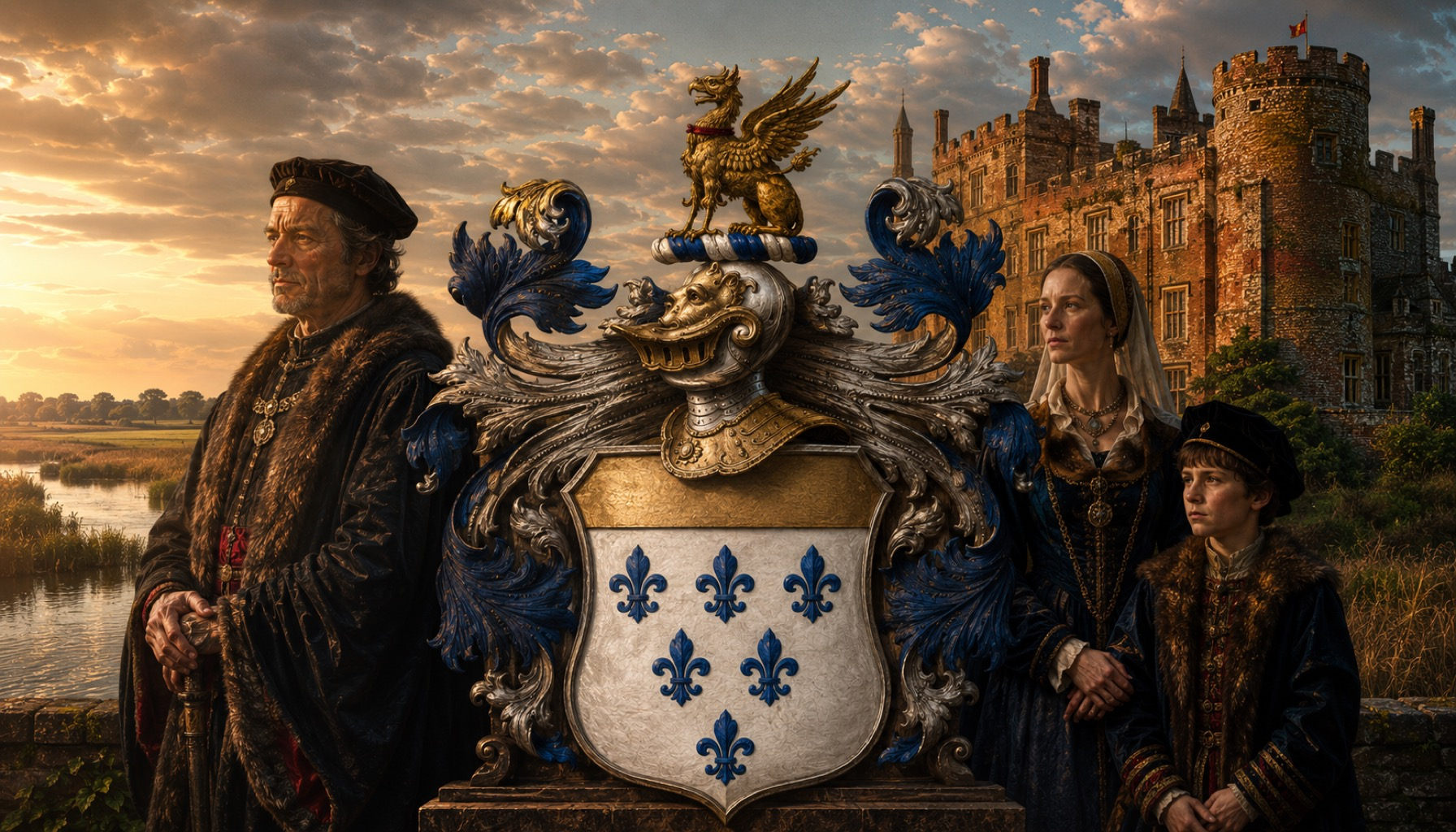
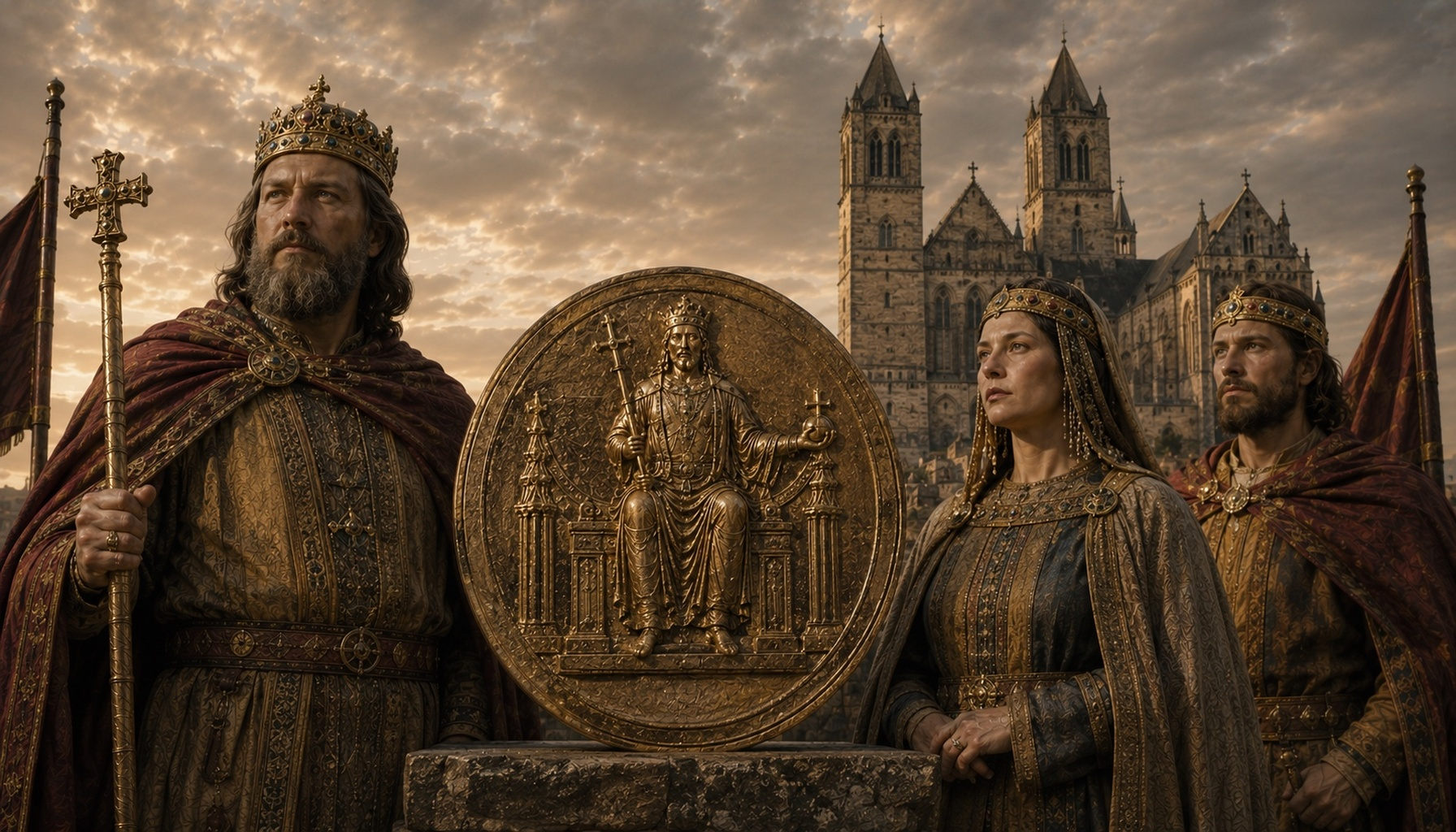
The Paston family was one of the most remarkable gentry houses of late medieval England, rooted in Norfolk and remembered above all through the famous Paston Letters. Those letters make the family feel almost uncannily close: here are people arguing over inheritances, arranging marriages, defending property, worrying about servants, petitioning powerful patrons, and trying, always, to hold their place in a difficult world. In haplogroup terms, the primary family line here is tagged as I2a1b2a2a2b, a lineage with a deep European story behind it.
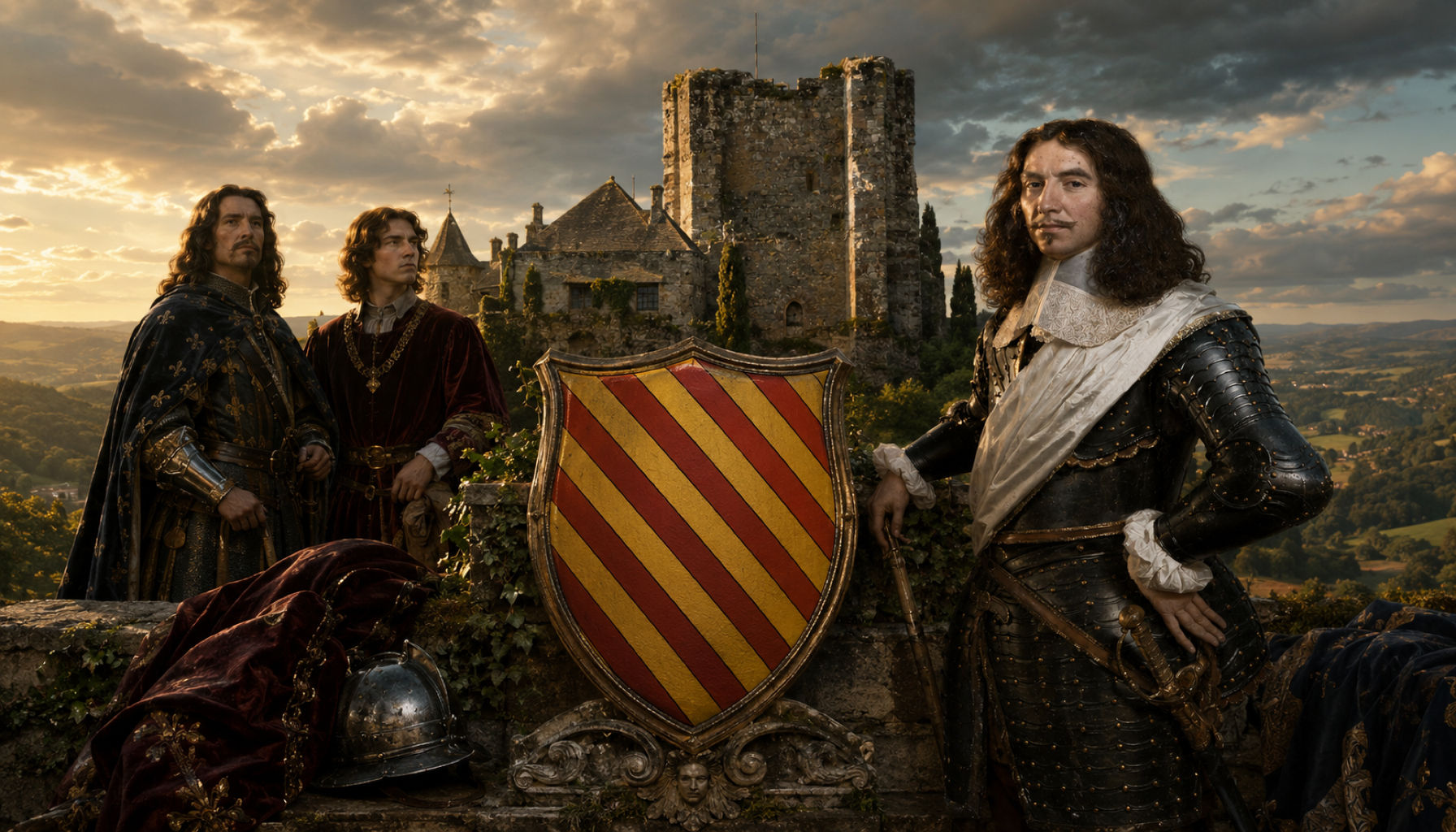
The family took its name from the village of Paston in Norfolk, on the east coast of England, and rose in the changing social landscape of the fifteenth century. This was not an old magnate dynasty resting on ancient feudal glory. The Pastons were a family whose position was built through law, education, land acquisition, careful marriage strategy, and relentless attention to documents and rights. William Paston (1378-1444), a judge and the great architect of the family fortune, helped establish their standing; John Paston I (1421-1466) fought to preserve and enlarge it amid bitter legal disputes; and Sir Clement Paston (1515-1597), in the Tudor age, carried the family name into a rather different world of royal service and maritime defence. Their story is, in miniature, the story of the English gentry becoming a decisive force in national life.
The great location anchor for the family is Oxnead Hall, at Oxnead in Norfolk, which became one of the principal Paston seats. Oxnead lies in the Bure valley landscape, a region of waterways, rich farmland, parish churches, and manor houses that formed the social geography of East Anglian power. The house known from the great Paston period was developed into an impressive country seat, and the church of St Michael at Oxnead became closely associated with the family, containing important Paston monuments. Although the grand hall itself does not survive in its medieval and early modern fullness, the site remains historically important, and Oxnead Church, with its Paston connections, is a meaningful place to visit today for anyone interested in the family. In that sense, Oxnead is still visitable, not as a complete standing mansion of the fifteenth century, but as a real and tangible historic setting where the Paston presence can still be felt.
The Paston family haplogroup I2a1b2a2a2b also sits within a much wider human story, and related or linked ancient DNA samples help give that lineage some chronological depth. Among useful comparisons are MBG008 from the elite Celtic burial at Magdalenenberg, Villingen-Schweningen in Germany; ATP_PSN_522 from the medieval Augustinian Friars in England; I7959 from Early Bronze Age Czechia at Praha-Stodulky-Mala Ohrada, associated with the Unetice world; BRC039x from Migration Period Saxony-Anhalt; poz498 from Bronze Age Karczyn in Lower Silesia; poz720 from Bronze Age Pielgrzymowice Grave 669 in Silesia; I11590 and I20641 from the Early Anglo-Saxon cemetery at West Heslerton in Yorkshire; I17327 from Iron Age Prague in Central Bohemia; ELW030, a post medieval plague victim from Ellwangen in Germany; SRA62 from Mesolithic Sramore, Leitrim, Ireland; and the famous Cheddar Man from Somerset, England. None of these should be treated as direct ancestors of the Pastons without specific proof, but they do show how a related paternal lineage appears across very different times, places, and cultural settings, from prehistoric Europe to medieval England.
If the Pastons remind us of anything, it is that family history lives in both documents and DNA. The letters preserved one gentry household in extraordinary detail, while haplogroups connect families to a much deeper human past. If you want to explore those deeper links for your own ancestry, upload your DNA to MyTrueAncestry and see which ancient samples and historic populations may be related to your genetic story.


Comments