The House van Tuyl
– 3 min read


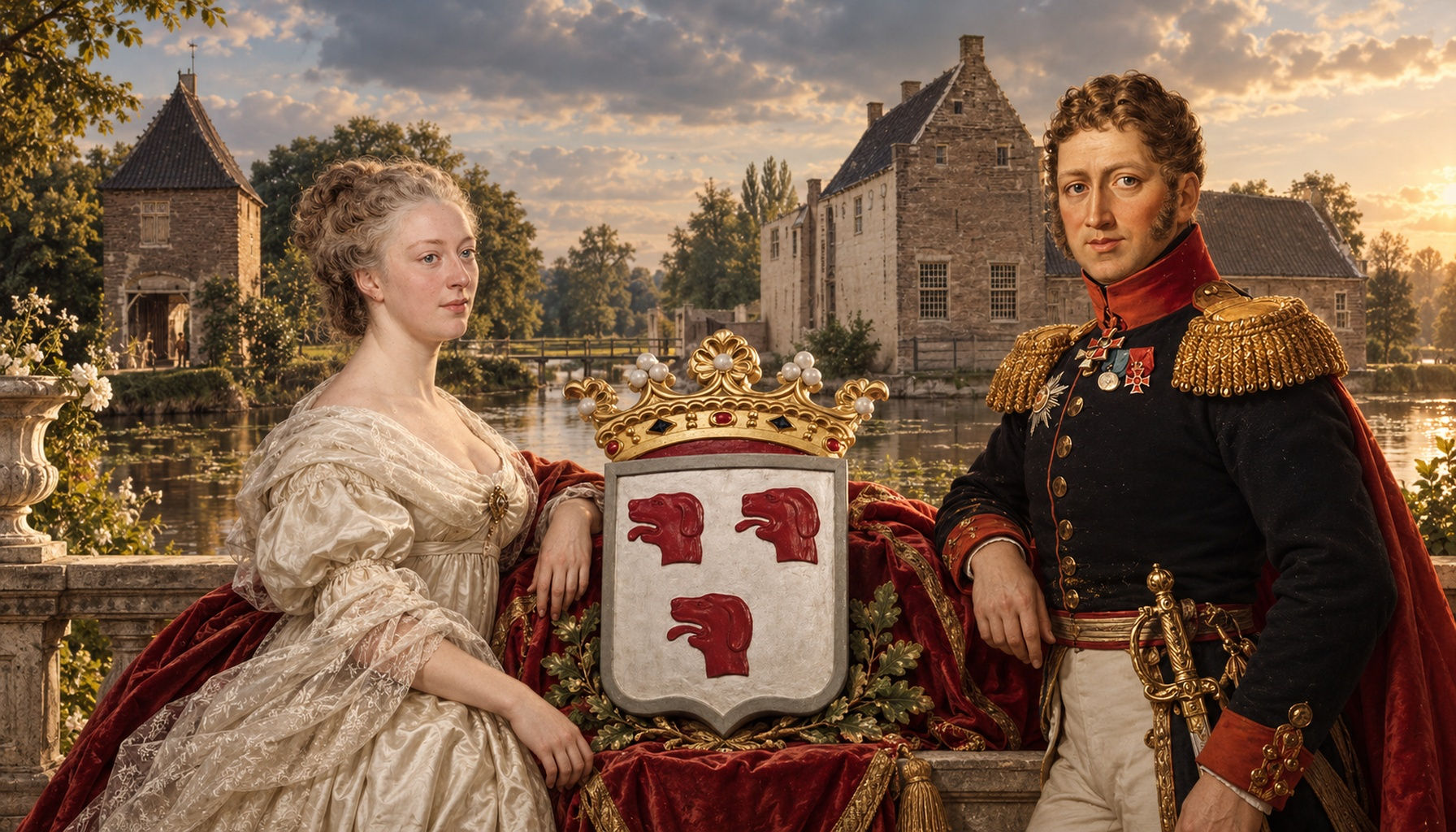
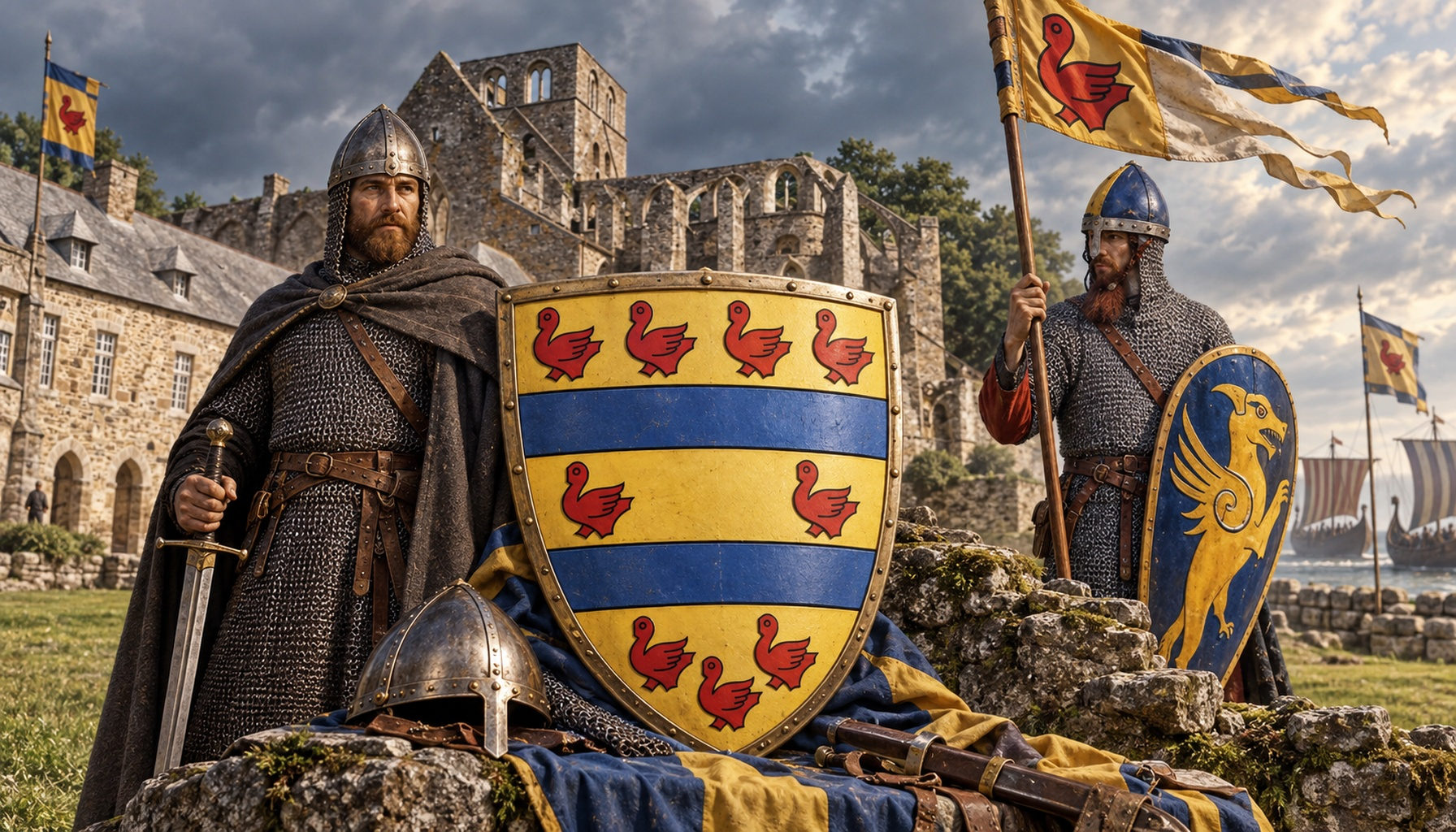
The House van Tuyl was a medieval Dutch noble lineage rooted in Gameren and the river lands of Gelderland, part of that intricate low-country world where power was not held in grand capitals so much as in estates, dikes, rights, alliances, and fortified homes. Their name belongs to the old territorial style of nobility: van Tuyl, literally tied to place, status, and landed memory. In genetic tagging terms, the primary family haplogroup associated here is R1b1a1b1a1a2a, a paternal line found widely across parts of western and central Europe. Haplogroups: R1b1a1b1a1a2a.
What makes the van Tuyl family so recognisably medieval Dutch is not simply noble rank, but the pattern of life they represent. This was a lineage that grew within the knightly society of the medieval Netherlands, where inheritance, marriage strategy, military obligation, and service to regional lords all mattered enormously. Early records connect the family with Gameren and nearby territories, and over generations they appear as part of the political and landed fabric of Gelderland. Figures such as Ghijsbrecht van Tuyl (1345-1383), Arnt van Tuyl (1383-1442), and Reyner van Tuyl (1436-1468) stand within that longer story of estate continuity and local influence, reminding us that noble history here was not only about titles, but about maintaining position in a landscape shaped by rivers, lordship, and negotiation.
Explore the House of van der Merwede
The great location anchor for the family is the Castle of Gameren, or Kasteel Gameren, which stood at the heart of their local world. The site was historically linked to the lords of Gameren and formed part of the defensive and administrative network of the Bommelerwaard, that river-bound region hemmed in by major waterways and all the opportunities and dangers they brought. As with so many Dutch castles, this was not just a romantic stronghold with towers for the sake of towers. It was a working seat of seigneurial authority, a base from which land, justice, dues, and loyalties could be managed. The castle underwent changes over time, and like much aristocratic architecture in the Netherlands it was shaped by both conflict and adaptation in a watery, politically crowded landscape. The historic site of Gameren can still be identified and the surrounding village remains visitable today, even if visitors should check current local access and heritage conditions for what is practically open on the ground.
Explore DNA on the Lower Rhine frontier
The haplogroup R1b1a1b1a1a2a linked with the House van Tuyl sits within a very old and very widespread western European paternal story. Related or linked ancient DNA examples appear across an extraordinary range of contexts: Bell Beaker and Bronze Age samples from the Netherlands such as De Tuithoorn and Oostwoud; elite Celtic burials in Germany including Magdalenenberg, Asperg-Grafenbuehl, Hochdorf, and Ludwigsburg Roemerhuegel; Iron Age and Roman era individuals from Britain such as the Durotriges of Winterborne Kingston, Cambridgeshire Roman burials, and later medieval English samples; medieval and Dark Age individuals from Las Gobas in northern Spain; and even Lombard and migration-period graves from Italy and central Europe. That does not prove direct descent from any one of these people, of course. What it does show is that the van Tuyl haplogroup belongs to a durable paternal lineage moving through Bell Beaker, Bronze Age, Iron Age, Roman, early medieval, and medieval European worlds, including several settings associated with warrior elites, local aristocracies, and frontier societies.
Read about Bell Beaker expansion in the Lower Rhine-Meuse region
If the House van Tuyl catches your imagination, that is probably because it opens a window onto something bigger: how medieval families in the Netherlands held on to land, memory, and status across generations in a difficult but fertile river landscape. If you have tested your DNA, you can upload it to MyTrueAncestry to see whether you match the House van Tuyl profile or any of the related ancient DNA samples connected with haplogroup R1b1a1b1a1a2a.

Comments