Haplogroup R1b1a1b1a1a2a1a1a

– 5 min read


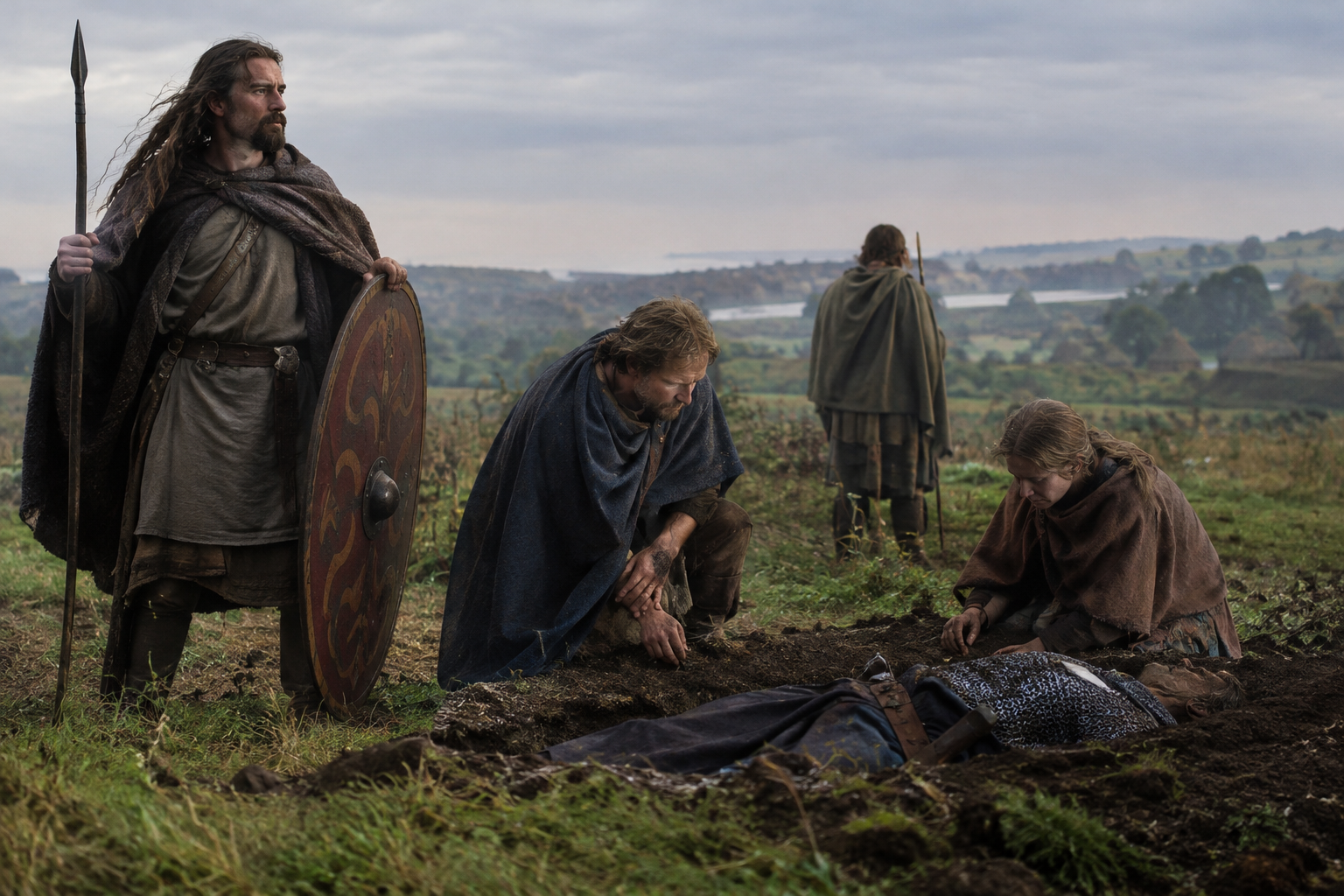
At Sedgeford in Norfolk, three men dated to around AD 760 - catalogued as SED018, SED020, and SED021 - place the Y-DNA haplogroup R1b1a1b1a1a2a1a1a in a very specific early medieval landscape: coastal eastern England, in the centuries after the Anglo-Saxon kingdoms had taken shape. One of them, SED020, is identified as a battle victim, which immediately gives the lineage a sharper archaeological outline. This is not an abstract branch on a phylogenetic tree, but a paternal line found among people living, and in one case dying violently, in a documented Anglo-Saxon setting.
What makes this more interesting is that the same haplogroup also appears much earlier in Iron Age eastern Gaul, in sample CGG023685 from Parancot, associated here with Gallic France and dated to around 579 BC. That does not mean one excavated man was the ancestor of the others, nor that a single unbroken local dynasty can be drawn across more than a millennium. But it does show that this paternal line belonged to men moving through two very important historical worlds: late pre-Roman Celtic Europe and early medieval England.
The Sedgeford evidence is the clearest concentration in this group. Three individuals from the same broad place and date - SED018, SED020, and SED021 - are all associated with the haplogroup featured here. That matters because repeated finds at one site suggest a lineage that was not a one-off arrival in the burial record. It was present often enough to appear more than once in a local community.
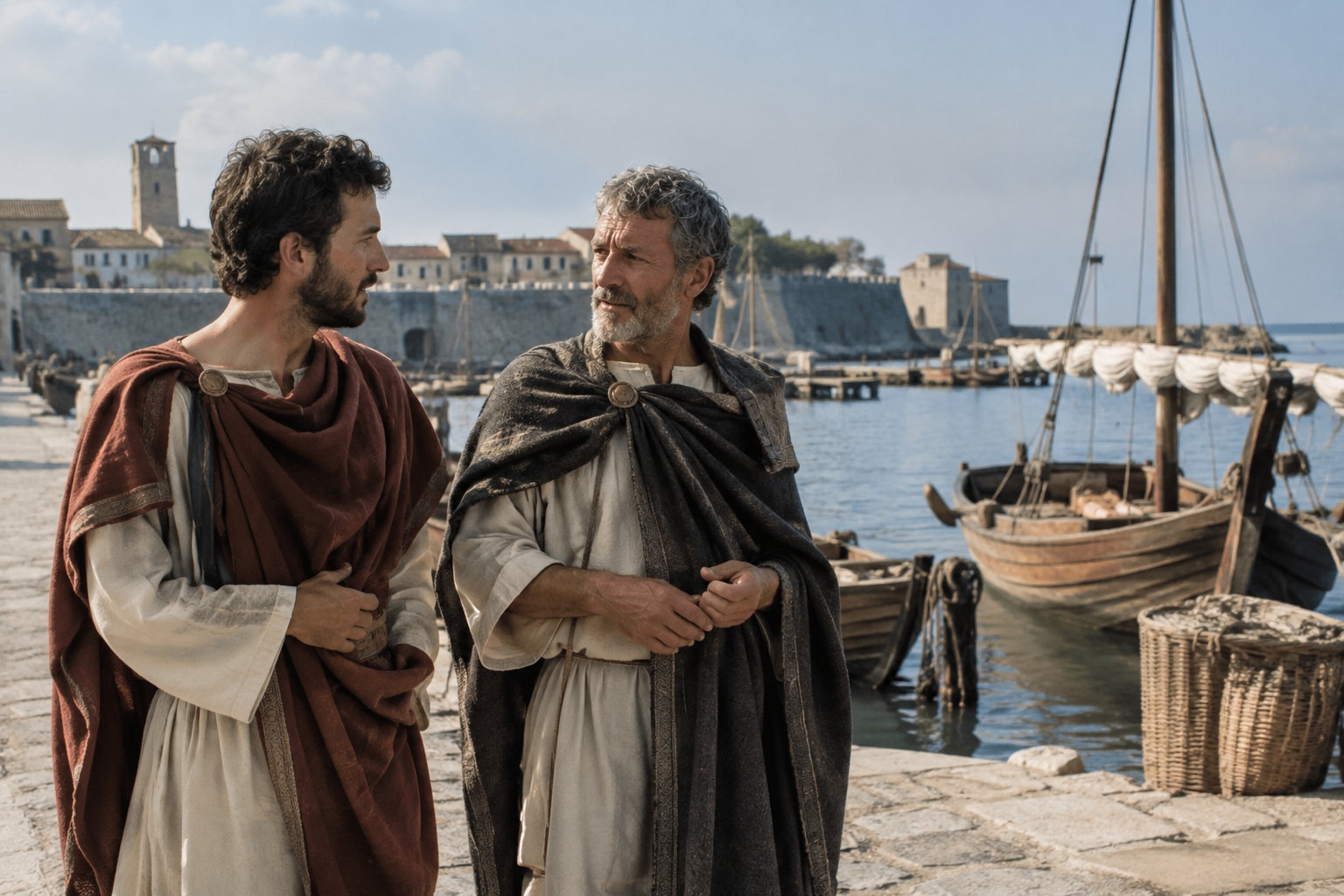
Sedgeford is well placed for a story about mobility and settlement. Norfolk sat within a North Sea world linking eastern Britain to the continental coast, and early medieval cemeteries in this region often reveal populations shaped by both local continuity and migration. A major ancient DNA study of early medieval England, published in PNAS, helped establish just how mixed and regionally varied that Anglo-Saxon formation could be. The value of the Sedgeford men is that they anchor this haplogroup inside that broader historical process.
SED020 deserves special attention because he is described as a battle victim. Archaeology rarely lets us connect a paternal lineage to a moment of conflict so directly. We should not invent the circumstances of his death, or assume that all the men from Sedgeford were close paternal relatives, but the combination of site, date, and context shows this branch in a society where warfare, lordship, and local allegiance were very real features of life.
R1b1a1b1a1a2a1a1a is a very specific terminal-style label within the much larger R1b family, one of the major Y-chromosome groupings in western Europe. Y-DNA follows one line only: father to son to son across generations. So when this branch turns up in ancient graves, it tells us about a direct paternal thread, not the whole ancestry, language, or identity of the individual carrying it.
That distinction is especially important here. An Iron Age man in Gaul and several early medieval men in Norfolk may share this paternal branch, but they belonged to different political and cultural worlds. The older sample sits in a Celtic-speaking region before Roman conquest; the later cluster belongs to Anglo-Saxon England. The haplogroup links paternal descent, while archaeology explains the very different societies in which that descent was embedded.
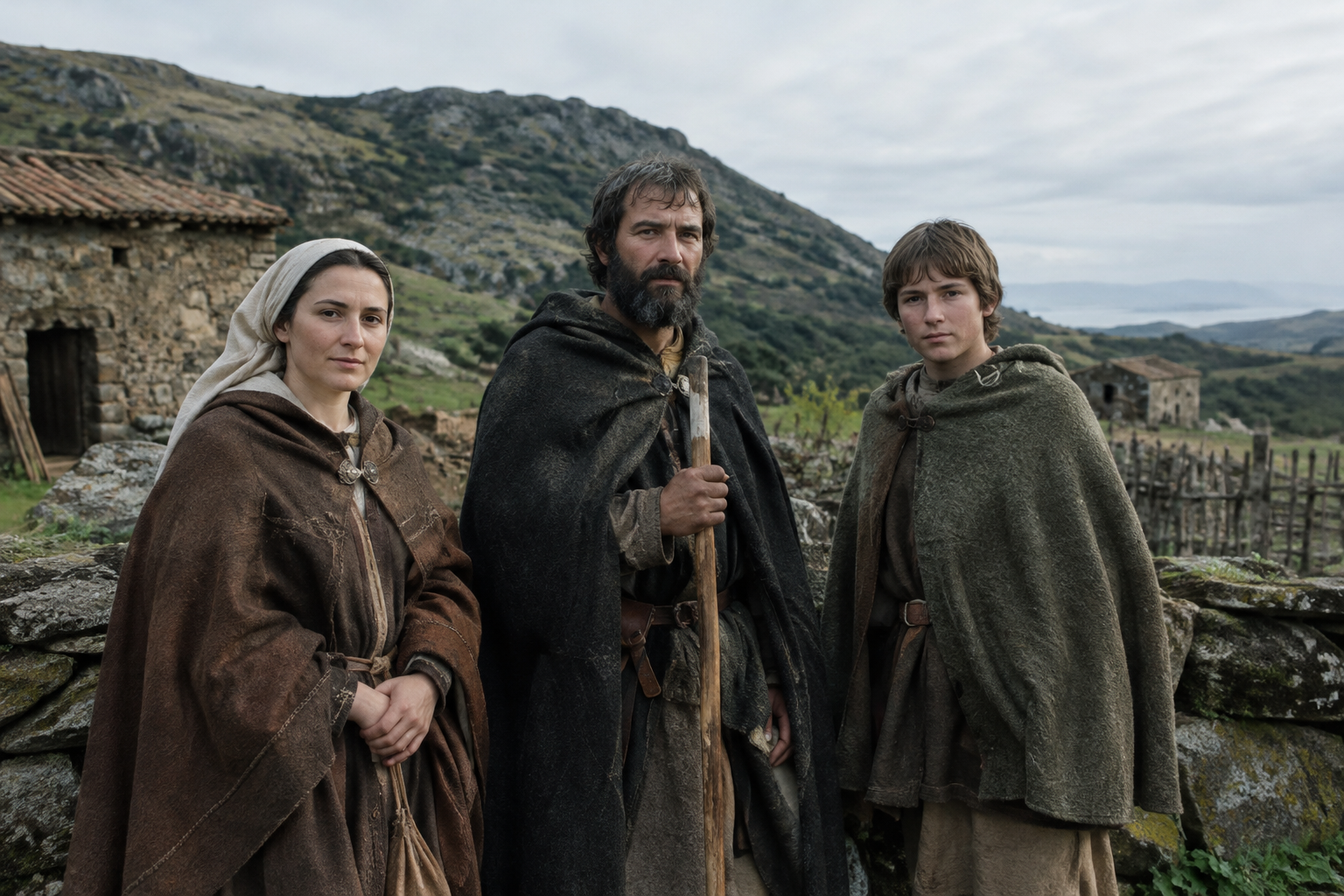
The earliest sample in this set, CGG023685, is assigned to Parancot in Gallic France and dated to around 579 BC, with an association to the Sequani tribe. That tribal label should be handled cautiously, because archaeological regions and later historical ethnonyms do not always match neatly. Still, eastern Gaul in the late first millennium BC was a landscape of emerging oppida, exchange networks, and communities that classical authors would later describe as part of the Celtic world.
What CGG023685 adds is time depth. This haplogroup was present in continental western Europe well before the Roman Empire and long before the formation of England. In other words, the branch was not born in an Anglo-Saxon cemetery. Its appearance in Norfolk centuries later fits a larger pattern in which some paternal lines moved, persisted, and were repeatedly reshuffled through Iron Age, Roman, and post-Roman population history.
A more recent ancient-DNA preprint on Celtic populations and language spread, available at bioRxiv, points to exactly the sort of wider research background into which finds like Parancot now fall: not a simple tale of one people replacing another, but a long and regionally varied history of related lineages appearing in different archaeological settings.
Placed side by side, Parancot and Sedgeford show something archaeologists increasingly have to reckon with: paternal continuity can outlast cultural transformation. Between roughly 579 BC and AD 760, northwestern Europe saw the rise of La Tene societies, Roman conquest, the collapse of Roman administration in Britain, migration across the North Sea, and the consolidation of early English kingdoms. Yet a branch such as R1b1a1b1a1a2a1a1a can be found at both ends of that sequence.
That does not license a romantic straight-line story from "the Celts" to "the Anglo-Saxons." It does, however, suggest that some Y-chromosome branches were widespread enough in western Europe to pass through multiple historical transitions without disappearing. The significance of this haplogroup lies less in any single ethnic label than in its presence across major turning points in European history.
Norfolk is particularly revealing in this respect. Eastern England was one of the main zones where continental ancestry entered post-Roman Britain, but it was never populated by genetics alone. Communities were made by intermarriage, social alliances, language shift, and local adaptation. A paternal line could be old in Europe and still become part of a distinctly Anglo-Saxon historical setting centuries later.
Roman to early medieval Britain
Ancient DNA articles often feature a single striking burial, but here repetition is the real story. Three Sedgeford men linked to the same haplogroup - including one battle victim - make this lineage feel less like an isolated statistical blip and more like part of the social fabric of one place. Even without claiming close kinship, that recurrence suggests a paternal branch established enough to register several times in the cemetery record.
For family historians, this is often the most useful sort of evidence. Not fame, not a royal pedigree, but ordinary historical presence: men of the same Y-lineage living in early medieval Norfolk, in a region central to the making of England. That is a much more grounded insight than trying to force a connection to later noble houses without evidence.
The most distinctive thing about R1b1a1b1a1a2a1a1a in the present evidence is its appearance in both Iron Age Gaul and early medieval eastern England, with an especially notable cluster at Sedgeford. That combination places the branch within a long western European paternal history that survived enormous political and cultural change. If this is your Y-DNA line, the strongest responsible takeaway is not a claim to one tribe or one kingdom, but a documented connection to the kind of paternal ancestry found among men in Celtic-period Gaul and in Anglo-Saxon Norfolk.

Comments