Volcae Discussion
– 1 min read


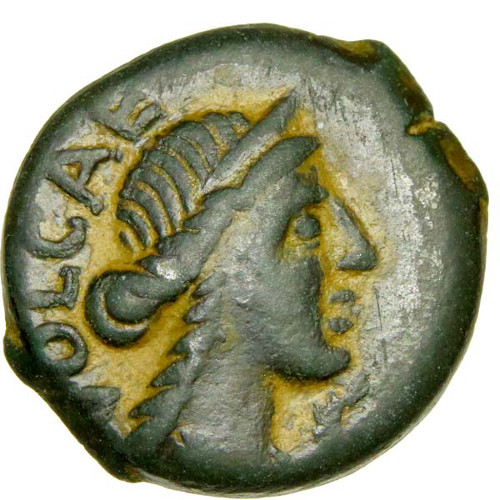
This Gallic tribal confederation took part in the invasion of Macedonia and fought Greeks at the Battle of Thermopylae at 279 BC. Driven by highly mobile groups operating outside conventional tribal systems, the Volcae were a key part of the Celtic military expansion starting in the 3rd century BC. Caesar, Strabo and Ptolemy have all written about the Volcae - they had at one time excelled the Germanic tribes in prowess and waged offensive war on them - as well as established colonies over the Rhine. Caesar was in fact convinced they had originally come from across the Rhine. Strabo meanwhile correctly recognized their base at Narbonne. The eastern Volcae were known as the Arecomici who lived among the Lugurians and the Tectosages who lived among the Aquitani. When the Roman Republic conquered the eastern Volcae, the west remained free for almost another hundred years until the arrival of Julius Caesar. Volcae settlements far away in Moravia remained highly influential - and allied with the Boii and Danubian tribes to control a highly active network of trade routes connecting the Mediterranean and German lands.

Comments