The House of Meyrick
– 3 min read


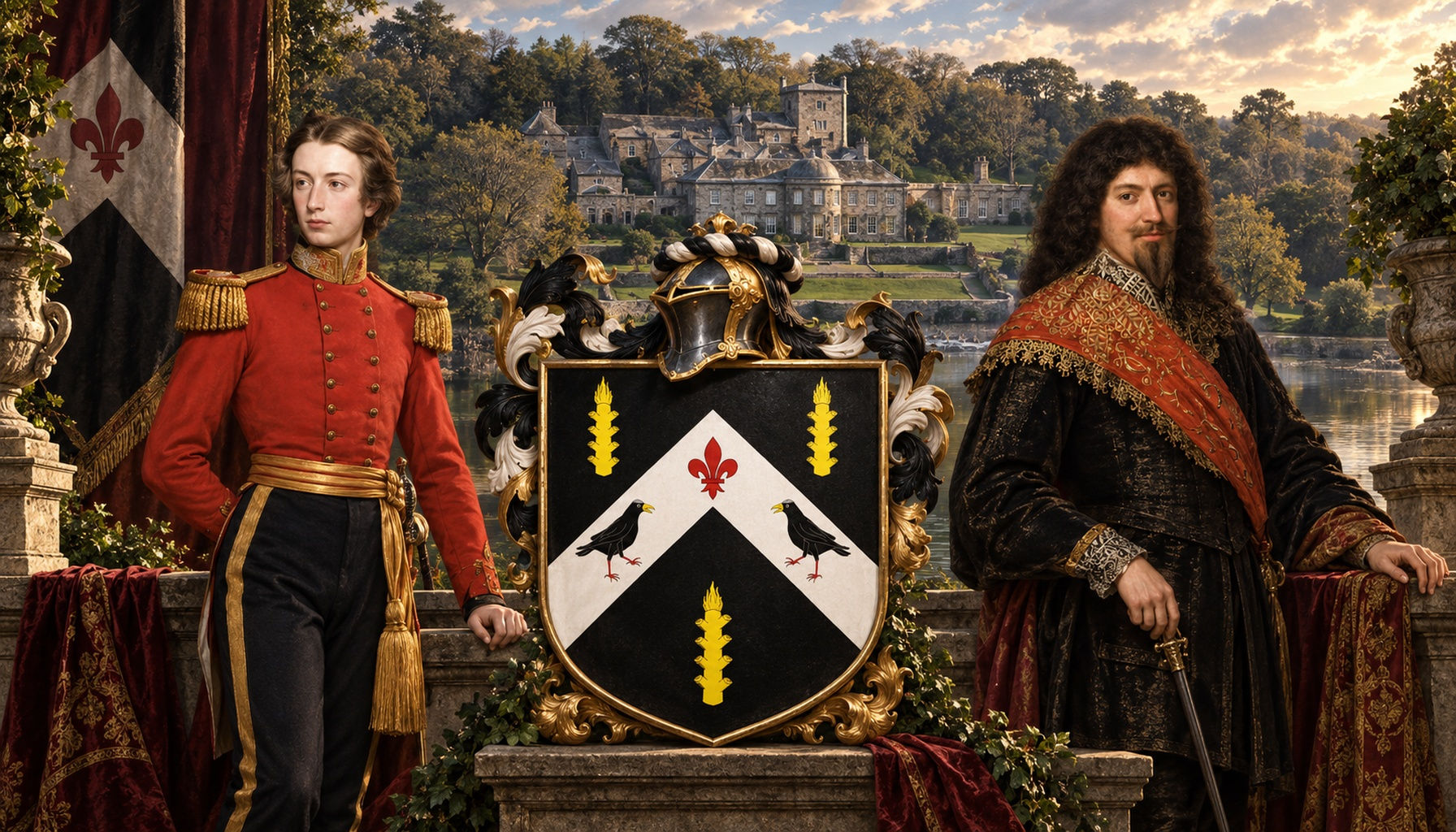
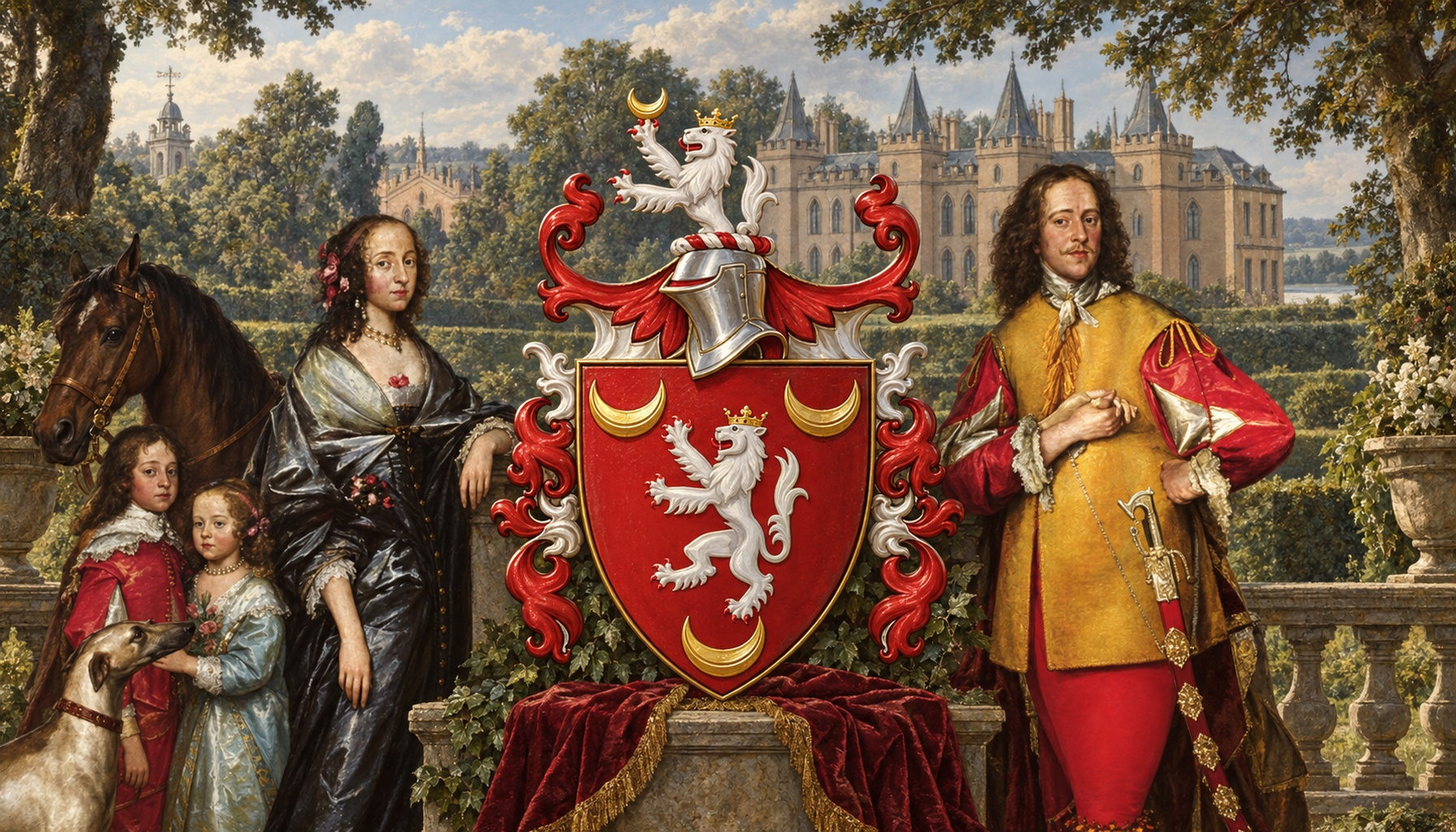
The House of Meyrick was one of the notable historic families of the Welsh gentry, rooted especially in Anglesey and long associated with Bodorgan Hall. In genetic tagging terms, the primary family haplogroup linked here is R1b1a1b1a1a1b1a1a, a branch within the great western European R1b story. That does not prove every Meyrick line carried the same paternal signature, of course, but it gives us a useful way of thinking about the family in the wider landscape of ancestry, identity, and deep time.
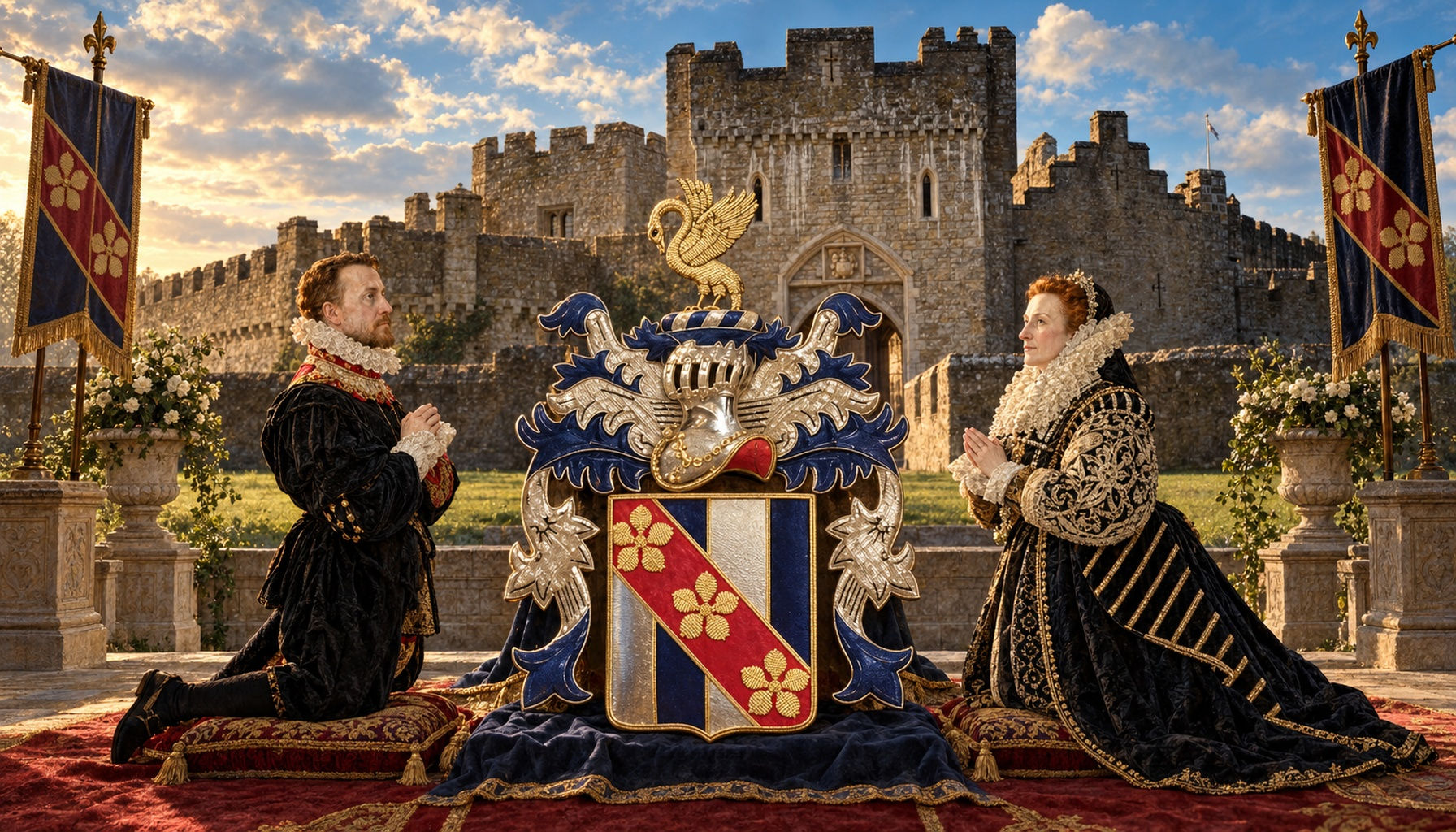
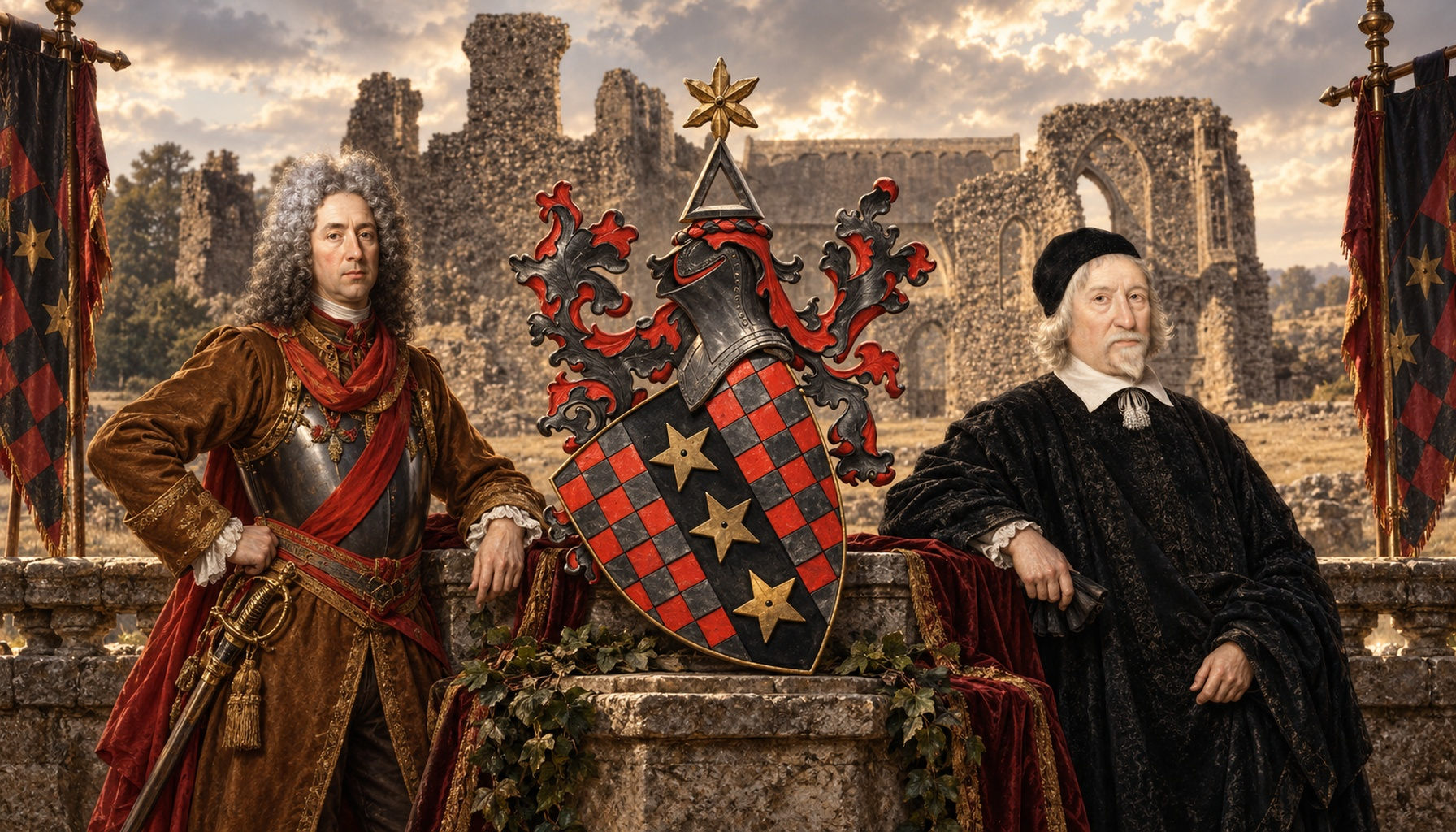
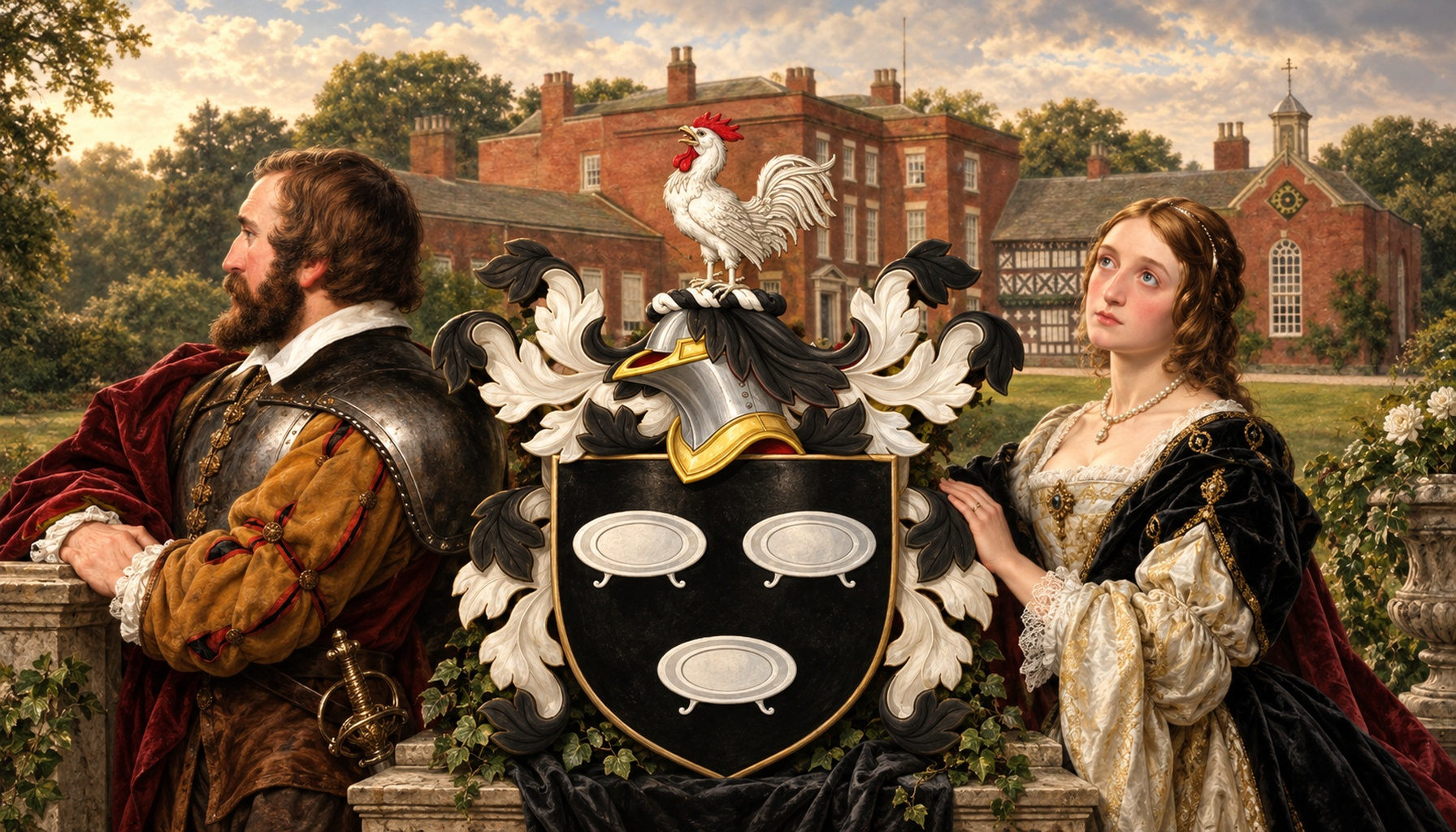
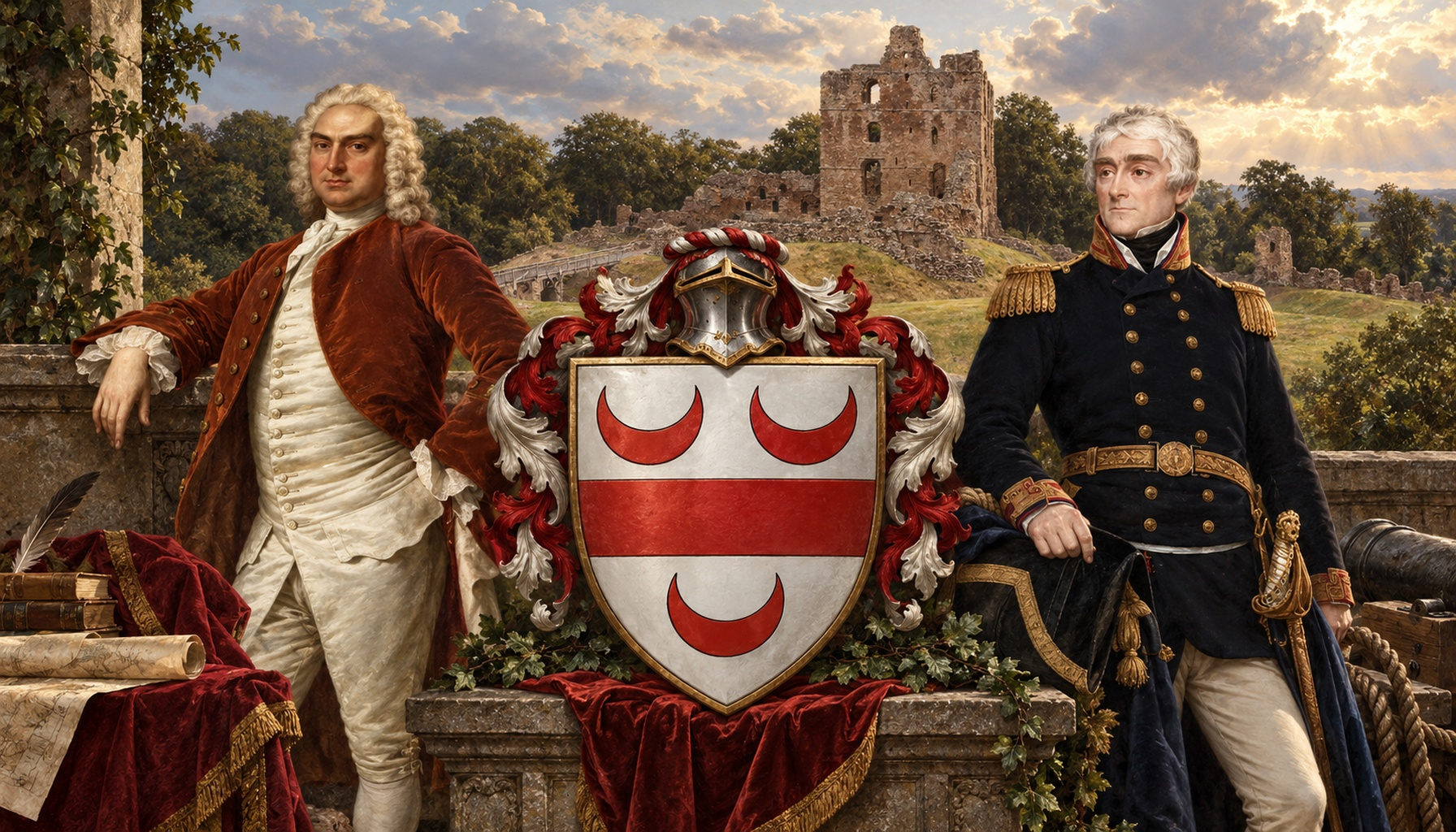
The Meyricks emerged from the world of old Welsh pedigree and local power, where status was built not just by birth but by holding land, serving the church, acting in law, taking up military roles, and working within royal administration. This is precisely what makes them so interesting historically: they stand at that moment when older Welsh kin-based traditions were being folded into the more formal landed order of Tudor and early modern Britain. Figures such as Rowland Meyrick, Bishop of Bangor (1505-1566), Sir Gelli Meyrick (1556-1601), and Edmund Meyrick (1636-1712) show the family moving through religion, politics, estate life, and public duty with all the opportunities and dangers that came with service to crown and country.
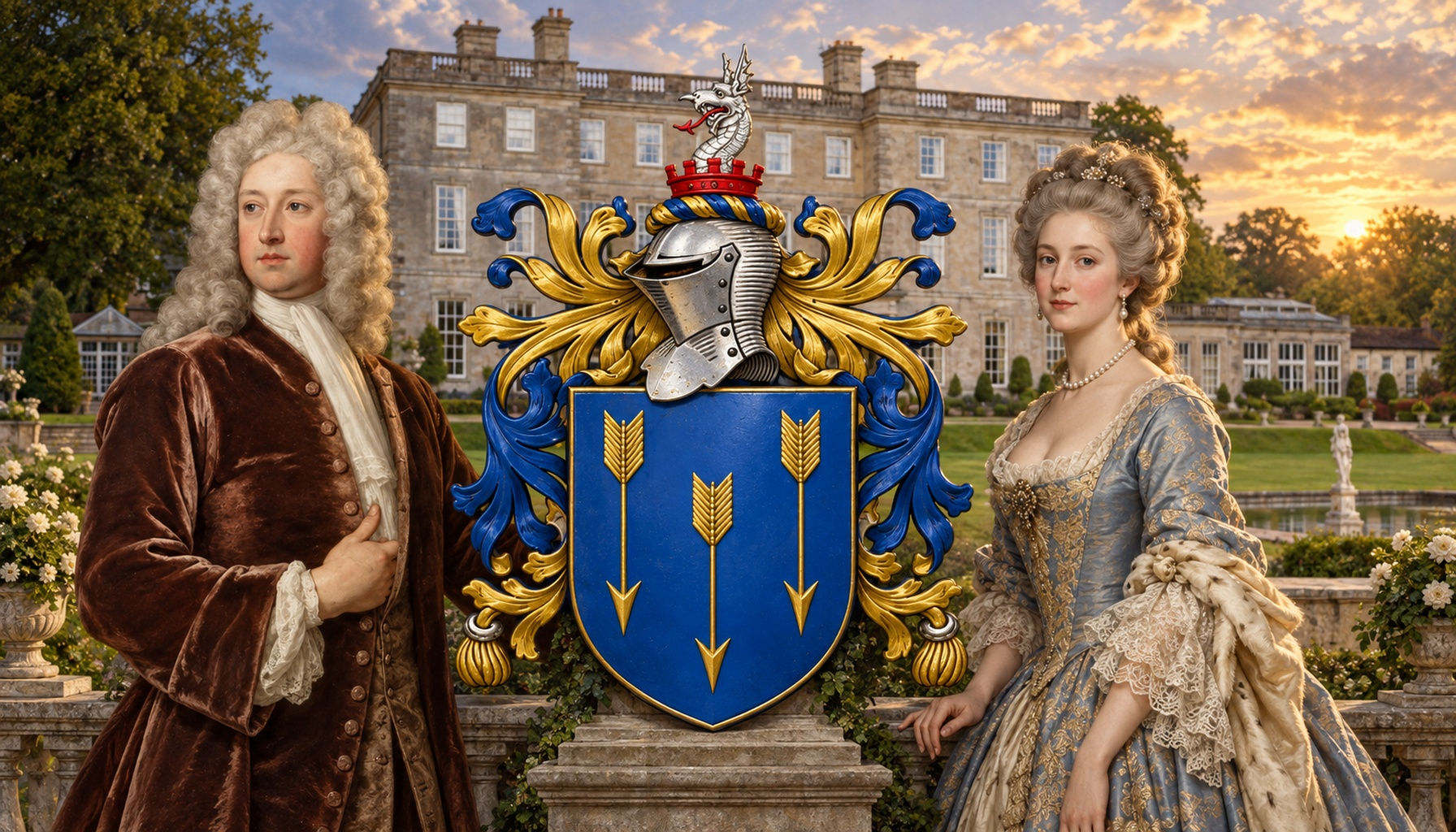
Bodorgan Hall became the great location anchor of the Meyrick story, on the Bodorgan estate in Anglesey, and it remains the place most strongly tied to the family name. The estate developed over centuries into one of the significant landed seats in north Wales, and the present hall is largely an eighteenth-century country house with later additions, set within a substantial parkland landscape. The wider estate is also known for its remarkable setting near the dunes and coast at Malltraeth, with views toward Eryri, and for features such as parkland, woodland, and the broader historic grounds that made Bodorgan more than just a residence: it was a statement of continuity, standing, and local authority. The hall itself has passed through later aristocratic ownership, but the Meyrick connection remains central to its historical identity. The estate and its surroundings can still be visited in a reasonable sense today, especially through the public access associated with parts of the grounds and the nearby coastal landscape, even if the house itself is not simply a casual walk-in monument in every period.
From an ancient DNA perspective, the Meyrick haplogroup tag R1b1a1b1a1a1b1a1a links the family into a much broader northwestern European and North Sea world rather than to any single named medieval ancestor. Related or linked samples assigned to this branch include individuals from the Merovingian period at Moemlingen, Germany (Mln27); Viking Age Sweden at Uppsala Gammelbyn Brstil (gam872); several Iron Age and Danii-associated sites in Denmark including Varpelev (CGG107411), Hastrup (CGG107419), Mosede Mose (CGG107489), Mosede Fort (CGG107495), Kalundborg Simonsborg (CGG106728), Sanddal (CGG019442), Engbjerg (CGG019091), and Allerslev (CGG107387); as well as pre-Viking and Viking-era finds from Norway, Sweden, Orkney, the Isle of Man, England, Iceland, and beyond, including VK170, VK204, VK259, VK418, VK449, HAD006, kro001, and VDP-A7. These are best understood not as direct Meyrick ancestors proven by record, but as genetically linked reference points that help sketch the older population background out of which later families of Britain and Wales emerged.
Explore Ancient DNA in Post-Roman Britain
The House of Meyrick is a fine example of how a Welsh family could preserve pedigree, accumulate estates, serve church and state, and adapt successfully to the changing rules of power from the Tudor age onward. If you have Meyrick roots, Welsh ancestry, or simply an interest in how family history meets archaeology and genetics, you can upload your DNA to MyTrueAncestry and see whether you match the Meyrick family profile or related ancient DNA samples from Britain, Scandinavia, and the wider northern European world.
Comments