Persistent Forager Ancestry and the Rise of Bell Beaker Peoples in the Lower Rhine–Meuse Region

– 6 min read


Persistent Foragers and Bell Beaker Expansions in Northwestern Europe
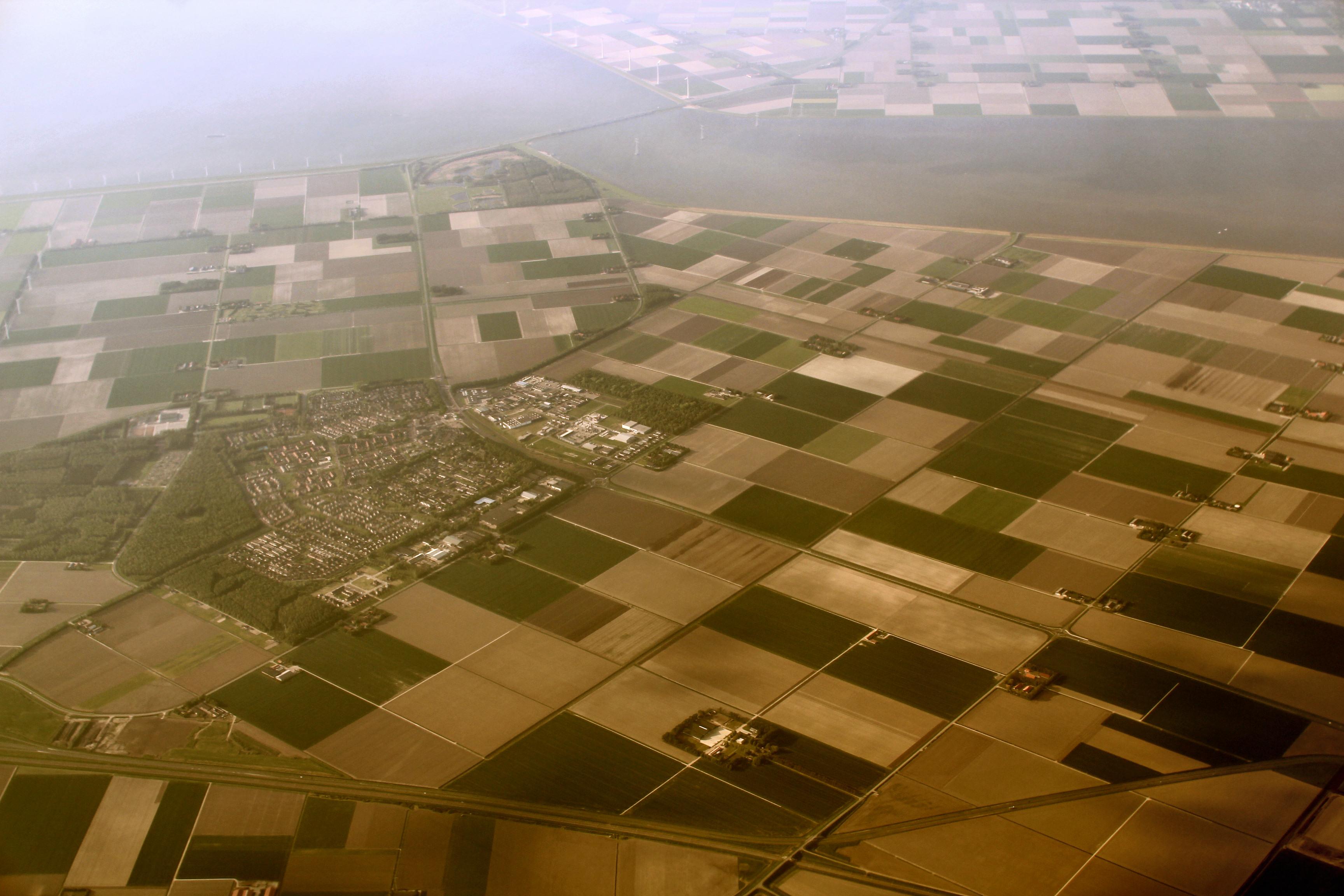
The damp, reed-fringed landscapes of the Lower Rhine–Meuse region – encompassing the river deltas, peat bogs, and sandy dunes of today's Netherlands, Belgium, and western Germany – tell a remarkable story that challenges our understanding of Neolithic Europe. Unlike almost anywhere else on the continent, people with very high hunter-gatherer ancestry clung on for thousands of years after the arrival of farming, creating a unique frontier society that would eventually play a pivotal role in reshaping the genetic landscape of northwestern Europe.
This watery zone witnessed the rise of the Swifterbant, Hazendonk, and later Vlaardingen communities, whose archaeological traces and preserved DNA reveal a complex mosaic of cultural exchange, genetic admixture, and persistent local traditions. While much of Europe was swept by early farming groups from Anatolia, who rapidly mixed with and largely replaced local foragers, the Lower Rhine–Meuse region maintained its distinctive character for millennia.
The archaeological record from this region presents a striking picture of cultural continuity amid gradual change. Sites like Nieuwegein-het Klooster, Swifterbant-S2, and Zoelen-de Beldert preserve evidence of communities that lived on raised river dunes, levees, and coastal ridges, exploiting the rich resources of rivers, marshes, and forests while gradually incorporating new technologies and practices from neighboring farming societies.
One of the most vivid examples comes from the Swifterbant culture settlements dating to approximately 4400–3800 BCE. At Nieuwegein-het Klooster, researchers studied a mother and daughter pair whose DNA reveals they were still entirely descended from older Western hunter-gatherer populations, yet they lived in a community already experimenting with pottery and farming. Another woman from the same site, dated to around 4300–4200 BCE and buried with Swifterbant pottery, carried only about one-third early farmer ancestry in her overall genome, though her mitochondrial DNA belonged to a lineage common among early farmers. This genetic signature suggests a hunter-gatherer community that had welcomed women from farming groups.
Across these early Neolithic communities, a startling pattern emerges: while central and western European farmers typically show less than 30% hunter-gatherer ancestry, the Lower Rhine–Meuse Neolithic people maintain around 40–50% on average, and sometimes much more. They remained, in genetic terms, half-forager and half-farmer for centuries.
The genetic evidence reveals that these mixed communities were not isolated holdouts but formed an interconnected, long-lived population sharing kinship ties across hundreds of kilometers. Sites from the famous Blätterhöhle cave in western Germany to the collective tomb at Niedertiefenbach and caves in the Ardennes show evidence of distant familial relationships spanning the major river systems.
At Blätterhöhle, bodies were placed in a narrow rock shelter overlooking the river, with evidence for repeated visits and complex mortuary rites. Some individuals retained over 75% hunter-gatherer ancestry well into the Middle Neolithic. One even turns out to be a distant relative of a father-daughter pair buried far away at Mont-Aimé in northern France, demonstrating the extensive networks connecting these riverine communities.
A fascinating contrast appears at Tiel-Medel-de Roeskamp on the river Waal, where three individuals tested show much lower hunter-gatherer ancestry – only about 20% – and archaeological evidence suggests more standard farming practices. This site represents a "foreign enclave" of classic European farmers within the frontier zone, highlighting the dynamic nature of this cultural borderland.
One of the most engaging insights emerges from analyzing how early farmer ancestry entered these communities. By comparing different parts of the genome, researchers discovered a striking pattern: the mixed communities consistently show evidence that hunter-gatherer societies gradually incorporated women from farming groups to the south and southeast. These women likely served as the principal carriers of new technologies – domestic animals, crops, pottery styles, and ritual practices – while the men and many aspects of local ancestry remained deeply rooted in older forager traditions.
This pattern is visible in the main genome structure, where the X chromosome (which spends more time in women) shows more early farmer ancestry than the rest of the genome. The mitochondrial DNA, passed from mother to child, also frequently carries farmer lineages in otherwise forager-heavy communities. This sex-biased admixture created stable communities that combined the best of both worlds: deep local knowledge of wetland resources with innovative farming technologies.
In most of Europe, the arrival of Corded Ware culture in the third millennium BCE coincided with new people bringing steppe ancestry from the eastern grasslands. The western Netherlands broke this rule spectacularly. Here, communities began using Corded Ware-style pottery while their DNA remained overwhelmingly local.
At settlements like Molenaarsgraaf-24A, Opmeer-Mienakker, and Sijbekarspel-Op de Veken, Corded Ware pottery appears in ordinary settlement layers rather than the classic single-grave contexts. Three individuals from these contexts show minimal steppe ancestry – often just 12-16% – while maintaining 84-88% ancestry from local Neolithic groups.
However, one significant detail stands out: the man from Opmeer-Mienakker carried a Y-chromosome type (R1b-U106) characteristic of early Corded Ware groups, with radiocarbon dates placing him among the earliest Corded Ware-associated individuals outside eastern Europe (2852-2574 BCE). This suggests that while the overall population remained local, specific male lineages from the Corded Ware expansion did establish themselves in these wetland communities.
Around 2500 BCE, a dramatic transformation occurred with the emergence of Bell Beaker communities. Unlike the gradual Corded Ware adoption, this represented a genuine population replacement. Bell Beaker individuals from sites like Oostwoud-Tuithoorn and Ottoland-Kromme Elleboog show ancestry that is approximately 82% derived from eastern and central European Corded Ware-related groups, with only 13-18% coming from local Neolithic populations.
Crucially, that modest local component carries the distinctive signature of the region's ancient forager-rich ancestry and cannot be replaced by Neolithic farmers from elsewhere. This indicates that genuine local people, not just cultural ideas, contributed to the Bell Beaker genetic profile.
The Y-chromosome evidence tells a particularly vivid story. All examined Bell Beaker men belonged to variants of the R1b-L151 lineage, the classic Bell Beaker male line. Some carried rare sub-branches like DF19, while others shared the U106 variant seen in the earlier Corded Ware individual from Opmeer-Mienakker, suggesting continuity in male lineages across cultural transitions.
Perhaps most remarkably, these Lower Rhine–Meuse Bell Beaker communities became the primary source for the genetic transformation of Britain. When researchers analyzed dozens of British Bell Beaker individuals, they found genetic profiles almost identical to those from the Rhine–Meuse region: the same combination of Corded Ware-related ancestry mixed with the distinctive hunter-gatherer-rich component from the wetland farmers.
This genetic fingerprint provides compelling evidence that British Bell Beaker people derived primarily from Lower Rhine–Meuse communities rather than directly from Iberia, central Europe, or other proposed source regions. By the Early Bronze Age, approximately 92% of ancestry in British individuals came from this Rhine–Meuse Bell Beaker source, with at most 8% from the island's earlier Neolithic farmers.
The North Sea, rather than serving as a barrier, functioned as a busy highway connecting communities who shared both cultural practices and family ties. Long identical DNA segments reveal distant cousins separated by hundreds of kilometers of sea and land, suggesting regular movement and communication across this maritime network.
The persistence of hunter-gatherer ancestry and traditions in the Lower Rhine–Meuse region reflects the unique ecological character of these wetlands. The rich river and coastal environments made hunting, fishing, and gathering attractive long after farming became available. Agriculture was added to rather than replacing existing subsistence strategies.
This ecological foundation supported communities that were remarkably adaptable and connected. They maintained extensive kinship networks along river systems, incorporated new technologies selectively, and eventually became launching points for some of the most significant population movements in European prehistory.
The Lower Rhine–Meuse region emerges from this genetic analysis as far more than a peripheral area where old ways persisted. It was a dynamic frontier zone where different populations and cultures met, mixed, and created new synthetic communities. The hunter-gatherer-rich populations who lived here for millennia were not simply conservative holdouts but innovative people who selectively adopted new technologies while maintaining successful adaptations to wetland environments.
Their story culminates in the Bell Beaker period, when these communities became the primary source for the genetic transformation of Britain and played crucial roles in shaping the Bronze Age populations of northwestern Europe. The genetic threads connecting Mesolithic foragers, Neolithic farmers, Corded Ware migrants, and Bell Beaker travelers weave together into a narrative of remarkable continuity and change that spans over four millennia.
This wetland world, with its boats, fish traps, riverside settlements, and far-reaching family connections, ultimately helped reshape the genetic landscape of an entire region of Europe. The people who learned to thrive in the challenging environment of rivers, marshes, and shifting coastlines became key players in one of prehistory's most significant demographic transformations.
Original source article: https://doi.org/10.1038/s41586-026-10111-8
Comments