Haplogroup N1a2

– 5 min read


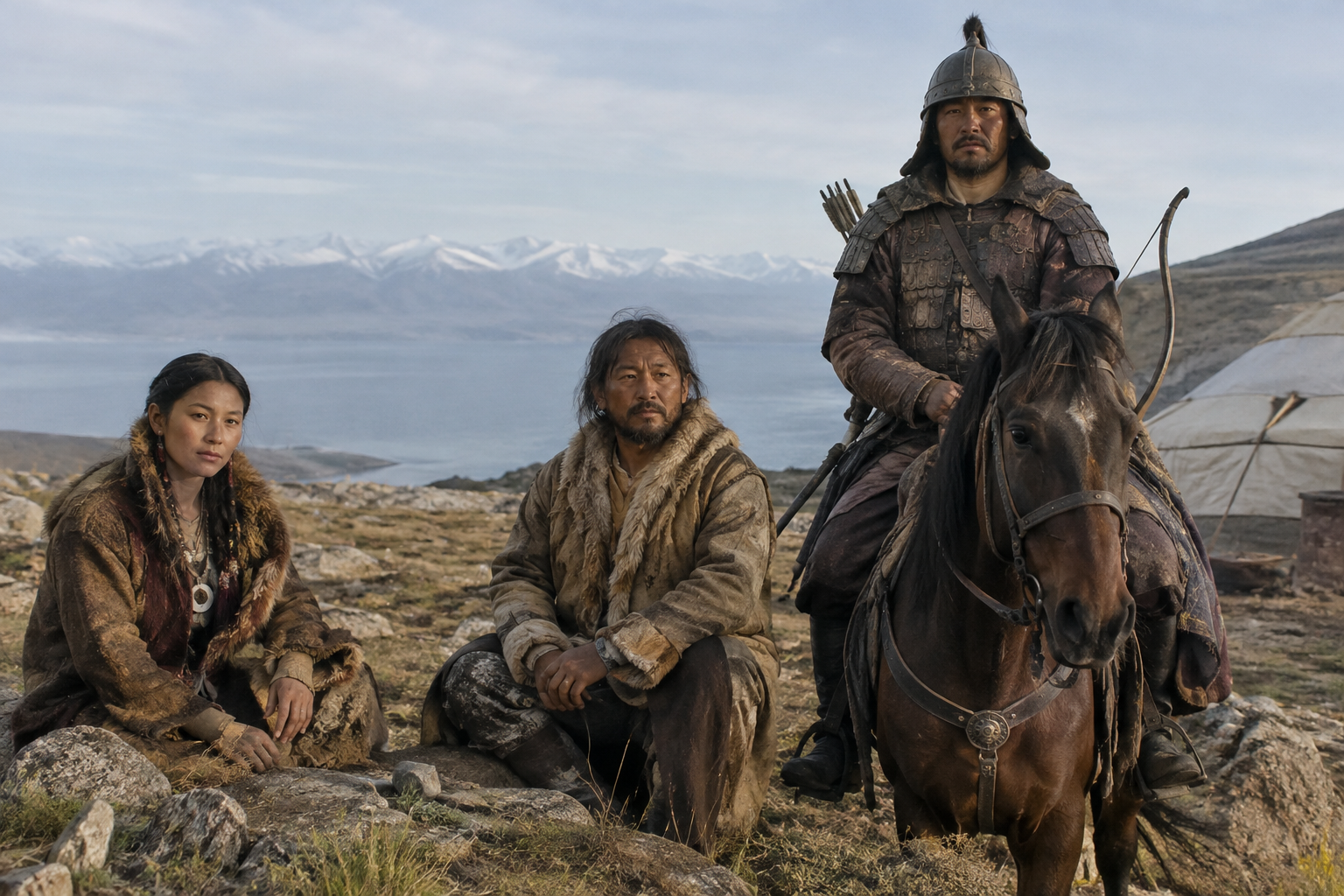
At Shamanka II on the western shore of Lake Baikal, one early Neolithic male, sample DA362, places haplogroup N1a2 in a setting that is both very old and very specific: the hunter-gatherer world of Cis-Baikal around 5289 BC. That matters because N lineages are often discussed in broad strokes, as though they simply belong to a vague "northern Eurasian" story. Finds like DA362 force us to be more precise. They show a paternal branch appearing in a real archaeological landscape, among communities living beside one of the great inland water systems of the world.
For anyone exploring N1a2 today, that is the useful starting point. Y-DNA traces one direct paternal line only, not a person's whole ancestry, but it can still reveal where a lineage turns up in the ancient record. In this case, the supplied evidence points toward deep roots in eastern Siberia and later survival or reappearance far to the south on the Mongolian steppe.
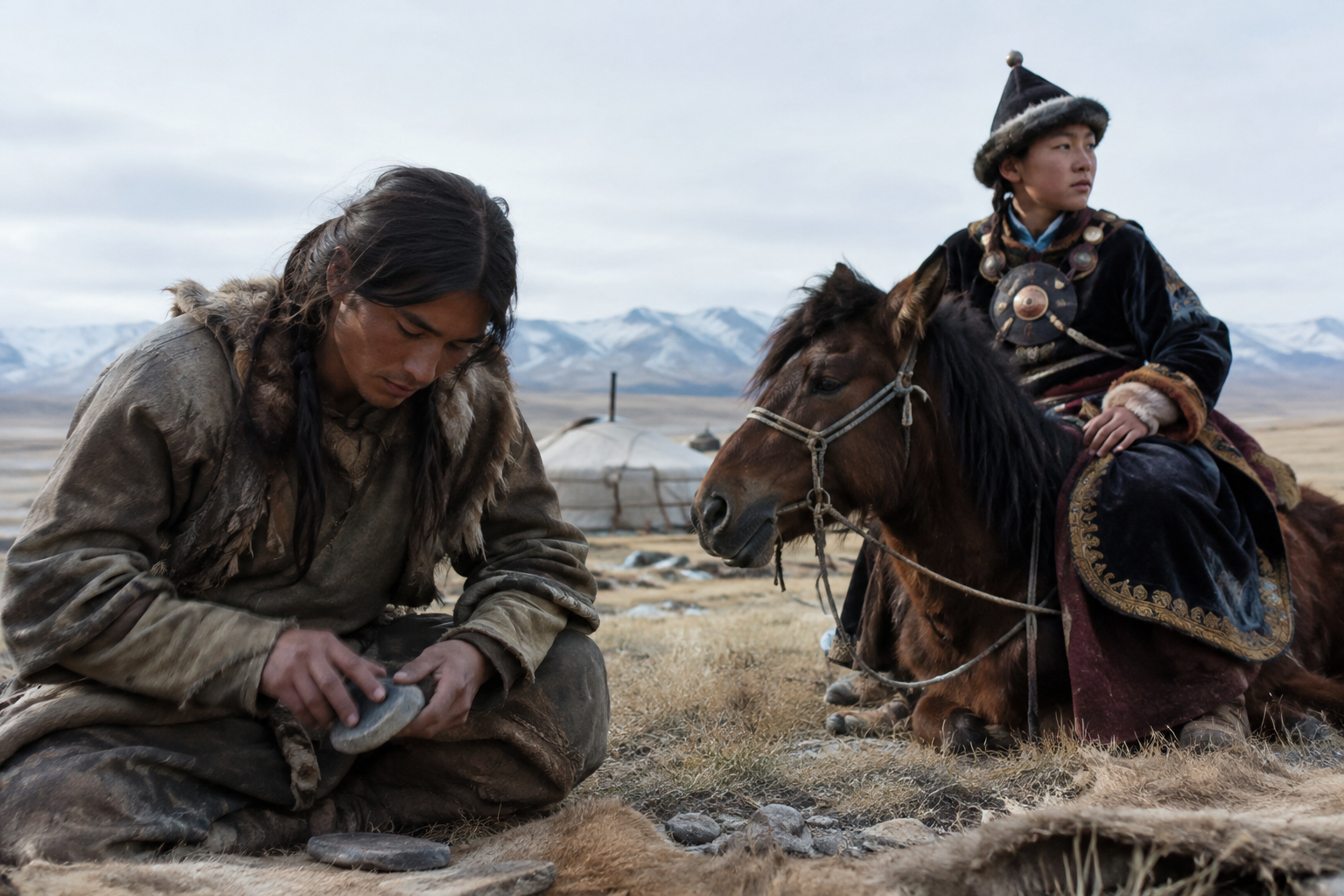
Shamanka II is one of the best-known burial landscapes in the Cis-Baikal region, an area that has become central to debates about northern Eurasian prehistory. The sample DA362, dated here to around 5289 BC, belongs to that early Neolithic horizon. Even without inventing details that are not in evidence, the significance is obvious enough: this is not a late medieval or Iron Age stray occurrence, but a very ancient appearance of the lineage in a region that has repeatedly yielded important hunter-gatherer genomes.
Lake Baikal was not some remote backwater in prehistory. It was a durable ecological zone that supported long-lived communities, seasonal movement, and distinctive burial traditions. When a paternal lineage such as N1a2 appears there this early, it becomes part of a much bigger question about how northern Eurasian populations were structured before the large-scale demographic upheavals of later millennia.
A recent ancient DNA study of the Lake Baikal region and adjoining northern Eurasian populations underlines just how important this wider area remains for understanding deep population history, mobility, and disease. The point for N1a2 is not that one sample can define an entire people, but that Cis-Baikal is exactly the sort of place where an early paternal branch can be anchored archaeologically rather than treated as an abstract label.
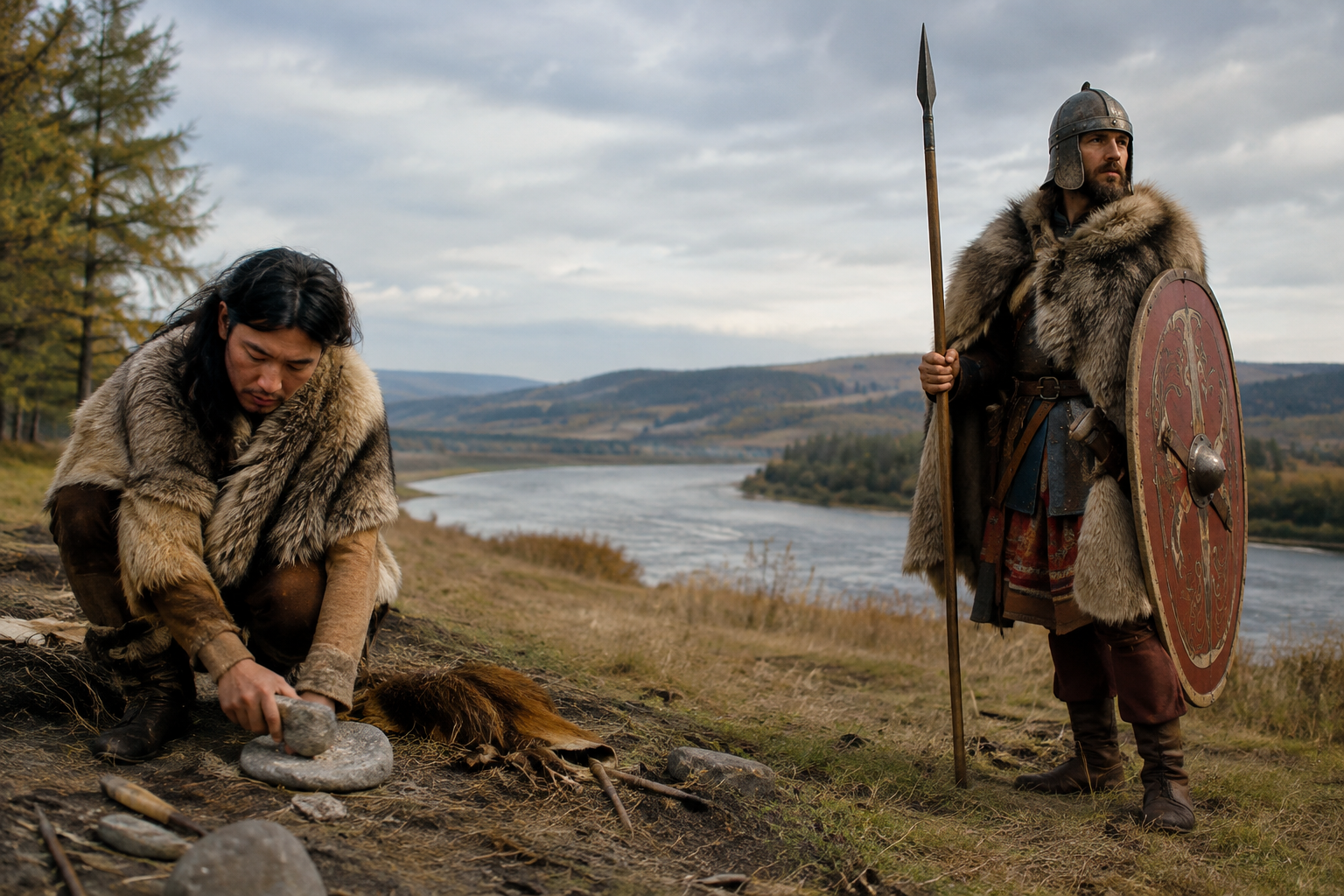
The second ancient clue comes from I0999, dated here to around 5676 BC, from Neolithic Irkutsk in eastern Siberia, specifically Serovskaya Manzurka-2. Taken together with DA362, this is the more interesting pattern than any single burial alone. We are not looking at one isolated appearance, but at two early Holocene-era occurrences in the Baikal-Irkutsk zone.
That does not mean every man in Neolithic eastern Siberia belonged to N1a2, nor does it allow us to draw a neat straight line from one burial ground to all later populations carrying N-derived lineages. But it does support a cautious conclusion: N1a2, or a classification associated with that branch, was present in this eastern Siberian world very early, in communities living thousands of years before the rise of the steppe empires more familiar from written history.
This is also where the archaeology helps keep the genetics honest. The Cis-Baikal and Irkutsk finds belong to a forager landscape, not to later horse-riding imperial polities, not to medieval ethnonyms, and not to modern national identities. The same Y-lineage can pass through very different languages, economies, and cultures over time. The Neolithic evidence tells us about antiquity and location, not about a fixed ethnicity.
Research associated with these older Siberian datasets, including material connected to ancient population studies of the Lake Baikal and eastern Siberian region, has helped establish just how genetically informative this area is. Even where one cannot safely push every sample to a highly specific historical interpretation, the regional pattern remains valuable.
It is worth pausing over the label itself. N1a2 is the article haplogroup, but ancient assignments are not always equally detailed in every publication or dataset. In practice, some studies identify a broad N branch confidently, while finer placement can depend on coverage and later reanalysis. That is why the strongest claim here is the measured one: these ancient males are reported in association with N1a2, and the archaeological pattern places that paternal signal in eastern Siberia from the Neolithic onward.
This matters because haplogroup N as a whole has a very wide northern Eurasian history, stretching across different regions and peoples. One should not simply pour that entire parent-line narrative into the narrower vessel of N1a2. The ancient evidence in this article is more grounded than that. It points first to Cis-Baikal and Irkutsk, and only then invites us to watch how the lineage appears again in a very different setting much later on.
The third sample is separated from the Baikal Neolithic finds by an enormous gulf in time. BRG004, dated here to around AD 1300, comes from Burgaldain Khundii and is identified as a late medieval Mongol warrior. Suddenly the setting is no longer early hunter-gatherer Siberia, but the world of the Mongol period, when political power, military networks, and long-distance mobility tied together vast parts of Eurasia.
That leap in chronology is precisely what makes the sample interesting. It shows that a paternal lineage associated with N1a2 did not vanish after the Neolithic evidence around Lake Baikal. Instead, it appears again in a later steppe context, one linked to the Mongol world. No careful historian should turn that into a claim that BRG004 directly descends from DA362 or I0999 in any simple genealogical sense. Yet the broader continuity of presence across northern and eastern Inner Asia is hard to ignore.
There is a temptation, with any medieval warrior burial, to rush into heroic storytelling. Better not. The solid point is enough: by around AD 1300, this branch is documented in an individual associated with the Mongol steppe sphere. That places N1a2 within one of the most consequential political landscapes of medieval Eurasia, where people, animals, goods, and genes all moved across remarkable distances.
The three samples together create a small but telling arc. Two early occurrences cluster in the Baikal-Irkutsk region in the sixth millennium BC, and one much later occurrence places the lineage in medieval Mongolia. That is not a dynasty, and it is not a complete migration map. It is something more modest and, in its way, more convincing: a set of archaeological anchors showing that N1a2 belongs in the long history of northern and eastern Inner Asia.
This kind of evidence is especially useful because it resists tidy ethnic storytelling. Early Neolithic communities around Baikal were not "Mongols" in any medieval sense, and a medieval Mongol-period warrior was not simply a living fossil from the sixth millennium BC. What persisted was the paternal line, while almost everything else around it could change: language, social structure, economy, burial custom, even the political world itself.
That is often how Y-DNA works in history. A lineage can outlast entire cultural systems. It can pass from lakeshore foragers to pastoral or imperial societies without carrying a single fixed identity along with it.
If your paternal line falls under N1a2, the ancient evidence highlighted here suggests a lineage with deep roots in the eastern Siberian world and later visibility in the medieval Mongolian sphere. The most distinctive point is not glamour or royal association, but duration: this is a paternal branch that can be glimpsed in the archaeological record from the Neolithic shores of Lake Baikal to the age of Mongol expansion. That does not tell you everything about your ancestry, but it does place one line of it in a long and very northern Eurasian story.
Comments