Ancient DNA Shows Recent Natural Selection Intensified Human Immune Responses and Altered Disease Risks

– 6 min read


Immune Adaptation and Infectious Disease in the Last 10,000 Years
This comprehensive study explores one of the most dramatic stories of recent human history: how people living in West Eurasia, from the first farmers to medieval townsfolk, reshaped their own immune systems under the relentless pressure of infectious disease. Using ancient DNA extracted from skeletons spanning roughly the last ten millennia, researchers have traced how genetic variants linked to immunity rose and fell in frequency as lifestyles, settlements, and disease environments underwent profound transformations.
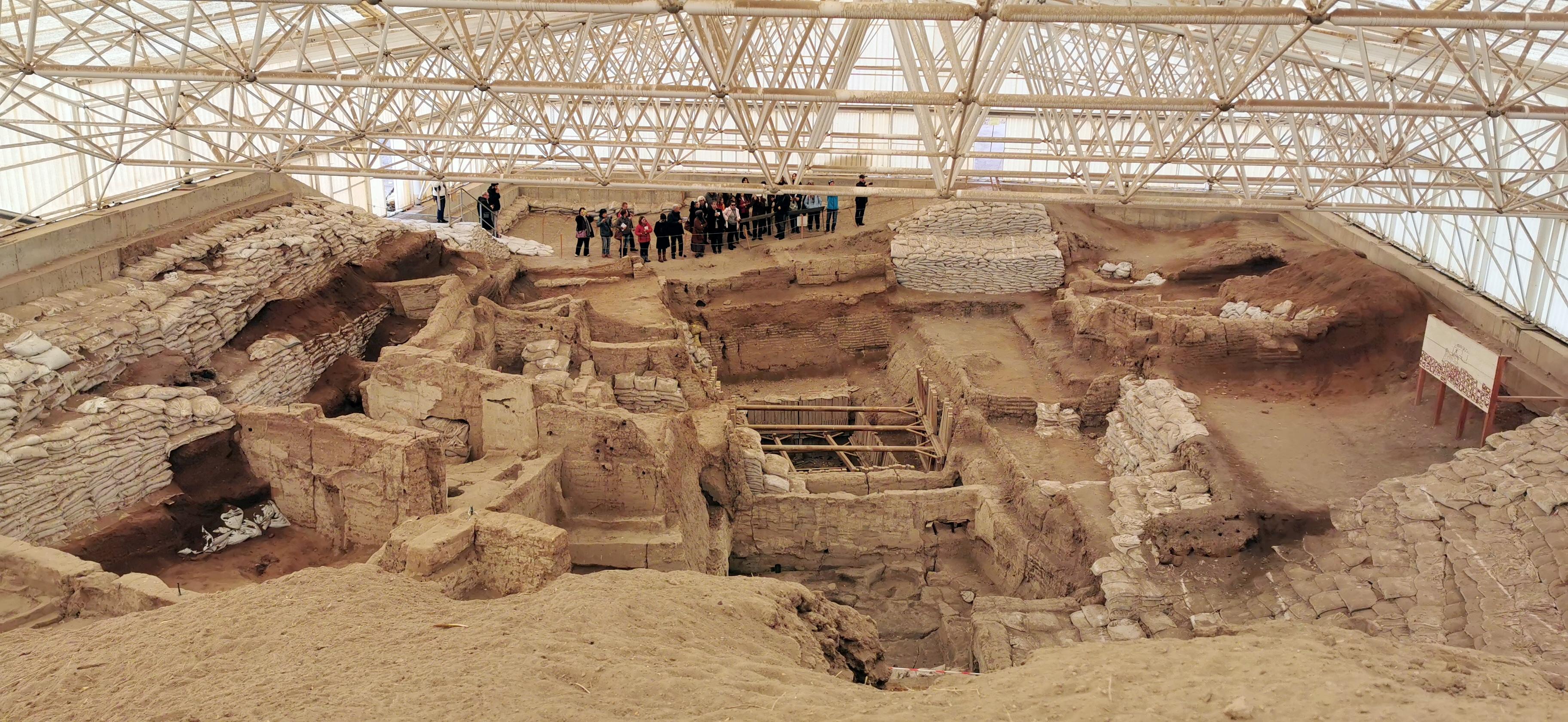
The skeletal remains analyzed in this study come from people who lived through massive social and environmental shifts. Early hunter-gatherers, small in number and highly mobile, gradually gave way to farming communities with permanent villages, animal pens, stored grain, and eventually dense urban centers. Archaeological investigations across western Eurasia reveal longhouses and fenced farmsteads in the early Neolithic, crowded Iron Age hillforts, Roman towns, and medieval cities, providing the physical context for the genomes analyzed here.
These evolving landscapes brought new forms of contact with animals, contaminated water sources, and other human populations. The study treats pathogens as ever-present but shifting actors in this evolutionary drama. By examining the DNA of ancient individuals excavated from burial grounds across Europe and western Asia, researchers have documented how certain immune-related genetic variants steadily increased across time, as if pushed upward by repeated waves of epidemics.
Some of the most compelling evidence comes from humanity's long struggle with tuberculosis, a lung infection that was rampant in Europe over the last two thousand years. Skeletal remains from churchyards, plague pits, and ordinary parish cemeteries show classic lesions in some cases, but the focus here is on subtle genetic signatures rather than dramatic bone damage. The study revisits a well-known modern genetic risk factor for tuberculosis and demonstrates that the high-risk version has been steadily eliminated over the last three millennia.
Many individuals in the dataset are people buried with simple grave goods—a belt buckle, a bead, a knife—in cemeteries dating from the Iron Age to the Middle Ages. Their genomes reveal that those who happened to carry more protective variants left more surviving descendants, causing these protective alleles to spread through the population. One genomic region near the ASAP1 gene is particularly noteworthy. This gene affects how certain white blood cells move, and modern studies connect it to tuberculosis risk. The research shows that variants in this region were under selection in ancient West Eurasians, especially in tissues like the spleen and in cell types such as T cells and monocytes.
The study makes clear that many of the strongest selection signals involve front-line tissues where microbes first encounter the body. The respiratory tract and the gut mucosa—the thin, protective lining of the intestines—appear repeatedly in the analysis. Ancient DNA from burials at farming sites, coastal trading towns, and river valleys all contribute to this picture. By linking ancient selection signals to modern medical studies, researchers demonstrate that genetic variants which became more common over time tend to protect against intestinal infections, respiratory diseases, and chronic inflammatory conditions.
Selected variants are disproportionately active in immune cells that reside in barrier tissues: immune cells in the lung airways, in the skin, and especially in the intestinal lining. Modern single-cell studies of the gut show that immune cells positioned against the mucous layer carry the strongest echoes of past selection. When interpreted through the archaeological record, we see farmers, fisherfolk, and townspeople who were constantly exposed to contaminated food and water, animal waste, and respiratory viruses in tightly packed houses. Their guts and airways became major battlegrounds for evolution.
One of the most intriguing discoveries concerns mucins—the slippery, sugar-coated proteins that form mucus. These substances coat the gut and respiratory tract, creating a molecular barrier between humans and the outside world. While mucin itself never survives in archaeological contexts, the genes that shape it remain preserved in bones. The study identifies a genomic region near FUT6, a gene involved in adding particular sugar groups onto mucins and other molecules at mucosal surfaces. A single variant in this region shows strong evidence of positive selection and is linked in modern data to reduced risk of intestinal infections and changes in blood levels of several gut immunity proteins.
There are also connections to FUT3 expression in the esophageal mucosa, another barrier lining that microbes must cross. The ancient individuals carrying protective versions of these alleles include people buried in Neolithic collective tombs, Bronze Age flat graves, Roman cemetery plots, and medieval parish yards. Without leaving any written record, they demonstrate that evolution has been modifying the sugars on mucous surfaces for thousands of years.
Several highlighted genes control proteins that pathogens use as entry points into cells. TMPRSS4, a gene active in epithelial tissues, influences susceptibility to viral infections. Researchers identified a specific structural change in this gene that shows clear signs of positive selection and links to fungal infection risk in modern populations. Another case involves LTBR, important for lymphoid tissue development and immune responses. A variant in its regulatory region has been shaped by selection and correlates with antibody levels against the Epstein-Barr virus, a nearly universal human infection.
These host receptors represent evolving cellular doorways where ancient pathogens attempted entry. The gene LYZ, encoding lysozyme—a classic antimicrobial enzyme found in saliva, tears, and secretions—also shows selection signatures. Lysozyme attacks bacterial cell walls and represents one of the simplest, oldest weapons in the innate immune system. A regulatory variant linked to higher lysozyme levels appears to have been favored by selection, influencing both LYZ expression in blood cells and other infection-response genes.
Not all microbes in this evolutionary story are enemies. Selected variants associate with higher levels of Akkermansia, a bacterium that thrives in the gut mucus layer by feeding on mucin. Modern studies show that increased mucin availability promotes Akkermansia abundance. The research suggests that ancient selection improving mucous defenses may have indirectly shifted gut microbiome composition, favoring beneficial commensals like Akkermansia. Ancient individuals carried allele combinations that partly determined which bacterial species flourished in their intestines.
The most compelling aspect of this research reveals how evolutionary advantages often carry costs. Many variants that became common over time exhibit dual characteristics: they protect against infectious diseases while increasing susceptibility to autoimmune and inflammatory conditions. The immune system appears to have been amplified, with pathways involving inflammation, phagocytosis, natural killer cell activity, and lymphocyte proliferation all showing upregulation through selection.
Ancient genomes collectively point toward favoring a more aggressive, reactive immune system. Simultaneously, signals linked to interleukin-4 production, which promotes allergic responses like asthma and atopic dermatitis, appear to have been suppressed. This contradicts popular narratives suggesting our ancestral immune genes are maladapted to modern hygienic environments. Instead, alleles elevated by selection tend to protect against adult-onset asthma and dermatitis in contemporary populations.
By combining ancient selection signals with modern molecular data, researchers can identify which specific immune circuits have been evolutionarily modified. Pathways showing clear selection signatures include interferon-gamma signaling, involving genes like IFNGR1 that encode key components of interferon-gamma receptors on macrophages. This response type would be crucial in communities exposed to contaminated food and water. The study also implicates pathways linked to inflammatory bowel disease, autoimmune thyroid disease, and other immune-mediated conditions.
The research connects archaeological evidence of dense settlements, domesticated animals, crop storage, and close human contact with molecular changes in immune system wiring among descendants of buried individuals. Modern single-cell studies taking tissues from contemporary donors show that cell types most enriched for ancient selection signals are embedded in barrier tissues—precisely the cells that would have been active in Bronze Age potters drinking questionable river water or medieval apprentices sharing smoky, crowded urban houses.
The study uses ancient DNA's temporal depth to track broad trends through polygenic scores—weighted sums of many small-effect genetic variants—in each ancient individual. These analyses reveal that genetic predisposition to infectious disease resistance increased over time, while tendencies toward certain autoimmune conditions also rose, and surprisingly, genetic risk for adult-onset asthma declined.
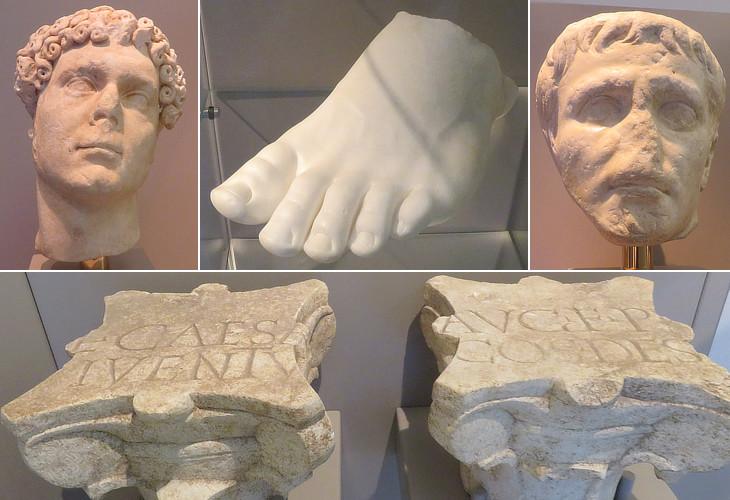
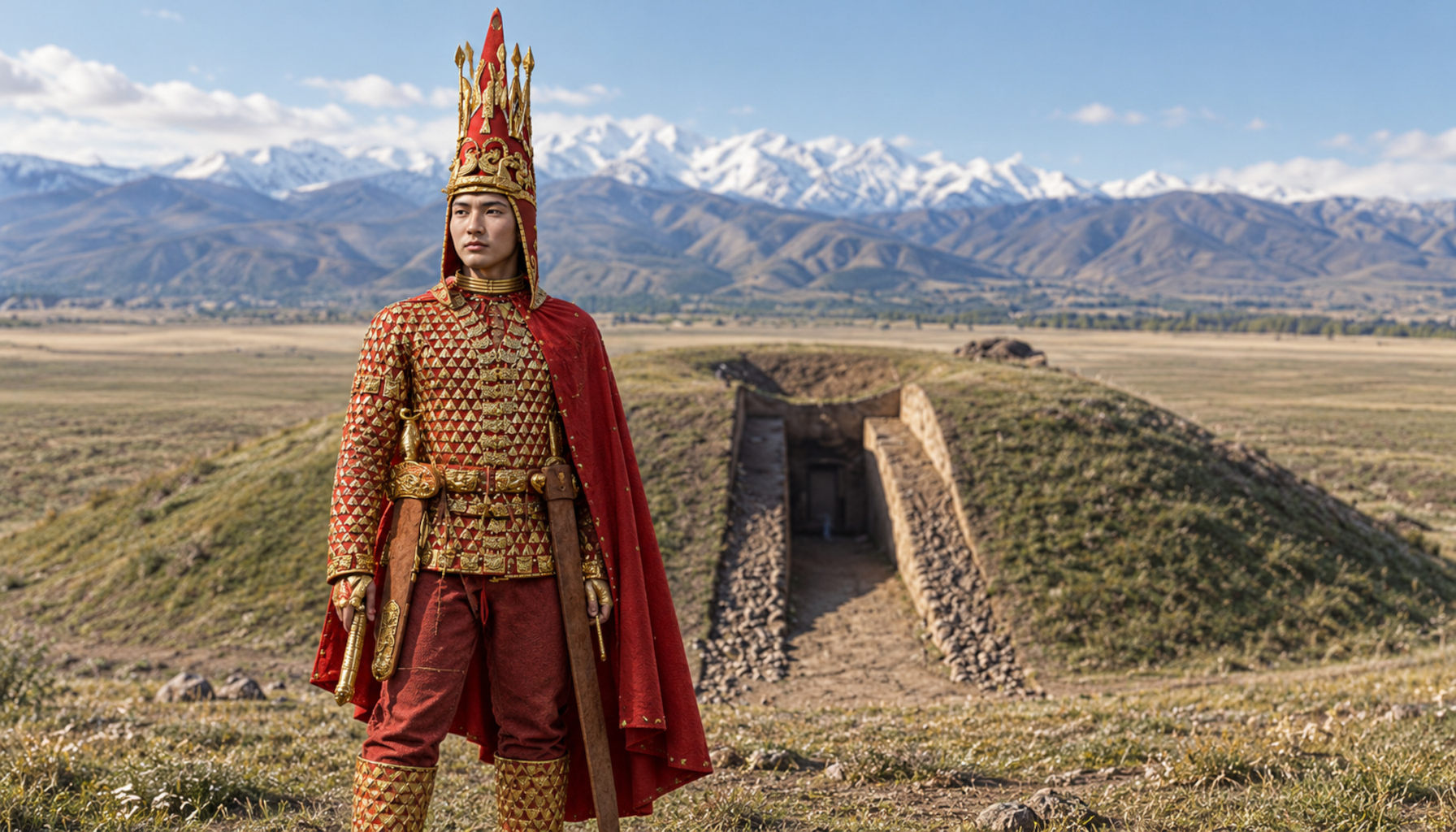
Each data point represents a particular skeleton from a specific site: western hunter-gatherers from Mesolithic riverside burials, early farmers from long barrows, steppe pastoralists from kurgan mounds, Roman citizens from roadside necropolises, or medieval villagers from churchyards. Together, they reveal a gradual immune system adjustment to a world filled with new pathogens, new living arrangements, and increasing population density.
This comprehensive analysis demonstrates that the genetic legacies preserved in burials—from stone-lined Neolithic tombs to early modern churchyards—show a complex balancing act: stronger defenses against microbes accompanied by higher predisposition to autoimmune conditions. The research challenges simple evolutionary mismatch explanations for modern immune-related diseases, instead revealing a nuanced history where pathogen pressure shaped multiple aspects of immune function simultaneously.
The study's integration of archaeological context, ancient DNA, and modern medical data provides unprecedented insight into how human immune systems evolved under the specific pressures of agricultural transition, urbanization, and epidemic disease. Rather than viewing contemporary immune disorders as simple mismatches between ancient genes and modern environments, this work suggests that current disease patterns reflect complex evolutionary trade-offs made over thousands of years of changing pathogen landscapes.
The ancient individuals whose remains contribute to this analysis—from Mesolithic hunter-gatherer camps to Bronze Age settlements and medieval towns—serve as witnesses to humanity's long struggle with infectious disease and the genetic solutions that emerged. Their DNA preserves evidence of evolutionary bargains struck to survive in increasingly crowded, pathogen-rich environments, with consequences that continue to influence health and disease in modern populations worldwide.







Comments