A Rich Forensic Insight from Late Roman Italy Caterina June 22, 2025 – 4 min read Share this post Papers Genomic Evidence for Evolutionary Origins of the Industrial Revolution Burial Grounds as Archives of Deep Time Across Europe, the dead have become reluctant witnesses to one of history's longest stories — held not in ink but in bone, teeth, and ancient graves. Archaeologists scrape away soil and suddenly a life appears: a skull turned to one side, a By Sven • 5 min read Papers Iron Age Ritual Cave Burial in Asturias Caves of the Iron Age Cantabrian World High in the limestone country of northern Spain, caves became places where the living approached the dead and perhaps the divine. In the central Cantabrian region, spanning Asturias, Cantabria, and northern Burgos, traces of Iron Age funerary custom are frustratingly rare—which is By Caterina • 5 min read Papers Genetic ancestry of ancient Amiternum from Roman to early medieval Italy A forgotten city in the hills of central Italy In the uplands of Abruzzo, near modern L'Aquila, the buried city of Amiternum occupies a curious space between grandeur and ruin. Once a proper Roman town with public buildings and civic swagger, it later became a Christian landscape of By Caterina • 5 min read Papers Genomic Evidence for Evolutionary Origins of the Industrial Revolution Burial Grounds as Archives of Deep Time Across Europe, the dead have become reluctant witnesses to one of history's longest stories — held not in ink but in bone, teeth, and ancient graves. Archaeologists scrape away soil and suddenly a life appears: a skull turned to one side, a By Sven • 5 min read Haplogroups and Noble Lines Leifur of Viking Age Sigtuna Leifur of Viking Age Sigtuna was not a king, not a saga hero, and not a named chieftain preserved in chronicles. He was, instead, something in some ways more precious: an ordinary man whose bones, burial, isotopes, and DNA allow us to glimpse the human reality of Sweden around the By Sven • 5 min read Haplogroups and Noble Lines Viking Age Lady Kata of Varnhem Kata of Varnhem was an elite woman of 11th-century Sweden, living at a moment when the Viking Age was shading into a Christian Middle Ages. She belonged to the powerful milieu surrounding the wealthy estate at Varnhem in Västergötland, a place that was far more than an ordinary farm. It By Sven • 5 min read Haplogroups and Noble Lines Swedish Warship Kronan Sailor The man represented by sample kro016 was one of the crewmen lost aboard Kronan, the giant flagship of the Swedish navy, when she went down at the Battle of Öland in 1676. We do not know his personal name, birthplace, or rank from the information supplied, and that uncertainty matters. By Caterina • 4 min read Haplogroups and Noble Lines Elite Vendel Warrior of Uppland The Elite Vendel Warrior of Uppland was a high-status man buried around 588 AD at Tuna in Alsike in the Mälaren region of eastern Sweden, at that intriguing hinge-point between the Migration Period and the Vendel Period. He is known in the genetic record as sample als001, and he matters By Sara V • 5 min read Haplogroups and Noble Lines Celtic Charioteer of Pocklington The Celtic Charioteer of Pocklington was an elite Iron Age Briton buried in East Yorkshire around 225 BC, in the centuries before Rome reached Britain. Known in ancient-DNA research as sample I5511, he belongs to that rare and fascinating archaeological world in which power was displayed not only in life By Sven • 4 min read
Papers Genomic Evidence for Evolutionary Origins of the Industrial Revolution Burial Grounds as Archives of Deep Time Across Europe, the dead have become reluctant witnesses to one of history's longest stories — held not in ink but in bone, teeth, and ancient graves. Archaeologists scrape away soil and suddenly a life appears: a skull turned to one side, a By Sven • 5 min read
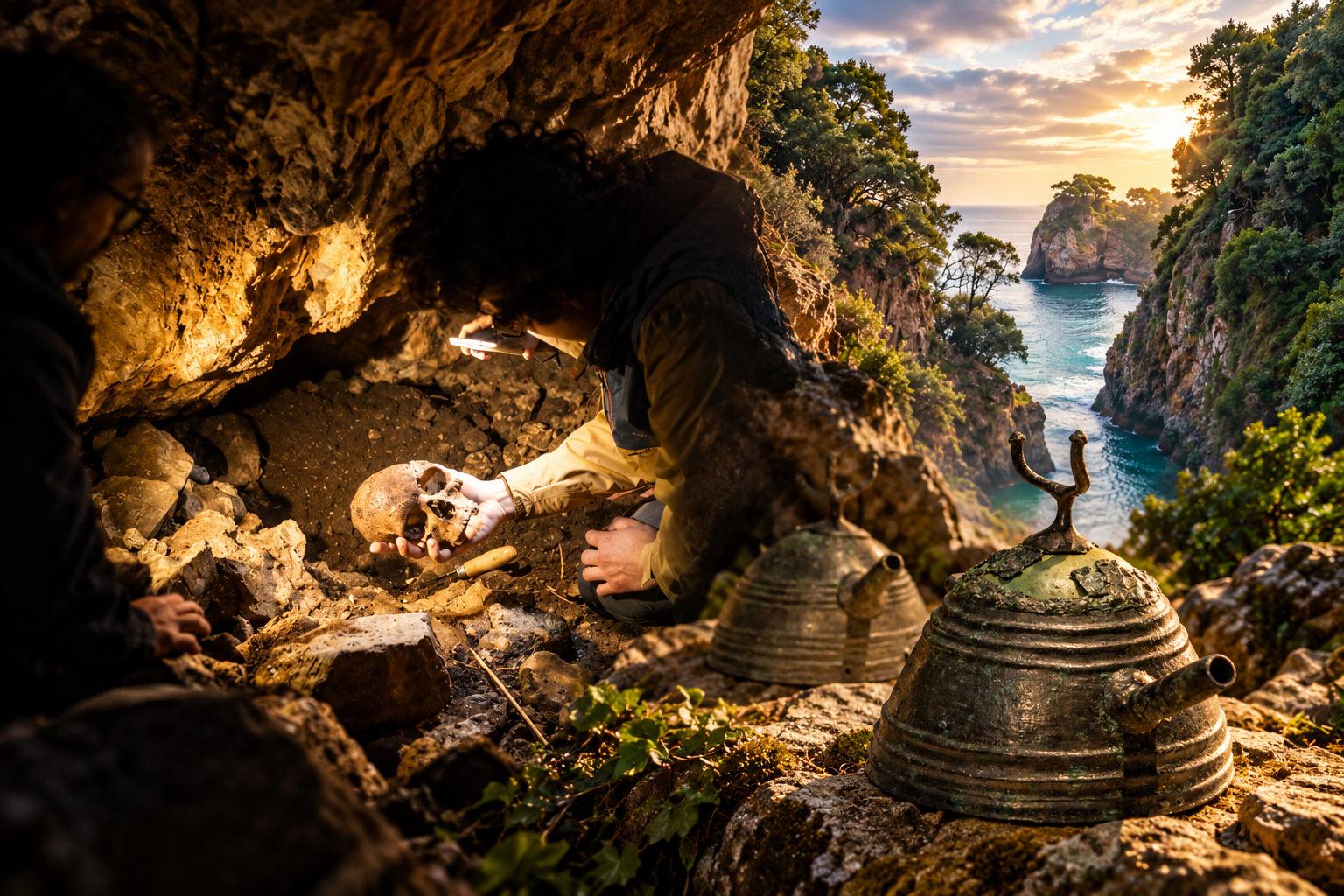
Papers Iron Age Ritual Cave Burial in Asturias Caves of the Iron Age Cantabrian World High in the limestone country of northern Spain, caves became places where the living approached the dead and perhaps the divine. In the central Cantabrian region, spanning Asturias, Cantabria, and northern Burgos, traces of Iron Age funerary custom are frustratingly rare—which is By Caterina • 5 min read
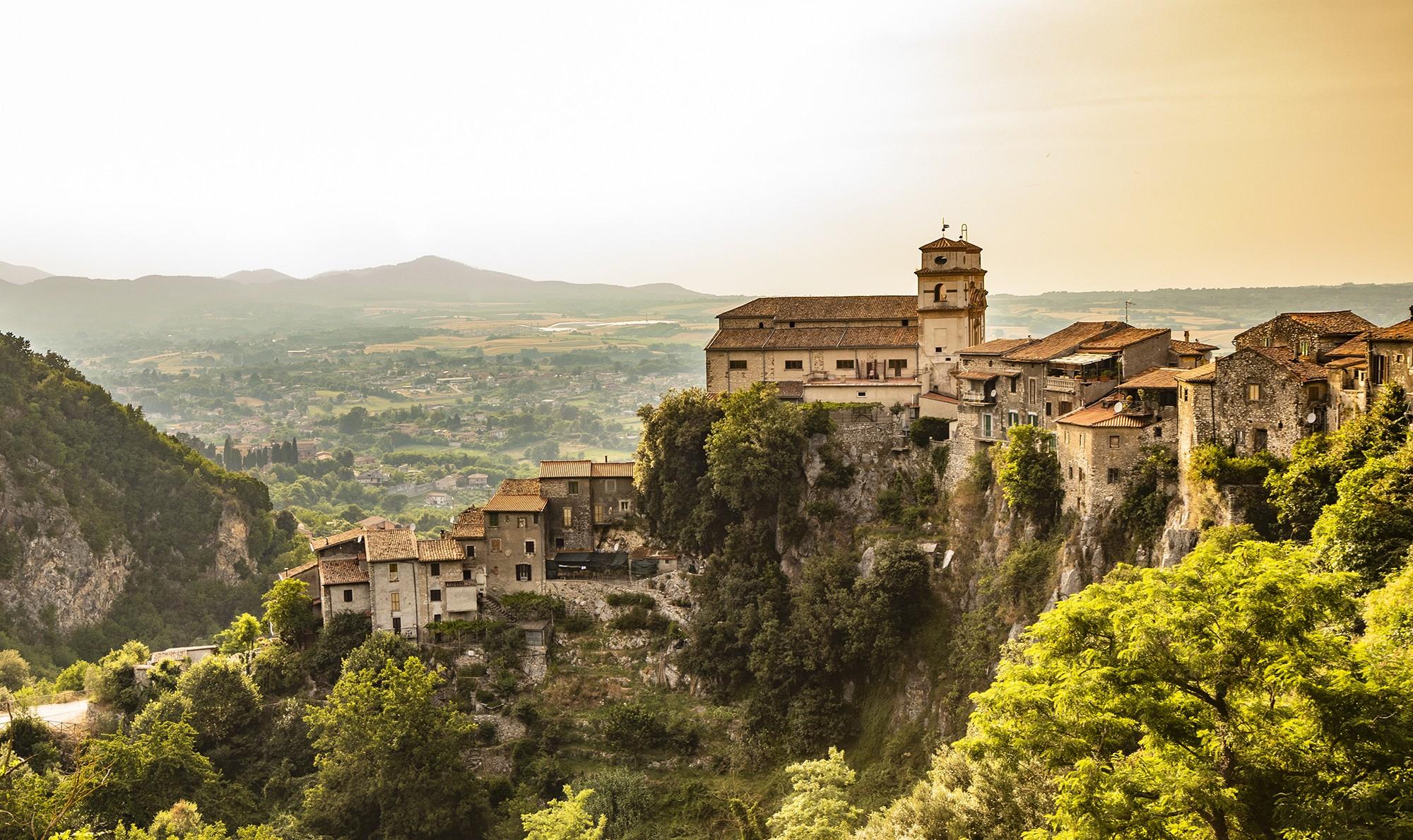
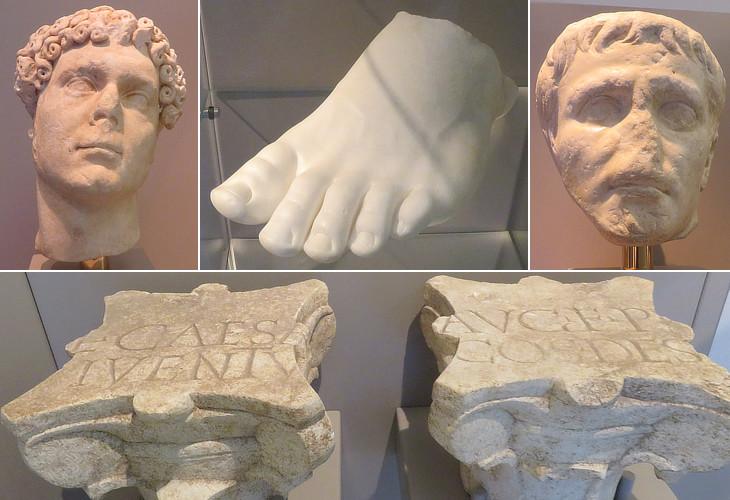
Papers Genetic ancestry of ancient Amiternum from Roman to early medieval Italy A forgotten city in the hills of central Italy In the uplands of Abruzzo, near modern L'Aquila, the buried city of Amiternum occupies a curious space between grandeur and ruin. Once a proper Roman town with public buildings and civic swagger, it later became a Christian landscape of By Caterina • 5 min read
Papers Genomic Evidence for Evolutionary Origins of the Industrial Revolution Burial Grounds as Archives of Deep Time Across Europe, the dead have become reluctant witnesses to one of history's longest stories — held not in ink but in bone, teeth, and ancient graves. Archaeologists scrape away soil and suddenly a life appears: a skull turned to one side, a By Sven • 5 min read
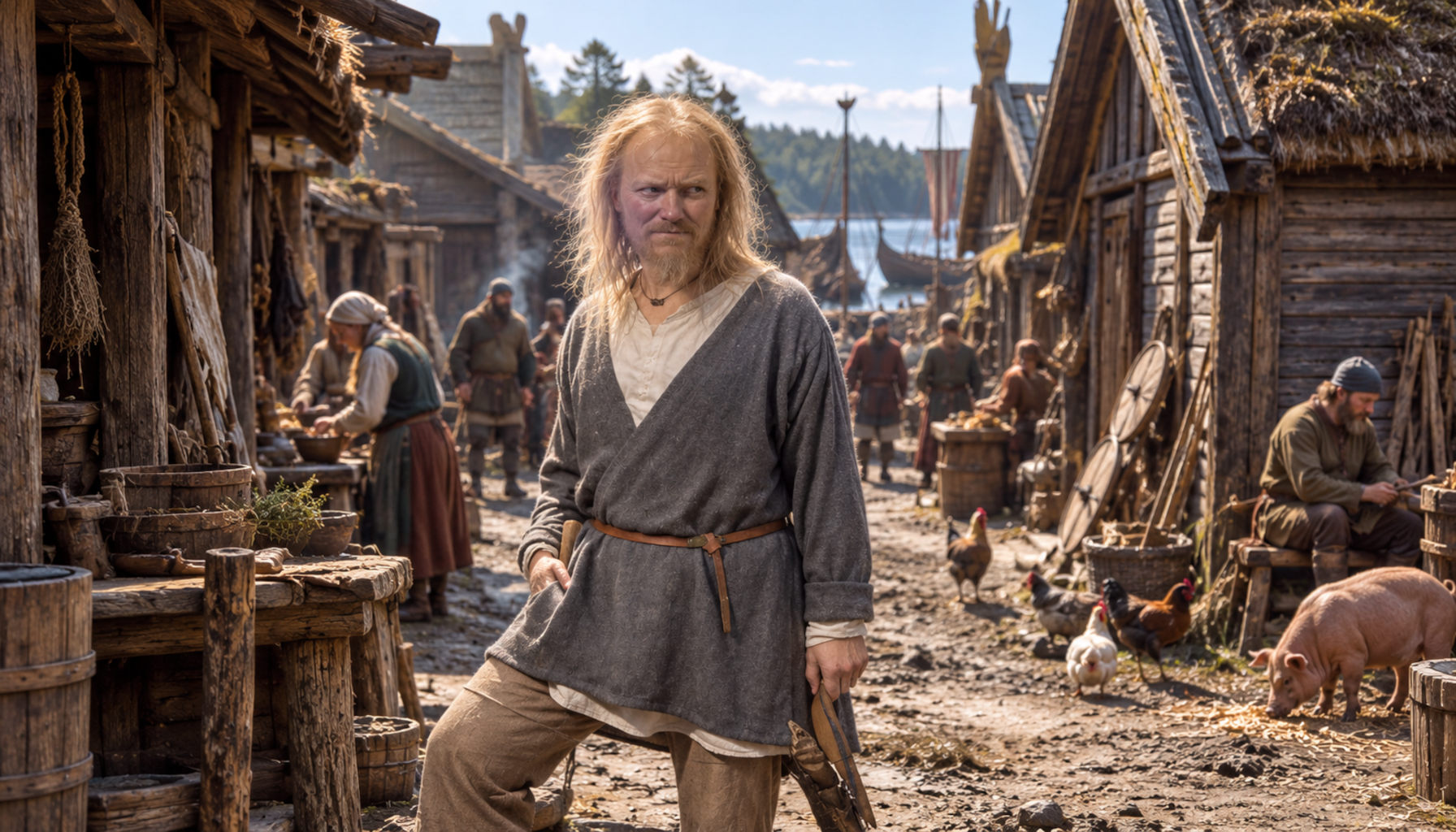
Haplogroups and Noble Lines Leifur of Viking Age Sigtuna Leifur of Viking Age Sigtuna was not a king, not a saga hero, and not a named chieftain preserved in chronicles. He was, instead, something in some ways more precious: an ordinary man whose bones, burial, isotopes, and DNA allow us to glimpse the human reality of Sweden around the By Sven • 5 min read
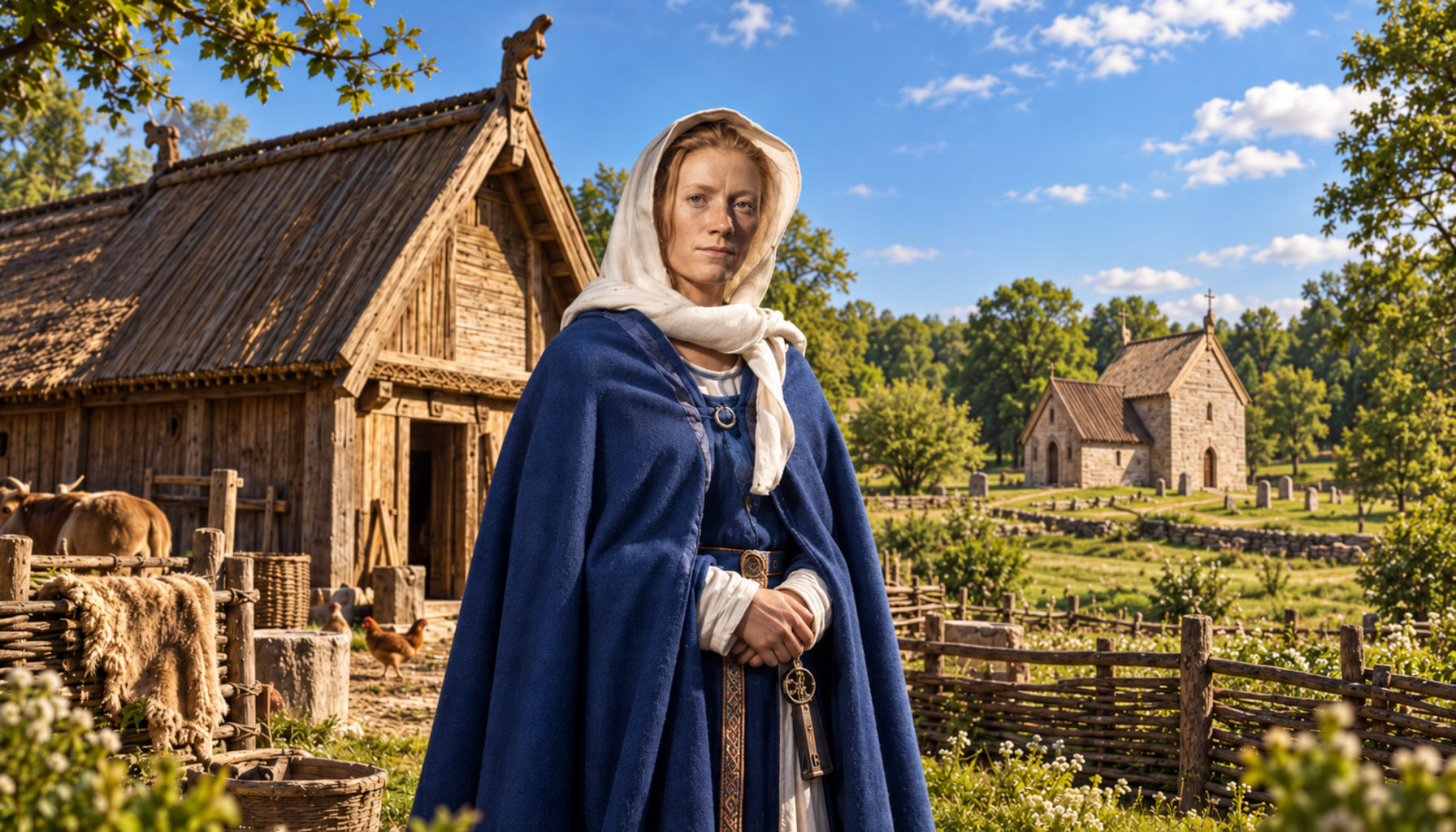
Haplogroups and Noble Lines Viking Age Lady Kata of Varnhem Kata of Varnhem was an elite woman of 11th-century Sweden, living at a moment when the Viking Age was shading into a Christian Middle Ages. She belonged to the powerful milieu surrounding the wealthy estate at Varnhem in Västergötland, a place that was far more than an ordinary farm. It By Sven • 5 min read
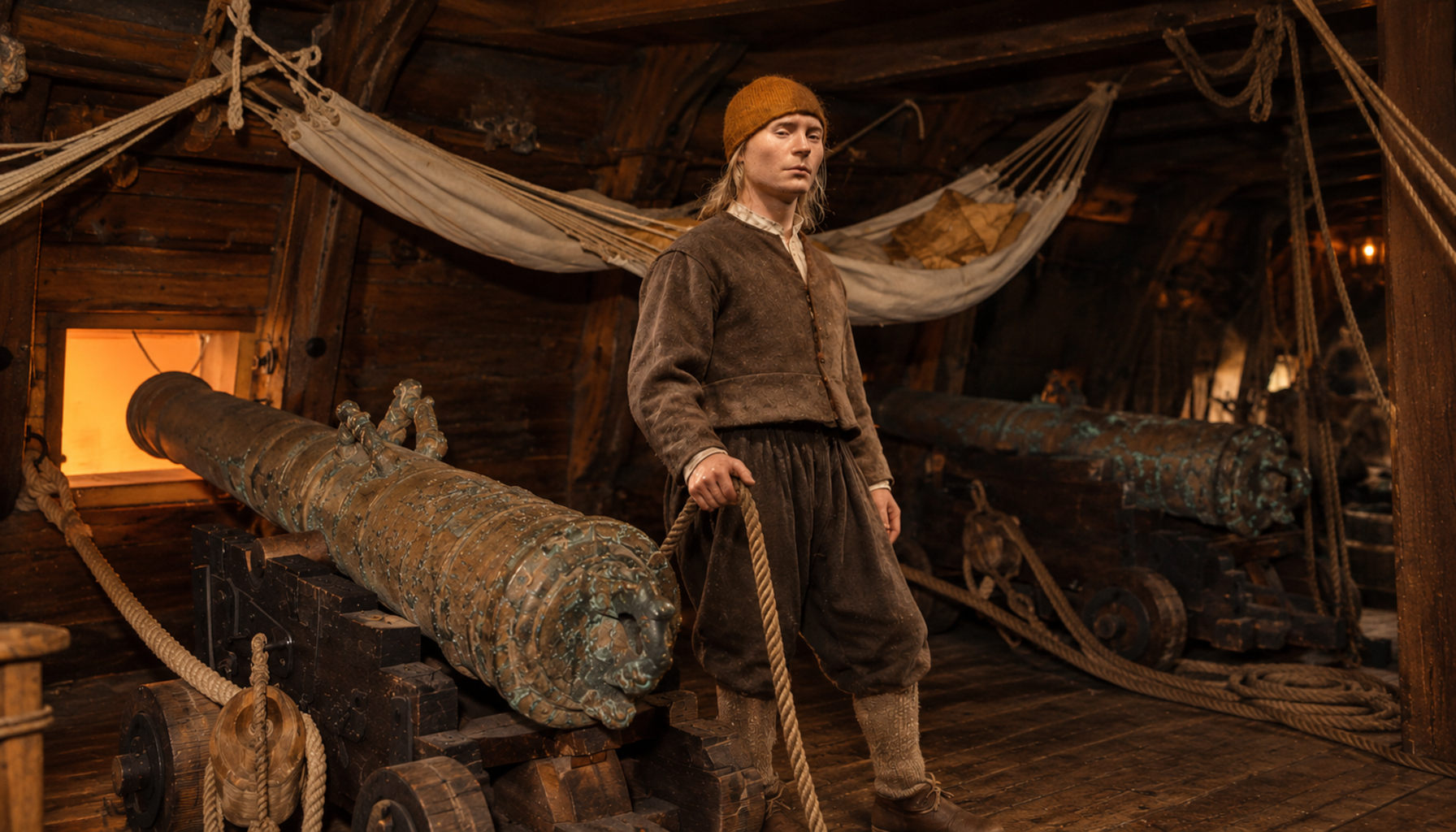
Haplogroups and Noble Lines Swedish Warship Kronan Sailor The man represented by sample kro016 was one of the crewmen lost aboard Kronan, the giant flagship of the Swedish navy, when she went down at the Battle of Öland in 1676. We do not know his personal name, birthplace, or rank from the information supplied, and that uncertainty matters. By Caterina • 4 min read
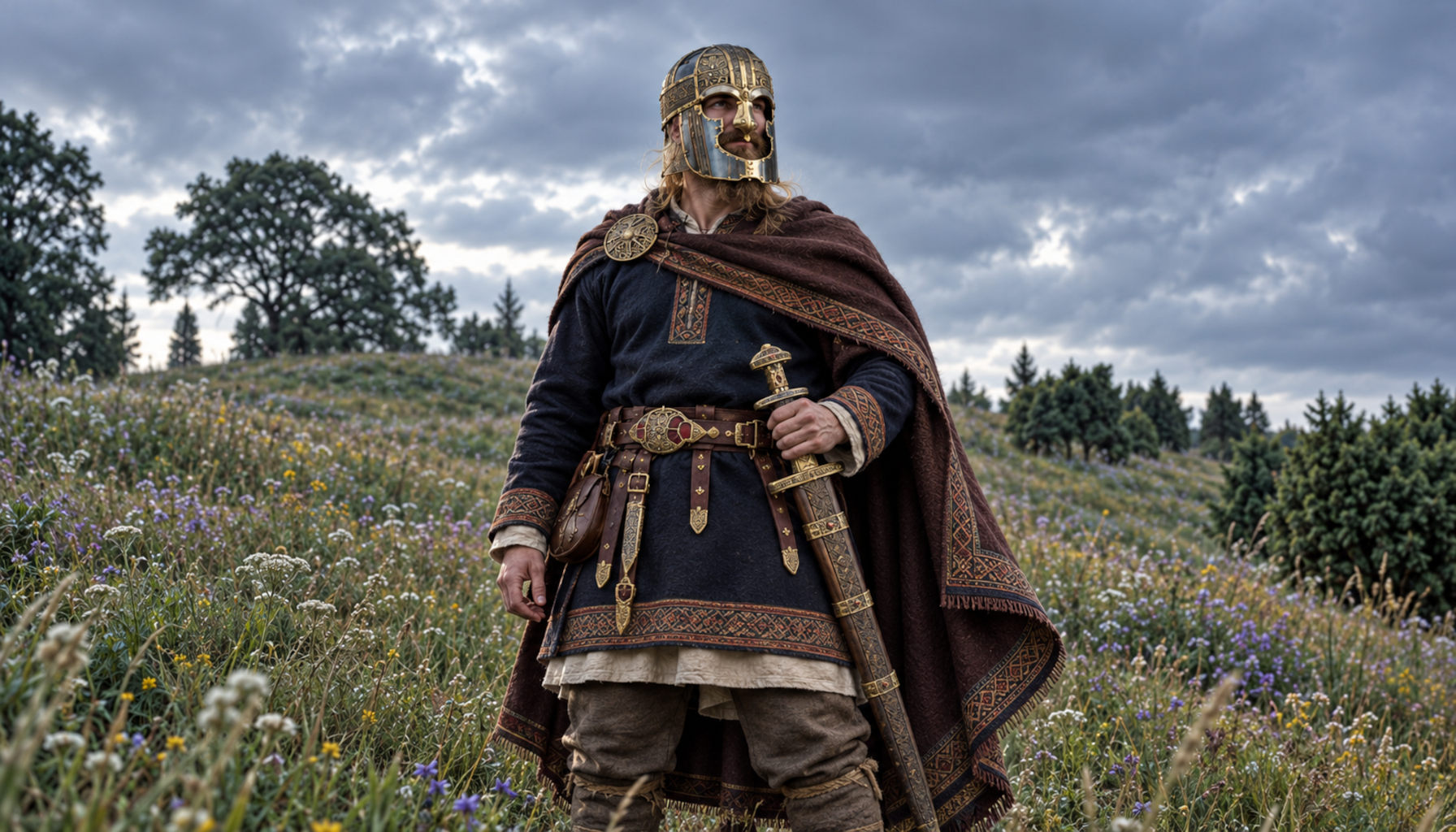
Haplogroups and Noble Lines Elite Vendel Warrior of Uppland The Elite Vendel Warrior of Uppland was a high-status man buried around 588 AD at Tuna in Alsike in the Mälaren region of eastern Sweden, at that intriguing hinge-point between the Migration Period and the Vendel Period. He is known in the genetic record as sample als001, and he matters By Sara V • 5 min read
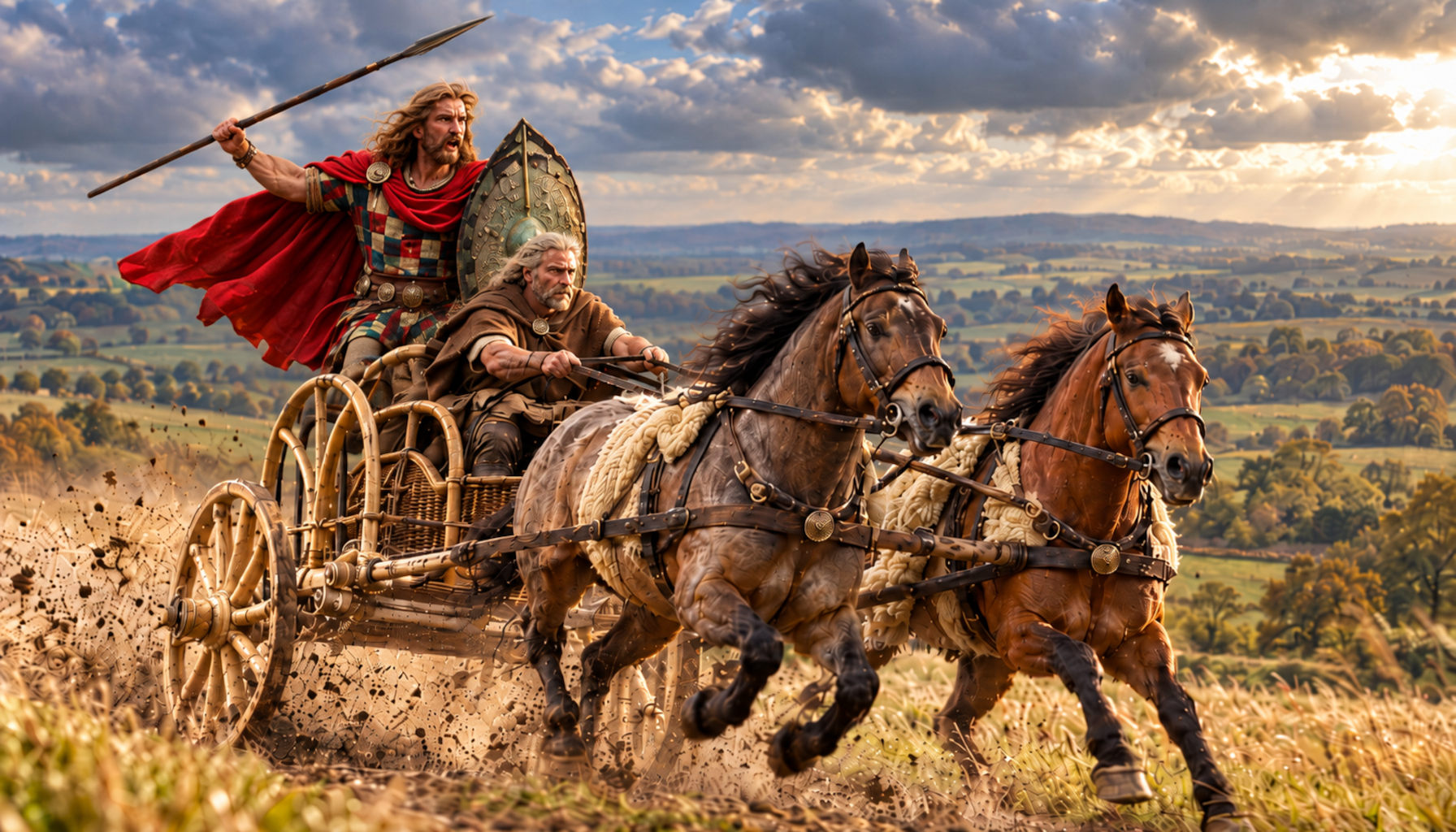
Haplogroups and Noble Lines Celtic Charioteer of Pocklington The Celtic Charioteer of Pocklington was an elite Iron Age Briton buried in East Yorkshire around 225 BC, in the centuries before Rome reached Britain. Known in ancient-DNA research as sample I5511, he belongs to that rare and fascinating archaeological world in which power was displayed not only in life By Sven • 4 min read