Ancient Human DNA from Open-Air Sediments in Japan: Katsuren Castle

– 8 min read


Ancient Human DNA Without Bones: Stories in the Soil
This comprehensive study explores an ingenious workaround for one of archaeology's most fundamental problems: bones do not last forever. In humid, acidic landscapes, skeletons crumble and vanish, taking their genetic secrets with them. The research asks a bold question: can the ground itself – the sediments that once surrounded the dead – still whisper their stories? This investigation spans multiple sites across Japan, examining how human DNA enters and persists in archaeological sediments, challenging traditional approaches to ancient genetics.
The global map of ancient human DNA reveals an uncomfortable truth: vast regions remain genetically silent not because people did not live there, but because preservation conditions and research funding have vanished in different ways. Most celebrated ancient genomes come from natural archives like cool, dry caves in Europe and Siberia, or high-altitude rock shelters on the Tibetan Plateau. These environments act like freezers, preserving bones and DNA for tens of thousands of years.
Famous examples include Denisova Cave in Siberia, where Neanderthal and Denisovan DNA was recovered from sediments, and Baishiya Karst Cave on the Tibetan Plateau, which preserved ancient hominin traces. However, this creates a misleading impression that human history occurred primarily in caves in cool climates. Two main forces skew the global ancient DNA record: taphonomic bias, where acidic soils and warm temperatures destroy organic materials, and research bias, where studies concentrate on regions with established infrastructure and funding.
Japan exemplifies these challenges perfectly. Archaeologically, the islands represent a treasure house of castles, villages, shell middens, and ritual sites spanning millennia. Genetically, however, Japan presents difficult terrain due to acidic volcanic soils, high humidity, warm temperatures, and frequent earthquakes that fragment bone preservation. These conditions echo across Southeast Asia – regions central to modern human dispersal stories but with very few usable ancient genomes.
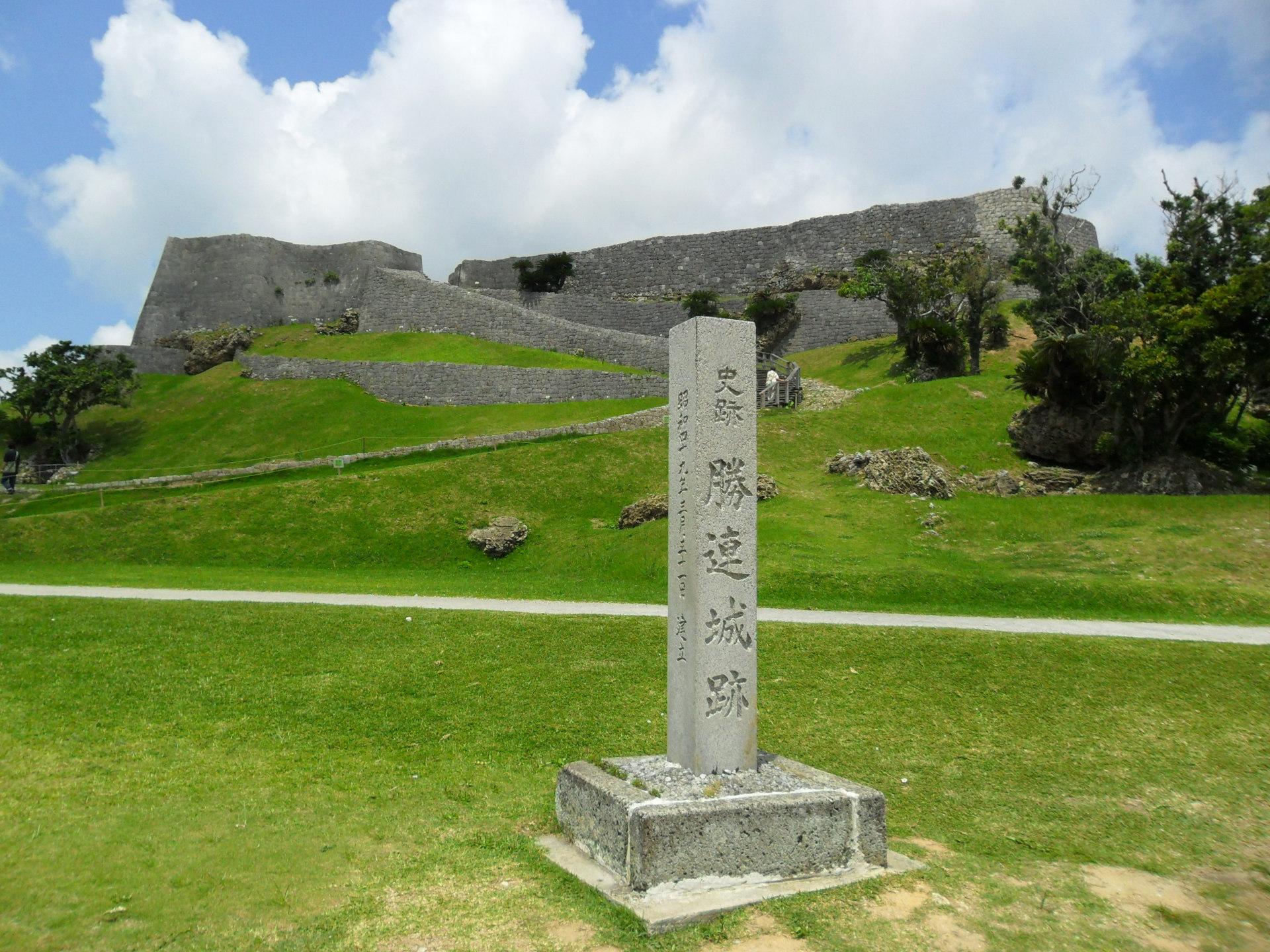
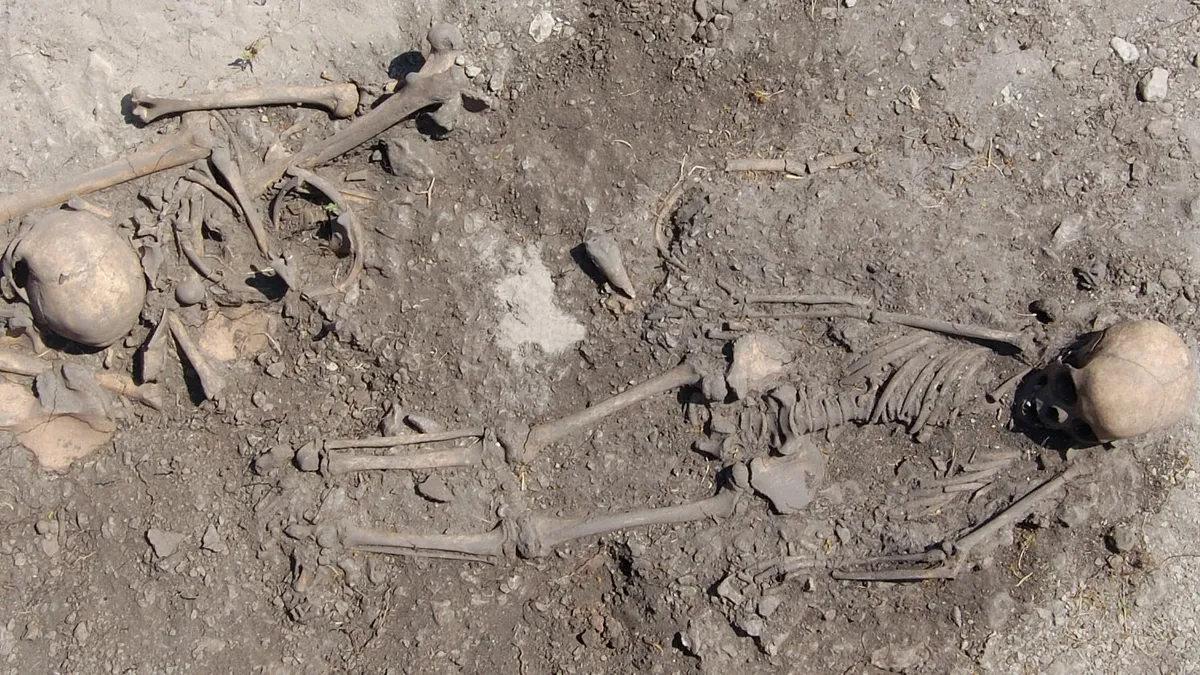
One of the study's primary sites is Katsuren Castle in Uruma, Okinawa, a coastal stronghold from the Gusuku period dating approximately 800-900 years ago. Today recognized as a World Heritage castle ruin, this fortified hilltop site once supervised trade routes linking Japan, China, and Southeast Asia. Beneath the castle walls, archaeologists uncovered two carefully placed burial pits from the mid-12th to early 13th centuries, positioned almost as if the wall itself was founded upon these individuals.
From Pit 138, researchers sampled sediment from inside the skull, around the hip bones, and around the ribs, along with a rib bone for comparison. From Pit 178, they collected similar samples from multiple body regions. The graves belong to the period of emerging island polities and trade networks in the Ryukyu Islands, when local chiefs were establishing fortified landscapes of power and overseas contacts.
The breakthrough came from sediment analysis around the rib cages. As bodies decompose, fluids and soft tissues leak into nearby sediment, and under favorable conditions, genetic material fragments cling to mineral grains for centuries. The researchers targeted mitochondrial DNA – genetic material from cellular energy factories passed through the maternal line. Remarkably, sediment next to the skeletons yielded exactly the same maternal lineages as the bones themselves.
Sediment from Pit 138 matched the M7a1b1 lineage found in that person's rib bone, while sediment from Pit 178 carried D4a1, precisely matching its corresponding skeletal remains. These lineages are not arbitrary labels – previous research on Okinawan burials and modern populations demonstrates that M7a and D4 lineages have long been especially common in the islands. The sediment effectively acts as an echo of the person who once lay within it.
To test whether sediment DNA recovery would work in different contexts, researchers examined Oshima 2 in Kitami, Hokkaido. This Satsumon period dwelling site from the 11th-12th centuries represents everyday northern Japanese life rather than elite burial practices. Archaeologists have used pottery styles and radiocarbon-dated charred wood to establish the site's chronology, capturing a community engaged in cooking, storing food, tending fires, and discarding refuse.
The team systematically sampled eleven locations including house floors, storage pits, oven fills, and outdoor activity areas. These represent precisely the contexts where people would have walked, worked, and contributed biological traces through shed skin, hair, and sweat. Despite the cooler, drier conditions that theoretically favor DNA preservation, the sediments refused to yield sufficient human genetic material to identify mitochondrial lineages.
This contrast illuminates a crucial principle: everyday occupation does not guarantee recoverable genetic signatures in soil. At Katsuren Castle, decomposing bodies created concentrated, sustained inputs of human DNA into tightly bounded burial contexts. At Oshima 2, casual human contact with living surfaces – especially when filtered through clothing and footwear – deposits only diffuse traces that disappear through centuries of weathering and microbial activity.
The study extends beyond human DNA to examine bacterial communities preserved in bones and sediments, revealing how decomposition creates distinct microbial signatures. At Katsuren Castle, sediment around ribs shows bacterial communities positioned halfway between bone-associated and soil-associated microbes. This intermediate signature suggests that as bodies decayed, microbes from corpses and surroundings mingled and altered local soil ecosystems.
Particularly significant is the recurring presence of Streptosporangium bacteria in samples yielding human DNA. These organisms appear in bones and surrounding sediments at Katsuren Castle, displaying high levels of ancient DNA damage patterns that confirm genuine antiquity. Other studies have documented Streptosporangium thriving on human bones and calcite crusts forming over cave skeletons, suggesting these bacteria play important roles in what researchers term the "necrobiome" – the changing community of microbes colonizing bodies after death.
As these microorganisms work through flesh and bone, they reshape the chemistry and biology of surrounding soil, influencing which DNA fragments preserve and which vanish. The microbial evidence provides an additional validation tool: samples showing both damaged human DNA and bone-influenced bacterial communities offer stronger confidence in ancient burial processes rather than modern contamination.
This research establishes several crucial methodological principles for future work. First, burial contexts significantly outperform occupation contexts for sediment DNA recovery. Graves represent closed, intense decay events that concentrate genetic material, while house floors experience only gentle, diffuse inputs of biological traces. Second, sampling location within burials matters enormously – sediment adjacent to rib cages provides optimal recovery because internal organs decompose and release DNA-rich fluids into immediately surrounding soil.
The work also demonstrates potential for non-destructive screening approaches. Before drilling into culturally sensitive or rare skeletal remains, researchers could sample burial sediments to assess DNA preservation and basic population affiliation. This respects both scientific and cultural concerns about disturbing human remains while providing preliminary genetic information.
For settlement sites, the limited success at Oshima 2 suggests that future efforts should target more concentrated biological deposits such as latrines, refuse pits, or food preparation areas where bodily materials might accumulate. Ordinary living floors and hearths may simply be too clean in genetic terms to preserve recoverable human DNA signatures.
Sediment DNA research raises complex ethical questions alongside its scientific promise. While the approach offers potential for more inclusive ancient DNA studies that encompass regions previously excluded due to poor bone preservation, it also introduces new concerns about consent and cultural sensitivity. Sediment sampling appears innocuous but can quietly capture human genetic information and ancestral lineages without obvious indication.
The method demands expanded consultation with descendant communities and indigenous groups, clear protocols for sediment sampling and storage, and transparent communication about research goals and limitations. Future archaeological genetics will likely employ sediment DNA as part of broader toolkits combining traditional skeletal analysis, environmental DNA approaches, and careful attention to cultural contexts and community concerns.
The successful recovery of maternal lineages M7a1b1 and D4a1 from Okinawan castle sediments demonstrates that ordinary-looking earth can preserve genetic traces of real people with connections to living populations. These individuals beneath Katsuren Castle walls are simultaneously Gusuku-period islanders and pioneers of new archaeological approaches where ground becomes genetic archive when skeletons disappear.
For regions like Japan and Southeast Asia with acidic soils and poor bone preservation, sediment DNA offers pathways to begin redressing global imbalances in ancient genetic research. Rather than limiting studies to dramatic caves or permafrost, researchers can now explore the soil beneath castle walls, forgotten grave pits in humid valleys, and thin earth layers that once wrapped bodies centuries ago.
The research ultimately invites fundamental reconsideration of where ancient DNA ought to be found and how archaeological genetics should proceed. By showing that even exposed, weathered sites can preserve human genetic signatures in burial contexts, the study opens possibilities for recovering ancestry information from vast regions previously considered genetically silent. The sediments surrounding graves worldwide could quietly hold genetic stories of individuals whose bones have completely decayed, transforming our understanding of human dispersal, interaction, and cultural development across previously inaccessible landscapes and time periods.
 Find this author on Google Scholar
Comments