Unravelling Columbus’ Lineage: Forensic SNP Sequencing Identifies 17th–18th-Century Descendants
– 6 min read


The Hidden Crypt of Columbus' Descendants in Gelves
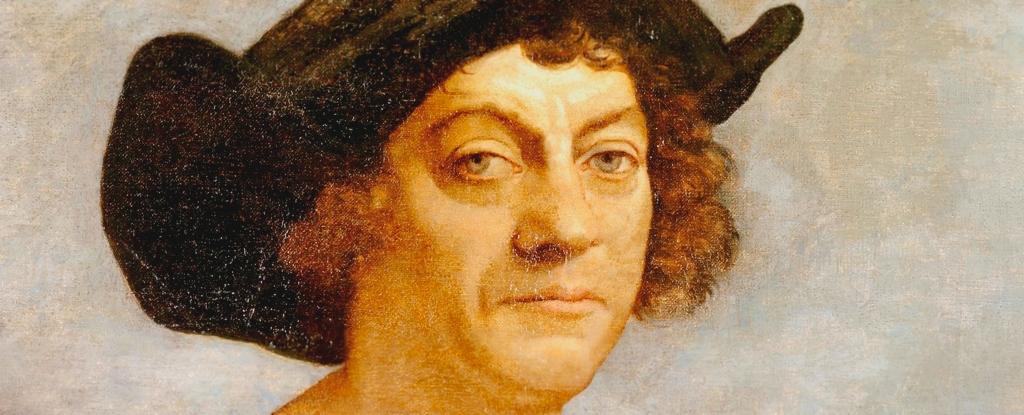
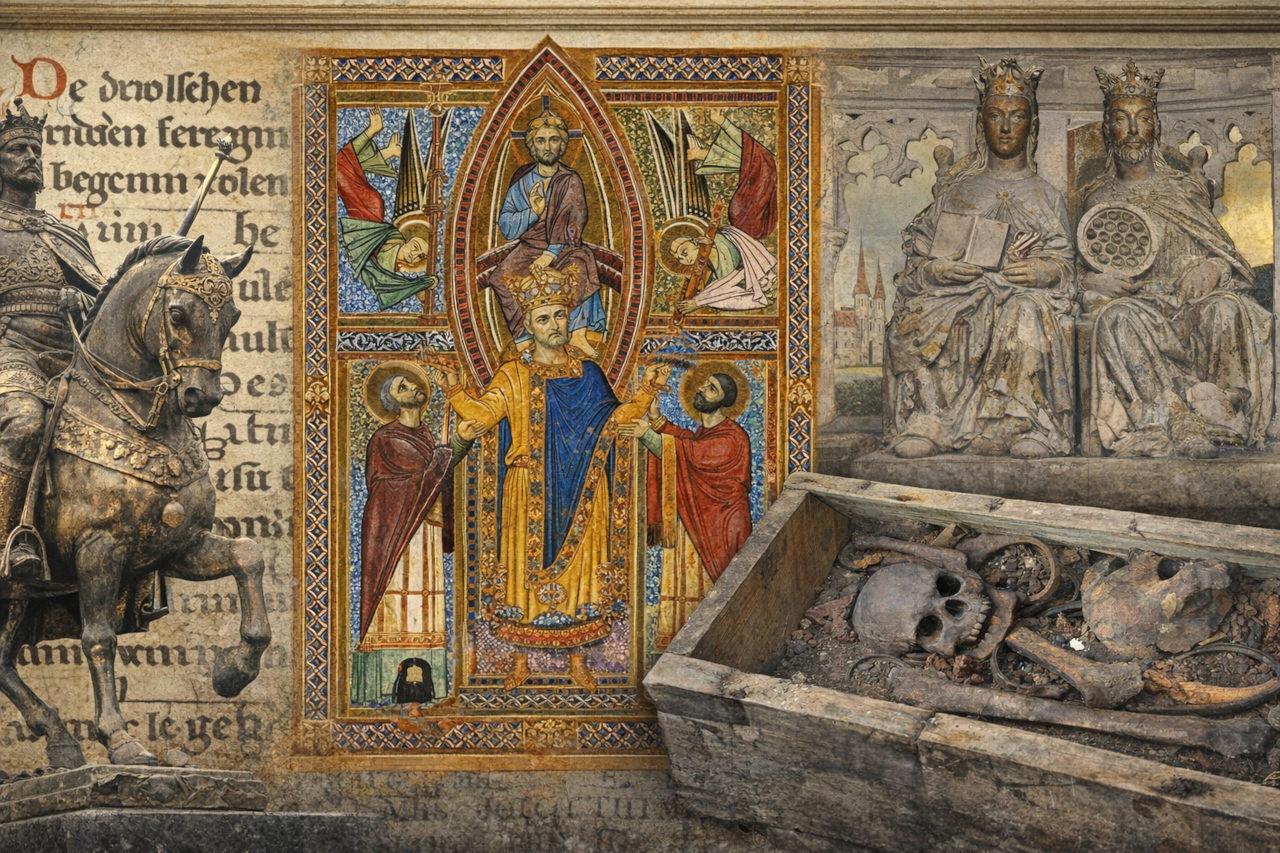
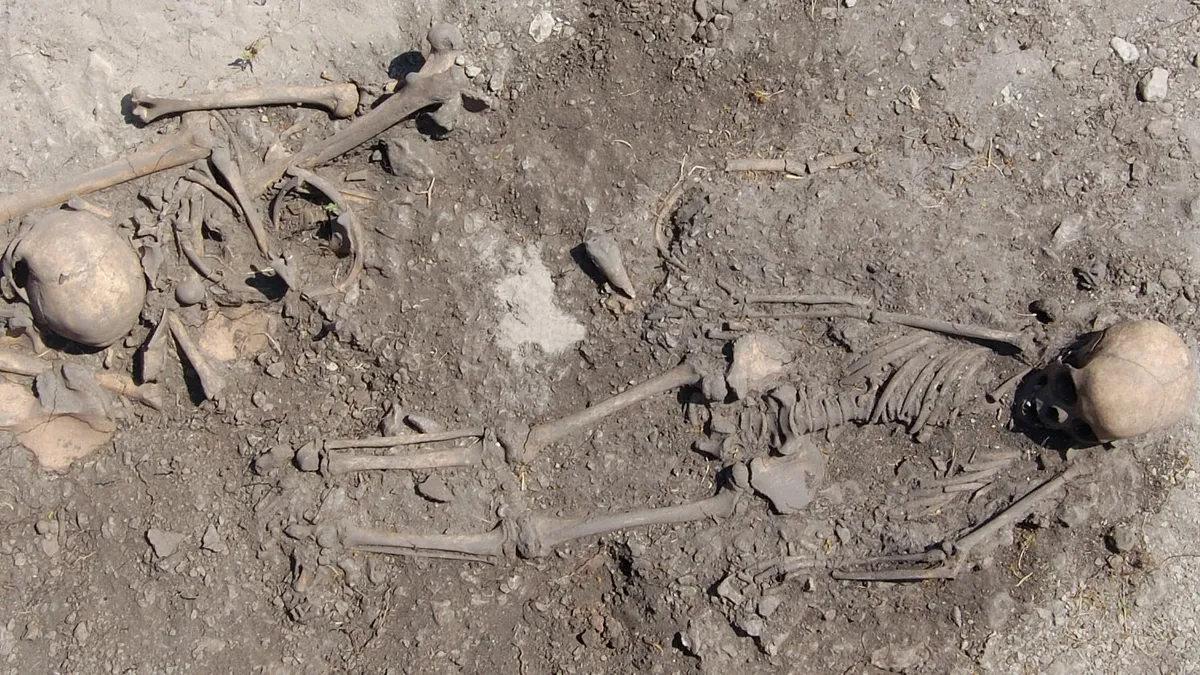
Deep beneath the church of Santa María de Gracia in Gelves, near Seville, lies a family crypt that for centuries remained sealed by ecclesiastical authority. This underground pantheon belongs to the Counts of Gelves, a noble lineage that traces its ancestry directly back to Christopher Columbus. When archaeologists were finally granted access to this hidden chamber, they discovered not the orderly arrangement of coffins they expected, but rather a complex archaeological puzzle: the commingled remains of at least twelve individuals, men and women from across four centuries, all packed together in four anonymous cardboard boxes.
The crypt, established in the sixteenth century during the height of Spanish colonial power, served as the final resting place for generations of Columbus descendants who held the prestigious title of Count of Gelves. Historical records suggested that several high-ranking nobles from the seventeenth and eighteenth centuries lay within, but time and repeated use of the burial space had transformed what once were ceremonious individual interments into a jumbled collection of anonymous bones.
This remarkable archaeological site represents far more than a simple burial ground. It stands as a three-dimensional family archive, where the genetic legacy of one of history's most famous explorers has been preserved in stone and bone. The pantheon's location along the historic routes connecting Seville to the Atlantic Ocean serves as a poignant reminder of the maritime adventures that first brought fame to the Columbus name.
When we read about vanished civilizations, it’s easy to forget that their descendants still walk among us. If you’re curious which of them you might share roots with, you can explore your own genetic links at www.mytrueancestry.com.
The excavation revealed a distinctly modern problem within an early modern tomb: completely mixed skeletal material. Instead of clearly separated coffins bearing identifying inscriptions or heraldic symbols, the research team encountered what could only be described as a noble bone repository. Box 1 contained remains from eight different people, Box 2 held a single individual, Box 3 contained one person, and Box 4 housed three individuals, creating a complex puzzle that would challenge both archaeological and genetic expertise.
Through careful anthropological analysis, examining bone structure, dental wear patterns, and skeletal pathology, researchers identified at least twelve distinct individuals: six men and six women spanning several generations. From this larger group, four individuals became the primary focus of intensive study, designated as I4, I13, I21, and I22. These four specimens showed the best preservation and most promising potential for genetic analysis, while historical records suggested they represented key figures within the documented Gelves lineage.
The grave goods in this elite burial space were not the typical jewelry, weapons, or ceremonial objects found in many noble tombs. Instead, the most valuable artifacts for modern researchers proved to be the bones themselves, particularly the well-preserved teeth and molars that had remained firmly anchored in jaw bones throughout the centuries. These dental remains functioned as miniature time capsules, protecting precious genetic material from the destructive effects of moisture, soil chemistry, and microbial activity that typically devastate DNA in archaeological contexts.
The successful genetic analysis of the Gelves remains required overcoming significant technical challenges that have historically limited ancient DNA studies. Traditional forensic methods typically rely on longer stretches of genetic material called short tandem repeats, but these sequences rarely survive intact in bones that are centuries old. The DNA in archaeological remains typically fragments into tiny pieces through a process called diagenesis, where soil minerals infiltrate the bone matrix and environmental factors steadily break down the original genetic structure.
Rather than attempting to work with these longer, more vulnerable genetic regions, the research team employed a cutting-edge approach focused on thousands of very short genetic markers scattered throughout the entire genome. Each of these single-letter genetic variations, known as single nucleotide polymorphisms, requires only a few dozen DNA building blocks to read successfully, making them far more likely to survive the centuries-long degradation process that destroys longer genetic sequences.
This technological shift represents a fundamental advance in archaeological genetics. Where earlier studies might confirm that individuals shared a distant ancestral line or belonged to the same general family group, this high-resolution approach allows researchers to determine precise relationships between specific individuals, distinguishing between parents and children, siblings and cousins, or aunts and nephews with remarkable accuracy.
The laboratory processing of the Gelves samples revealed the painstaking precision required for ancient DNA analysis. Selected teeth were carefully cleaned, disinfected, and ground into fine powder under sterile conditions to prevent contamination from modern genetic material. Despite the age of the remains, ranging from three to four hundred years old, the genetic preservation proved surprisingly robust, particularly for individuals I4, I13, and I21, while I22 showed more significant degradation patterns.
The genetic analysis focused on nearly ten thousand carefully chosen positions across the human genome, each representing a location where individuals might differ by a single genetic letter. This massive dataset allowed researchers to calculate the probability of various family relationships by measuring exactly how much genetic material each pair of individuals shared. The approach functions essentially as a sophisticated historical paternity test, capable of working backwards through centuries to reconstruct family connections that written records alone could never fully capture.
The sex chromosomes provided crucial additional layers of information for untangling family relationships. The Y chromosome, passed virtually unchanged from father to son, revealed that all three male individuals carried identical genetic signatures along their paternal line, confirming their membership in the same male lineage descending from the Columbus family. The X chromosome patterns allowed researchers to test potential mother-child relationships, ultimately confirming strong evidence for a maternal bond between I21 and I22 while ruling out a similar connection between I21 and I13.
By combining genetic evidence with historical documentation and archaeological context, the research team successfully reconstructed a detailed four-generation genealogical structure for the Gelves branch of the Columbus family. This reconstruction transforms a collection of anonymous bones into a mapped network of parents, children, grandparents, and grandchildren, each occupying a specific position within the documented noble lineage.
The genetic data revealed fascinating insights into early modern Spanish nobility, including evidence of the restricted marriage patterns common among aristocratic families seeking to preserve wealth and titles within limited social circles. This demographic pattern appeared in the genetic profiles as reduced diversity across the genome, a signature of populations with limited numbers of founding ancestors and preferential marriage within extended family networks.
The crypt's organization also provided clues about how the family understood death, memory, and lineage across generations. The separate placement of individual I4 in Box 3 suggests his remains received distinct treatment during later reorganization of the burial space. The clustering of I21 and I22 in Box 4 hints that these two individuals were always perceived as a linked pair, quite possibly the mother-son relationship confirmed by genetic analysis. Meanwhile, Box 1's dense collection of bones from eight different people, including I13, indicates the space underwent multiple episodes of reuse and eventual consolidation.
The Gelves study represents a significant advance over earlier genetic investigations of historical figures, which typically could confirm only broad dynastic connections rather than specific individual relationships. Famous cases like the analysis of Louis XVI's preserved blood, the identification of the Romanov imperial family remains, or studies of Genghis Khan's genetic legacy have relied primarily on uniparental markers that trace either purely maternal or purely paternal lines across many generations.
While these earlier approaches proved valuable for confirming general family connections or ruling out proposed identifications, they lacked the resolution necessary for detailed genealogical reconstruction. The traditional methods could suggest that individuals shared distant common ancestors, but they struggled to distinguish between different types of close relationships or to position people precisely within complex family structures.
The high-resolution genomic approach demonstrated in the Gelves crypt opens entirely new possibilities for historical archaeology. Where previous studies might confirm that several skeletons belonged to the same royal house or noble lineage, this methodology can potentially map out the detailed relationships within aristocratic families, identifying specific generations, marriage patterns, and inheritance lines that shaped political and social history.
The family pantheon beneath Santa María de Gracia functions as far more than a simple burial vault. It represents a carefully constructed statement about noble identity, family continuity, and social status in early modern Spain. The Counts of Gelves, conscious of their connection to Christopher Columbus and the age of exploration that transformed the Spanish Empire, created a permanent monument to their lineage in stone and bone beneath the church floor.
The crypt's location within a religious building reflects the complex relationship between noble families and ecclesiastical authority in early modern Catholic Europe. Church control over the burial space ensured its protection across centuries of political upheaval, foreign invasion, and social transformation that might have threatened a purely secular family monument. This ecclesiastical guardianship ultimately preserved the genetic archive that made the current study possible.
The successful genetic analysis of the Gelves remains demonstrates how modern forensic techniques can breathe new life into archaeological discoveries, transforming silent bones into speaking witnesses of past lives, relationships, and social structures. The four individuals at the center of this study are no longer anonymous specimens labeled with clinical designations, but rather specific members of a documented noble house whose genetic signatures carry forward the biological legacy of Christopher Columbus into the seventeenth and eighteenth centuries.
Source: https://www.biorxiv.org/content/10.64898/2025.12.16.694569v1?ct
Discover how your DNA connects to ancient civilizations at www.mytrueancestry.com.
Comments