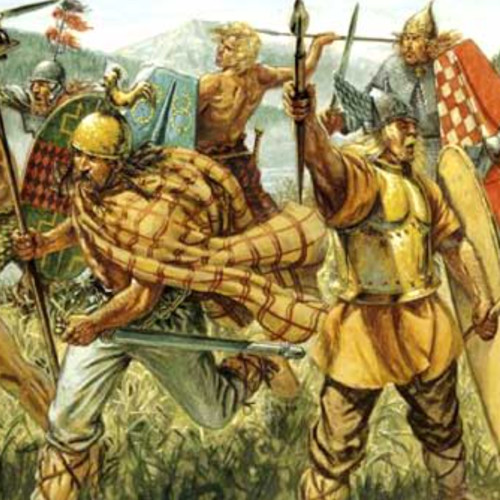
Triboci Discussion MTA Support January 01, 2020 – 1 min read Share this post Dedicated for all DNA, Analysis Results, History, Research topics related to: TribociThese people of eastern Gaul inhabited what is today Alsace. Considered Germanic by Caesar these fierce people joined the revolt of the Batavi. Share this post Written by MTA Support Comments Civilizations Scythians Discussion Dedicated for all DNA, Analysis Results, History, Research topics related to: Scythians Scythians had a reputation as the epitome of savagery and barbarism - they were among the earliest peoples to master mounted warfare. They lived in tent-covered wagons and fought with composite bows shot from horseback. With great mobility, By MTA Support • 1 min read Civilizations Ostrogoths Discussion Dedicated for all DNA, Analysis Results, History, Research topics related to: Ostrogoths Originating from Scandinavia, the Goths of Eastern Europe were shattered when Attila and the Huns blasted onto the scene. The Gothic kingdom was split - those who crossed the Danube to enter the Roman Empire became the Visigoths. By MTA Support • 1 min read Civilizations Gepids Discussion Dedicated for all DNA, Analysis Results, History, Research topics related to: Gepids Gepids were a Germanic tribe realted to the Goths, described as tall and blond-haired. The Gepids fought alongside the Huns against the Roman Empire around 440 AD. Later the Gepids founded a kingdom known as Gepidia in the By MTA Support • 1 min read Papers Proving the Ottonians: Ancient DNA Confirms the Paternal Kinship of Emperors Otto I and Henry II Ottonian Emperors, Cathedrals, and DNA: Bringing the Early Empire Back to Life Ottonian Emperors, Cathedrals, and DNA: Bringing the Early Empire Back to Life This comprehensive study plunges readers into the political heart of 10th and early 11th-century Europe, following the bones of two of its most important rulers: Emperor By Sven • 6 min read Papers Modern Human Expansion 300,000 Years Ago as a Driver of Neandertal Origins By Sara V • 6 min read Papers Goths as a Multi‑Ethnic Community: Ancient DNA By Caterina • 6 min read Papers The “Beachy Head Woman”: Ancient DNA Shows a Local Romano-Briton Beachy Head Woman: A Romano-British Life Revealed Beachy Head Woman: A Romano-British Life Revealed Through Modern Science Introduction: From Basement Box to Scientific Discovery In 2012, a forgotten skeleton emerged from a dusty box in Eastbourne Town Hall, bearing only a simple label: "Beachy Head (1959)". This discovery By Sara V • 6 min read Papers Kinship and Co‑Burial in Neolithic Sweden Genetic Kinship and Neolithic Co-burial Rituals on Gotland Genetic Kinship Shaping Neolithic Co-burial Rituals on Gotland This comprehensive study takes readers to Ajvide on the island of Gotland in the Baltic Sea, one of Stone Age Europe's largest and best-preserved hunter-gatherer cemeteries. Here, people of the Pitted Ware By Sven • 5 min read Papers Late Byzantine Burials and Sacred Memory at St Isidore’s Basilica, Chios Byzantine Monumental Architecture and the Deep Stratigraphy of St Isidore, Chios Byzantine Monumental Architecture and the Deep Stratigraphy of St Isidore, Chios The sacred landscape of the eastern Aegean reveals one of its most compelling stories through the Basilica of St Isidore at Chios, where layers of stone, mosaic, and By Caterina • 7 min read
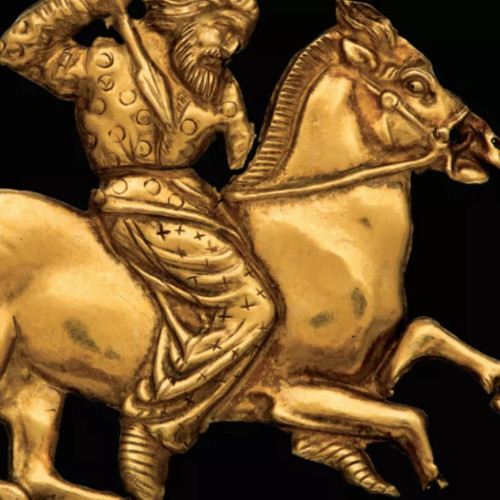
Civilizations Scythians Discussion Dedicated for all DNA, Analysis Results, History, Research topics related to: Scythians Scythians had a reputation as the epitome of savagery and barbarism - they were among the earliest peoples to master mounted warfare. They lived in tent-covered wagons and fought with composite bows shot from horseback. With great mobility, By MTA Support • 1 min read
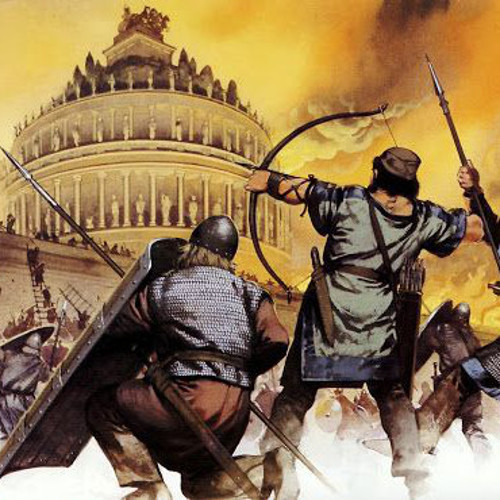
Civilizations Ostrogoths Discussion Dedicated for all DNA, Analysis Results, History, Research topics related to: Ostrogoths Originating from Scandinavia, the Goths of Eastern Europe were shattered when Attila and the Huns blasted onto the scene. The Gothic kingdom was split - those who crossed the Danube to enter the Roman Empire became the Visigoths. By MTA Support • 1 min read
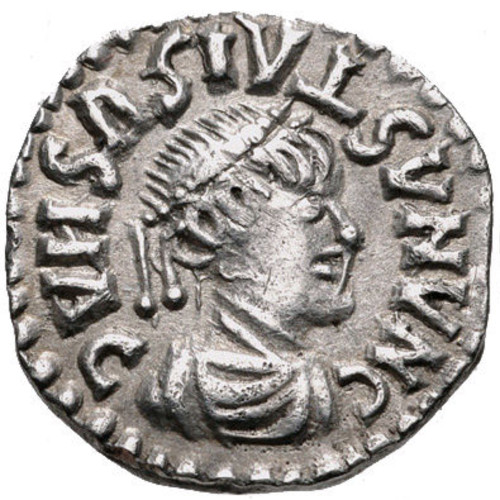
Civilizations Gepids Discussion Dedicated for all DNA, Analysis Results, History, Research topics related to: Gepids Gepids were a Germanic tribe realted to the Goths, described as tall and blond-haired. The Gepids fought alongside the Huns against the Roman Empire around 440 AD. Later the Gepids founded a kingdom known as Gepidia in the By MTA Support • 1 min read
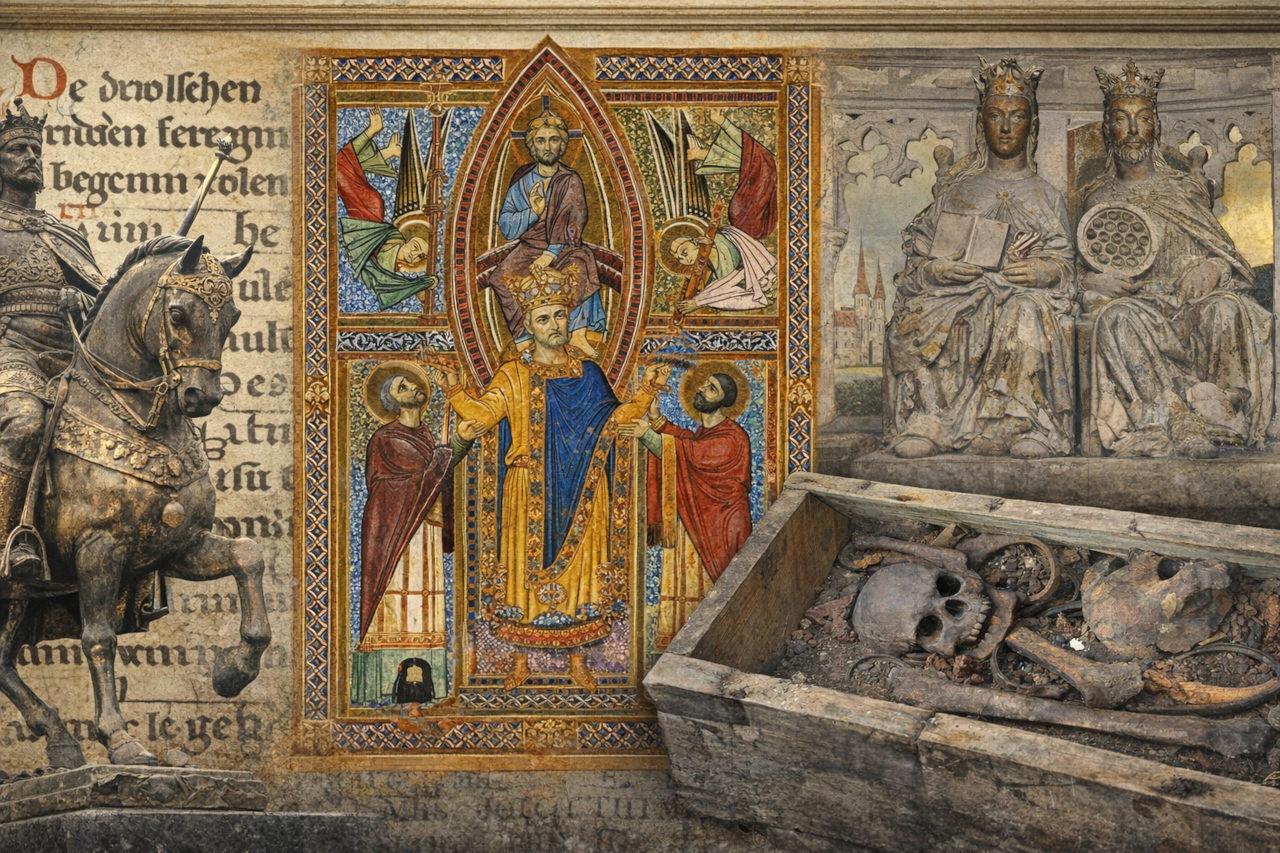
Papers Proving the Ottonians: Ancient DNA Confirms the Paternal Kinship of Emperors Otto I and Henry II Ottonian Emperors, Cathedrals, and DNA: Bringing the Early Empire Back to Life Ottonian Emperors, Cathedrals, and DNA: Bringing the Early Empire Back to Life This comprehensive study plunges readers into the political heart of 10th and early 11th-century Europe, following the bones of two of its most important rulers: Emperor By Sven • 6 min read
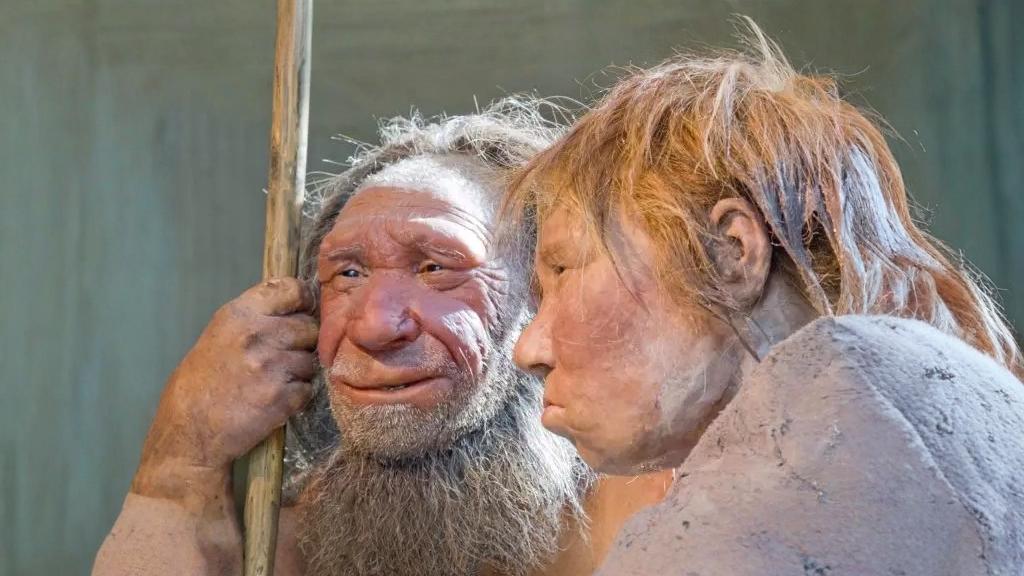
Papers Modern Human Expansion 300,000 Years Ago as a Driver of Neandertal Origins By Sara V • 6 min read
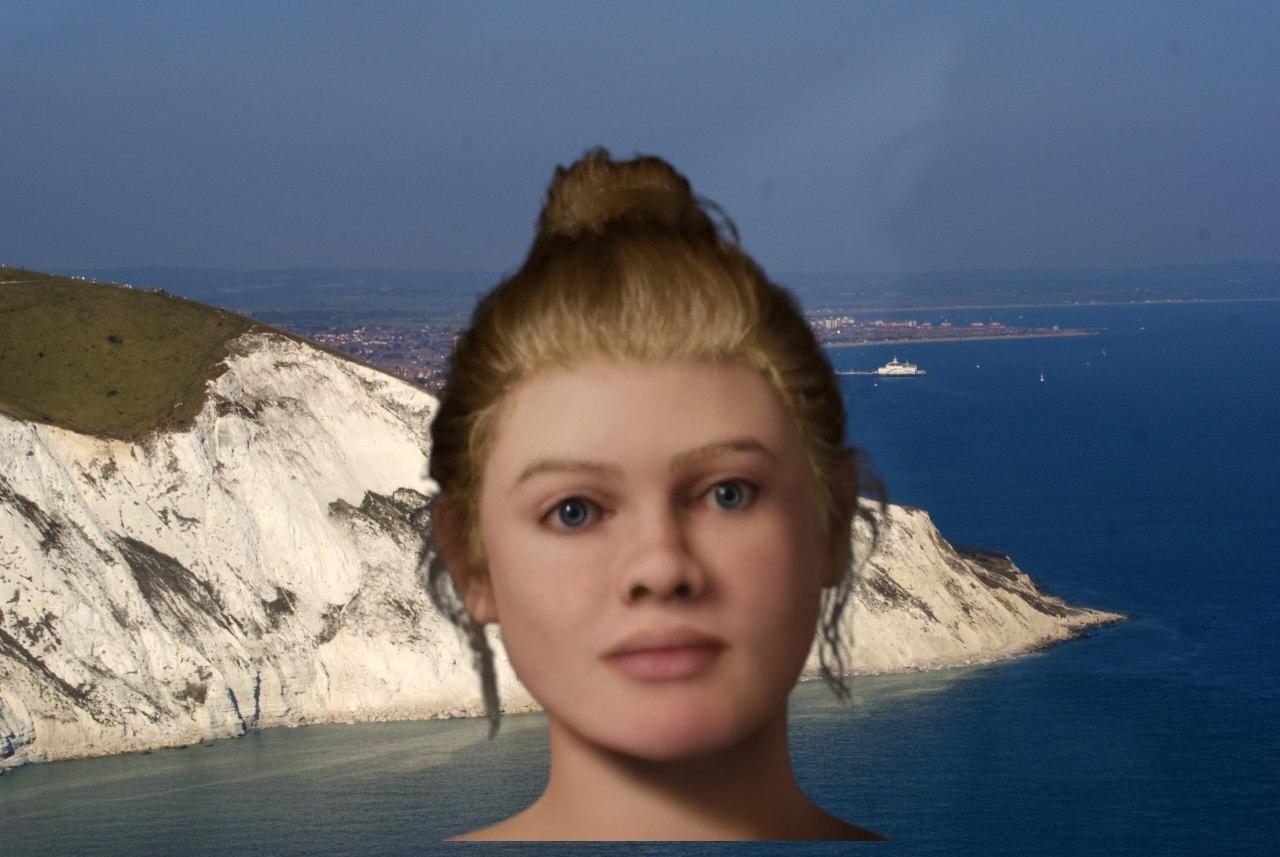
Papers The “Beachy Head Woman”: Ancient DNA Shows a Local Romano-Briton Beachy Head Woman: A Romano-British Life Revealed Beachy Head Woman: A Romano-British Life Revealed Through Modern Science Introduction: From Basement Box to Scientific Discovery In 2012, a forgotten skeleton emerged from a dusty box in Eastbourne Town Hall, bearing only a simple label: "Beachy Head (1959)". This discovery By Sara V • 6 min read
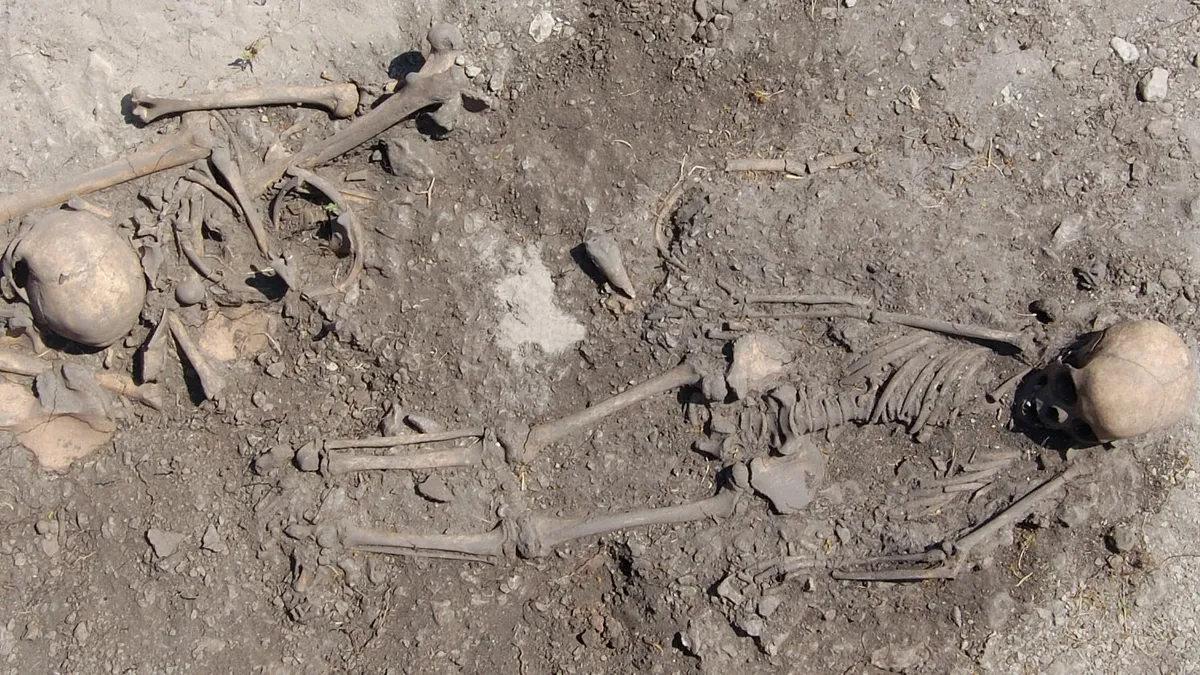
Papers Kinship and Co‑Burial in Neolithic Sweden Genetic Kinship and Neolithic Co-burial Rituals on Gotland Genetic Kinship Shaping Neolithic Co-burial Rituals on Gotland This comprehensive study takes readers to Ajvide on the island of Gotland in the Baltic Sea, one of Stone Age Europe's largest and best-preserved hunter-gatherer cemeteries. Here, people of the Pitted Ware By Sven • 5 min read
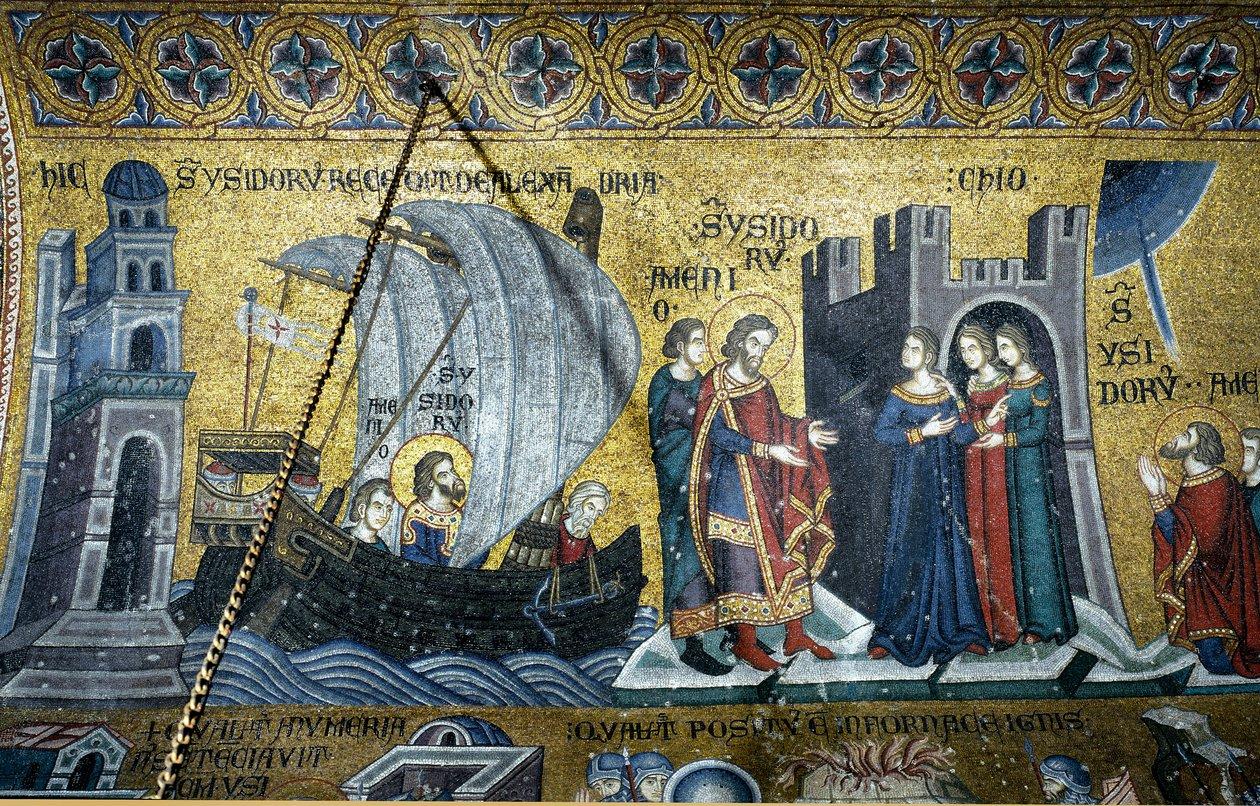
Papers Late Byzantine Burials and Sacred Memory at St Isidore’s Basilica, Chios Byzantine Monumental Architecture and the Deep Stratigraphy of St Isidore, Chios Byzantine Monumental Architecture and the Deep Stratigraphy of St Isidore, Chios The sacred landscape of the eastern Aegean reveals one of its most compelling stories through the Basilica of St Isidore at Chios, where layers of stone, mosaic, and By Caterina • 7 min read


Comments