Plague, Farmers, and Foragers: Ancient DNA Reveals Interaction and Disease Among Neolithic Gotlanders

– 4 min read


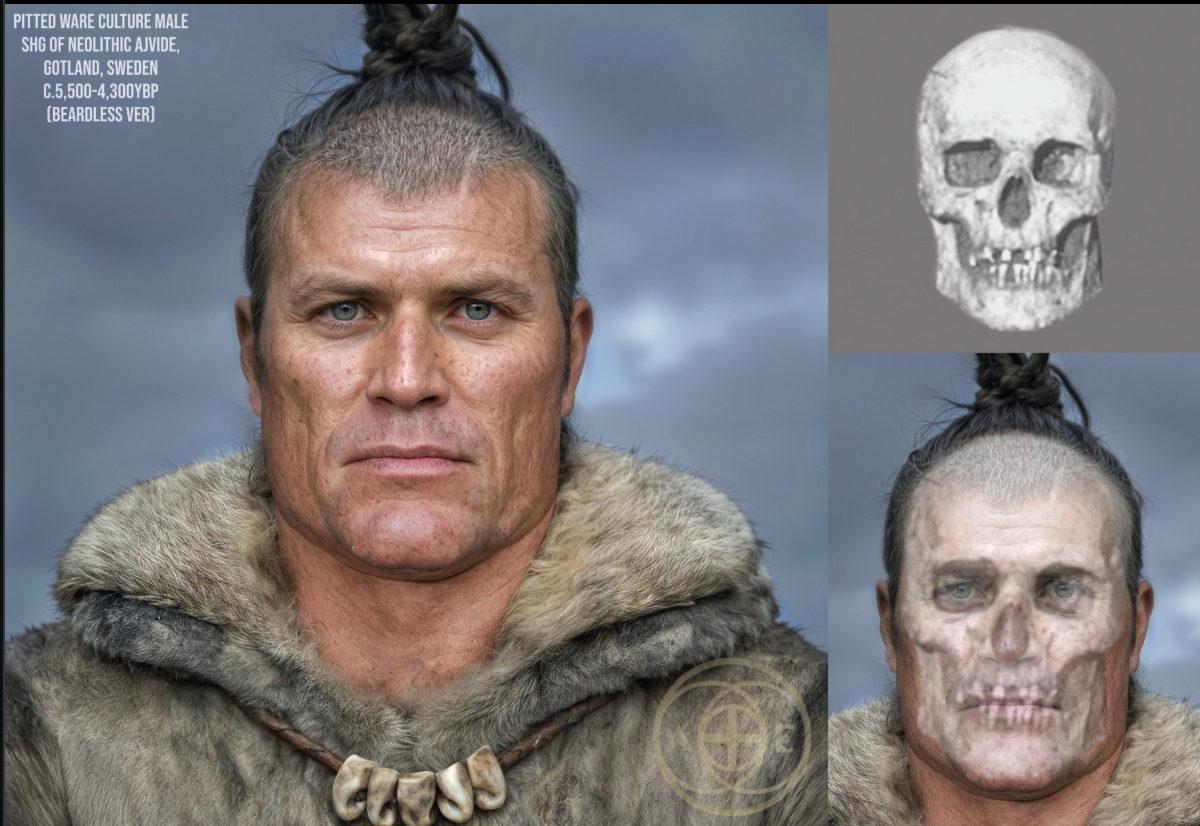
Neolithic Farmers and Foragers on Gotland
The windswept limestone island of Gotland in the Baltic Sea witnessed an extraordinary coexistence during the Middle Neolithic period, where two fundamentally different ways of life shared the same landscape for more than five centuries. Between approximately 3500 and 2300 BCE, the Funnel Beaker Culture established settled farming communities with livestock and monumental stone architecture, while the Pitted Ware Culture developed sophisticated marine foraging societies along the coasts, mastering seal hunting and maritime fishing. These cultures diverged dramatically in their pottery styles, architectural traditions, dietary practices, and genetic ancestry, yet they inhabited territories within sight of each other's settlements.
Behind every ancient burial site or artifact lies a human story — one that might, unexpectedly, connect to yours. Discovering that connection can be as simple as uploading your DNA at www.mytrueancestry.com.
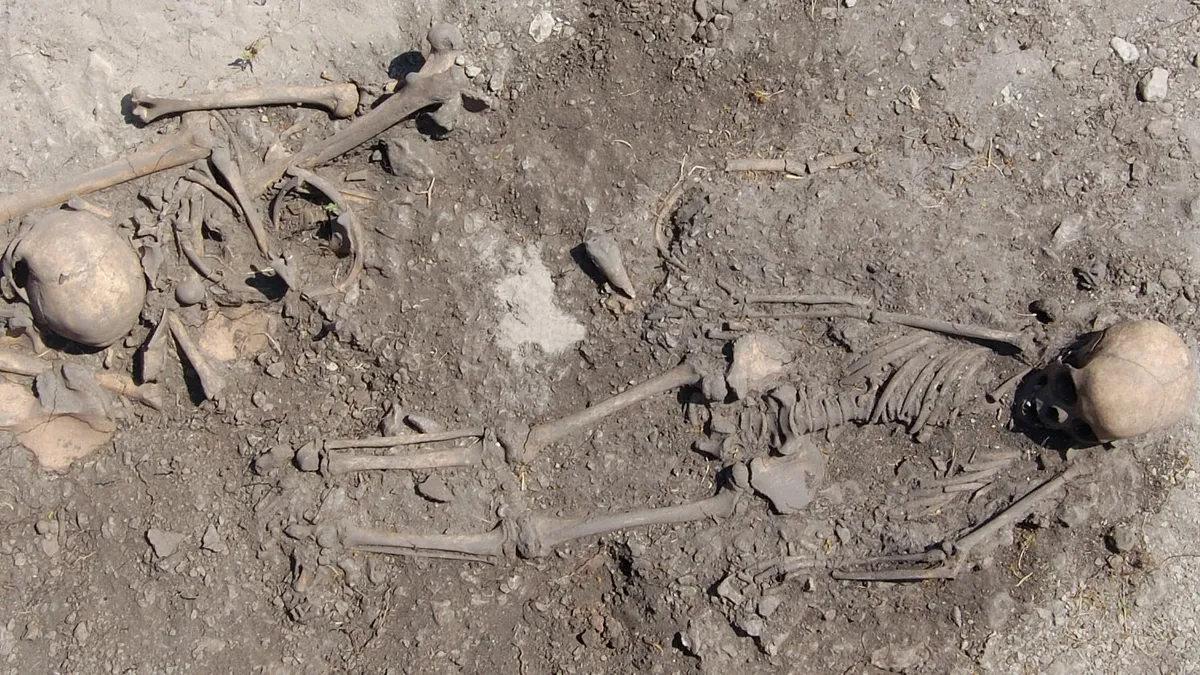
Central to understanding the farming community stands the Ansarve dolmen, Gotland's sole confirmed megalithic tomb of the Funnel Beaker tradition. This imposing stone monument, located near the ancient coastline at Tofta parish, served as a collective burial chamber for approximately thirty individuals across multiple generations. Archaeological investigations have focused particularly on six Middle Neolithic farmers interred between 3500-2600 BCE, alongside a significantly later individual buried nearly a millennium afterward.
Genetic analysis reveals the dolmen functioned as a patrilocal family tomb, where kinship ties determined burial rights across generations. Previous research identified shared male lineages among the interred men, indicating patrilineal descent patterns. The current study extends this understanding by demonstrating that two early women buried in the tomb, designated ans003 and ans005, were related at approximately the third degree, suggesting cousin relationships or great-aunt and niece connections.
This evidence transforms our understanding of the Ansarve dolmen from a general community burial ground into the exclusive resting place of a single extended family. The monument represents a localized expression of wider megalithic traditions documented across Denmark and mainland Sweden, yet it maintains distinctive insular characteristics reflecting Gotland's unique cultural development.
Among the Ansarve burials, individual SE_TRB_ans017 provides exceptional insights into Neolithic population dynamics. This juvenile male, dated to approximately 3330-2930 BCE, underwent high-resolution genome sequencing that reveals complex ancestral patterns and significant demographic information about early farming communities.
His genetic profile demonstrates descent from early Near Eastern farming populations, yet incorporates substantial hunter-gatherer ancestry comprising roughly two-fifths of his total genetic heritage. This hunter-gatherer component derives from both western European foraging groups and distinctive Scandinavian populations who occupied these coastal regions throughout the Mesolithic period.
Particularly striking are the extensive stretches of identical DNA inherited from both parents, indicating that his mother and father were first cousins. This level of close kinship, while uncommon in broader Neolithic European contexts, suggests the Ansarve community operated as a relatively small, possibly endogamous social group where marriage partners were frequently selected from within established family networks.
The Pitted Ware communities present a contrasting social organization centered on maritime resource exploitation. Their settlements and burial grounds, distributed across at least twenty documented sites, cluster along Gotland's former shorelines. The most extensively studied locations include Ajvide, Hemmor, and Västerbjers, where substantial cemeteries document thriving communities from approximately 3300 to 2300 BCE.
These coastal societies developed sophisticated technologies for marine resource procurement, evidenced by their characteristic pitted pottery, specialized hunting implements, and grave assemblages rich in seal bones and fishing equipment. Their flat inhumation burials, often accompanied by elaborate grave goods including decorated ceramics and animal tooth ornaments, reflect cultural traditions fundamentally distinct from the monumental architecture favored by farming communities.
Genetic analysis of nineteen individuals from these three sites reveals descent from older hunter-gatherer populations, closely related to earlier Scandinavian foraging groups but incorporating modest farming-related ancestry. This genetic mixing appears to predate the establishment of fully developed Pitted Ware culture on Gotland, suggesting mainland interactions between advancing agricultural populations and established foraging communities.
Kinship networks extended across multiple sites, with documented relationships between individuals buried at different locations. These connections suggest coordinated social organization among related coastal communities rather than isolated settlement clusters, indicating sophisticated territorial management and resource sharing agreements.
The relationship between Ansarve farmers and Pitted Ware foragers challenges simple replacement models of Neolithic cultural change. While both communities maintained distinct material culture traditions, genetic evidence reveals complex patterns of ancestral mixing and occasional intermarriage.
Critically, most genetic mixing between farmers and foragers occurred prior to both groups establishing permanent settlements on Gotland. The Ansarve farming community already possessed hunter-gatherer ancestry acquired through earlier continental interactions, while Pitted Ware populations carried farming-related genetic components obtained before their maritime culture fully developed on the island.
Nevertheless, ongoing interaction continued after both societies established themselves on Gotland. Several lines of evidence support continued, if limited, gene flow between the communities throughout their coexistence period. Individual ans016, representing the latest dated Ansarve farmer, exhibits elevated Scandinavian hunter-gatherer ancestry suggesting recent admixture, while multiple Pitted Ware individuals show genetic signatures of more recent farmer ancestry indicating direct intermarriage episodes.
The Ansarve dolmen's biography extends far beyond its original Funnel Beaker inhabitants. Around 2030-1890 BCE, individual SE_LN_ans010 was interred in the ancient monument, representing a completely different population background. His genetic profile demonstrates clear Steppe-related ancestry characteristic of Battle Axe and Corded Ware cultural complexes that transformed much of northern Europe during the Late Neolithic period.
This individual represents the earliest documented person with Steppe-derived ancestry on Gotland, marking a significant demographic transition. Strontium isotope analysis indicates he originated elsewhere, suggesting migration from mainland Scandinavian populations already influenced by these new genetic components. His burial in the centuries-old dolmen implies either appropriation of ancient monuments by incoming groups or integration of newcomers into existing territorial systems.
Metagenomic analysis reveals that these Neolithic communities faced significant pathogenic challenges, with evidence of Yersinia pestis infections affecting both farmers and foragers. The bacterium responsible for later plague pandemics was already circulating among Gotland's populations during the Middle and Late Neolithic periods.
Source: https://www.biorxiv.org/content/10.64898/2025.12.07.692553v1
Discover how your DNA connects to ancient civilizations at www.mytrueancestry.com.

Comments