Neanderthal Fat Factory: Discovering the Diet of Neanderthals

– 3 min read


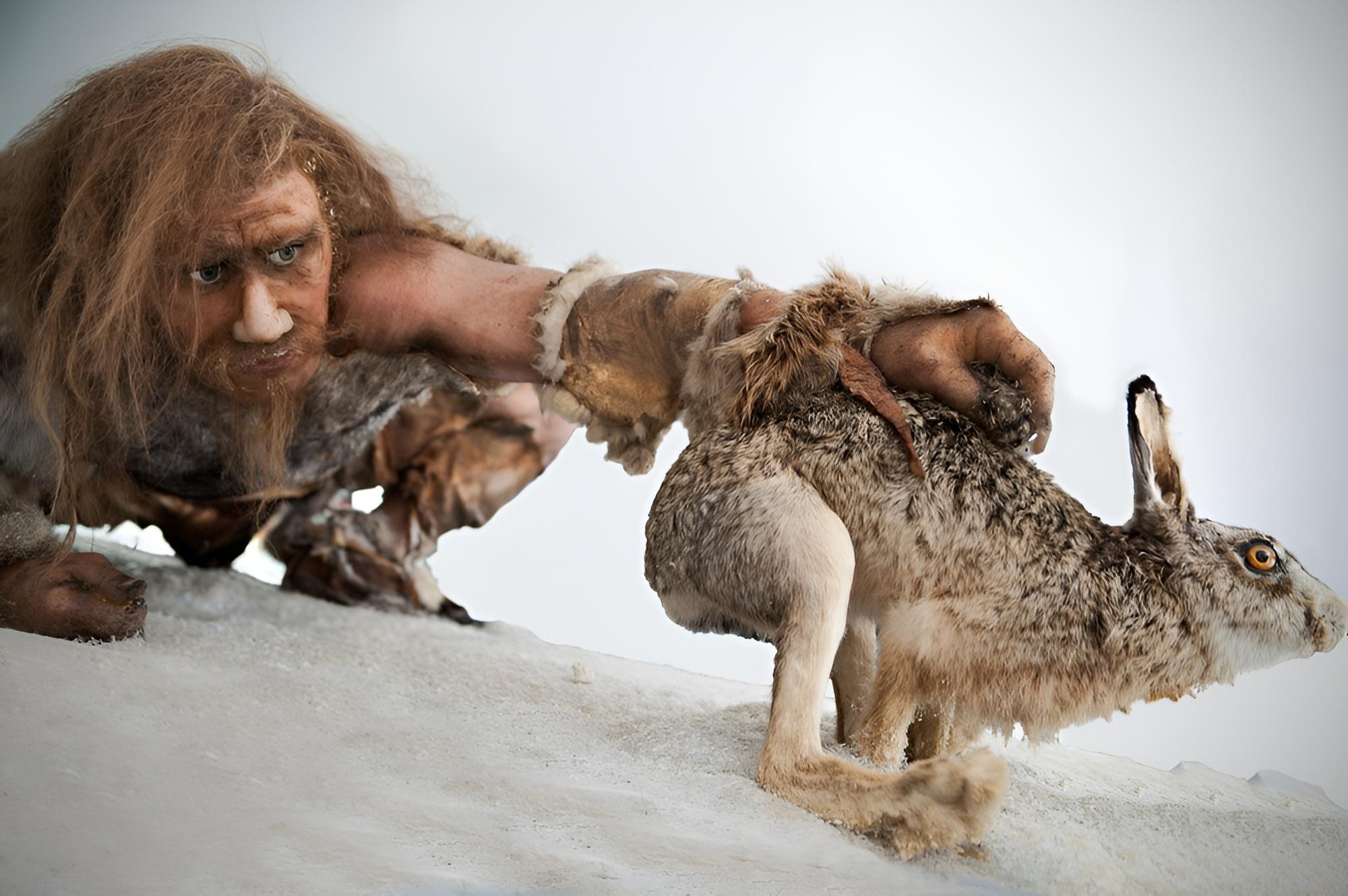
Recent archaeological research offers a captivating glimpse into the sophisticated subsistence strategies of Neanderthals at the Neumark-Nord site in Germany, around 125,000 years ago. This well-explored site provides a vivid image of the large-scale processing activities carried out by these ancient hunter-gatherers, fundamentally changing our understanding of their cognitive abilities and resource management techniques.
Neumark-Nord, located approximately 10 kilometers south of Halle in eastern Germany, is a remarkable archaeological site due to its exceptional preservation of Last Interglacial (Eemian) sediments and artifacts. This area, once a thriving landscape of interconnected lakes and mixed forests, offers invaluable insights into Middle Paleolithic lifestyles. The region's glacial history left behind intricate sedimentary basins that hold a well-preserved paleoenvironmental record, making it one of Europe's most significant windows into Neanderthal life.
Since the 1980s, detailed archaeological investigation has subjected Neumark-Nord to meticulous scientific scrutiny. Almost 30 hectares have been surveyed, unveiling a vibrant Last Interglacial basin landscape. Excavations at NN1 and NN2 have revealed tales of sophisticated animal use, with large clusters of flint artifacts and advanced tools unearthed from sediments that were once lively, temperate ponds surrounded by open woodlands.
The focus of recent studies is a lakeshore site where Neanderthals engaged in extensive bone processing to extract precious nutrients, particularly bone grease. This "fat factory" at Neumark-Nord 2/2 (NN2/2) is unparalleled in its scale and sheds light on early human adaptations that predate similar practices from the Upper Paleolithic by thousands of years. The site represents a specialized processing area covering approximately 50 square meters, where Neanderthals demonstrated remarkable efficiency in resource extraction.
Archaeologists uncovered evidence of intensive lipid processing involving at least 172 large mammals, including horses, bovids, deer, and even forest elephants. This work was meticulously performed at the water's edge, suggesting that ancient individuals transported carcass parts specifically for the purpose of extracting within-bone nutrients. The organized and repeated transport of fat-rich bones from across the landscape to NN2/2 reflects a level of planning and resource management previously thought to be beyond Neanderthal capabilities.
The assemblage at Neumark-Nord comprises over 16,000 flint artifacts, along with anvils and hammerstones crucial for processing bones. The sheer volume of small bone fragments indicates an effort-intensive practice of marrow extraction—bones were systematically shattered to produce grease, akin to a culinary operation designed to maximize caloric intake from animals. These basic but effective tools hint at intricate processing routines that required both skill and coordination.
The striking array of fragmented bones, tools, and evidence of meticulous butchery provides a direct window into the past, revealing an industrious community profoundly skilled in resource extraction. The presence of cut marks and impact notches on bones suggests complex processing activities, potentially involving collective workspaces by the water's edge where grease-rendering tasks took place. This bustling workshop atmosphere reflects a sophisticated understanding of collaborative food processing.
The faunal remains recorded at Neumark-Nord offer a compelling narrative about Neanderthal hunting practices. The age distribution among the slaughtered animals, notably horses, bovids, and cervids, points to a varied hunting strategy with a notable focus on nutrient-rich younger and prime-age individuals. This practice not only supported dietary needs but possibly also involved communal activities and social bonding.
Seasonality data extracted from the site reveal no strict hunting season, suggesting a year-round exploitation model. Evidence of hunting for both sustenance and materials appears throughout the archaeological record, with game including wolves being hunted possibly for their winter coats. This persistent presence implies a well-adapted Neanderthal community, deeply attuned to their surroundings and capable of thriving across all seasons.
Neumark-Nord was not merely a food processing hub; it was part of a broader diverse ecosystem that supported a wealth of flora and fauna. The surrounding open landscapes and mixed forests would have been vibrant centers of life, rich with not only large mammals but also an abundance of plant foods that complemented the lipid-heavy diet Neanderthals were extracting through their sophisticated bone processing techniques.
In this embracing warmth of what is now Germany, Neanderthals carved out a distinctive niche in the lush, expansive water-landscape, demonstrating a broad spectrum of resourcefulness. Here, amid lakes and swathes of interglacial greenery, evidence arises of what might best be described as an ancient industrial operation dedicated to the extraction of life's essential nutrients from within bone marrow and fatty tissues.
This study fundamentally enriches our understanding of Neanderthal dietary strategies and survival tactics. It challenges the timeline of technological advancements traditionally attributed to the Upper Paleolithic and suggests a sophisticated level of resource management and environmental manipulation by Neanderthals. The identified activities reveal profound insights into past human interaction with nature during a lush interglacial era of Europe.



Comments