DNA reveals 1,500 Years of Chono Population History in Chilean Patagonia Caterina December 02, 2025 – 4 min read Share this post Papers The “Beachy Head Woman”: Ancient DNA Shows a Local Romano-Briton Beachy Head Woman: A Romano-British Life Revealed Beachy Head Woman: A Romano-British Life Revealed Through Modern Science Introduction: From Basement Box to Scientific Discovery In 2012, a forgotten skeleton emerged from a dusty box in Eastbourne Town Hall, bearing only a simple label: "Beachy Head (1959)". This discovery By Sara V • 6 min read Papers Kinship and Co‑Burial in Neolithic Sweden Genetic Kinship and Neolithic Co-burial Rituals on Gotland Genetic Kinship Shaping Neolithic Co-burial Rituals on Gotland This comprehensive study takes readers to Ajvide on the island of Gotland in the Baltic Sea, one of Stone Age Europe's largest and best-preserved hunter-gatherer cemeteries. Here, people of the Pitted Ware By Sven • 5 min read Papers Late Byzantine Burials and Sacred Memory at St Isidore’s Basilica, Chios Byzantine Monumental Architecture and the Deep Stratigraphy of St Isidore, Chios Byzantine Monumental Architecture and the Deep Stratigraphy of St Isidore, Chios The sacred landscape of the eastern Aegean reveals one of its most compelling stories through the Basilica of St Isidore at Chios, where layers of stone, mosaic, and By Caterina • 7 min read Papers The “Beachy Head Woman”: Ancient DNA Shows a Local Romano-Briton Beachy Head Woman: A Romano-British Life Revealed Beachy Head Woman: A Romano-British Life Revealed Through Modern Science Introduction: From Basement Box to Scientific Discovery In 2012, a forgotten skeleton emerged from a dusty box in Eastbourne Town Hall, bearing only a simple label: "Beachy Head (1959)". This discovery By Sara V • 6 min read Papers Kinship and Co‑Burial in Neolithic Sweden Genetic Kinship and Neolithic Co-burial Rituals on Gotland Genetic Kinship Shaping Neolithic Co-burial Rituals on Gotland This comprehensive study takes readers to Ajvide on the island of Gotland in the Baltic Sea, one of Stone Age Europe's largest and best-preserved hunter-gatherer cemeteries. Here, people of the Pitted Ware By Sven • 5 min read Papers Late Byzantine Burials and Sacred Memory at St Isidore’s Basilica, Chios Byzantine Monumental Architecture and the Deep Stratigraphy of St Isidore, Chios Byzantine Monumental Architecture and the Deep Stratigraphy of St Isidore, Chios The sacred landscape of the eastern Aegean reveals one of its most compelling stories through the Basilica of St Isidore at Chios, where layers of stone, mosaic, and By Caterina • 7 min read Papers Mantiot Greeks - A Possible Spartan-descendant Identity? Deep Maniot Y‑Chromosome Lineages and Their Ancient Mediterranean Connections Deep Maniot Y‑Chromosome Lineages and Their Ancient Mediterranean Connections This comprehensive study takes readers deep into the rugged spine of the Mani peninsula, revealing how the Y‑chromosomes of its men carry traceable echoes of Bronze Age warriors, Roman By Sven • 8 min read Papers Genetic Diversity in the Late Iron Age Goths of the Masłomęcz Group Gothic Cosmopolitanism and Long-Range Mobility beyond the Roman Frontier Gothic Cosmopolitanism and Long-Range Mobility beyond the Roman Frontier This comprehensive study transports readers to the eastern fringes of the Roman world, into the Hrubieszów Basin of what is now eastern Poland, where an astonishingly rich Goth-associated community – the Masłomęcz group By Caterina • 6 min read Papers The Grave that Refused to Die - Neolithic Northern France The Bury Gallery Grave: A Monument That Refused to Stay Still The Bury Gallery Grave: A Monument That Refused to Stay Still Introduction: A Hidden Giant in a Garden The Bury gallery grave in northern France represents far more than a simple stone tomb. This remarkable monument underwent continuous transformation By Caterina • 6 min read
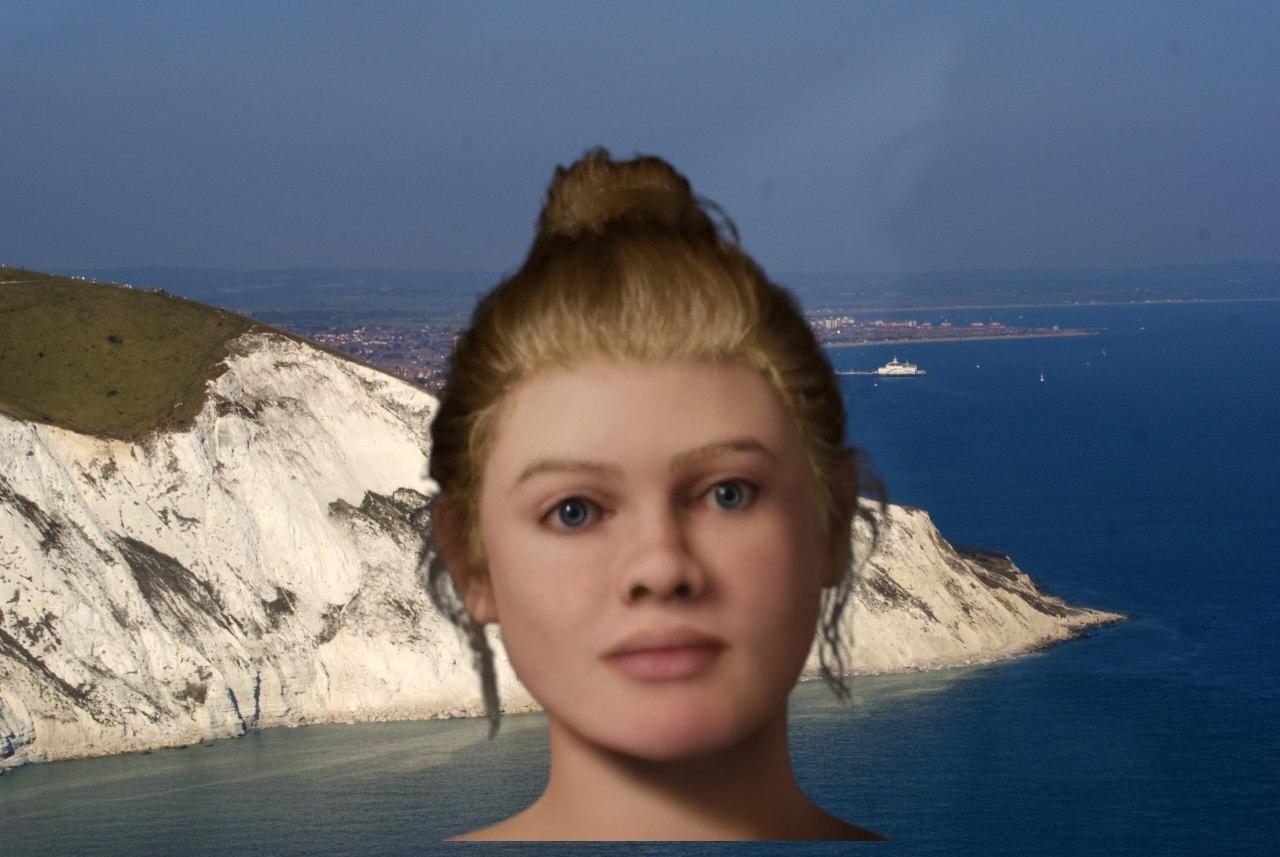
Papers The “Beachy Head Woman”: Ancient DNA Shows a Local Romano-Briton Beachy Head Woman: A Romano-British Life Revealed Beachy Head Woman: A Romano-British Life Revealed Through Modern Science Introduction: From Basement Box to Scientific Discovery In 2012, a forgotten skeleton emerged from a dusty box in Eastbourne Town Hall, bearing only a simple label: "Beachy Head (1959)". This discovery By Sara V • 6 min read
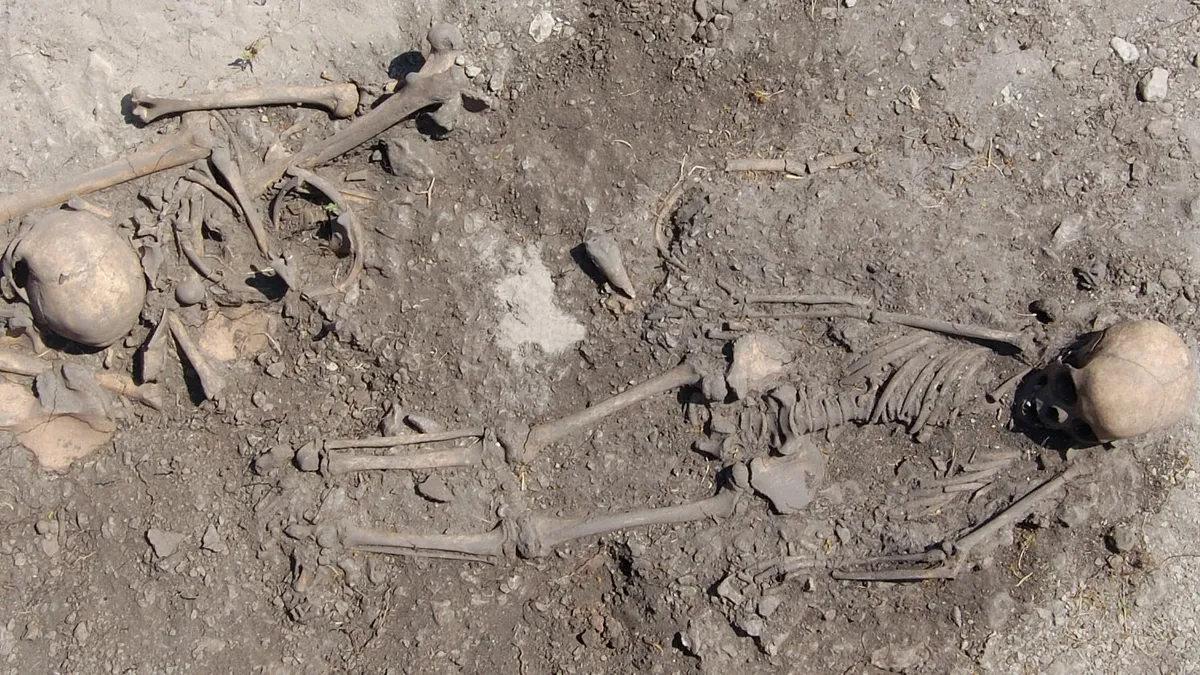
Papers Kinship and Co‑Burial in Neolithic Sweden Genetic Kinship and Neolithic Co-burial Rituals on Gotland Genetic Kinship Shaping Neolithic Co-burial Rituals on Gotland This comprehensive study takes readers to Ajvide on the island of Gotland in the Baltic Sea, one of Stone Age Europe's largest and best-preserved hunter-gatherer cemeteries. Here, people of the Pitted Ware By Sven • 5 min read
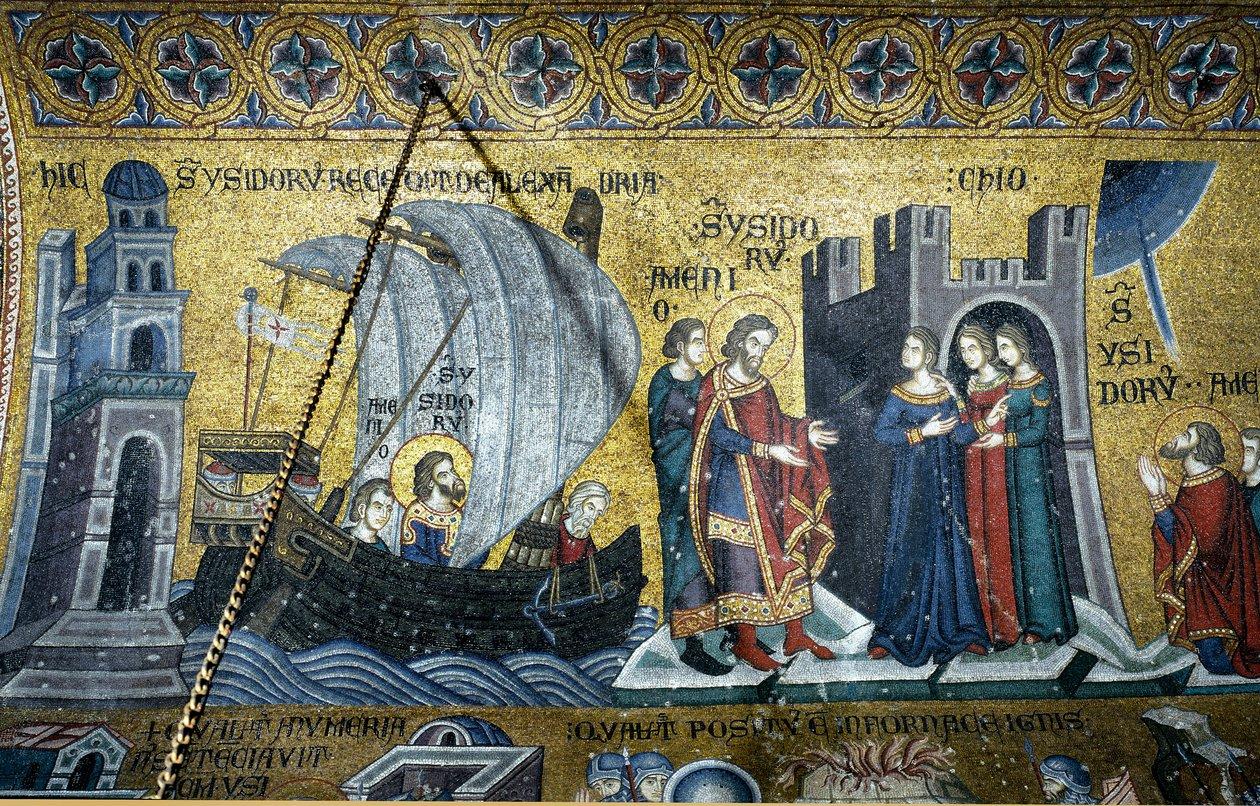
Papers Late Byzantine Burials and Sacred Memory at St Isidore’s Basilica, Chios Byzantine Monumental Architecture and the Deep Stratigraphy of St Isidore, Chios Byzantine Monumental Architecture and the Deep Stratigraphy of St Isidore, Chios The sacred landscape of the eastern Aegean reveals one of its most compelling stories through the Basilica of St Isidore at Chios, where layers of stone, mosaic, and By Caterina • 7 min read
Papers The “Beachy Head Woman”: Ancient DNA Shows a Local Romano-Briton Beachy Head Woman: A Romano-British Life Revealed Beachy Head Woman: A Romano-British Life Revealed Through Modern Science Introduction: From Basement Box to Scientific Discovery In 2012, a forgotten skeleton emerged from a dusty box in Eastbourne Town Hall, bearing only a simple label: "Beachy Head (1959)". This discovery By Sara V • 6 min read
Papers Kinship and Co‑Burial in Neolithic Sweden Genetic Kinship and Neolithic Co-burial Rituals on Gotland Genetic Kinship Shaping Neolithic Co-burial Rituals on Gotland This comprehensive study takes readers to Ajvide on the island of Gotland in the Baltic Sea, one of Stone Age Europe's largest and best-preserved hunter-gatherer cemeteries. Here, people of the Pitted Ware By Sven • 5 min read
Papers Late Byzantine Burials and Sacred Memory at St Isidore’s Basilica, Chios Byzantine Monumental Architecture and the Deep Stratigraphy of St Isidore, Chios Byzantine Monumental Architecture and the Deep Stratigraphy of St Isidore, Chios The sacred landscape of the eastern Aegean reveals one of its most compelling stories through the Basilica of St Isidore at Chios, where layers of stone, mosaic, and By Caterina • 7 min read
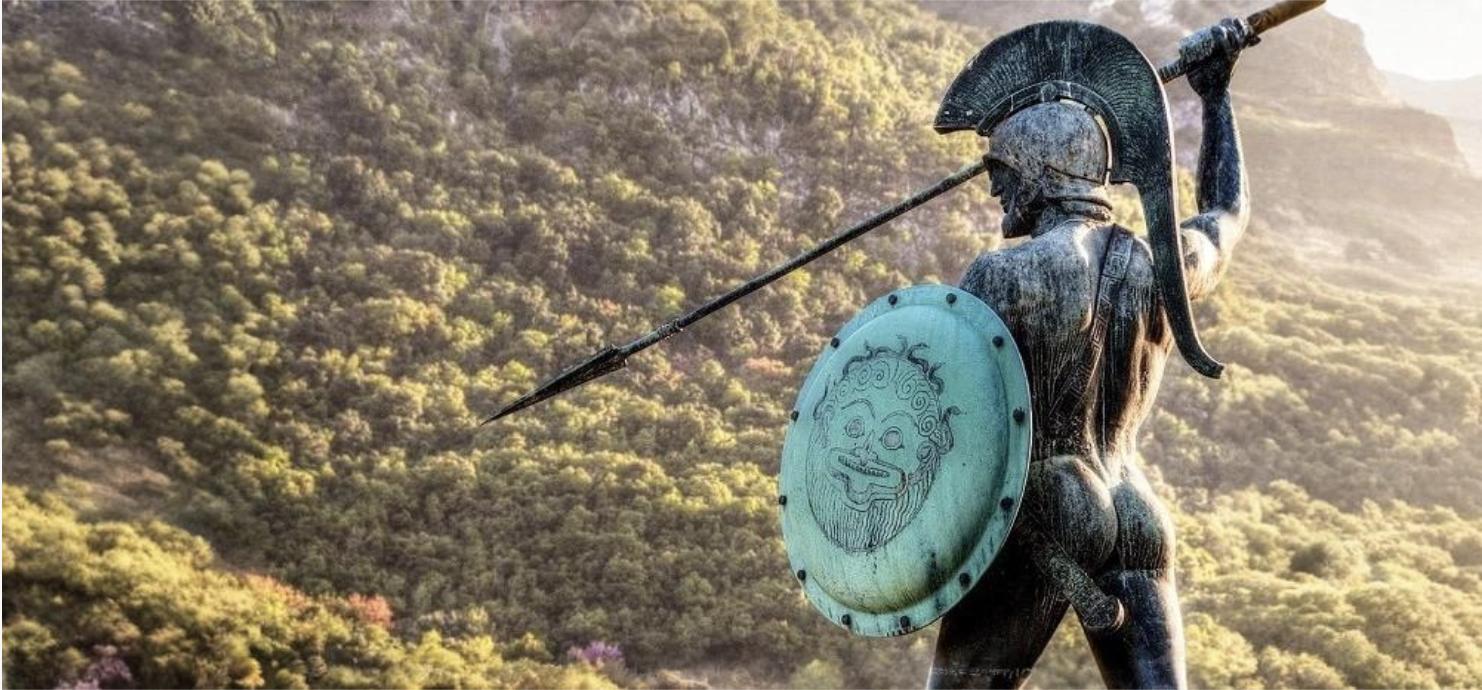
Papers Mantiot Greeks - A Possible Spartan-descendant Identity? Deep Maniot Y‑Chromosome Lineages and Their Ancient Mediterranean Connections Deep Maniot Y‑Chromosome Lineages and Their Ancient Mediterranean Connections This comprehensive study takes readers deep into the rugged spine of the Mani peninsula, revealing how the Y‑chromosomes of its men carry traceable echoes of Bronze Age warriors, Roman By Sven • 8 min read
Papers Genetic Diversity in the Late Iron Age Goths of the Masłomęcz Group Gothic Cosmopolitanism and Long-Range Mobility beyond the Roman Frontier Gothic Cosmopolitanism and Long-Range Mobility beyond the Roman Frontier This comprehensive study transports readers to the eastern fringes of the Roman world, into the Hrubieszów Basin of what is now eastern Poland, where an astonishingly rich Goth-associated community – the Masłomęcz group By Caterina • 6 min read
Papers The Grave that Refused to Die - Neolithic Northern France The Bury Gallery Grave: A Monument That Refused to Stay Still The Bury Gallery Grave: A Monument That Refused to Stay Still Introduction: A Hidden Giant in a Garden The Bury gallery grave in northern France represents far more than a simple stone tomb. This remarkable monument underwent continuous transformation By Caterina • 6 min read